The burgeoning field of AI-assisted design, while promising unprecedented efficiency in prototype generation, is encountering significant hurdles. A primary challenge lies in the inconsistent quality of AI-generated outputs, often stemming from latent flaws within design systems themselves. These shortcomings range from undocumented design decisions and unaddressed hard-coded values to an overreliance on AI’s inherent ability to interpret complex design flows independently. Addressing these issues is critical for harnessing the full potential of AI in design workflows.
Recent insights, notably a practical guide by Hardik Pandya of Atlassian, highlight a crucial need for structured approaches to bridge the gap between human design intent and AI execution. Pandya’s framework emphasizes strategies to reduce "drifts"—discrepancies between intended design and AI output—minimize errors, maintain contextual coherence, and ultimately enhance the quality of AI-generated prototypes. This approach underscores that superior AI outputs are not solely a product of advanced algorithms but are intrinsically linked to the quality and comprehensiveness of the data and guidance provided.
The Foundational Role of Design Decisions as Infrastructure
A core tenet of improving AI-generated prototypes is recognizing that well-defined design decisions function as the fundamental infrastructure upon which AI operates. It is a misassumption to believe that AI can autonomously discern optimal component choices or inherently incorporate accessibility best practices. Instead, AI requires explicit direction, including clearly articulated priorities, established decision-making frameworks, foundational design principles, and concrete examples of both desirable and undesirable outcomes.
This perspective elevates design decisions beyond mere aesthetic considerations; they become integral components of the system that guides AI. Every design choice, from the strategic prioritization of features to the granular details of interaction, must be meticulously documented and integrated into a specification file. This specification file then serves as the primary source of truth for the AI, ensuring that its outputs align with the established design ethos and functional requirements.
The implications of this approach are far-reaching. By treating design decisions as infrastructure, organizations can establish a more robust and reliable foundation for AI-driven design processes. This systematic approach not only minimizes ambiguity but also fosters a deeper understanding of design intent across the entire team, including those interacting with or managing AI tools. The proactive capture of these decisions into a machine-readable format is a significant step towards creating AI systems that are truly extensions of human creativity and strategic thinking.
Auditing for Quality: The Power of FigmaLint
To effectively address the inconsistencies that plague AI-generated prototypes, a rigorous auditing process is indispensable. The free Figma plugin, FigmaLint, emerges as a powerful tool in this regard. It provides a comprehensive suite of auditing capabilities, designed to scrutinize design systems for a variety of critical issues. These include the integrity of design tokens, the consistency of interactive states, adherence to accessibility standards, the proper binding of tokens, the clarity of layer naming conventions, the detection of detached instances, and the identification of hard-coded values that can derail AI interpretation.
FigmaLint’s utility extends beyond mere identification of errors; it actively assists in preparing design documentation, a crucial step in making design systems "AI-ready." For teams collaborating with external vendors or integrating third-party component libraries, FigmaLint becomes an invaluable ally. It ensures a baseline level of quality and consistency, which is paramount for generating reliable AI-generated code, documentation, and prototypes.

The development and adoption of such auditing tools represent a significant evolution in design system management. Historically, design systems were primarily for human consumption. However, with the advent of AI, the need for machine-interpretable and error-checked design data has become paramount. FigmaLint, by automating much of this audit process, allows design teams to focus on strategic design work rather than getting bogged down in repetitive quality checks. The ability to automatically flag issues like detached instances or hard-coded values saves considerable time and prevents the propagation of errors into AI outputs.
A Three-Layered Approach to AI-Ready Design Systems
Achieving consistent quality in AI-generated prototypes necessitates a structured, multi-layered approach. This involves the meticulous creation of "spec files," the diligent management of a "token layer," and the continuous implementation of auditing mechanisms.
1. Spec Files: The Language of AI Design
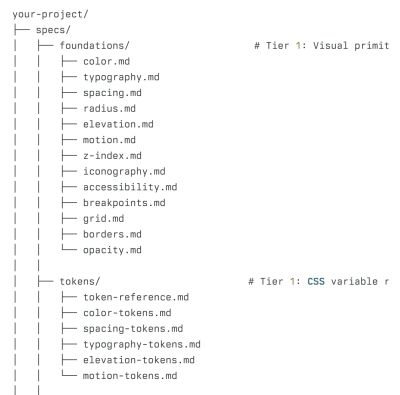
Spec files are essentially structured Markdown documents that encapsulate the fundamental rules, principles, and guidelines of a design system. These files articulate crucial aspects such as spacing rules, color palettes, component usage directives, and prioritized design objectives. By making these specifications text-based, organizations can achieve greater cost-effectiveness and accuracy compared to relying on AI to interpret visual mock-ups. Instead of AI making assumptions based on visual patterns, it receives direct, unambiguous instructions. This explicit guidance is often more effective than attempting to derive design logic from visual representations alone.

The creation and maintenance of these spec files represent a paradigm shift in how design knowledge is codified and disseminated. They serve as a direct communication channel between human designers and AI systems, ensuring that AI operates within predefined boundaries and adheres to established best practices. The structured nature of these files also facilitates version control and traceability, making it easier to manage updates and understand the evolution of design decisions over time.
2. The Token Layer: A Controlled Vocabulary for AI
The token layer is a critical component that maintains an up-to-date inventory of all design tokens utilized within the system. Tokens, in this context, refer to atomic design elements such as colors, typography settings, spacing units, and animation durations. By leveraging a closed set of named variables (tokens) rather than allowing AI to invent plausible values ad hoc, design consistency is significantly enhanced. AI always draws from this defined vocabulary, ensuring that its outputs are predictable and aligned with the established design system.
This layer acts as a controlled vocabulary, preventing the proliferation of inconsistent or arbitrary values. When AI needs to apply a color, for instance, it will select from a predefined list of named colors (e.g., color-primary, color-accent-secondary) rather than generating arbitrary hex codes. This systematic approach not only improves visual coherence but also simplifies the process of updating design systems. A change in a token’s value automatically propagates across all instances where that token is used, ensuring a unified update across the entire system and all AI-generated outputs.
3. Auditing Scripts: The AI’s Quality Assurance
An essential element of the three-layered approach is the implementation of audit scripts. These scripts act as a quality assurance mechanism, designed to identify and flag any deviations from the established design rules within AI-generated prototypes. They scan the output, identifying hard-coded values that should have been derived from tokens or spec files, and flagging them for correction. This can be achieved through conventional software or integrated AI feedback loops, where the AI receives input from the audit script to refine its subsequent outputs.
Furthermore, when the design system undergoes updates, a synchronization routine is crucial. This routine identifies which spec files require modification to reflect the latest design decisions. The overarching goal is to ensure that the AI consistently accesses and utilizes the most current specifications, preventing it from generating prototypes based on outdated information. This continuous feedback loop between design system updates and AI specifications is vital for maintaining relevance and accuracy in AI-assisted design.
The integration of these three layers—spec files, the token layer, and auditing scripts—creates a robust framework for AI-driven design. It moves beyond simply generating outputs to ensuring that those outputs are consistently high-quality, contextually relevant, and aligned with strategic design objectives. This structured methodology is a significant step towards making AI a truly reliable partner in the design process.
Context Engineering: The Overarching Principle
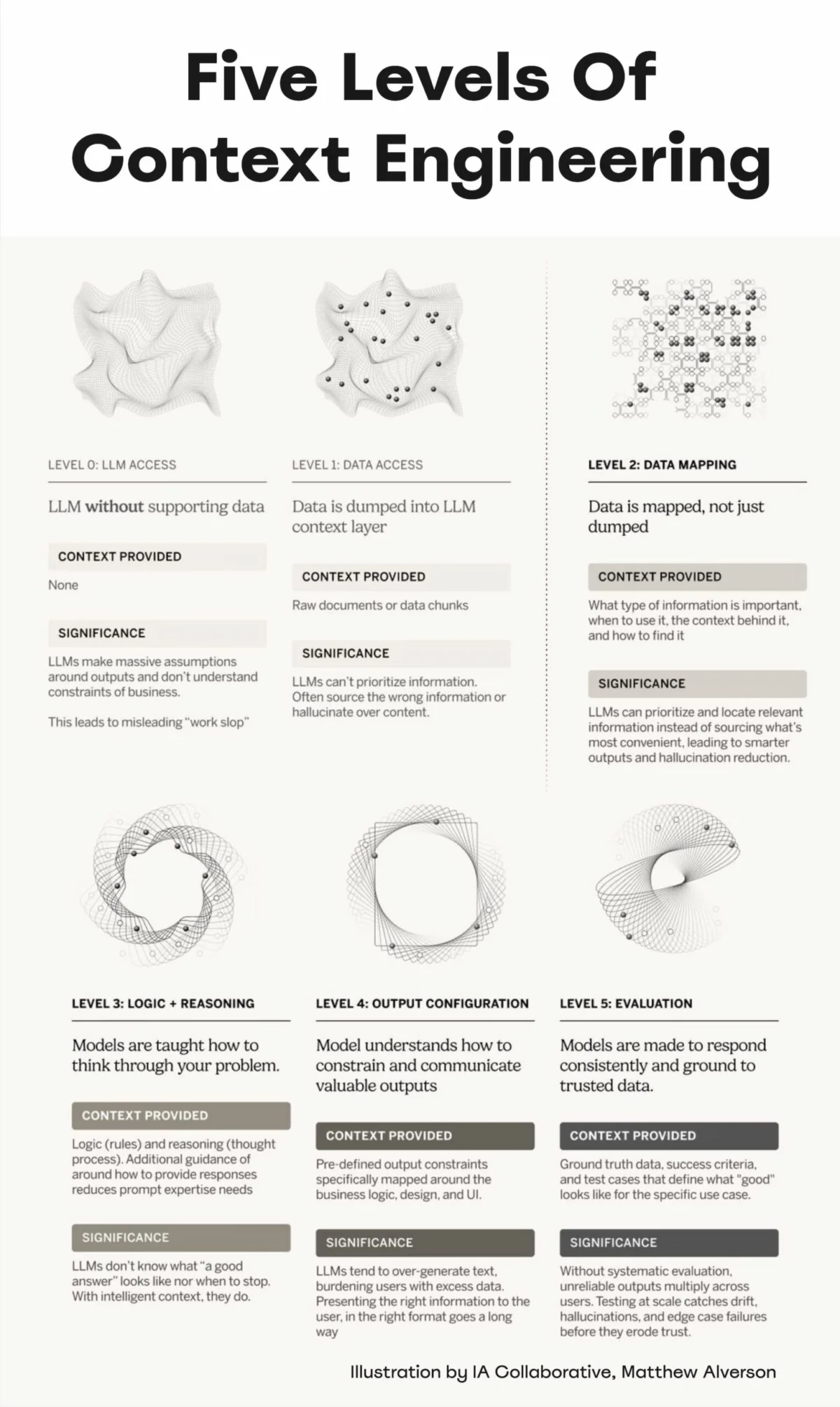
Underpinning these practical strategies is the concept of "context engineering." As illustrated by Matthew Alverson’s work, context engineering involves meticulously defining and managing the information that AI systems use to understand and execute design tasks. This encompasses a spectrum of context, from high-level design principles to granular data points. The more effectively context is engineered, the more accurately AI can interpret and respond to design requirements, minimizing errors and drifts.

This concept highlights that the effectiveness of AI in design is not an inherent capability of the AI itself, but rather a function of the quality and comprehensiveness of the context provided to it. Designers and developers must actively engage in shaping this context, ensuring that it is clear, consistent, and readily interpretable by AI systems. This proactive approach to context management is key to unlocking the full potential of AI in design and ensuring that its outputs are not only functional but also aesthetically sound and aligned with user needs.
The Evolving Landscape of AI in Design
The journey towards truly effective AI-generated prototypes is ongoing. It necessitates a shift in how design systems are conceptualized and managed. No longer are design systems solely for human designers and developers; they must also be optimized for consumption by AI. This involves a commitment to documentation, consistency, and continuous refinement.
The implications of this evolution are substantial. As AI becomes more integrated into design workflows, the ability to provide it with clear, structured, and high-quality guidance will become a critical differentiator. Organizations that invest in robust design systems, coupled with effective auditing and context engineering, will be best positioned to leverage AI for faster iteration, reduced technical debt, and ultimately, the creation of superior user experiences.
The development of resources like Vitaly’s "Design Patterns For AI Interfaces" video course further underscores the industry’s recognition of this need. By offering practical guidance and real-life examples, such educational initiatives aim to equip designers with the knowledge and tools necessary to navigate this evolving landscape. The course’s focus on designing AI features that people genuinely use emphasizes the ultimate goal: to ensure that AI serves as a powerful aid in creating effective and user-centered products.

In conclusion, the pursuit of high-quality AI-generated prototypes is intrinsically linked to the meticulous cultivation and maintenance of robust, AI-ready design systems. By treating design decisions as infrastructure, leveraging auditing tools, and adopting a multi-layered approach to specification and token management, design teams can significantly reduce inconsistencies and elevate the reliability and quality of AI-assisted design outputs. This commitment to structured guidance and continuous refinement is not merely a technical necessity but a strategic imperative for the future of design.