The highly anticipated Google Pixel Watch 5, codenamed "godric," appears poised for a refresh that may lean more on iterative improvements than groundbreaking overhauls, according to a recent leak sourced from the Google Play Console. While external renders suggest an aesthetic continuity with its predecessor, the Pixel Watch 5’s internal specifications, particularly its core processing unit, seem to echo earlier models. This reliance on a familiar chipset, however, is potentially offset by a significant increase in RAM, a move that could unlock more advanced on-device AI capabilities.
The leaked information, appearing on the Google Play Console, identifies the chipset as the "Qualcomm SW5100." This designation points to a continuation of the processor architecture that has powered the Pixel Watch lineage since its inception. The Pixel Watch 2, 3, and 4 all utilized variations of this Qualcomm platform, with the Pixel Watch 2 notably adopting the 4nm Snapdragon W5 Gen 1. The Pixel Watch 4 then saw an upgrade to the Snapdragon W5 Gen 2, primarily to support Satellite SOS functionality, alongside an advancement in its co-processor from ARM Cortex-M33 to M55. The current leak does not explicitly detail the co-processor for the Pixel Watch 5, leaving open the possibility of an upgrade in that area. However, the core silicon appearing to remain consistent suggests Google’s strategy for this generation may prioritize refinement and feature integration over a complete platform overhaul.
This decision to potentially reuse the same core chipset warrants a closer examination of the competitive landscape. For instance, Samsung’s latest offerings, such as the Galaxy Watch 9, have embraced newer silicon. The Galaxy Watch 9 reportedly features the advanced 3nm Snapdragon Wear Elite processor, boasting a more potent CPU configuration with one Cortex-A78 core and four Cortex-A55 cores. This represents a tangible step forward in processing power and efficiency compared to the Snapdragon W5 series, which has been in use for several generations. The choice between a familiar, proven chipset and cutting-edge silicon often involves a trade-off between development costs, time-to-market, and the potential for enhanced performance and features.
The most significant upgrade highlighted by the leak is the apparent jump in RAM. The Pixel Watch 5 is expected to feature 3 GB of RAM, a notable increase from the 2 GB that has been standard since Google’s initial foray into the wearable market with the first Pixel Watch. This doubling of RAM is a critical development, especially considering Google’s increasing focus on integrating advanced AI functionalities, such as Gemini Intelligence, into its devices. Enhanced memory capacity is crucial for running complex AI models locally, enabling faster processing of natural language queries, more sophisticated health tracking algorithms, and potentially a more responsive user experience overall. In contrast, Samsung’s Galaxy Watch 9, despite its advanced processor, appears to be sticking with 2 GB of RAM, suggesting different strategic priorities for their wearable AI integration.

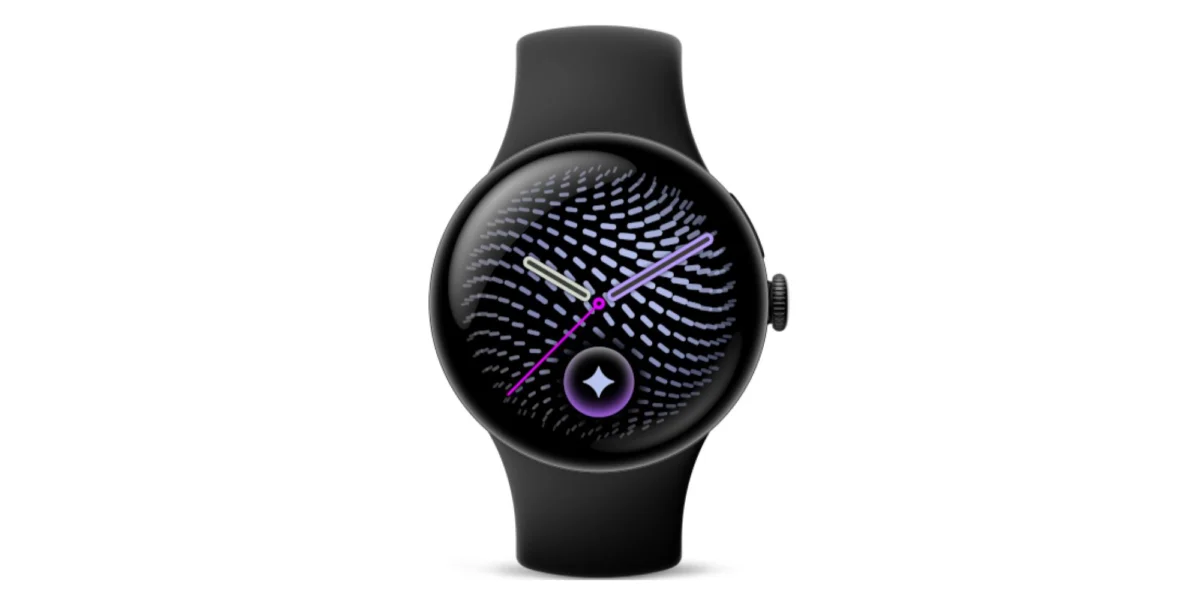
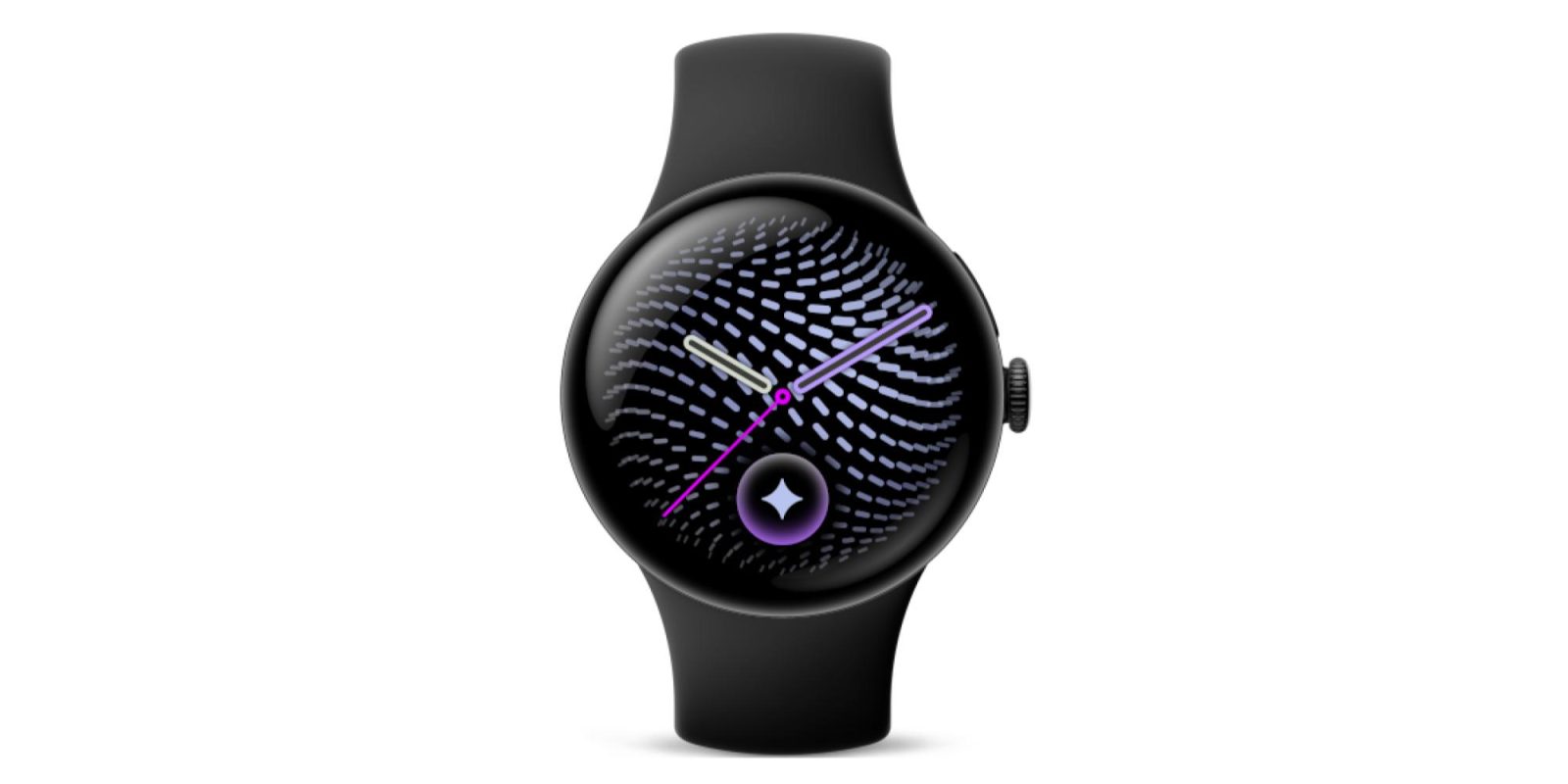
The leak also provides a visual clue, including a render that aligns with previous leaks, depicting a new analog watch face. This watch face is described as incorporating Gemini’s "Neural Expressive design language." This aesthetic choice signals a deeper integration of Google’s AI branding and philosophy into the user interface, aiming for a more intuitive and perhaps visually engaging interaction with the watch’s capabilities. The combination of a familiar hardware foundation with an emphasis on AI-driven software and design suggests Google is betting on software and intelligence to differentiate the Pixel Watch 5, rather than a radical hardware redesign.
Historical Context and Evolution of the Pixel Watch Lineup
Google’s journey into the smartwatch arena began with the original Pixel Watch, launched in October 2022. This device introduced a distinctive circular design, a focus on Fitbit integration for health and fitness tracking, and the nascent Wear OS experience. It was powered by the Exynos 9110 chipset, a decision that drew some criticism for its performance limitations compared to contemporary offerings.
The subsequent Pixel Watch 2, released in October 2023, marked a significant shift with the adoption of the Qualcomm Snapdragon W5 Gen 1. This upgrade addressed many of the performance concerns of its predecessor, offering a smoother and more responsive user experience. It also saw an enhanced suite of health sensors and deeper Fitbit integration, reinforcing Google’s commitment to health tracking as a core pillar of its wearable strategy.
The Pixel Watch 3, while not detailed in this particular leak, likely continued this trajectory of incremental improvements and feature refinement. The leaked information for the Pixel Watch 5, however, suggests a deviation from the rapid pace of chipset upgrades seen between the first two generations. The return to a Qualcomm platform that has been in use for several iterations raises questions about the pace of innovation in smartwatch chipsets and Google’s strategic approach to processor development.
The Significance of the Snapdragon W5 Platform
The Qualcomm Snapdragon Wear platform has been a cornerstone of many Wear OS smartwatches. The Snapdragon W5 Gen 1, a 4nm chip, offered a significant leap in power efficiency and performance over previous generations. It was designed to balance the demands of a full-fledged smartwatch operating system with the need for extended battery life. The Snapdragon W5 Gen 2, introduced later, further refined this architecture, bringing improvements that were deemed necessary for features like Satellite SOS, which requires a more robust and dedicated communication subsystem.
The potential reuse of the "Qualcomm SW5100" for the Pixel Watch 5, which appears to be an iteration or a continuation of the W5 series, suggests that Google may have found this platform to be sufficiently capable for its current roadmap. The focus might have shifted from raw processing power to optimizing the existing hardware for new software experiences, particularly those leveraging AI. The co-processor upgrade, if it occurs, could also play a crucial role in offloading specific tasks, thereby enhancing overall efficiency and responsiveness without necessarily altering the main SoC.
The RAM Upgrade: A Key Enabler for On-Device AI
The increase from 2 GB to 3 GB of RAM is arguably the most impactful specification revealed by this leak. In the realm of mobile and wearable computing, RAM is the immediate workspace for applications and the operating system. More RAM allows for more data to be held in active memory, leading to:
- Smoother Multitasking: Users can switch between apps more seamlessly without experiencing lag or the need for apps to reload.
- Enhanced AI Performance: On-device AI models, like those powering Gemini Intelligence, require significant memory to load and process data. A 50% increase in RAM can dramatically improve the speed and efficiency of these AI tasks, enabling more complex analyses and quicker responses.
- Richer User Interfaces: More complex and dynamic watch faces, animations, and interactive elements can be rendered more smoothly.
- Improved Battery Efficiency: While seemingly counterintuitive, sufficient RAM can sometimes improve battery life by reducing the need for the processor to constantly access slower storage, which consumes more power.
The inclusion of Gemini Intelligence has been a major talking point for Google’s AI ambitions. The Pixel Watch 5’s potential to handle more of Gemini’s processing locally could lead to features such as more nuanced conversational AI, advanced predictive text, and personalized insights that are not solely reliant on cloud connectivity. This would be a significant step towards making smartwatches more autonomous and intelligent.
Competitive Landscape and Market Positioning
The smartwatch market is fiercely competitive, with Apple, Samsung, and Google vying for dominance. Each player has its distinct approach. Apple, with its tightly integrated ecosystem, often leads in raw performance and feature innovation. Samsung, a long-standing player in the Android smartwatch space, has consistently pushed the boundaries of hardware capabilities, including display technology and processor advancements.
Google, through its Pixel Watch line, has positioned itself as the purveyor of the definitive Wear OS experience, emphasizing seamless integration with Android, Fitbit’s health ecosystem, and increasingly, its own AI technologies. The leaked specifications for the Pixel Watch 5 suggest a strategy focused on refining this experience, leveraging software and AI to deliver value rather than solely relying on bleeding-edge hardware. This approach could resonate with users who prioritize a cohesive and intelligent user experience over raw computational power, especially if it translates to better battery life and more useful AI-driven features.

Timeline and Future Outlook
While specific launch dates remain speculative, the Pixel Watch 5’s reveal through the Google Play Console suggests that its development is well underway. Historically, new Pixel Watch models have been announced in the fall, aligning with Google’s broader hardware launch cycles. If the trend holds, we can anticipate an unveiling around October.
The implications of this leak are significant for consumers and the broader smartwatch industry. It suggests a potential shift in how manufacturers are approaching wearable innovation. While processor advancements are always welcome, the focus on RAM and AI integration highlights a growing understanding that the true intelligence and utility of a smartwatch lie not just in its raw power, but in how that power is harnessed to deliver meaningful user experiences.
The Pixel Watch 5, if these leaks prove accurate, may not be a revolutionary leap in terms of raw processing power. However, its substantial RAM upgrade, coupled with the integration of Gemini’s design language, indicates a strategic pivot towards enhancing the "smart" aspect of the smartwatch. This focus on AI and intelligent features could set a new benchmark for what users can expect from their wearable devices in the coming years, moving beyond mere step counting and notifications to a more personalized and proactive assistant on the wrist. The industry will be watching closely to see how Google leverages this enhanced memory capacity to deliver on the promise of truly intelligent wearables.