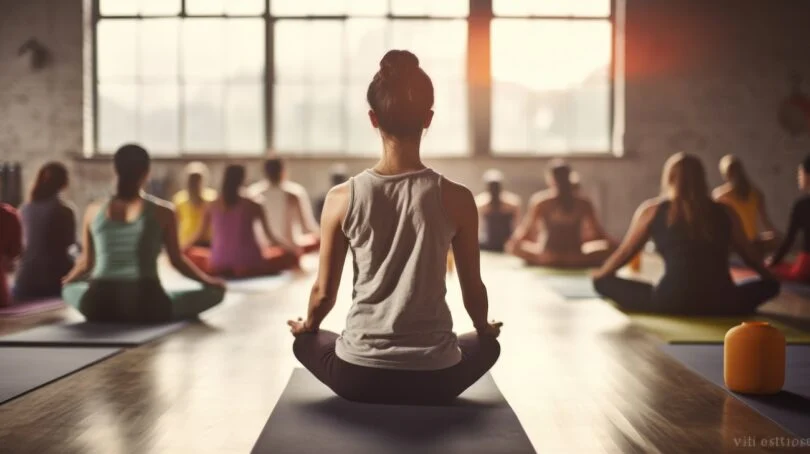
On June 21, practitioners and enthusiasts across the globe will observe International Yoga Day, a date designated by the United Nations to recognize the ancient physical, mental, and spiritual practice that originated in India. While the discipline is often associated with physical flexibility and meditative stillness, its core principles increasingly resonate within the high-pressure environment of the corporate world, particularly within the field of public relations (PR). For seasoned practitioners who navigate both the yoga mat and the boardroom, the intersection of these two seemingly disparate worlds offers a blueprint for professional longevity and strategic excellence.
The observance of International Yoga Day was first proposed by Indian Prime Minister Narendra Modi during his address to the 69th session of the UN General Assembly in 2014. The resolution was subsequently co-sponsored by a record 177 nations, reflecting a global consensus on the benefits of holistic health. In the decade since its inception, the day has become a focal point for discussing how mindfulness can be integrated into various professional sectors. In the public relations industry, where professionals are frequently tasked with managing crises, navigating complex media landscapes, and maintaining brand integrity, the tenets of yoga—balance, alignment, and intention—provide more than just personal relief; they serve as a framework for effective communication.
The Evolution of International Yoga Day and Global Wellness Trends
The rise of International Yoga Day coincides with a significant shift in global health perspectives. According to the Global Wellness Institute, the global wellness economy reached a value of $5.6 trillion in 2022 and is projected to grow by 8.6% annually. This growth is driven by an increasing recognition that mental well-being is intrinsically linked to professional productivity. For PR professionals, who consistently rank in the top ten of various "most stressful jobs" surveys—often cited alongside emergency responders and military personnel—the adoption of yogic principles is not merely a lifestyle choice but a strategic necessity.
The stress inherent in PR stems from the "always-on" nature of the digital news cycle. A 2023 study by Muck Rack on the state of PR found that "staying on top of the news" and "juggling multiple tasks" were among the primary stressors for practitioners. As the industry evolves to include social media management, data analytics, and real-time crisis response, the need for a disciplined, centered approach has never been more acute.
The Eight Pillars of Synergy: Connecting Mindfulness and Media
In the study of yoga, the number eight holds profound significance, rooted in the "Eight Limbs of Yoga" (Ashtanga) as outlined by the sage Patanjali in the Yoga Sutras. These limbs—Yama (ethics), Niyama (self-discipline), Asana (posture), Pranayama (breath), Pratyahara (withdrawal), Dharana (concentration), Dhyana (meditation), and Samadhi (enlightenment)—provide a path toward harmony and balance. By applying this numerical framework to the practice of public relations, professionals can identify eight distinct areas where the two disciplines overlap.
1. The Necessity of Physical and Professional Balance
In yoga, the mastery of one-legged poses—such as Vrikshasana (Tree Pose), Virabhadrasana III (Warrior III), or Natarajasana (Dancer Pose)—requires a stabilized core and a focused gaze (drishti). Without this equilibrium, the practitioner inevitably topples. Similarly, PR professionals must exercise balance on a daily basis. For those working in-house, this involves balancing the needs of various internal departments, from legal and HR to marketing and C-suite executives. For agency professionals, the challenge is multiplied across a diverse roster of clients, each with competing priorities and deadlines. Achieving this balance requires a firm "core" of organizational skills and the ability to remain upright amidst the shifting winds of industry trends.
2. Strategic Alignment and Brand Integrity
Alignment in yoga is critical for safety and efficacy. When a practitioner’s joints are out of alignment, the risk of injury increases, and the flow of energy is obstructed. In the context of public relations, alignment refers to the synchronization of a brand’s values with its public messaging. If a company’s actions do not align with its stated mission, the resulting "misalignment" leads to a loss of credibility and trust. Furthermore, internal alignment between PR teams and their clients is essential. Poor communication or a failure to agree on objectives can lead to mixed messaging, which in turn can result in the loss of accounts or the failure of a campaign.
3. Versatility and the Adoption of Multiple Identities
Yoga practitioners often navigate between the Sanskrit and English names for poses, reflecting a dual understanding of the practice. For instance, Garudasana is known as Eagle Pose, and Adho Mukha Svanasana is recognized as Downward Facing Dog. This duality mirrors the multifaceted roles of the PR practitioner. On any given day, a PR professional must act as a compelling storyteller, a meticulous researcher, a relentless media pitcher, and a strategic counselor to CEOs. This ability to shift "identities" and languages depending on the audience—be it a journalist, a consumer, or a stakeholder—is a hallmark of both a skilled yogi and a successful communicator.
4. Flexibility and the Pivot in Crisis Management
Physical flexibility is perhaps the most visible attribute of a yoga practitioner, allowing the body to adapt to various shapes without strain. In PR, flexibility is a cognitive requirement. The media landscape is notoriously volatile; a story that is "front-page news" in the morning can be eclipsed by a global event by the afternoon. PR pros must be prepared to pivot their strategies instantly, adapting story angles and counseling stakeholders on how to navigate unexpected developments. A rigid approach in PR often leads to "tone-deaf" communications that can cause a campaign to backfire, much like a rigid body in yoga is more susceptible to muscle tears.
5. Breath Control and Composure Under Pressure
Pranayama, or the practice of breath control, is used in yoga to calm the nervous system during difficult or strenuous poses. This technique has a direct application in leadership and crisis communication. When a PR crisis erupts, the instinctual "fight or flight" response can lead to hasty and ill-considered decisions. By maintaining a "calm and centered" exterior—much like a yogi breathing through a challenging sequence—PR leaders set the tone for their teams and clients. Research in emotional intelligence suggests that leaders’ reactions are often mirrored by their subordinates; therefore, a composed demeanor is a prerequisite for effective crisis management.
6. The Power of Connection and Stakeholder Relations
Yoga is fundamentally about connection—the union of the mind, body, and spirit. In the public relations industry, connection is the primary currency. The success of a PR program depends on the strength of the relationships built with journalists, influencers, consumers, and internal stakeholders. These connections must be authentic and mutually beneficial. Just as a yogi seeks to connect their movement with their breath, a PR professional seeks to connect a brand’s narrative with the needs and interests of its audience.
7. Consistency and the Discipline of Practice
The benefits of yoga are cumulative; missing a week of practice results in stiff joints and reduced endurance. Conversely, consistent practice allows for deeper exploration of poses. Public relations requires a similar level of discipline. The skills of media pitching, copywriting, and strategic planning must be exercised regularly to remain sharp. In an industry that is constantly being reshaped by new technologies like Generative AI and data-driven targeting, the "practice" of PR also involves continuous learning and professional development, such as pursuing Accreditation in Public Relations (APR) to refresh and validate one’s expertise.
8. Setting Intentions: The RPIE Process
Many yoga classes begin with the teacher asking students to set a "Sankalpa," or a silent intention, for the practice. This serves as a focal point for their efforts. In professional PR, this is mirrored by the RPIE process: Research, Planning, Implementation, and Evaluation. By setting clear intentions and objectives at the outset of a campaign, PR practitioners ensure that their efforts are purposeful and measurable. Without a set intention, both a yoga practice and a PR campaign risk becoming a series of disconnected actions without a clear goal.
Industry Reactions and Analysis of Implications
Industry leaders have increasingly recognized the value of integrating wellness into the workplace. Organizations such as the Public Relations Society of America (PRSA) have hosted webinars and sessions focused on mental health and resilience, acknowledging that the "hustle culture" of previous decades is unsustainable. Amy Preske, APR, a veteran PR professional and president of Booze PR, has noted that the similarities between the two disciplines are not merely coincidental but are rooted in the shared goal of achieving harmony within a complex system.
The implications of this synergy are significant for the future of the industry. As companies place a greater emphasis on Environmental, Social, and Governance (ESG) criteria, the "Alignment" limb of PR becomes more critical. Consumers are increasingly savvy at detecting "greenwashing" or performative activism. A PR strategy rooted in the yogic principle of Satya (truthfulness) is more likely to result in long-term brand loyalty.
Furthermore, the "Practice" aspect of both yoga and PR highlights the shift toward lifelong learning. The World Economic Forum’s "Future of Jobs" report identifies "resilience, stress tolerance, and flexibility" as top skills for the 2025 workforce. By viewing PR through the lens of yoga, practitioners can cultivate these soft skills in a structured way.
Conclusion: The Fluidity of Communication
Whether one is engaging in a slow Hatha flow or a rigorous Vinyasa session, yoga is characterized by fluidity—a seamless transition from one state to another. Public relations, in its best form, mirrors this fluidity. It is a discipline that requires constant motion, an awareness of one’s surroundings, and the ability to find stillness in the center of a storm.
As International Yoga Day approaches, the parallels between the mat and the media office serve as a reminder that the most effective communicators are often those who have mastered their internal landscape. By embracing balance, alignment, and intention, PR professionals can navigate the complexities of the modern media world with the grace and resilience of a seasoned yogi. The integration of these ancient principles into modern communication strategies represents more than a trend; it is an evolution toward a more mindful, ethical, and effective industry.