Connecting with audiences on LinkedIn demands a sophisticated understanding of its underlying algorithm, a complex system uniquely engineered to prioritize professional relevance over viral trends. Unlike consumer-focused platforms that thrive on rapid content dissemination, LinkedIn’s architecture is deliberately designed to curates feeds with highly pertinent professional advice, industry insights, and career-advancing expertise, necessitating a distinct approach for content creators and brands. This strategic difference underscores the platform’s commitment to its mission as the world’s leading professional network.

The LinkedIn algorithm functions as a sophisticated ranking system, meticulously determining which posts appear in a user’s feed and in what sequence. By default, feeds are sorted by "Top posts," a personalized selection informed by a user’s activity, stated interests, and the algorithm’s prediction of what content will be most valuable. Alternatively, users can opt for "Recent posts," which displays updates in reverse chronological order, offering a time-based perspective. With a staggering membership exceeding 1.3 billion individuals globally, LinkedIn’s algorithm processes billions of posts daily, all geared towards maximizing the professional utility and relevance of each user’s feed. This intricate process ensures that content is not merely seen, but seen by the right professionals who can benefit from it.
Understanding the Algorithm’s Core Mechanics

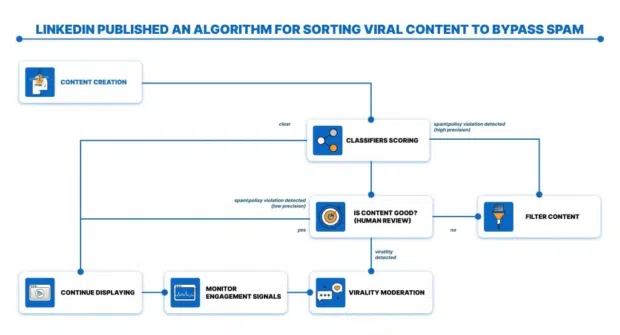
At its operational core, the LinkedIn algorithm subjects every post to a rigorous four-stage evaluation process to ascertain its suitability and ranking within users’ feeds. This multi-layered assessment is critical to maintaining the platform’s professional integrity and user experience.
The initial stage involves a comprehensive spam and quality filter. This preliminary check screens posts for any violations of LinkedIn’s stringent spam guidelines or broader professional community policies. Several factors can trigger this filter, including the excessive use of hashtags, manipulative engagement bait (e.g., "Comment YES if you agree!"), the promotion of unoriginal or low-quality content, and an overabundance of external links that draw users away from the platform. Successfully clearing this first hurdle allows a post to advance to the more nuanced ranking evaluations.
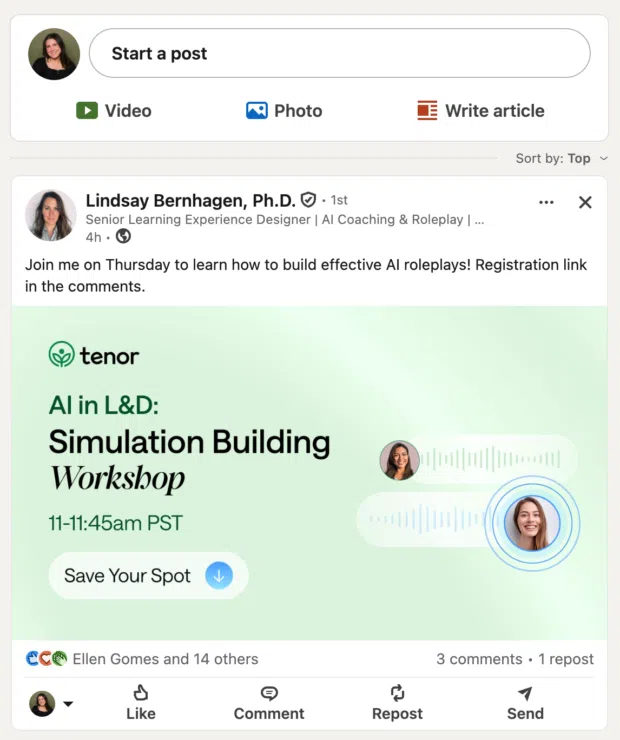
Following the initial quality assessment, LinkedIn employs engagement signals to rank the post. While early engagement provides an initial boost, the algorithm continuously evaluates a post’s performance over an extended period. This means content can resurface in feeds days or even weeks after its initial publication, a significant departure from the ephemeral nature of other social media platforms. The algorithm does not merely seek posts with the highest number of "likes"; instead, it endeavors to predict which content will be most relevant to a specific user. To achieve this, it analyzes both positive and negative signals. Positive signals include dwell time (how long a user spends viewing a post), comments, shares, and saves. Negative signals, such as users skipping a post, hiding it, reporting it, or consistently ignoring similar content, detract from a post’s visibility. This holistic approach ensures that true value, not just superficial popularity, drives content distribution.
The algorithm also meticulously factors in a user’s connections and network. It considers not only who a user is connected to and who follows them, but also the historical engagement patterns with those connections. Crucially, the algorithm does not automatically display content to all followers. Instead, it intelligently weighs which individuals within a user’s network are most likely to engage with a given post, based on their interests and past interactions. For instance, a connection who frequently comments on a user’s posts is significantly more likely to see subsequent content than a connection who typically scrolls past. This interest-based distribution model transforms each post into an opportunity to cultivate new, highly relevant followers around specific thematic areas, fostering a more engaged and targeted community.
Finally, LinkedIn targets the right readers by interest. Historically, the platform relied heavily on keywords and hashtags to categorize content. However, the newer algorithm leverages advanced semantic analysis, moving beyond mere keyword matching to understand the deeper meaning and context of a post. It then aligns this content with individuals whose professional interests and activity align most closely. This determination is based on two primary factors: a user’s past engagement behavior (e.g., what content they’ve liked, commented on, or shared) and their explicitly stated interests and skills in their profile. This refined targeting capability explains why two individuals following the same person might observe entirely different feeds. The algorithm also dynamically adapts to evolving user interests; if a professional begins engaging more with content related to AI, leadership, or hiring, LinkedIn quickly recognizes this shift and adjusts their feed accordingly. This forward-looking approach ensures that the algorithm is not merely reactive but anticipates the trajectory of a user’s professional interests.
Recent Algorithm Changes: The 2026 Update
The year 2026 has marked a pivotal period in the evolution of the LinkedIn algorithm, introducing several significant adjustments that reshape content strategy for professionals and brands. These changes reflect LinkedIn’s continuous effort to enhance the quality, relevance, and professional value of its platform.
One of the most profound shifts is LinkedIn’s increased semantic understanding. The updated algorithm no longer simply scans for keywords or exact phrases; it employs sophisticated natural language processing (NLP) to grasp the intrinsic meaning and context of a post. This means that merely stuffing content with hashtags is less effective than crafting clear, concise narratives that explicitly define the post’s subject, target audience, and key takeaways. Content creators are now incentivized to focus on articulate writing that resonates with specific professional niches, fostering deeper understanding and engagement.
A critical change in engagement signal hierarchy has seen saves and comments significantly outperform likes. Recent analyses of millions of posts reveal that a single save can generate approximately five times the reach of a like, while a comment can yield roughly double the reach of a like. This recalibration underscores LinkedIn’s preference for actions that denote genuine interest and deeper engagement. A "like" is a passive acknowledgment, whereas a "save" indicates an intention to revisit valuable content, and a thoughtful comment signifies active participation and intellectual contribution. This shift encourages content that provokes contemplation and discussion, moving beyond superficial validation.
LinkedIn is also intensifying its crackdown on engagement bait. The algorithm is now more adept at identifying and penalizing posts that employ tactics like "Comment YES if you agree!" or other manipulative calls to action. This initiative aims to foster more authentic and meaningful conversations, penalizing content that seeks to artificially inflate engagement metrics without offering substantive value. Posts that genuinely spark dialogue and knowledge exchange are now prioritized, reinforcing the platform’s professional ethos.
The emphasis on expertise and credibility has been significantly amplified. The 2026 algorithm rewards posts that feature original perspectives, unique industry insights, and actionable advice. This change actively encourages thought leadership and specialized knowledge sharing. Furthermore, the platform now explicitly recognizes and boosts the content of its most active and authoritative creators. Consistently posting high-quality, relevant content on a particular topic helps establish an individual or brand as a subject-matter expert, granting their content greater algorithmic favor and broader distribution to interested audiences. This incentivizes sustained, high-quality contributions.
Perhaps one of the most impactful changes is the algorithm’s prioritization of relevance over recency. A major tweak confirmed in mid-2025 indicated that LinkedIn is more likely to resurface older posts—even those published two to three weeks prior—if they remain highly relevant to a user’s professional interests. This departure from a strictly chronological feed means that the algorithm considers the content’s quality, the user’s past interactions with similar topics, the author’s established expertise, and the overall engagement a post continues to receive. This shift significantly extends the shelf life of high-value, evergreen content, allowing creators to focus on producing deeply insightful and enduring pieces rather than constantly chasing immediate, fleeting engagement.
Optimal Content Types for LinkedIn Success
To thrive under the evolving LinkedIn algorithm, creators and brands should integrate a diverse content strategy that includes evergreen, video, conversational, and educational content. Each type serves a distinct purpose in maximizing reach and engagement.
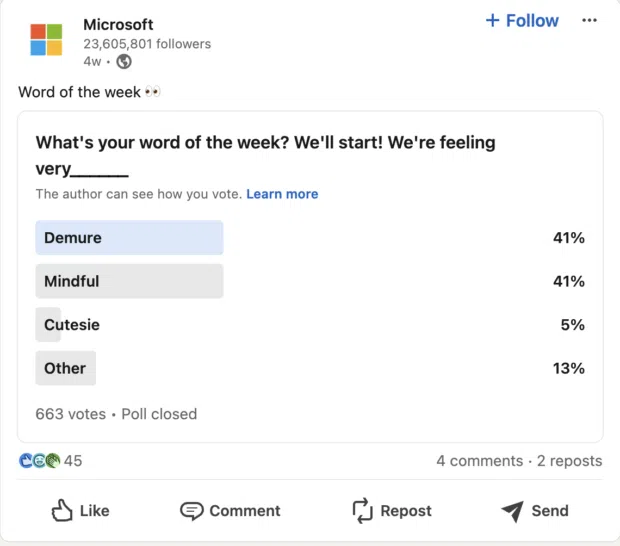
Conversational content is highly effective because it directly prompts user interaction, and comments are among the strongest engagement signals. Examples include open-ended questions that invite opinions, personal anecdotes with a call for shared experiences, industry polls, or debates on emerging trends. The key is to craft prompts that encourage genuine, thoughtful responses rather than perfunctory "yes/no" answers, moving beyond engagement bait to foster real dialogue.
Video content has seen a significant surge in prominence, with LinkedIn reporting double-digit growth in video uploads for multiple consecutive quarters leading into 2026. This trend signals that visual storytelling is a powerful medium for professionals. However, increased competition means the focus must be on creating high-quality, insightful, and clear videos that deliver tangible value. Authentic, camera-facing videos sharing advice, tutorials, or industry analyses tend to perform exceptionally well. Images also play a crucial role, serving as visual hooks that increase dwell time—a vital metric for the algorithm.
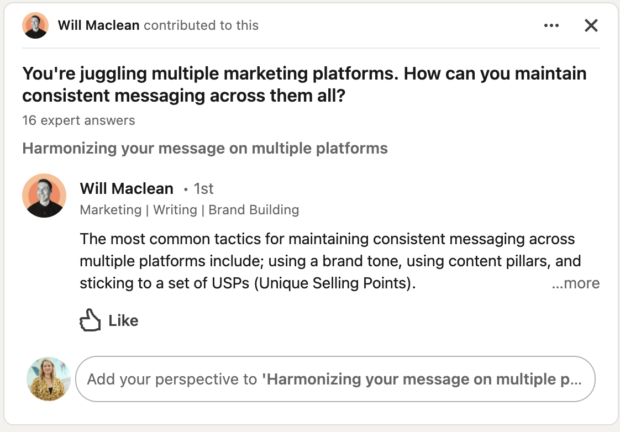
Educational posts remain a cornerstone of successful LinkedIn strategy, aligning perfectly with the platform’s core purpose of professional development. Users actively seek opportunities to learn new skills, understand industry shifts, or gain practical advice. Educational content can range from breaking down current trends and explaining complex concepts to offering specific, actionable tips. The most effective educational posts are highly specific, providing immediate, implementable value rather than broad generalizations. Document-sharing features, often referred to as carousels, have proven particularly effective for delivering structured educational content, generating significant reach.
Evergreen content, due to the algorithm’s increased emphasis on relevance over recency, has become exceptionally valuable. These are posts that offer timeless professional insights, advice, or foundational knowledge that remains pertinent over extended periods. Examples include career advice, leadership principles, fundamental skill guides, or industry best practices. This strategic focus ensures that content continues to garner visibility and engagement for weeks or even months after publication, providing sustained value and reinforcing the creator’s authority.
Optimizing Content for Algorithmic Advantage
To effectively leverage the LinkedIn algorithm, a systematic approach to content optimization is essential. Nine key tactics can significantly enhance a creator’s visibility and impact.
Firstly, sticking to two or three core topics is paramount. By consistently publishing content within a defined niche, creators help the algorithm accurately categorize their expertise. This specialized focus accelerates the algorithm’s learning process, enabling it to more efficiently connect content with relevant audiences. Topic selection should strategically overlap with audience interests, often identified through analytics from other social platforms or competitor analysis.
Secondly, ensuring your profile matches your content is crucial. The algorithm analyzes not just posts but also the headline, "About" section, work history, and recent activity. Inconsistencies between a profile’s stated professional identity and content themes can confuse the algorithm, hindering effective audience targeting. A cohesive profile that clearly reflects a creator’s desired areas of expertise makes it significantly easier for LinkedIn to distribute their content to the appropriate professional communities.
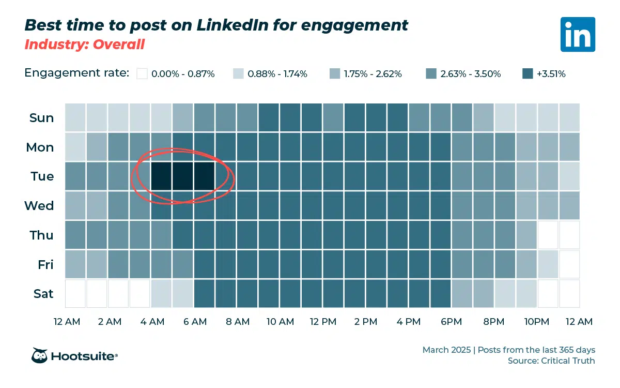
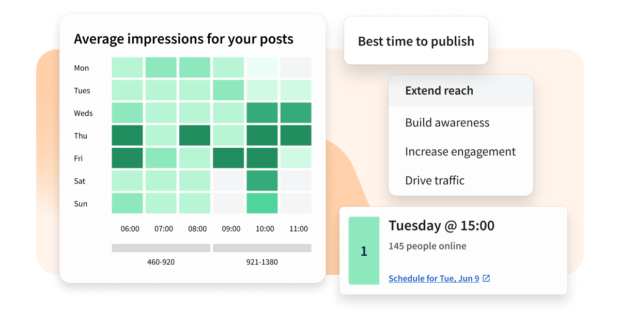
Thirdly, scheduling posts for optimal times maximizes initial exposure. Hootsuite research indicates that the best times to post on LinkedIn are generally between 4 AM and 6 AM on Tuesdays and Wednesdays, capturing early morning engagement across various time zones. However, audience demographics are unique, and tools like Hootsuite’s "Best Time to Publish" feature can provide personalized recommendations. Regularity is also key; LinkedIn data suggests that weekly posting leads to a two-fold increase in engagement, signaling consistent value to the algorithm.
Fourthly, promoting posts both on and off LinkedIn can significantly amplify reach. This involves encouraging employees to share company posts, posting updates in relevant LinkedIn groups, tagging relevant individuals or companies, and utilizing other professional networks such as internal communication platforms (e.g., Slack) or e-newsletters. This multi-channel promotion not only expands visibility but also drives external traffic to LinkedIn, which the algorithm often rewards through improved ranking.
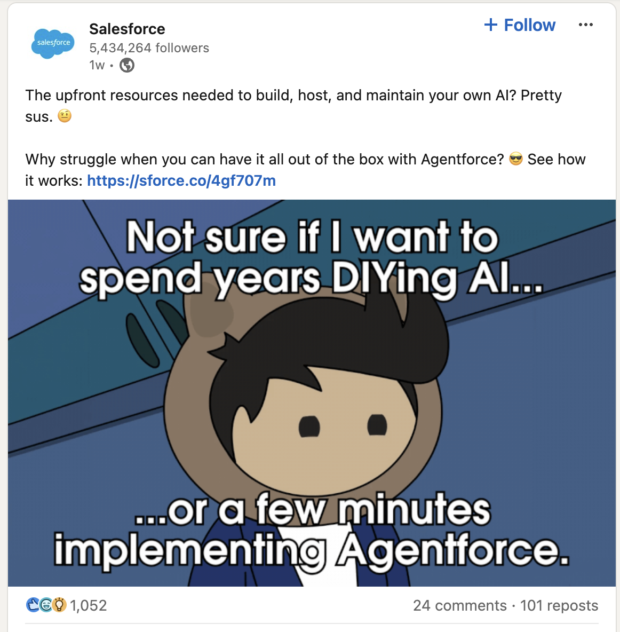
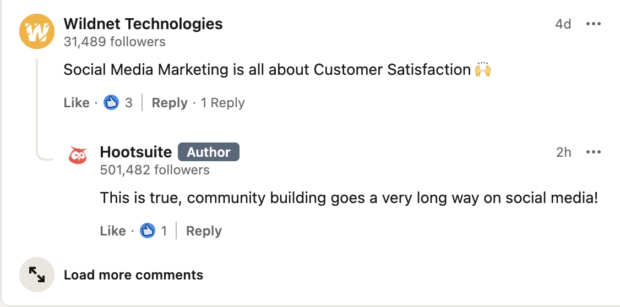
Fifthly, encouraging meaningful engagement is vital. The algorithm prioritizes thoughtful comments and discussions over generic reactions. Creators should actively pose questions that invite opinions, insights, or shared experiences, fostering genuine dialogue. Responding to comments promptly and engaging in active conversation further signals to the algorithm that the post is generating valuable interaction, boosting its reach and demonstrating the creator’s commitment to community building.
Sixthly, crafting original content with a unique perspective is indispensable. Relying solely on shared or repurposed content limits a creator’s ability to establish thought leadership. Original posts, especially those offering fresh insights, data, or a distinct point of view, garner more engagement and build a stronger professional reputation. Even when repurposing, adding a unique frame or analytical layer is essential. AI-powered tools can assist in generating conversation-provoking questions or refining content ideas.
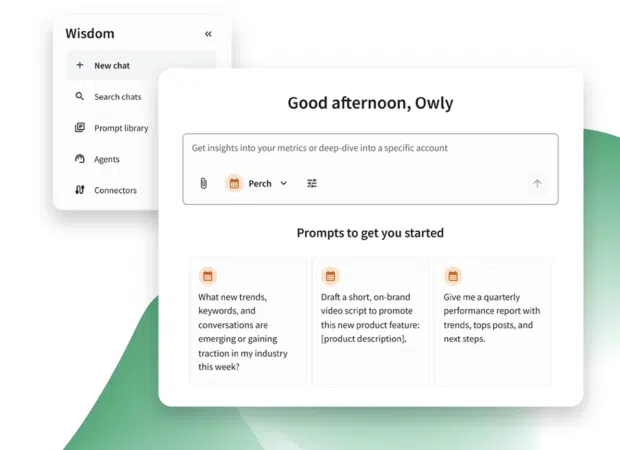
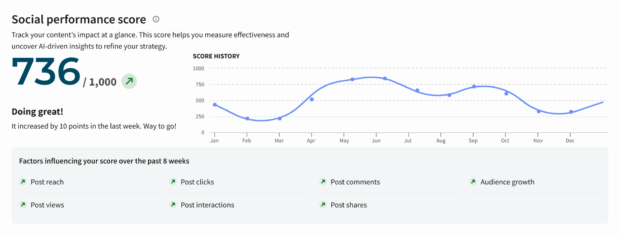
Seventhly, optimizing with analytics is a continuous process. Utilizing platforms like Hootsuite’s Perch or LinkedIn’s native analytics allows creators to identify top-performing posts and understand the underlying reasons for their success. Analyzing metrics such as saves, comments, unique views, and follower growth helps refine content strategy, adapt to algorithmic shifts, and replicate successful formats or themes. This data-driven approach ensures that content evolution is informed by actual audience response.
Eighthly, posting LinkedIn-appropriate content is fundamental. The platform is a professional environment, and content should reflect this. While authenticity, humanity, and appropriate humor are welcomed, posts should remain focused on business, industry insights, and career development. Avoiding overly personal or irrelevant content ensures alignment with user expectations and the platform’s professional ethos. Developing a friendly, approachable brand voice can significantly enhance interaction.

Finally, using native platform features is highly beneficial. LinkedIn’s algorithm generally favors content that keeps users within the platform, meaning posts with outbound links may receive less priority. Leveraging native tools such as polls, document uploads (carousels), LinkedIn Live broadcasts, and newsletters can drive higher engagement without directing users elsewhere. These features are designed to enhance the in-platform experience and are often algorithmically favored.
In conclusion, mastering the LinkedIn algorithm in 2026 requires a nuanced understanding of its professional-centric design and its recent evolution towards semantic understanding, deeper engagement metrics, and relevance over recency. By focusing on authentic expertise, fostering meaningful conversations, strategically optimizing content, and embracing native platform features, professionals and brands can significantly enhance their visibility, build credibility, and cultivate valuable connections within the world’s leading professional network. The emphasis is now firmly on providing sustained, high-quality value that resonates deeply with a targeted professional audience.