Samsung Electronics has established a Robotics eXperience (RX) Business Promotion Office that will be led by CEO TM Roh. This division will consolidate Samsung’s existing robotic research and development efforts.
Samsung Electronics, a global technology titan, has signaled a significant strategic pivot towards the burgeoning field of robotics with the formal establishment of its Robotics eXperience (RX) Business Promotion Office. Spearheaded by the company’s Chief Mobile eXperience Officer and CEO, TM Roh, this new division is poised to integrate and accelerate Samsung’s ongoing investments and research into robotic technologies. The move underscores Samsung’s commitment to not only enhancing its existing product lines but also to exploring and defining future frontiers in automation and intelligent machines. This consolidation of efforts aims to streamline innovation, foster synergy between different R&D initiatives, and present a unified, potent front in the increasingly competitive global robotics landscape.
The strategic importance of this new office is further emphasized by the appointment of key leadership. Lee Dong-geon, a veteran with a proven track record in robot strategy, will head the Robotics Strategy Team. Lee’s prior experience leading robot strategies for Boston Dynamics, a renowned leader in advanced robotics, during his tenure at Hyundai, brings invaluable expertise and a deep understanding of the sector’s complexities and future potential. This appointment suggests a deliberate focus on developing sophisticated and commercially viable robotic solutions, drawing upon both internal capabilities and external best practices.
Headquartered at Samsung’s state-of-the-art R&D Campus in Umyeon-dong, Seoul, the RX division will not be confined to its Korean base. In a move that highlights a global outlook, Samsung plans to establish research hubs in key technological centers across the United States, China, and Japan. This international network of research facilities is expected to foster collaboration with local innovators, tap into diverse talent pools, and remain attuned to regional market demands and technological advancements. Such a distributed approach is crucial for a field as dynamic and multifaceted as robotics, where breakthroughs can emerge from any corner of the globe.
Strategic Focus on Industrial Automation and AI Factories
Samsung’s immediate strategic roadmap for the RX division centers on industrial robots, with a clear objective of leveraging advanced robotics to drive automation within its own extensive manufacturing facilities. This approach serves a dual purpose: to act as a sophisticated proving ground for its robotic technologies and, subsequently, to offer these advanced solutions to other manufacturers. The company envisions a future where its own factories are the vanguard of robotic integration, demonstrating the tangible benefits and operational efficiencies that can be achieved.
The ambition extends to transforming Samsung’s manufacturing operations into “AI autonomous factories” by the year 2030. This ambitious target suggests a comprehensive integration of artificial intelligence, machine learning, and advanced robotics across all aspects of production. Such a transformation would not only optimize production processes, enhance quality control, and improve worker safety but also position Samsung as a leader in the next generation of manufacturing paradigms. The implications for the broader industrial sector are significant, potentially setting new benchmarks for efficiency and technological adoption. Achieving this vision by 2030 would place Samsung at the forefront of the Industry 5.0 revolution, where human-robot collaboration and intelligent automation are paramount.
Expanding Horizons: Humanoid Robots and Advanced Manipulation
Beyond industrial applications, Samsung is also actively exploring the realm of humanoid robots. The recruitment of Professor Kim Eui-gyeom from Ajou University, a specialist in robotic hands and manipulation, further signals this interest. Professor Kim’s expertise in developing sophisticated robotic manipulators, which are crucial for dexterity and fine motor control, is a key asset. This move is particularly noteworthy given Samsung’s existing, albeit undisclosed, advancements in robotic hand technology through its dedicated Robotic Hand Lab. The potential for developing highly capable humanoid robots that can perform complex tasks requiring human-like dexterity is immense, opening up possibilities for applications ranging from advanced manufacturing and logistics to healthcare and domestic assistance.
The development of advanced robotic hands is a critical bottleneck in the advancement of humanoid robotics. Current research often focuses on replicating the intricate biomechanics of the human hand, which possesses an unparalleled range of motion and tactile sensitivity. Success in this area could lead to robots capable of intricate assembly, delicate handling of goods, and even assistive roles in surgery or elder care. Samsung’s investment in this specific area suggests a long-term vision for robots that are not just tools for brute force automation but are capable of nuanced interaction and manipulation.
Ecosystem Building: Investment, M&A, and Strategic Partnerships
Samsung’s strategy for advancing its robotics ambitions is not solely reliant on internal R&D. The company plans to actively nurture the robotics ecosystem by funding promising robotics startups. This venture capital-style approach allows Samsung to identify and support emerging innovations and potentially acquire groundbreaking technologies or companies. Furthermore, Samsung is pursuing mergers and acquisitions (M&A) to accelerate its growth and consolidate its market position.
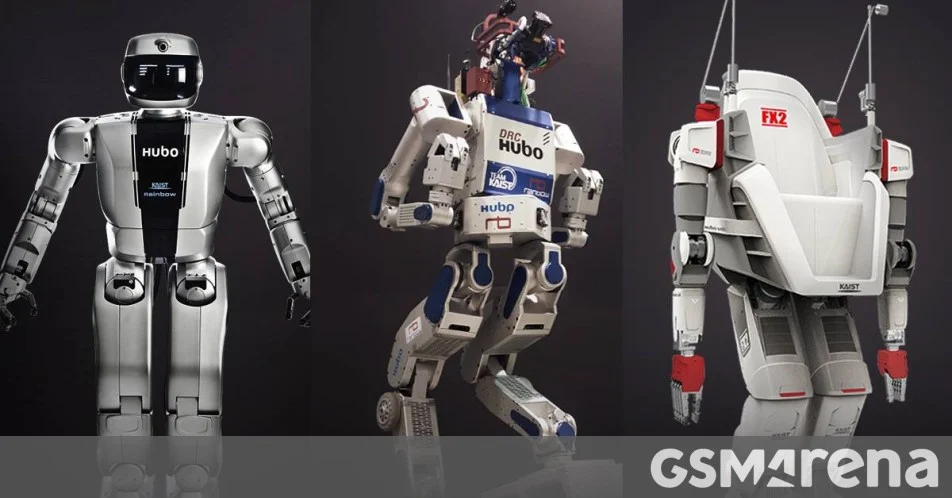
A significant move in this direction was Samsung’s acquisition of a substantial stake in Rainbow Robotics in 2024, making it the largest shareholder. Rainbow Robotics is known for its innovative robotic solutions, including advanced robotic platforms that have garnered attention for their versatility and capabilities, such as the robotic dog featured in accompanying visual materials. This investment provides Samsung with immediate access to a portfolio of advanced robotic technologies and a team with proven expertise in developing sophisticated robotic systems. It also positions Samsung to integrate Rainbow Robotics’ innovations into its broader product and service offerings, potentially accelerating the deployment of advanced robotics across various sectors.
Navigating a Competitive Landscape
The global robotics market is witnessing an unprecedented surge in innovation and investment, with numerous tech giants and agile startups vying for leadership. Samsung’s entry and expansion into this arena are occurring against a backdrop of intense competition. Tesla, for instance, has prominently showcased its Optimus humanoid robot, which has become a focal point for its Fremont plant operations following strategic shifts in its automotive production. LG, another South Korean conglomerate, recently announced its own Robotics Business Center, indicating a parallel commitment to the sector.
Further highlighting the rapid pace of development, Honor’s humanoid robot recently achieved a remarkable feat by winning a half marathon, even surpassing the human world record. Unitree has also been active with its line of humanoid robots, one of which has been utilized for durability testing of smartphones. Hisense entered the humanoid robot arena in January with the unveiling of its robot named Harley. This crowded and dynamic competitive landscape underscores the urgency and strategic importance of Samsung’s proactive approach. The industry is characterized by rapid technological advancements, and companies must be agile and forward-thinking to maintain a competitive edge.
Implications and Future Outlook
Samsung’s concerted push into robotics, particularly with the establishment of the RX division and its ambitious "AI autonomous factory" goal, signifies a significant long-term strategic commitment. The company appears to be aiming for a leadership position not only in consumer robotics but also in industrial automation and the broader application of AI-powered robotic systems. The emphasis on leveraging its manufacturing prowess as a testbed suggests a practical, results-oriented approach to robotics development.
The integration of robotics into its core manufacturing processes could lead to substantial gains in efficiency, cost reduction, and product quality. This internal success would then serve as a powerful testament to the capabilities of Samsung’s robotic solutions, paving the way for their wider adoption by other industries. Moreover, the focus on humanoid robots, coupled with strategic investments and acquisitions, indicates a vision that extends beyond mere automation to encompass more complex, human-interactive robotic applications.
The success of Samsung’s RX initiative will depend on its ability to effectively integrate its diverse R&D efforts, attract and retain top talent, and navigate the rapidly evolving technological and market landscapes. The company’s established global presence, financial strength, and commitment to innovation provide a strong foundation. As the world moves towards greater automation and artificial intelligence, Samsung’s bold steps in robotics position it as a key player shaping the future of how we work, live, and interact with intelligent machines. The coming years will undoubtedly reveal the full impact of Samsung’s strategic gambit in this transformative technological domain.