
The Toyota Highlander, a familiar sight on roads worldwide and known as the Kluger in Australia, has long been the quintessential midsize crossover, a vehicle that often serves as the mental archetype for its segment. Renowned for its functional design and unwavering reliability, the Highlander has carved out a significant niche since its debut in the 2001 model year. Sharing underpinnings with the dependable Camry sedan, it evolved from a basic front-wheel-drive grocery-getter to sophisticated hybrid configurations, becoming so pervasive that it’s a common sight even in the distinctive yellow livery of New York City taxis. However, ubiquity does not grant immunity from mechanical issues, and as the Highlander ages, certain recurring problems have emerged, posing potential dealbreakers for owners, particularly those less inclined towards automotive mechanics. This analysis delves into the most prevalent and significant issues affecting Toyota Highlanders, focusing on models approximately five years or older, as newer iterations have yet to accumulate a comprehensive history of defects. We will examine fundamental flaws inherent to the vehicles themselves, setting aside concerns related to user error such as inadequate maintenance or aggressive driving habits.
A Deep Dive into Recurring Toyota Highlander Problems
The Toyota Highlander’s enduring popularity is a testament to its practical appeal and Toyota’s reputation for reliability. Yet, like any mass-produced vehicle, it is susceptible to manufacturing defects and component failures. This report aims to provide a detailed examination of the most common and impactful issues reported by owners, offering a comprehensive overview for prospective buyers and current owners seeking to understand potential long-term ownership costs and concerns.
Bursting Oil Lines: A Critical Engine Threat
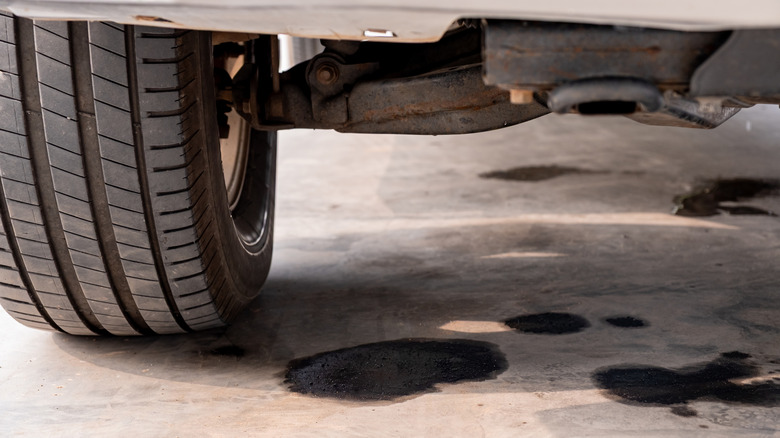
One of the most severe issues reported by Highlander owners involves the bursting of oil cooler lines, particularly in models equipped with the 3.5-liter V6 engine. This problem can lead to a rapid and drastic loss of engine oil pressure, a condition that is acutely detrimental to an engine’s internal components. When oil pressure plummets, vital parts such as the valvetrain and piston assemblies are deprived of lubrication, resulting in catastrophic metal-on-metal contact.

Toyota has acknowledged this issue, issuing a recall for approximately 533,500 vehicles across various Toyota models, including Highlanders. This recall not only addressed the faulty oil cooler lines but also extended warranty coverage for any engine damage incurred due to oil leaks. The official recall primarily targeted standard Highlander models from 2008 to 2011 and hybrid models from 2011. However, owner reports indicate that concerns with oil line failures have spanned a broader range of model years, from 2005 to 2013.
The consequences of oil starvation are severe. Imagine attempting to shave without shaving cream; the friction and damage to the skin would be immediate and significant. Similarly, an engine operating without sufficient oil experiences extreme heat generation and abrasion within its cylinders. Microscopic imperfections on metal surfaces, such as pores and ridges, are exacerbated by the lack of lubrication, leading to scoring and damage to the cylinder linings. Prolonged operation under these conditions can irreversibly damage the engine, rendering it inoperable and transforming a functional vehicle into a costly paperweight. The "low oil pressure" warning light is a critical indicator that should never be disregarded.
Fuel Pump Malfunctions: Disrupting the Engine’s Lifeline
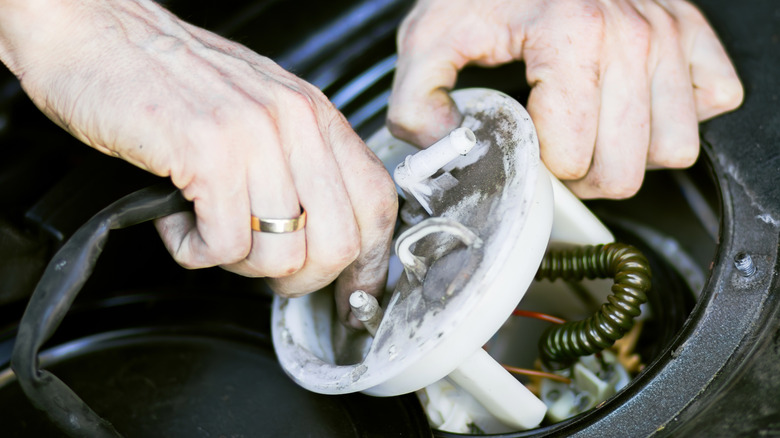
The fuel pump plays a critical role in a vehicle’s operation, responsible for delivering fuel from the tank to the engine under the necessary pressure. The fuel system, though seemingly straightforward, is a complex, pressurized network. Because the fuel tank is typically situated lower than the engine, a fuel pump is essential to overcome gravity and ensure a consistent fuel supply.
When a fuel pump malfunctions, the fuel system loses its ability to maintain adequate pressure. While some residual fuel may remain in the lines, drivers will often experience sputtering and hesitation, indicative of fuel starvation, as if the vehicle is running out of gas. Ultimately, the engine may fail to crank over altogether. If the fuel gauge indicates sufficient fuel, a faulty fuel pump becomes the prime suspect.
The Highlander shares components with other Toyota and Lexus models, including the fuel pump. A significant recall, initiated and amended throughout 2020, addressed issues with the fuel pumps in 2017-2019 model year Highlanders and Lexus GS 350 vehicles. This recall encompassed a staggering 1,830,752 vehicles across a dozen Toyota and Lexus models. A subsequent, related recall identified a potential failure of the entire fuel pump assembly, not just the pump itself, affecting over 1.5 million vehicles and overlapping many of the same models. A sudden and complete fuel pump failure can be perilous, potentially leading to engine stall at highway speeds, underscoring the urgency of addressing this issue.
Airbags Failing to Deploy: A Critical Safety Concern
In the event of a collision, airbags are a crucial safety feature designed to mitigate severe injuries. Modern vehicles employ crumple zones and advanced safety systems to absorb impact energy. Airbags act as a secondary line of defense, cushioning occupants from the abrupt deceleration that follows a crash.
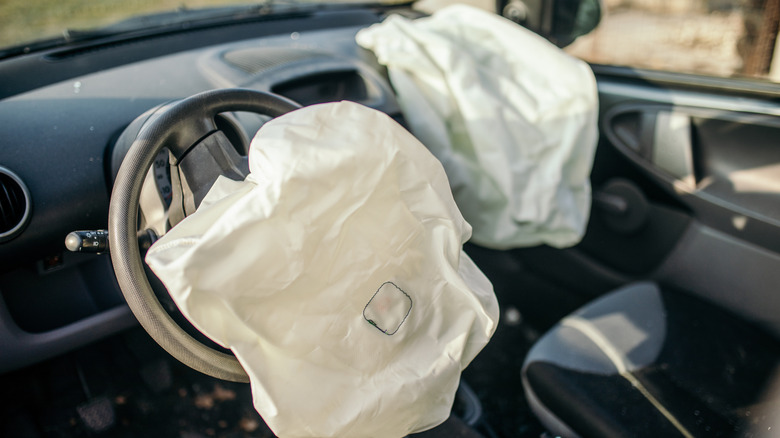
The failure of an airbag to deploy during an accident can have devastating consequences, exposing occupants to direct impact with the steering column and dashboard at high speeds. The mechanisms behind airbag deployment are intricate, involving small explosive charges to rapidly inflate the bag. Issues can arise from the signal that triggers deployment failing to reach the airbag, being misinterpreted, or, as was famously the case with the Takata airbag scandal, the airbags themselves being defective.
Specific to the Highlander, reports indicate instances where neither the driver’s nor the passenger’s airbag deploys in an accident. A significant recall involved nearly a million vehicles, including 2020 and 2021 Highlanders, where a short circuit in the Occupant Classification System meant the passenger airbag would not arm. Another recall, affecting 2023 models, cited a potentially faulty cable connecting the driver’s side airbag to the vehicle’s systems, preventing it from deploying in a collision. These failures represent a critical lapse in the vehicle’s safety systems, significantly increasing the risk of serious injury or fatality in an accident.
Transmission Failure: The "Whine of Death"
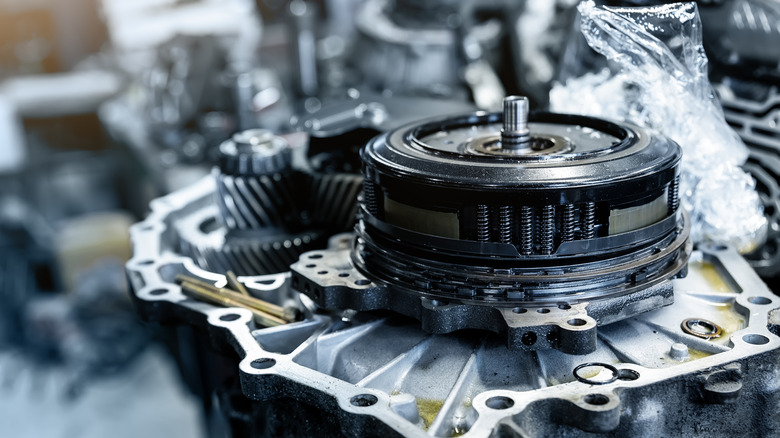
Transmission failure is another significant concern for Highlander owners, particularly those with models equipped with the Aisin eight-speed automatic transmission. This issue is often accompanied by a distinctive "Whine of Death" sound, which is a harbinger of internal mechanical distress. This audible warning signifies metal-on-metal contact within the gearbox, indicating that the transmission is on the verge of catastrophic failure.
The prevalence of this problem has led to a class-action lawsuit, filed in 2025 by plaintiff James LeBoutheller, alleging that Aisin deliberately ignored the known defects in the UA80 automatic transmission for years. The lawsuit outlines symptoms including gear slippage, erratic shifting patterns, loss of power, and the aforementioned "Whine of Death," inevitably culminating in complete transmission failure. While Toyota maintains the safety of these transmissions, the recurring nature of these complaints suggests a fundamental design or manufacturing flaw.
The financial implications of a transmission failure can be substantial, with repair costs potentially reaching upwards of $8,000. Unlike issues addressed by recalls, this problem often necessitates significant out-of-pocket expenses for owners. The lawsuit claims that the gear ratios are poorly suited for the transmission’s application in a family car, leading to erratic shifting and increased strain on the components, thereby contributing to their premature failure. This issue represents a significant long-term ownership cost and a potential dealbreaker for many prospective buyers.
Failing Oxygen Sensors: Compromising Performance and Efficiency
While less severe than engine or safety system failures, the premature failure of oxygen sensors (O2 sensors) is a widespread issue that can significantly impact a Highlander’s performance and fuel efficiency. The O2 sensor is mounted in the exhaust system and measures the oxygen content in the exhaust gases. This data is relayed to the engine control unit (ECU), which uses it to adjust the air-fuel mixture for optimal combustion.
When an O2 sensor malfunctions, the ECU cannot accurately determine the air-fuel ratio. In such cases, the engine may default to an "open-loop" configuration, meaning it operates with a predetermined, typically richer, fuel mixture. This results in decreased fuel economy and can lead to sluggish performance. The engine might run rough, hesitate during acceleration, or experience a noticeable drop in power. The check engine light will typically illuminate, signaling a problem with the emissions system.
Unlike the more critical issues discussed previously, there are no active recalls specifically addressing O2 sensor failures in Toyota Highlanders. However, a considerable number of owners have reported premature O2 sensor failures. While the cost of replacing an O2 sensor is considerably less than a transmission overhaul or engine repair, it can still represent an unwelcome expense. In some instances, if the sensor is not completely defective but merely fouled, cleaning it may be a viable solution, though replacement is often the recommended course of action. The consistent failure of this component suggests a potential vulnerability in the exhaust system’s design or the quality of the sensors used in certain production runs.
Broader Implications and Owner Considerations
The prevalence of these issues, despite Toyota’s overall reputation for reliability, highlights the importance of thorough research and due diligence for any vehicle purchase, especially for models that have been in production for several years. For owners of affected Highlanders, understanding these potential problems is crucial for proactive maintenance and informed decision-making regarding repairs.
Supporting Data and Chronology:
- Oil Lines: Recalls were issued for specific model years (2008-2011 standard, 2011 hybrid), but owner reports indicate issues from 2005-2013. Toyota’s recall addressed a broad range of affected models.
- Fuel Pumps: Recalls encompassed 2017-2019 Highlanders and other Toyota/Lexus models, with significant numbers of vehicles affected. The issue spanned multiple recalls throughout 2020.
- Airbags: Recalls targeted 2020-2021 Highlanders for passenger airbag issues and 2023 models for driver’s airbag cable problems, affecting hundreds of thousands of vehicles.
- Transmission: The Aisin eight-speed automatic transmission issue led to a class-action lawsuit filed in 2025, indicating a long-standing and widespread concern among owners.
- Oxygen Sensors: While not subject to specific recalls, numerous owner reports detail premature failures across various model years, impacting performance and emissions.
Analysis of Implications:
The identified issues, particularly those related to critical safety systems (airbags) and major powertrain components (engine oil lines, transmissions, fuel pumps), can significantly impact the long-term ownership experience and resale value of the Toyota Highlander. While Toyota has addressed some of these concerns through recalls, the persistent nature of some problems, like transmission failures and O2 sensor issues, suggests underlying design or manufacturing challenges that may continue to affect owners.
For potential buyers considering a used Highlander, particularly those in the affected model year ranges, a comprehensive pre-purchase inspection by a trusted mechanic is paramount. This inspection should specifically focus on identifying any signs of the aforementioned issues, such as oil leaks, check engine lights, or unusual transmission behavior. Furthermore, buyers should diligently research a vehicle’s maintenance history and any past recall work performed.
For current owners, staying informed about safety recalls and potential extended warranty coverage is essential. Promptly addressing warning lights and unusual vehicle behavior can help prevent minor issues from escalating into costly and potentially dangerous failures. The Highlander’s strong initial appeal as a reliable family vehicle is somewhat tempered by these recurring problems, underscoring the need for vigilant ownership and informed consumerism in the automotive market.