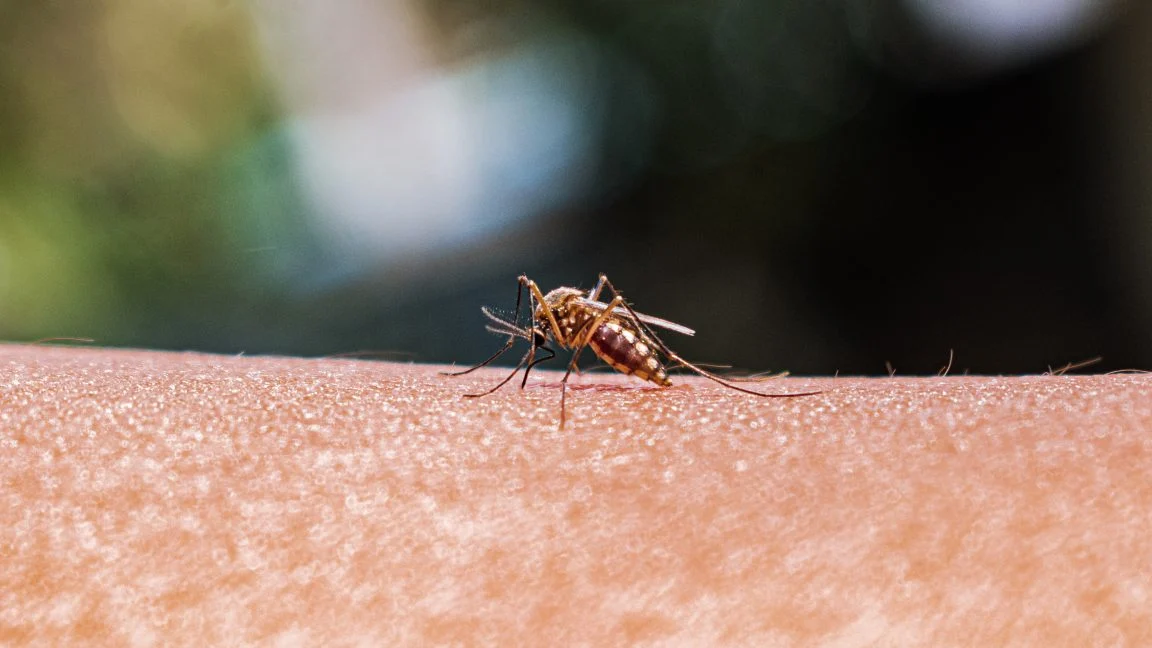
The intricate and often arduous task of monitoring mosquito populations across New York State is facing a critical juncture, with a proposed legislative bill aiming to transform the current fragmented system into a comprehensive, coordinated surveillance program. This initiative comes as experts warn that existing methods are insufficient to track invasive species, leaving public health officials ill-equipped to anticipate and respond to potential outbreaks of mosquito-borne diseases. The challenges are manifold, encompassing labor-intensive methodologies, logistical hurdles in obtaining essential supplies, and a notable lack of inter-county communication and data sharing.
The Intricacies and Inefficiencies of Current Mosquito Monitoring
Mosquito monitoring programs, a cornerstone of public health efforts to prevent the spread of diseases like West Nile virus and Eastern equine encephalitis, are inherently demanding. These programs typically require significant human resources and financial investment. Teams of technicians must meticulously set and maintain traps, a process that can be both time-consuming and physically taxing, particularly in diverse geographical terrains. Following collection, specialized personnel are needed to identify, sort, and test the gathered specimens for the presence of pathogens.
The methods employed in mosquito trapping are varied, each with its own set of operational challenges. Some traps are designed to attract female mosquitoes, the primary vectors of disease, by mimicking the scent of their preferred breeding sites. These often involve containers filled with "stinky water" – a concoction of decaying organic material that releases volatile compounds mosquitoes find irresistible. Other trapping mechanisms rely on the release of carbon dioxide, a gas that mammals, including humans, exhale when they breathe. Mosquitoes, highly attuned to this olfactory cue, are drawn to these traps as they hunt for a blood meal.
However, the reliance on carbon dioxide presents a significant logistical challenge in rural areas, as highlighted by researchers working in upstate New York. Obtaining dry ice, the most common and practical source for sustained carbon dioxide release in these traps, can be difficult and expensive in remote regions. In some instances, the very teams tasked with monitoring have resorted to producing their own dry ice, a testament to the resourcefulness required to overcome these systemic deficiencies. This DIY approach underscores the strain placed on existing surveillance infrastructure and the need for more robust and accessible resources.
Beyond the physical demands and supply chain issues, the human element of communication and coordination poses a substantial barrier. Data collected by different counties, often operating in isolation, is rarely aggregated or analyzed in a unified manner. This fragmentation creates blind spots in the overall understanding of mosquito distribution and abundance across the state.
Dr. Jonathan Leydet, a researcher whose lab has been actively involved in assessing the state of mosquito surveillance, articulated this problem poignantly. "One of the problems with states that are not comprehensively doing these surveillance programs is that surveillance is hit or miss," Leydet stated. "A lot of these surveillance programs are run by the counties, and they’re not really talking to each other." This lack of interconnectedness means that potentially concerning trends or the emergence of new invasive species can go unnoticed.
Leydet’s research has indicated that this patchwork system allows certain invasive mosquito species to evade detection. These species, often more aggressive biters or more efficient vectors of disease, can establish populations and spread without adequate intervention, thereby increasing the risk to public health.
The Critical Role of Funding and Proactive Prevention
Funding emerges as a persistent and critical challenge for effective mosquito surveillance. The sustainability of these vital programs is directly tied to the financial resources available to local governments. "If the county doesn’t have money or resources, these programs fade away," Leydet explained. This cyclical reliance on fluctuating budgets means that surveillance efforts can be inconsistent, leading to gaps in monitoring that can have significant public health consequences.
The absence of consistent and comprehensive surveillance programs forces a reactive approach to mosquito-borne disease control. Instead of preventing problems before they escalate, public health officials are often compelled to respond to established outbreaks, which are invariably more complex and costly to manage. "If we don’t have these surveillance programs, then all we’re doing is responding to a problem when it’s already a problem, and that’s never how prevention works," Leydet emphasized. This reactive posture not only puts communities at greater risk but also strains emergency response resources.
A Legislative Push for a Unified Approach
Recognizing these systemic shortcomings, a bill introduced in the New York State Legislature this session, Senate Bill S10393, proposes to establish a comprehensive mosquito surveillance program. The legislation aims to move away from the current "sparse and disintegrated" system, as described in the bill’s text, towards a more unified and data-driven approach. The overarching goal is to empower public health officials with the timely information needed to implement preventative measures and respond effectively before an outbreak reaches critical levels.
Such proactive measures, as outlined by public health experts, can include a range of interventions. These can involve community-level efforts such as the removal of standing water sources, which are essential breeding grounds for mosquitoes. Targeted application of larvicides in known breeding habitats can further curb mosquito populations before they reach adulthood. Public awareness campaigns are also crucial, encouraging residents to use insect repellent, wear protective clothing, and take steps to mosquito-proof their homes. In the event of an outbreak, more widespread pesticide spraying might become necessary, a measure that is both costly and carries its own environmental considerations.
The Economic and Logistical Realities of Statewide Coordination
While the benefits of a comprehensive program are clear, the practicalities of implementing and sustaining such an initiative across a large and diverse state like New York present considerable challenges. Dr. Leydet acknowledged the general interest in improving mosquito surveillance but also highlighted the significant financial hurdle. "There is general interest in these programs, but when you start seeing what they cost, it’s like, ‘Maybe we’re not that interested,’" he remarked, referencing the fiscal realities that often temper public health aspirations.
The cost of establishing and maintaining a statewide surveillance network would involve significant investment in personnel, equipment, laboratory infrastructure, data management systems, and ongoing training. Furthermore, coordinating efforts across 62 counties, each with its own unique geographical, demographic, and budgetary landscape, requires a sophisticated organizational framework and sustained political will.
Looking Ahead: The Imperative of Enhanced Surveillance
Despite the formidable obstacles, the push for a more robust mosquito surveillance system in New York is driven by an understanding that the risks associated with inadequate monitoring are growing. Factors such as climate change, which can alter mosquito breeding seasons and expand their geographic ranges, and increased global travel, which facilitates the introduction of new mosquito species, necessitate a more vigilant and proactive approach.
The proposed legislation, if enacted, could represent a pivotal step towards safeguarding public health. It offers the potential to shift from a reactive posture to one of informed prevention, ultimately reducing the incidence and impact of mosquito-borne diseases. As Dr. Leydet aptly concluded, "any help is better than nothing." The ongoing legislative discussion and potential implementation of a comprehensive program signal a growing recognition that investing in robust mosquito surveillance is not merely an expense, but a critical investment in the health and well-being of New Yorkers. The success of such a program will undoubtedly hinge on securing sustained funding, fostering inter-agency collaboration, and leveraging scientific advancements to effectively monitor and manage the ever-evolving threat posed by mosquitoes.