The White House Correspondents’ Association (WHCA) is set to reconvene for its annual dinner, a tradition meant to celebrate the First Amendment and the critical role of a free press. This year’s event, however, arrives under a cloud of controversy and heightened tension between the Trump administration and the media, amplified by a recent series of subpoenas targeting New York Times journalists. The dinner, rescheduled after an abrupt cancellation of the April event, will feature President Donald Trump as the keynote speaker, an appearance already deemed problematic by many within the journalistic community. Amidst this backdrop, critical investigative reporting from Pamela Colloff and the Floodlight news organization continues to shed light on systemic vulnerabilities, from the pervasive deception of jailhouse informants in the criminal justice system to regulatory loopholes enabling unchecked industrial expansion in Texas.
The WHCA Dinner: A Test of Press Freedom in Tumultuous Times
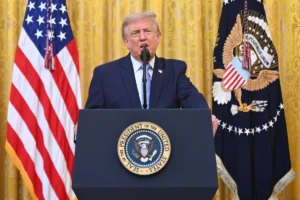
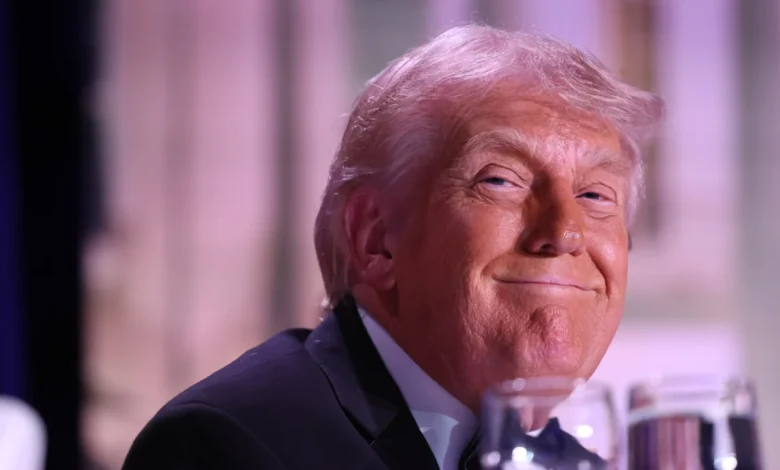
Scheduled for next week, the WHCA dinner aims to commemorate the First Amendment, a cornerstone of American democracy. Mentalist Oz Pearlman will return as entertainment, but all eyes will undoubtedly be on President Trump, whose remarks on Truth Social—hinting at "rather nasty statements" concerning "certain people"—have set a confrontational tone. This anticipated rhetoric comes at a particularly sensitive moment for press-White House relations, especially given the recent legal actions taken against journalists.
The New York Times Subpoenas and Their Chilling Effect
The most significant point of contention leading up to the dinner is the Trump administration’s issuance of subpoenas to five New York Times journalists, including Tyler Pager. Pager is slated to receive an award at the dinner for "the most fair, impartial, objective news reporting" by a member of the White House press corps. The subpoenas, issued last Friday, demand that the Times reveal confidential sources for stories pertaining to a Qatari-donated replacement for Air Force One. The newspaper has since filed a motion to quash these subpoenas, with David McCraw, a lawyer for the Times, condemning them as "abusive and improper" and accusing the administration of acting "in bad faith to punish the Times for its coverage."
Trevor Timm, executive director of the Freedom of the Press Foundation, vehemently criticized the administration’s justification, stating, "Looking at the fact pattern of these subpoenas, that they’re claiming that this story was some sort of national security threat is just an absolute total joke." Timm further asserted the obvious political motivation, suggesting it is "blindingly obvious to anybody with a pulse that Trump ordered these subpoenas himself." He questioned the very premise of celebrating the First Amendment with President Trump in attendance without any "strong pushback," highlighting the perceived absurdity of the situation.
A History of Tension and Calls for Stronger Advocacy
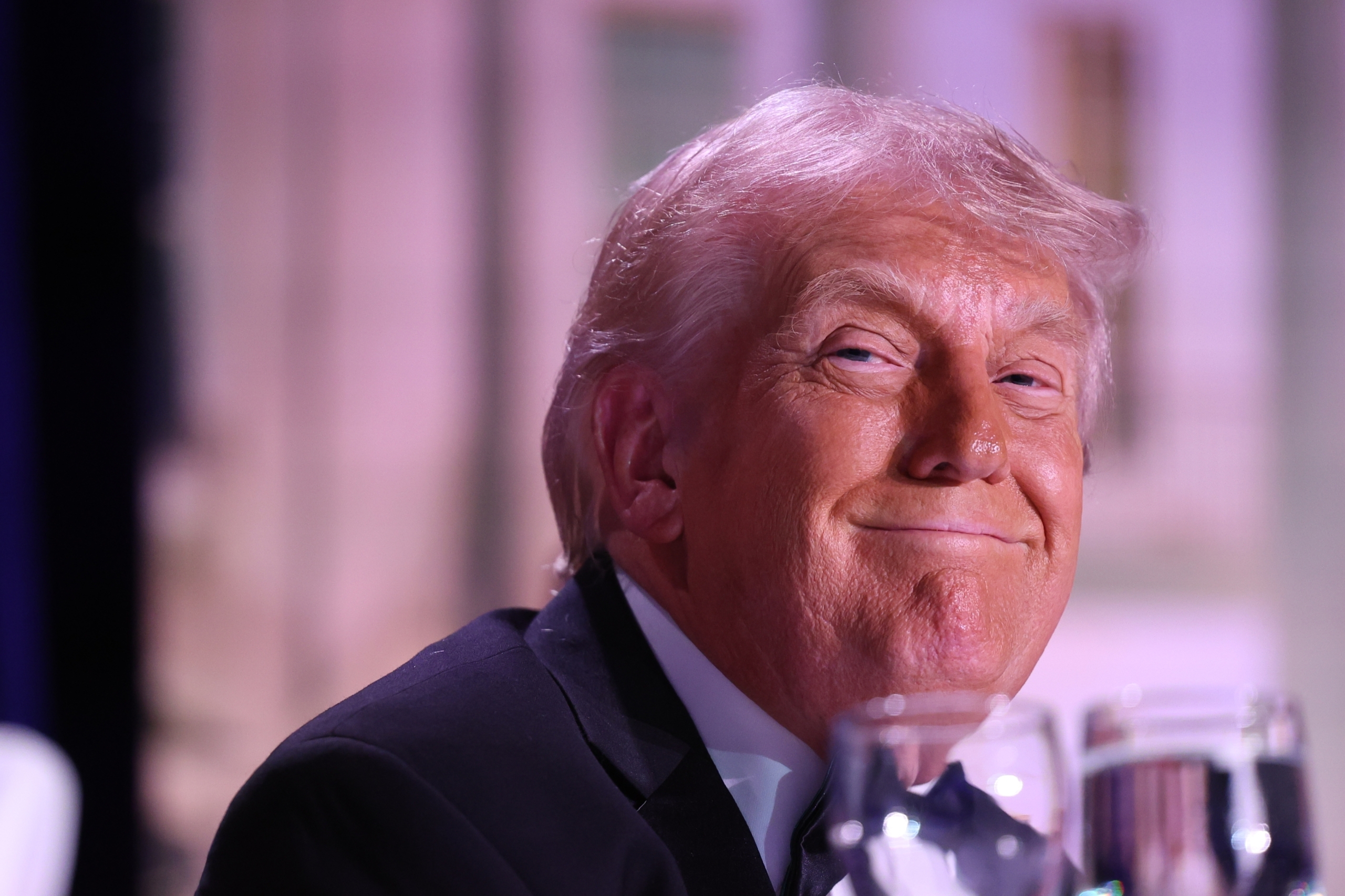
President Trump’s attendance at the WHCA dinner has been controversial long before the recent subpoenas. Over 250 journalists signed a letter prior to the original April event, urging the WHCA to seize the opportunity "to forcefully demonstrate opposition to President Trump’s efforts to trample freedom of the press." This sentiment manifested in various forms of protest, including reporters wearing First Amendment lapel pins and pocket squares, and plans for a walkout during the President’s speech. The New York Times itself has a history of disengaging from the event, having stopped attending after the 2007 dinner.
The WHCA’s mandate extends beyond merely preserving access to the administration; it is charged with leveraging its collective power to ensure government transparency and protect the public’s right to know. The decision to proceed with the dinner, particularly in the wake of such an extraordinary escalation against a major news organization, has been described as "particularly egregious." As noted by CJR colleague Jem Bartholomew, these subpoenas are not isolated incidents but rather "part of a wider push by the Trump administration to criminalize routine newsgathering practices."
While the WHCA declined to comment on President Trump’s speaking role at the rescheduled dinner, it did issue a statement regarding the subpoenas. The organization declared its solidarity with the targeted New York Times reporters, asserting that they were "doing their jobs to uphold the public’s right to know how its government operates." The statement concluded with a strong condemnation of "any act of intimidation against journalists, including attempts to pressure them into revealing sources." This upcoming dinner presents the WHCA with a critical opportunity to demonstrate the strength of its convictions and its commitment to press freedom.
Investigative Journalism Exposes Deception in the Justice System
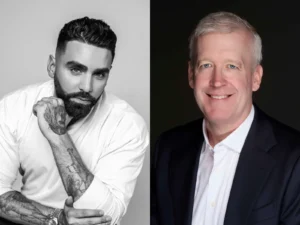
Beyond the political theater of Washington, investigative journalists continue to uncover profound systemic issues that impact the lives of ordinary citizens. Pamela Colloff, an acclaimed investigative reporter known for her work with the New York Times Magazine, ProPublica, and Texas Monthly, has released her powerful new book, Catch the Devil: A True Story of Murder, Deception, and Injustice on the Gulf Coast. The book delves into the alarming phenomenon of jailhouse informants and the devastating consequences of their unchecked influence.
In a candid prologue, Colloff reveals her own experience of being "conned" by Paul Skalnik, one of the most prolific and effective jailhouse witnesses in American history. During a 2018 interview for a magazine piece, Colloff, despite her extensive experience, found herself "elated" by Skalnik’s apparent cooperation, only to realize "much too late" that his promises were hollow. This personal encounter underscores the profound manipulative abilities of individuals like Skalnik, who "could sense what I wanted to hear and what I needed and why I had come there."
Colloff’s book is a deliberate dismantling of the romanticized "charming-con-artist" trope often portrayed in popular culture, such as Catch Me If You Can. Skalnik is presented not as a charming rogue but as a ruthless and unrepentant manipulator whose primary objective was to evade accountability for his own crimes, which included the sexual assault of a twelve-year-old girl. His modus operandi involved becoming a jailhouse snitch, offering conveniently timed confessions from fellow inmates to prosecutors, who, for years, relied on his testimony to secure "a staggering number of felony convictions."
The book meticulously traces Skalnik’s 43-year journey through the criminal justice system, combining rigorous investigative reporting with deeply immersive, character-driven storytelling. Colloff masterfully interweaves accounts of Skalnik’s crimes with the harrowing experiences of his victims, many of whom are still grappling with the destruction he wrought. A central figure in the narrative is Jim Dailey, who was sentenced to death in 1985 for the brutal killing of a teenage girl, primarily based on Skalnik’s testimony. After nearly four decades on death row, Dailey has exhausted all appeals, facing a grim reality in a state where no condemned prisoner has been spared execution since 1983.

Colloff’s investigation critically highlights how Skalnik’s danger stemmed not from his inherent intelligence or cunning, but from "how readily the institutions that were supposed to uphold the law and protect the most vulnerable had amplified his lies." Without the complicity and reliance of these institutions, Skalnik would have remained "nothing more than a small-time con man," underscoring a profound systemic failure that allowed a manipulator to wreak havoc on countless lives.
Unseen Consequences: AI Data Centers and Regulatory Blind Spots
In another critical example of investigative journalism revealing systemic flaws, Floodlight, in collaboration with the Texas Tribune and Wired, has uncovered a significant regulatory loophole enabling massive AI data centers to operate with minimal public scrutiny in Texas. This investigation brings to light the hidden environmental and social costs associated with the rapid expansion of the artificial intelligence industry.
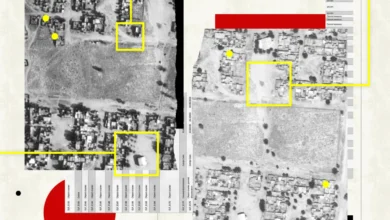
The genesis of this issue is vividly illustrated by the construction of OpenAI’s flagship Stargate data center in Abilene, Texas, in 2024. Local residents like Paul Daniel, an 81-year-old retiree who has lived in the vicinity for 44 years, were completely unaware of the massive project being built "just yards from their home." Daniel lamented, "We were never advised or anything," a sentiment echoed by many in the community.
Evan Simon, an investigative producer for Floodlight, unearthed the mechanism behind this lack of transparency. As Texas aggressively positions itself as the nation’s premier data center hub, a critical regulatory loophole has permitted some AI facilities to construct massive on-site gas power plants under "minor" permits. These permits, typically reserved for small businesses such as dry cleaners, were never intended for large-scale industrial projects. Crucially, they require "no environmental studies, public notice, or public comment periods," effectively bypassing the rigorous oversight typically mandated for major pollution sources.
Brad Racino, Floodlight‘s editor-in-chief, explained that the story emerged from a pattern observed during their reporting on data center proliferation across the country. The fundamental question, "If I saw a development next door to my house, how would I not know what was going on?" drove the investigation. Simon’s diligent work, involving the analysis of 20,000 permits from the website of the Texas Commission on Environmental Quality (TCEQ) over a four-month period, ultimately exposed the widespread exploitation of this regulatory loophole.
For residents of Abilene, this discovery has come too late. Omaira Garcia, an Air Force veteran and mother of two who lives next to Daniel, attempted to sell her house but received no offers. Through tears, she told Simon, "We weren’t given any time to understand what this impact was going to be on us. We’re trapped here." This predicament highlights the profound environmental justice implications, where communities, often those with fewer resources, bear the brunt of industrial development approved without their knowledge or consent. The rush to incentivize AI development, while potentially boosting the state economy, has demonstrably failed to protect the interests and well-being of its most vulnerable citizens, creating trapped communities with little recourse against powerful corporations and accommodating regulatory frameworks.
These three distinct narratives—the embattled White House Correspondents’ Dinner, the expose on judicial deception, and the investigation into unchecked industrial expansion—collectively underscore the indispensable role of a free and vigilant press. From holding power accountable in the nation’s capital to uncovering the hidden injustices within the legal system and shedding light on the environmental impact of technological advancement, quality journalism remains a vital bulwark against opacity and abuse. As the WHCA navigates its fraught annual gathering, and as reporters like Colloff and Simon continue their critical work, the stakes for truth, transparency, and public welfare have rarely been higher.