The Imperative of Personality in Digital Content
The digital sphere has undergone a profound transformation, moving beyond a simple demand for information to a desire for authentic engagement. Readers today seek not just answers, but also connection, relatability, and a sense of shared experience. In this environment, a blog that lacks a discernible personality risks being perceived as generic, forgettable, and ultimately, interchangeable. While strong SEO and impeccable writing are foundational, they are no longer sufficient to build a thriving online community. Personality serves as the unique identifier, the brand differentiator that transforms passive visitors into active participants and loyal followers. It fosters trust, establishes authority through a unique lens, and creates a memorable experience that encourages repeat visits and organic advocacy.
Strategies for Cultivating a Distinct Blog Identity
The following case studies illustrate diverse yet effective approaches to embedding personality into a blog’s fabric, offering a comprehensive roadmap for content creators.
1. Visual Storytelling Through Authentic Photography: Caz and Craig from YTravel
Blog: YTravel
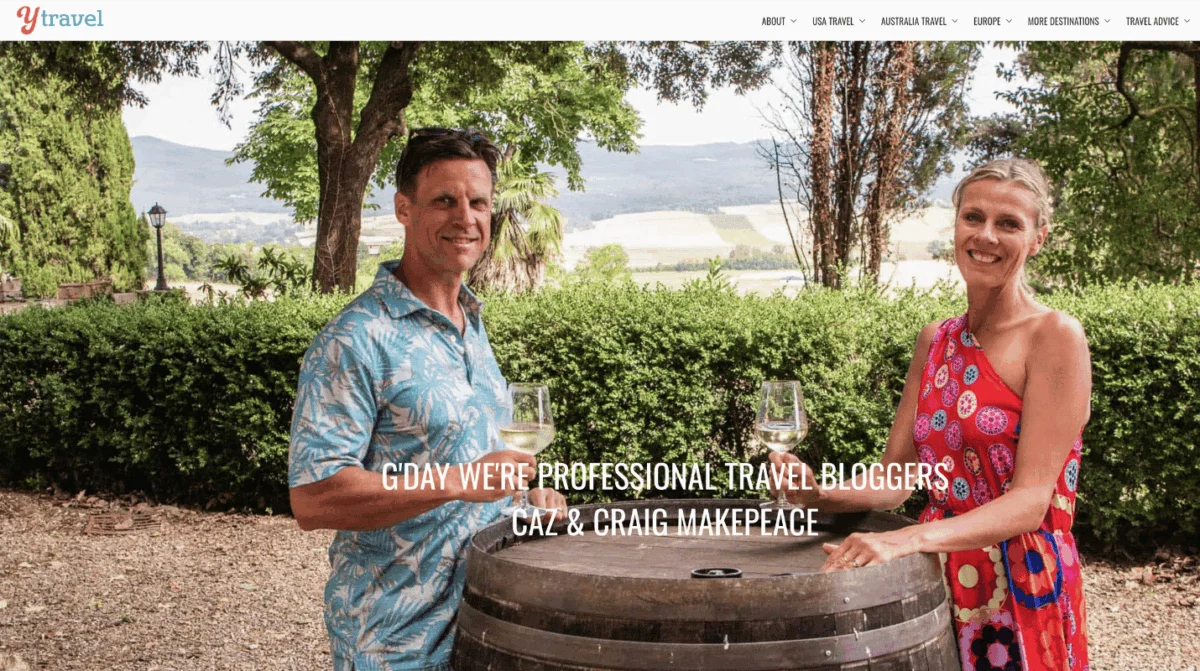
In highly visual niches such as travel, food, fashion, and lifestyle, the quality and authenticity of imagery are non-negotiable. Caz and Craig of YTravel exemplify this principle by consistently featuring gorgeous, candid, and often smiley photos of their family. Whether it’s a spontaneous snapshot from "17 Tips for Flying With Kids to Keep You Calm and Happy" or a more composed shot from "Getting Settled in the USA + Where to Next," their photographs are integral to their narrative. These aren’t merely illustrative; they are a direct window into their personal journey, inviting readers to emotionally connect with their experiences. Research consistently demonstrates that articles with relevant images receive 94% more total views than articles without. Furthermore, including personal, high-quality images can significantly boost reader engagement, as it humanizes the content and builds a stronger sense of trust and intimacy.
Lessons Learned:

- Embrace Visual Authenticity: Prioritize original, high-quality photographs that genuinely reflect your content and personal brand. Avoid generic stock photos where possible, as they dilute individuality.
- Strategic Image Placement: Integrate images thoughtfully within posts to break up text, illustrate points, and enhance the storytelling experience.
- Consistency in Style: Develop a consistent photographic style or aesthetic that becomes instantly recognizable as part of your brand. This could involve specific filters, lighting, or compositional choices.
- Humanize Your Content: For personal brands, featuring yourself or your family in images creates an immediate, relatable connection with the audience, fostering a sense of community.
2. Infusing Unique Brand Flair: Pat Flynn from Smart Passive Income
Blog: Pat Flynn
Pat Flynn’s blog immediately distinguishes itself with a bold, personality-driven presentation. Upon arrival, visitors are greeted with large text proclaiming his name and a concise, multi-faceted self-description: "father, husband, serial entrepreneur." Crucially, this is immediately followed by a touch of his distinctive humor: "protector of baby yoda." This deliberate "flair" is more than just decoration; it’s a strategic brand element that communicates his values, expertise, and approachable personality within seconds. It sets an expectation for content that is not only informative but also delivered with a unique, engaging voice. This approach capitalizes on the power of a strong first impression, signaling to potential readers what kind of relationship they can expect to build with the blogger.
Lessons Learned:

- Craft a Memorable First Impression: The "above the fold" content on your homepage is critical. Use it to immediately convey your unique selling proposition and personality.
- Define Your Brand Identity: Clearly articulate who you are and what you stand for, both professionally and personally (if appropriate for your brand).
- Strategic Use of Humor: When aligned with your brand, humor can be a powerful tool for relatability and differentiation, making your content more enjoyable and memorable.
- Beyond the Niche: While Pat Flynn is known for passive income, his personal descriptors broaden his appeal and connect with readers on a human level beyond just business.
3. Cultivating a Strong, Identifiable Tone: Shannon Kelly White
Blog: Shannon Kelly White
Shannon Kelly White’s blog is a prime example of how a strong, unapologetic tone can carve out a loyal niche, even if it’s polarizing. Her frequent and enthusiastic use of "salty language" – evident even in her tagline and navigation – immediately communicates a specific brand persona. While this approach will undoubtedly deter some readers, it profoundly resonates with others who appreciate the raw honesty and unfiltered expression. This demonstrates a conscious decision to prioritize deep connection with a specific segment of the audience over broad appeal. Her tone is not accidental; it is a deliberate and consistent manifestation of her personality, acting as a filter that attracts those who align with her authentic voice.
Lessons Learned:

- Authentic Voice is Key: Identify and embrace your natural writing voice. Trying to be someone you’re not will ultimately feel inauthentic to readers.
- Understand Your Audience: A strong tone works best when you deeply understand your target audience and what resonates with them. It’s about speaking to them, not at them.
- Strategic Polarization: Don’t be afraid to take a stance or adopt a tone that might not appeal to everyone. Niche down to cultivate a deeply engaged community.
- Consistency Across Content: Once established, maintain your tone consistently across all your content to reinforce your brand identity.
4. The Power of Custom Illustrations: Ramsey from Blog Tyrant
Blog: Blog Tyrant
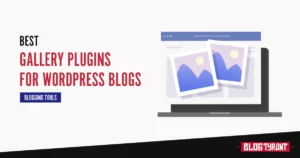
Ramsey of Blog Tyrant leverages custom illustrations to create an instantly recognizable and memorable brand identity. His "red-shirted blogging superhero" avatar is not just a logo; it’s a character that embodies the blog’s ethos. This illustration is prominently featured in the homepage banner, as well as in the feature images for many of his posts and even on the cover of his free reports. Unlike generic stock photography, a custom illustration provides a unique visual language that cannot be replicated. It transforms the abstract concept of a blog into a tangible, relatable entity, enhancing brand recall and making the content feel more distinctive and professionally curated.
Lessons Learned:

- Invest in Unique Visual Assets: Custom illustrations, mascots, or iconography can significantly differentiate your brand from competitors relying on generic visuals.
- Consistency in Visual Branding: Utilize your custom visuals consistently across your website, social media, and all marketing materials to build strong brand recognition.
- Convey Brand Message Visually: A well-designed illustration can communicate your brand’s personality, values, or even its unique approach (e.g., "superhero" implying expertise and help) at a glance.
- Enhance Memorability: Unique visual elements are more memorable than text alone, aiding in long-term brand recall.
5. Optimizing the ‘About Page’: Elsie and Emma from A Beautiful Mess
Blog: A Beautiful Mess
The "About Page" is often one of the most visited sections of a blog, serving as a critical touchpoint for new readers seeking to understand the person or team behind the content. Elsie and Emma of A Beautiful Mess master this by offering a stylish, bright, and bold photo paired with a concise yet captivating introduction. This approach quickly provides a glimpse into their personalities, their creative world, and what readers can expect from their content. A well-crafted About Page transcends a mere biography; it’s an opportunity to build rapport, share your mission, and articulate the value you offer, converting casual visitors into invested readers. Data indicates that a compelling About Page can significantly increase time spent on site and improve conversion rates for subscriptions or purchases.
Lessons Learned:

- Strategic Storytelling: Use your About Page to tell a compelling story about yourself or your brand, highlighting your journey, passions, and unique perspective.
- Visual Appeal: Include high-quality, professional photos that reflect your personality and brand aesthetic.
- Clarity of Purpose: Clearly articulate what your blog is about, who it’s for, and what value readers will gain by engaging with your content.
- Call to Connection: Encourage readers to connect further, whether through social media, email subscription, or comments, transforming a visit into an ongoing relationship.
6. Consistent Cross-Platform Branding: Chris Ducker
Blog: Chris Ducker
In today’s multi-platform digital ecosystem, consistency is paramount for building a strong and recognizable brand. Chris Ducker excels at this by maintaining a unified visual identity across all his digital touchpoints. He uses the same professional, smiling headshots on his blog post images, About page, Twitter, Facebook, and LinkedIn profiles. This deliberate consistency ensures that whether a reader encounters him on his website, a social media feed, or a professional networking site, they immediately recognize the brand. This seamless experience builds trustworthiness, reinforces professionalism, and makes the brand feel cohesive and reliable. It minimizes cognitive load for the audience and strengthens brand recall.
Lessons Learned:

- Unified Visuals: Employ consistent headshots, logos, and brand elements across all your online platforms.
- Harmonized Messaging: Ensure your brand voice and key messages are consistent wherever your audience encounters you.
- Professionalism and Trust: A consistent brand presentation signals professionalism and reliability, fostering trust with your audience.
- Enhanced Brand Recall: Repetitive exposure to a consistent brand image makes it easier for your audience to recognize and remember you.
7. Leveraging Color Psychology for Brand Identity: Jadah Sellner
Blog: Jadah Sellner
Jadah Sellner demonstrates the profound impact of a thoughtfully chosen color scheme on brand personality and user experience. Her website’s beautiful color palette instantly draws the eye, creating a cohesive and inviting aesthetic. What makes her approach particularly effective is how the colors of her personal attire in featured images often tie into the site’s overall theme. This meticulous attention to visual harmony makes everything feel seamlessly integrated, creating a subconscious sense of professionalism and a well-curated brand. Color psychology plays a significant role here, as specific hues can evoke different emotions and perceptions, shaping how visitors experience the brand.
Lessons Learned:

- Strategic Color Palette: Choose a primary color palette that aligns with your brand’s personality and the emotions you wish to evoke (e.g., warm colors for approachability, cool colors for sophistication).
- Consistency in Application: Apply your chosen colors consistently across your website design, content visuals, and even personal presentation where appropriate.
- Subconscious Branding: Understand that color can subtly communicate brand values and create a distinct mood or atmosphere for your blog.
- Visual Cohesion: Ensure all visual elements, from images to typography, work in harmony with your color scheme to create a unified and aesthetically pleasing experience.
8. Implementing a Clear Brand Statement: James Schramko from SuperFastBusiness
Blog: SuperFastBusiness
Clarity of purpose is a cornerstone of effective branding, and James Schramko of SuperFastBusiness exemplifies this with his prominent brand statement. The first thing visitors encounter on his site is a declaration of his business coaching services and a clear definition of his target audience. This immediate clarity serves several critical functions: it instantly communicates what the blog is about, what value it offers, and, crucially, for whom the content is created. This direct approach acts as an efficient filter, ensuring that the right audience quickly identifies the relevance of the site, while those not in the target demographic can move on, optimizing engagement with qualified leads.
Lessons Learned:

- Define Your Value Proposition: Clearly articulate what problem your blog solves or what unique value it provides.
- Identify Your Target Audience: Be explicit about who your content is for. This helps attract the right readers and repel the wrong ones.
- Prominent Placement: Position your brand statement strategically, often at the top of your homepage, for maximum visibility.
- Concise Communication: Craft a brand statement that is clear, concise, and impactful, avoiding jargon or ambiguity.
9. Direct Tagline and Call to Action: Kelly Exeter
Blog: Kelly Exeter
Effective communication in blogging extends beyond the content itself to how you guide your readers. Kelly Exeter demonstrates the power of a concise tagline and a direct call to action (CTA). Her approach distills the essence of her offering into a simple, formulaic statement: "(Your name) is a (what you do) who helps (your ideal reader)… (do what you offer)." This immediately informs visitors about her expertise and how she can benefit them. Crucially, she pairs this with a straightforward CTA, such as "FIND OUT HERE," which minimizes friction and encourages immediate engagement. In a fast-paced digital environment, reducing the steps to action can significantly boost conversion rates and deepen reader interaction.
Lessons Learned:

- Concise Value Proposition: Develop a tagline that quickly explains who you are, what you do, and for whom.
- Clear Call to Action: Design calls to action that are unambiguous and guide readers directly to the next desired step.
- Minimize Friction: Remove any unnecessary steps or complexities in your user journey to encourage immediate engagement.
- Action-Oriented Language: Use strong, active verbs in your CTAs to prompt readers to take action.
10. Audience Self-Identification and Community Building: Emily from Puttylike
Blog: Puttylike
Emily from Puttylike employs an ingenious strategy by defining a specific personality type – the "Multipotentialite" – and then creating a platform that allows readers to self-identify with this definition. Her TED Talk provides background context, establishing her authority and the concept. The brilliance lies in her homepage, where a quiz, "Are You a Multipotentialite?", acts as a highly engaging lead magnet. This interactive tool not only captures visitor information but also helps readers define themselves within her community, fostering a powerful sense of belonging and validation. By enabling self-discovery, she converts casual visitors into deeply loyal, repeat readers who feel understood and represented. This strategy taps into a fundamental human desire for identity and community.
Lessons Learned:

- Define Your Audience Persona (or help them define themselves): Create a clear archetype or label that your ideal readers can relate to and identify with.
- Foster Community: Build a sense of belonging around a shared identity or common interest.
- Leverage Interactive Content: Quizzes, polls, and other interactive elements are excellent for engagement, lead generation, and audience segmentation.
- Provide Value Through Self-Discovery: Offer tools or content that helps your audience understand themselves better, thereby creating a deeper connection to your brand.
Broader Implications and The Future of Blogging
The common thread weaving through these successful examples is the unwavering commitment to authenticity and intentional brand building. Personalization is not merely a superficial layer; it is a fundamental strategy for connecting with an audience on a deeper, more human level. In an era where algorithms often dictate content visibility, the ability to cultivate a loyal, engaged community through personality becomes an invaluable asset. This approach moves beyond transactional content consumption to foster relational engagement, transforming blogs into vibrant hubs where readers feel seen, heard, and understood.
The implications for bloggers are profound. By consciously infusing their platforms with personality, they can:
- Increase Reader Loyalty: Authentic connections translate into devoted readers who return consistently.
- Enhance Engagement: Content that resonates personally prompts more comments, shares, and discussions.
- Improve Brand Recall: A unique personality makes a blog memorable amidst a sea of generic content.
- Differentiate in a Crowded Market: Personality is the ultimate unique selling proposition, impossible for competitors to replicate.
- Unlock Monetization Opportunities: A highly engaged and loyal audience is more receptive to products, services, or partnerships aligned with the brand’s values.
As the digital landscape continues to evolve, the demand for genuine human connection will only intensify. Bloggers who recognize and harness the power of their unique personality are not just creating content; they are building communities, fostering movements, and establishing enduring digital legacies. The lessons from these top bloggers serve as a clear directive: to succeed in the modern blogging world, you must be more than just a content producer; you must be a distinct, memorable, and relatable personality.