The market for portable audio has reached a zenith in 2026, characterized by a sophisticated convergence of rugged hardware durability, high-fidelity sound processing, and seamless ecosystem integration. As consumer demand shifts away from static home audio systems toward versatile, go-anywhere solutions, manufacturers are increasingly tasked with balancing the competing requirements of extreme portability and premium acoustic performance. Selecting the right device in an oversaturated market requires a nuanced understanding of trade-offs, as modern speakers are no longer just passive output devices but integral components of a user’s mobile digital lifestyle.
The Evolution of Portable Audio Standards
The landscape of Bluetooth speakers in 2026 is defined by a decade of rapid iterative development. Following the mass adoption of Bluetooth 5.0 and the subsequent maturation of higher-bandwidth standards like Bluetooth 5.4, the primary barrier for portable audio—latency and compression—has been significantly mitigated. Historically, portable speakers were viewed as secondary, low-fidelity devices. Today, the integration of advanced digital signal processing (DSP), high-resolution codec support, and ruggedized materials has redefined the category.
Market data from the current fiscal year suggests that the portable audio sector continues to outpace traditional home theater growth, driven by an uptick in outdoor leisure activities and the rising popularity of "lifestyle" audio. Consumers are no longer willing to sacrifice audio fidelity for convenience, pushing brands like JBL, Bose, and Sonos to implement professional-grade components into form factors small enough to fit into a standard backpack.
Premium Performance and Design Analysis
JBL Charge 6: The Standard for Versatility
The JBL Charge 6 remains a cornerstone of the portable market, representing the current pinnacle of the brand’s mid-sized output strategy. Featuring a robust 34Wh internal battery and the proprietary "Playtime Boost" feature, the Charge 6 is engineered for endurance. However, technical reviews underscore the importance of volume management; the device’s acoustic profile is highly dependent on power output, with performance dipping at lower decibel levels. While the lack of an included USB-C cable in the retail packaging has drawn criticism from value-conscious consumers, the device’s IP68 rating—signifying complete protection against dust and prolonged immersion in water—positions it as an industry leader for beach and pool environments.
Bose SoundLink Flex (2nd Gen) and SoundLink Plus
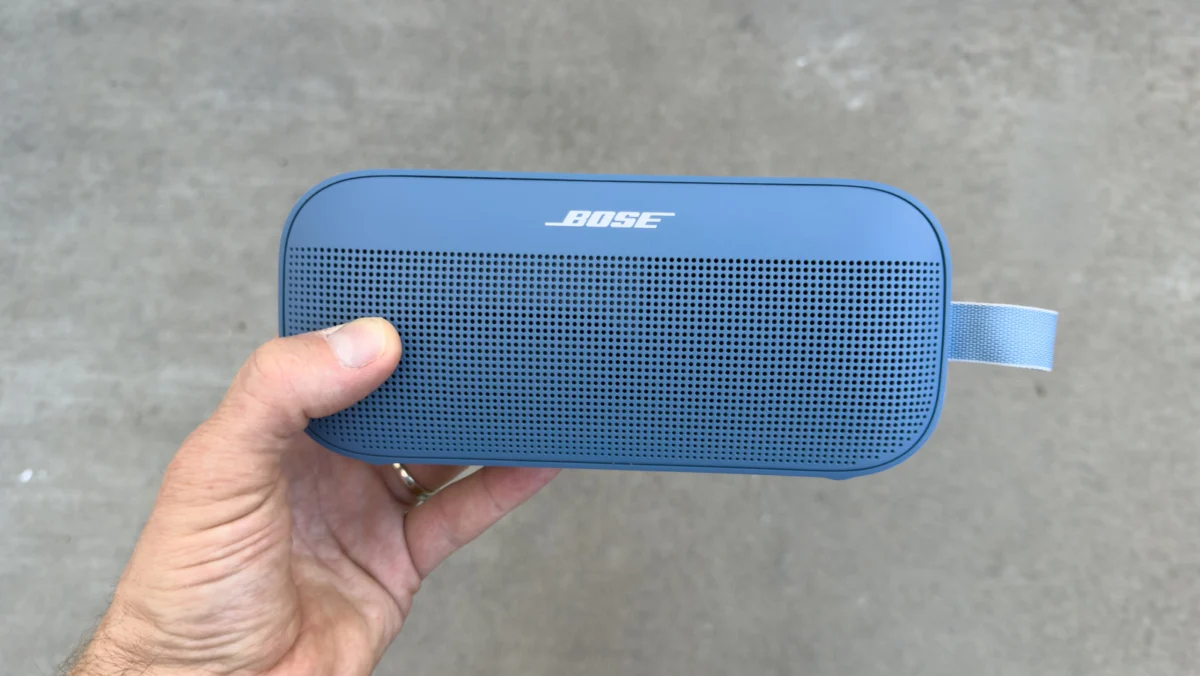
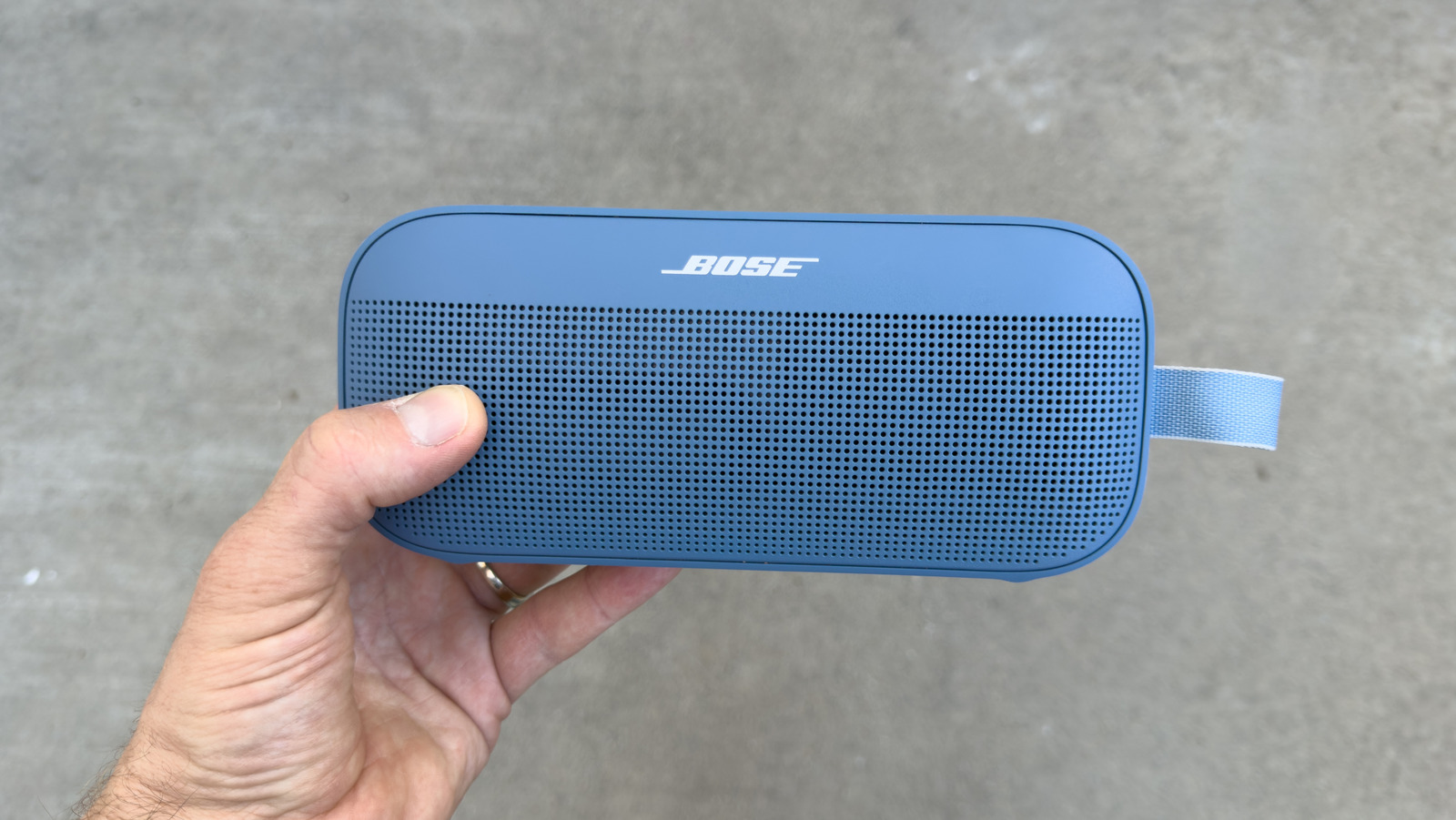
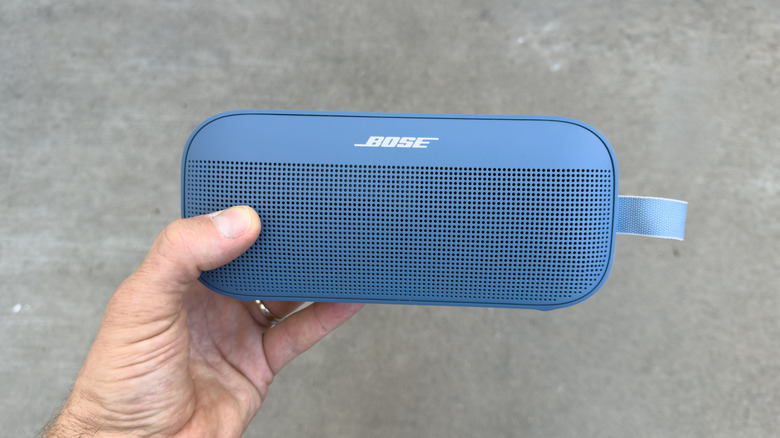
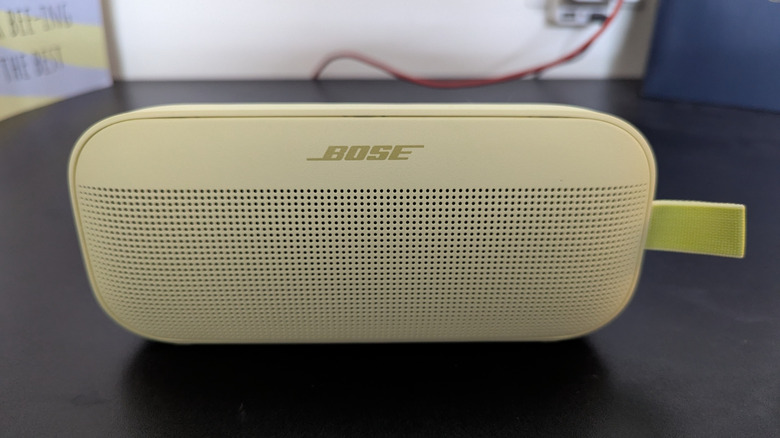
Bose continues to leverage its reputation for balanced, natural audio signatures. The SoundLink Flex (2nd Gen) is a masterclass in ergonomics, featuring a design that permits orientation in any direction. Despite its compact footprint, it offers a frequency response that defies its size. However, the reliance on the legacy Bluetooth 4.2 protocol in a market now dominated by 5.3 and 5.4 standards is a notable technical drawback that limits range and efficiency. Conversely, the Bose SoundLink Plus serves as a more robust sibling, adopting Bluetooth 5.4 and support for high-end codecs like aptX Adaptive. While it offers superior clarity, the extended charging time—clocking in at approximately five hours—remains a point of contention for users expecting modern rapid-charge capabilities.
Sony ULT Field 5: Power at a Price
Sony’s entry into the high-output portable market, the ULT Field 5, challenges the traditional definition of "portable." Weighing over seven pounds, it occupies a specialized niche for users who prioritize raw acoustic pressure over lightweight convenience. Its inclusion of a 3.5mm auxiliary input and the ability to function as a mobile power bank through its USB-C port adds significant value for extended off-grid use. From a technical standpoint, the device excels in low-frequency reproduction, though audiophile critiques point to a slight thinness in high-frequency output that prevents it from being a perfect, all-around solution.
Ruggedization and Industrial Design
For the outdoor-centric demographic, the market has shifted toward materials that withstand environmental stressors. Brands like Turtlebox have carved out a dominant position by focusing on build quality that borders on industrial-grade. The Turtlebox Ranger and the smaller Cub model utilize corrosion-resistant stainless steel and reinforced ABS plastics to ensure longevity in harsh conditions.
The primary trade-off for this extreme durability is the absence of modern software-based customization. These devices lack companion applications for EQ adjustments, forcing users to rely on the factory-tuned acoustic profile. While this may alienate tech-savvy users who prefer granular control, it appeals to those who prioritize "set-it-and-forget-it" reliability. The inclusion of magnetic mounting points and integrated tie-down anchors demonstrates a shift toward functional, real-world utility over purely aesthetic design choices.
Budget-Friendly Innovation: Anker and Tribit
The lower price tier has seen the most dramatic improvement in quality-to-price ratios in 2026. The Anker Soundcore Boom 2 stands out for its integration of visual elements, such as synchronized LED lighting and active radiators, which provide a sensory experience typically reserved for premium tiers. By offering a robust companion app with comprehensive EQ controls, Anker has successfully democratized high-end audio tuning.
Tribit, with its StormBox Micro 3, has focused on the "ultra-portable" segment. By optimizing internal acoustics to provide a soundstage that exceeds the device’s physical dimensions, Tribit has captured a significant portion of the entry-level market. The inclusion of a 45-meter wireless range is particularly impressive, ensuring that connectivity remains stable even in expansive outdoor settings.
The Apple-Beats Ecosystem Integration
The 2024 iteration of the Beats Pill, which remains a top-tier choice in 2026, highlights the power of ecosystem synergy. For Apple users, the device offers near-instantaneous pairing, deep integration with the "Find My" network, and seamless system-level controls. This level of software optimization is becoming the new benchmark for audio hardware. By providing parity for Android users through a dedicated application, the brand has avoided the "walled garden" trap, ensuring that the device remains accessible while still offering a "premium" software experience for its primary user base.
Strategic Implications for the Audio Market
The current state of the Bluetooth speaker market reflects a broader technological trend: the normalization of high-fidelity mobile audio. As consumers demand higher bitrates and longer battery life, manufacturers are forced to invest heavily in battery management technology and internal component miniaturization.
The reliance on USB-C as the standard for both power and, in some cases, high-resolution wired audio, signals a shift toward professional-grade standards. However, the industry faces a challenge regarding the environmental impact of these devices. With the high turnover rate of consumer electronics, the focus on IP67/IP68 durability is a positive development, as it inherently extends the lifespan of the hardware by protecting it from the elements.
Methodology and Selection Criteria
The selection of these top-tier devices is based on an exhaustive review of data from leading audio and technology publications, including, but not limited to, CNET, PCMag, Wired, and TechRadar. To maintain objectivity, only devices maintaining a minimum review score of 80% (or equivalent) across at least three independent, reputable sources have been included. This methodology ensures that the recommendations are not merely reflective of market trends, but are grounded in empirical, long-term testing, including stress tests on battery longevity, water resistance, and audio distortion at peak volume levels. As the audio landscape continues to evolve, these devices remain the benchmarks against which all future portable Bluetooth technology will be measured.