The digital landscape has evolved into a high-speed environment where the average user spends less than 15 seconds on a webpage before deciding whether to stay or navigate away. Within this competitive ecosystem, the blog post title serves as the primary gatekeeper for content consumption. Data from various marketing analytics firms consistently suggest that while a headline may only consist of a handful of words, it is the most critical component of a digital publication’s success. It acts as the anchor for search engine optimization (SEO), the hook for social media engagement, and the deciding factor for RSS feed subscribers.
The Anatomy of Digital Visibility
For many content creators, the title is often an afterthought, relegated to the final seconds of the drafting process. However, industry experts and professional copywriters argue that this oversight is a fundamental error in digital strategy. A headline is the public-facing identity of a piece of content. Whether it appears in a Google search results page (SERP), a curated newsletter, or a social media feed, the title is frequently the only information a potential reader processes before clicking.

If a headline is vague, overly complex, or fails to communicate value, the subsequent content—regardless of its quality or depth—will likely remain unread. The objective, as famously articulated by advertising pioneer David Ogilvy, is to create a gateway. In his seminal work, Ogilvy on Advertising, he posits that the primary function of a headline is to entice the reader to engage with the first sentence of the body text. When a headline succeeds, it creates a psychological bridge between the reader’s search intent and the writer’s solution.
The Psychology of Engagement
To understand the efficacy of headlines, one must look at the psychological triggers that drive clicks. Studies in human behavior indicate that readers are most compelled by headlines that promise a tangible benefit, pique curiosity through controversy, or utilize direct, personalized address.
The following eight strategies have been identified by digital strategists as the most effective methods for maximizing content reach:

- Explicit Benefit Communication: Readers prioritize content that offers a clear solution to a specific problem. Headlines that start with "How to" or offer a listicle format, such as "10 Ways to Solve X," provide an immediate expectation of utility. By explicitly stating what a reader will gain, the publisher removes the friction of uncertainty.
- The Strategic Use of Controversy: While risky, headers that challenge the status quo or invite debate often generate high engagement levels. This strategy requires the subsequent content to be robust, as it relies on the audience’s desire to participate in a larger, often polarized, discourse.
- The Interrogative Hook: Posing a question in a title triggers an innate cognitive need for closure. When a headline asks "Are you doing X wrong?" or "What is the future of Y?", the reader is incentivized to read the article to find the answer.
- Personalization and Direct Address: Incorporating the word "you" or "your" creates a sense of intimacy and targeted relevance. This shifts the focus from the writer to the reader’s specific context, making the content feel personalized rather than generic.
- SEO-Driven Keyword Optimization: A headline is the most significant signal to search engines regarding the content’s subject matter. Placing high-volume, relevant keywords at the beginning of a title can significantly improve organic search rankings. Products, industry-specific terminology, and company names remain the most potent SEO drivers.
- The Power of Emotional Lexicon: Certain words are statistically proven to elicit stronger responses than others. Words like "Essential," "Proven," "Secret," and "Critical" function as psychological triggers. However, practitioners must use these with caution; excessive use can lead to skepticism and negatively impact credibility if the content does not meet the "power" level promised.
- The "Big Claim" Approach: This technique involves making a bold promise or a high-value guarantee. While this is an effective method to capture attention, it carries the highest risk of reader attrition. If the content fails to deliver on the scale of the promise, the publisher loses trust, which is difficult to rebuild.
- Humorous and Creative Framing: A witty or unexpected title can differentiate a piece of content in a crowded feed. However, humor is subjective and culturally dependent. When successful, it builds brand personality; when it fails, it can confuse the reader or obscure the topic entirely.
Technical Constraints and Best Practices
Beyond the psychological elements of copywriting, technical constraints play a major role in headline performance. Search engines typically truncate titles that exceed 60 to 65 characters in length. Consequently, the most important information must always appear in the first few words to ensure it remains visible in the search results.
Furthermore, there is an ongoing debate regarding punctuation. Modern copywriting standards generally discourage the use of periods or full stops in titles. The consensus is that a period creates a visual "stop" that interrupts the reader’s flow, whereas omitting it encourages the eye to transition seamlessly into the introductory paragraph.
Industry Implications and Data-Driven Results
The impact of these title-crafting strategies is measurable. A/B testing, a common practice in digital publishing, often reveals that changing a single word in a headline can result in a 20% to 50% variance in click-through rates (CTR). Data from content marketing platforms suggest that posts with high-performance headlines generate significantly more backlinks and social media shares, which are primary factors in determining long-term SEO authority.
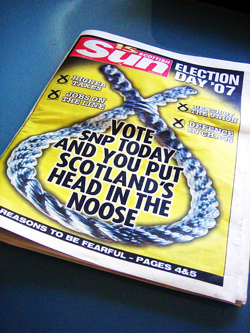
A chronological review of content performance shows that the transition from long-form, descriptive titles to benefit-oriented, concise headlines coincided with the rise of the mobile-first web. As screen sizes shrunk, the demand for "scannable" information forced writers to condense their value proposition into the brief window provided by a title.
Strategic Conclusion for Content Creators
The process of drafting a headline should be treated with the same analytical rigor as the drafting of the article itself. It is a mistake to view the title as a mere label; it is a strategic asset. By investing time into refining these few words—by identifying the core benefit, selecting the appropriate emotional hook, and ensuring technical optimization—content creators can drastically alter the trajectory of their work.
Ultimately, the most successful digital publications are those that treat every headline as an opportunity to bridge the gap between information and the reader’s specific needs. Whether through the directness of a "How-to" guide or the intellectual engagement of a well-posed question, the headline remains the single most important factor in ensuring that content does not languish in archives, but instead gains the traction required to thrive in the modern internet ecosystem. As the digital landscape continues to saturate with information, the ability to craft compelling titles will remain a defining skill for effective communication.