The modern cost of seasonal festivities has surged, with a single bag of fun-size candy now retailing between $5 and $10. For a host, a single bag is often consumed within minutes, making it an unsustainable benchmark for large gatherings. As inflation continues to impact grocery prices, consumers are increasingly seeking methods to host holiday events that balance aesthetic appeal with fiscal responsibility. By utilizing pantry staples, leveraging post-holiday clearance cycles, and prioritizing bulk ingredients, hosts can curate a high-impact menu that significantly outperforms the value of pre-packaged confectionery.
Economic Context and Consumer Behavior
Recent data from consumer market analysts suggests that household spending on holiday gatherings has seen a consistent upward trend. With food-at-home costs rising, the "experience economy" has shifted toward DIY solutions. Hosting a party is no longer just about the food; it is about the presentation. The recipes outlined here provide a framework for creating festive, visually striking treats that minimize overhead while maximizing guest satisfaction. The following analysis of 17 low-cost, high-yield treats highlights how strategic shopping and preparation can mitigate the "takeout tax" and the rising cost of pre-packaged goods.
The Foundation of Frugal Hosting
Successful event planning relies on a core pantry of versatile ingredients. By purchasing candy melting wafers, mini marshmallows, pretzels, chocolate chips, and candy eyeballs in bulk, hosts can produce multiple recipes from a single shopping trip. Furthermore, the practice of purchasing non-perishable decorations and baking supplies in the immediate aftermath of Halloween—when retailers often offer deep discounts to clear shelf space—is a foundational strategy for long-term savings.
Culinary Countdown: From Value to Variety
The Beverages and Savory Anchors
At the top of the value hierarchy is Witches’ Brew Punch. By combining lime sherbet, lemon-lime soda, and pineapple juice, a host can produce approximately 40 servings for an estimated $8 to $12. This serves as an efficient alternative to individual drink portions. To elevate the presentation, the inclusion of dry ice for a fog effect remains a cost-effective way to create a high-production atmosphere. Similarly, Mini Mummy Pizzas—using English muffins, sauce, and string cheese—provide a filling, savory option that serves as a dinner substitute, preventing the need for more expensive takeout orders.
The Sweet and Spooky Alternatives
The spectrum of homemade treats ranges from labor-intensive snacks to "zero-cooking" options:
- Monster Munch Snack Mix: By combining cereal squares with chocolate, peanut butter, and colored candy-coated chocolates, hosts can create a high-volume snack that feeds a large crowd for roughly $10 to $13.
- Pumpkin Patch Brownies: Utilizing boxed brownie mixes as a base is a standard industry practice for efficiency. The perceived value is created through the decoration of cookie "dirt" and candy pumpkins, which elevates a low-cost base into a thematic centerpiece.
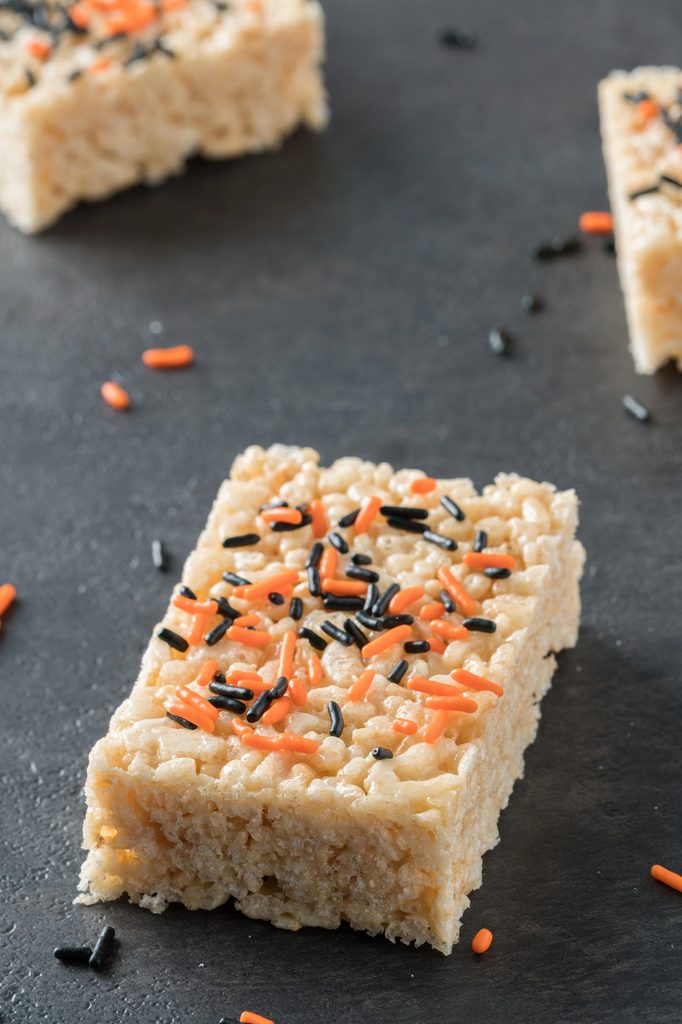
- Monster Crispy Rice Treats: By dyeing standard marshmallow-cereal bars green or purple and adding candy eyeballs, hosts can mimic high-end bakery aesthetic for less than $8 per batch.
- Spiderweb Chocolate Bark: This item requires only dark and white chocolate. By piping circles and using a toothpick to drag the lines, the creator achieves a professional look with minimal hands-on time, costing under $9 for a full sheet.
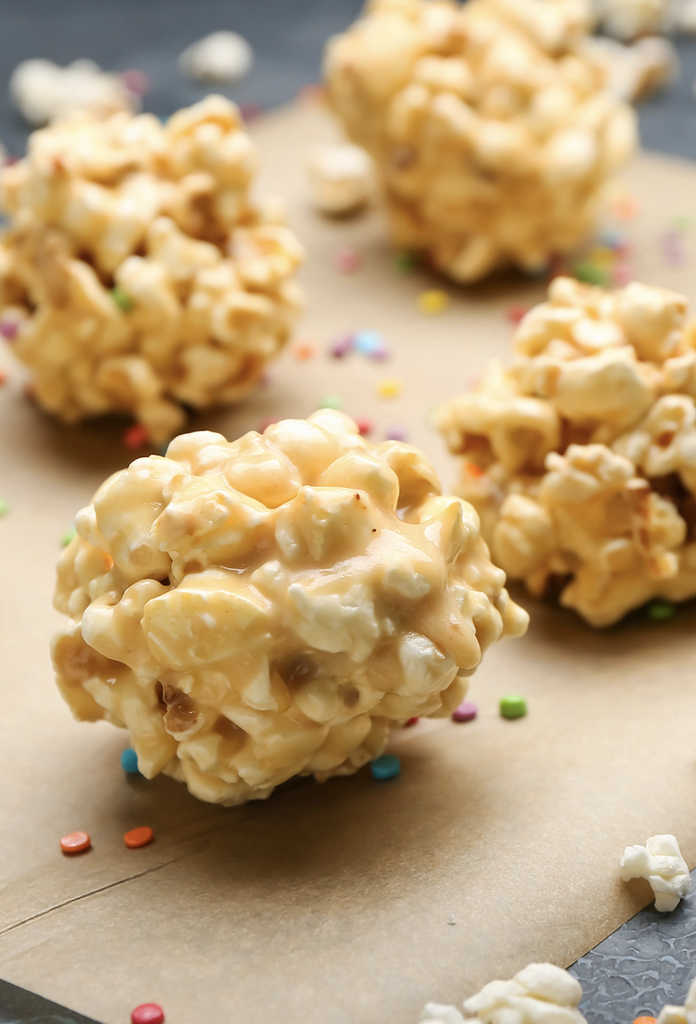
- Orange Popcorn Balls: Utilizing stove-top popped kernels rather than pre-packaged microwave bags provides a significant reduction in cost per serving.
Analysis of Diminishing Returns: The Caramel Apple Warning
Not all classic treats yield a high return on investment. Caramel apples serve as an important case study in culinary economics. While perceived as a budget-friendly staple, the reality involves significant hidden costs, including the price of fresh apples, high-quality caramel, and specialized packaging. Furthermore, the high failure rate—whereby the coating slides off waxy, store-bought apples—often results in the necessity of purchasing ingredients twice. For those aiming to maintain a budget, slicing the apples into rounds and drizzling the caramel is the superior, more efficient alternative.
Leveraging Ingredients and Reducing Waste
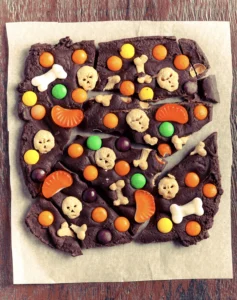
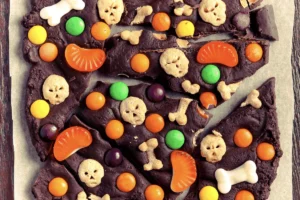
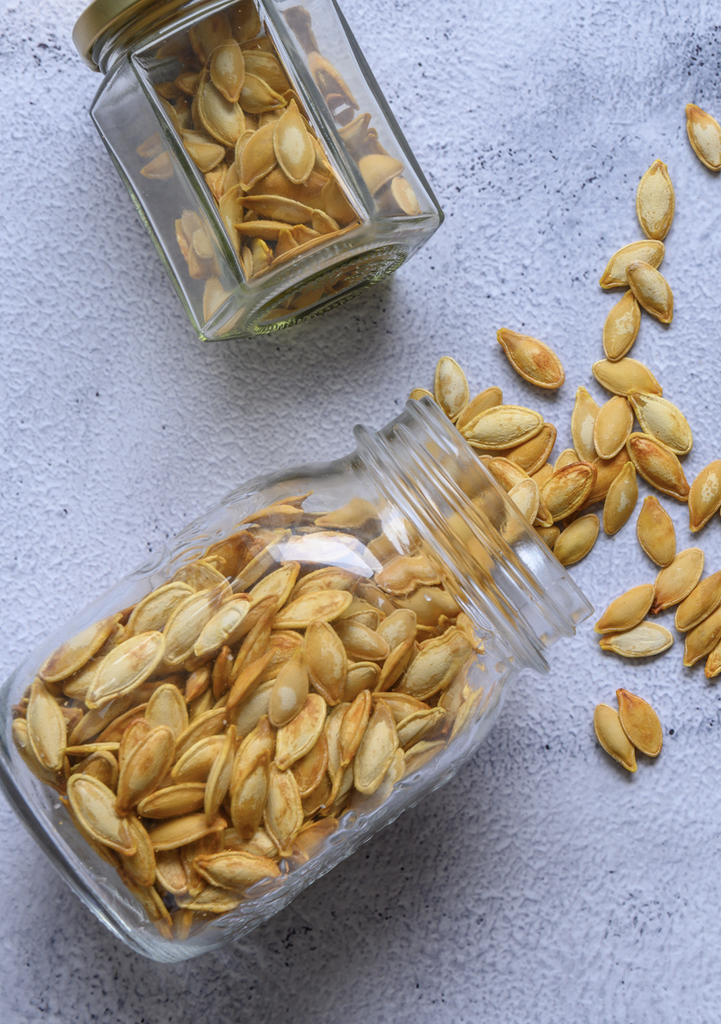
A recurring theme in efficient party planning is the utilization of leftovers. Roasted pumpkin seeds, for instance, are essentially a zero-cost byproduct of carving jack-o’-lanterns. By seasoning and roasting them, hosts convert waste into a high-value snack. Similarly, Monster Bark—a "clean-out-the-pantry" recipe—allows hosts to repurpose broken pretzels, leftover candy, and various sweets into a final, coherent product. This minimizes waste, which remains a primary driver of household budget leaks.
The Role of Presentation in Perceived Value
The psychological impact of a party is largely driven by presentation rather than the cost of individual ingredients. Pretzel Rod Wands, for example, cost between $7 and $10 for two dozen units, including favor bags. When tied with a ribbon, these items function as both a treat and a party favor, negating the need for expensive, store-bought gift bags. The wrapping and arrangement do the heavy lifting, proving that an investment in aesthetics often yields a higher perceived value than the cost of the ingredients would suggest.
Chronological Execution for Optimal Quality
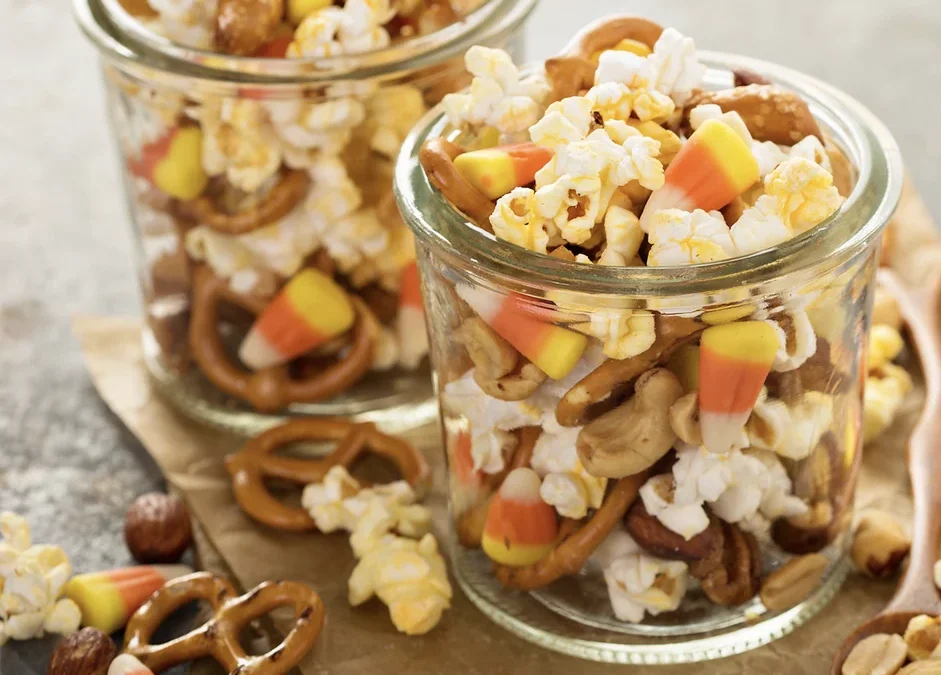
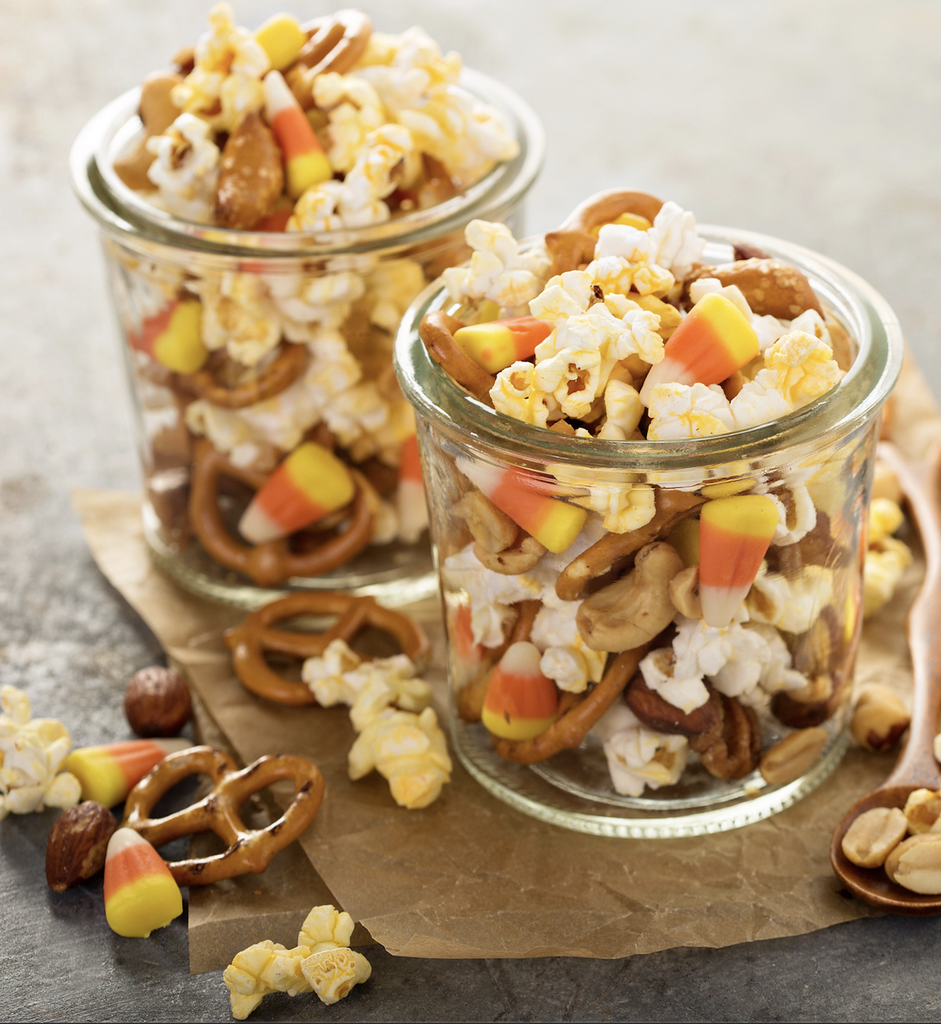
Timing is critical when managing food costs and quality. For instance, the popcorn in the Candy Corn Trail Mix should be added immediately before serving to prevent staleness. Likewise, the Witches’ Brew Punch must be assembled only when guests are present to maintain the integrity of the foaming reaction. By organizing the preparation timeline to prioritize items that do not require refrigeration or immediate consumption, hosts can reduce stress and ensure that the food remains at its peak quality.

Broader Implications for Household Budgeting
The "Budget Math" used in these recipes is applicable well beyond the Halloween season. By rejecting the convenience of pre-packaged goods and warehouse-club bulk purchases that exceed consumption needs, families can reclaim a significant portion of their grocery budget. The transition to DIY hosting is not merely a cost-saving measure; it is a shift toward intentional consumption.
Industry experts often point out that the traditions children remember most vividly are rarely those with the highest price tags. Whether it is the visual appeal of a mummy-shaped hot dog or the interactive nature of a DIY snack bowl, the value is derived from the effort and the experience. As the holiday season approaches, these strategies offer a template for maintaining high standards of hospitality while operating within realistic, modern economic constraints.

Final Recommendations for the Host
- Inventory First: Before shopping, assess existing pantry items such as flour, sugar, salt, and spices.
- Strategic Purchasing: Buy seasonal decorations and baking supplies in the post-holiday clearance aisle for use in the following year.
- Prioritize Presentation: Invest in simple, inexpensive items like cellophane bags, ribbon, or creative plating to enhance the perceived value of low-cost foods.
- Batch Processing: Prepare items like cookies or bark in advance to avoid the time-crunch of the event day, which often leads to expensive, last-minute convenience purchases.
- Audit the Takeout Tax: Consider the cost of one missed delivery order or one less trip to a specialty bakery; this "avoided cost" should be factored into the success of the party budget.
By applying these principles, hosts can create an environment that feels indulgent and festive without the financial strain often associated with large-scale event planning. The objective is to shift the focus from the price of the individual ingredient to the cumulative experience provided to guests, ultimately proving that creativity is the most valuable commodity in the modern kitchen.