
The modern landscape of consumer relations has fundamentally shifted away from traditional telephone queues and lengthy email threads toward the dynamic, fast-paced environment of social media networks. Social media customer service—the practice of offering support and resolving inquiries through platforms such as Facebook, Instagram, TikTok, WhatsApp, X, and LinkedIn—has evolved from a secondary marketing experiment into a primary business imperative. According to recent industry statistics, approximately 75.1% of consumers now prefer to message businesses through the same channels they use to communicate with friends and family, highlighting an irrevocable change in consumer communication habits.

This evolution requires organizations to rethink how they manage public perception, operational efficiency, and customer loyalty. As consumer expectations for rapid, friction-free assistance continue to accelerate, industry analysts project that self-service and live chat technologies will surpass traditional phone and email channels as the leading customer service mediums. To navigate this transformation, businesses are increasingly deploying a combination of reactive support, proactive social listening, and advanced artificial intelligence to meet modern demands.
The Dual Nature of Modern Social Support: Reactive Versus Proactive Strategies

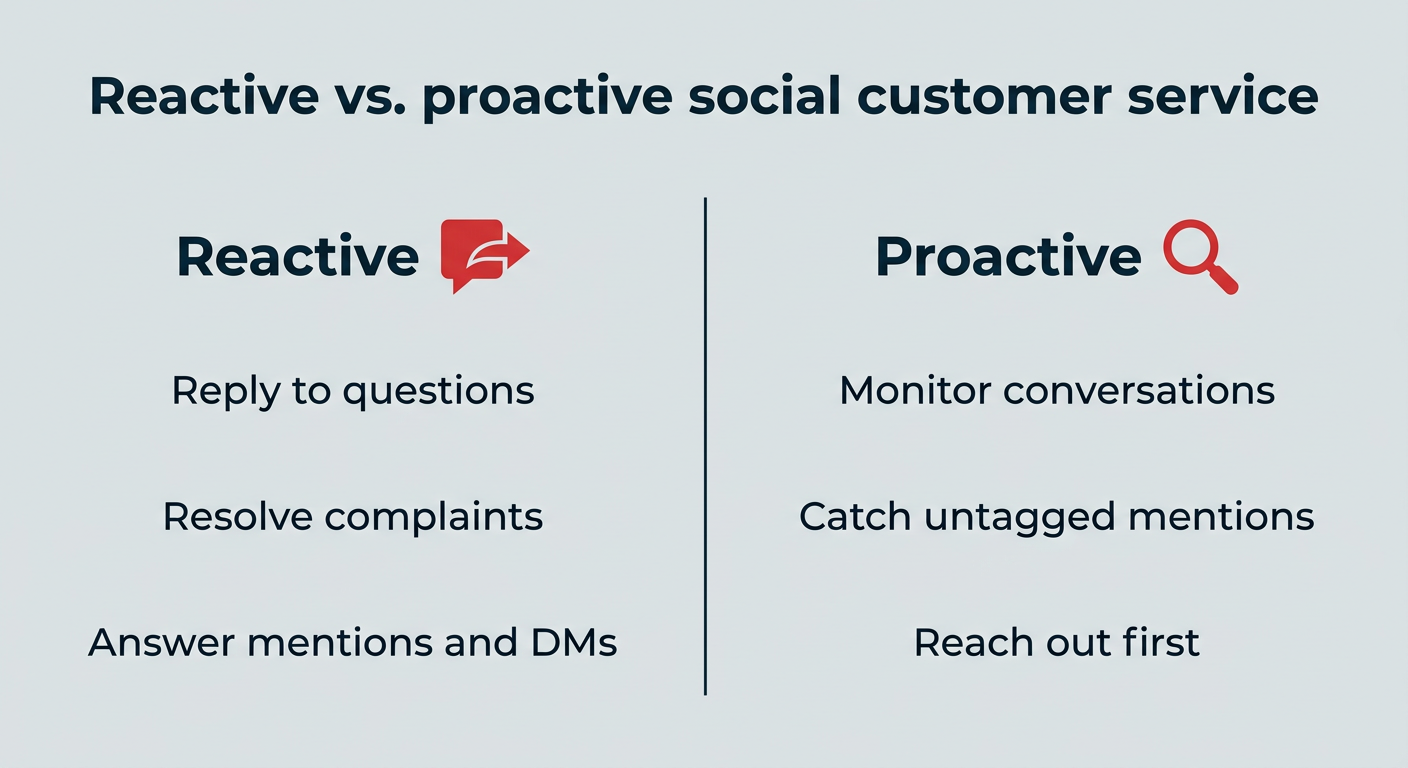
Effective social media customer care operates on two distinct fronts: reactive and proactive. Reactive support involves addressing incoming questions, public complaints, and direct messages directed explicitly at a brand’s official handles. This traditional mode of customer service requires swift intervention to defuse frustration, correct errors, and maintain public brand equity.
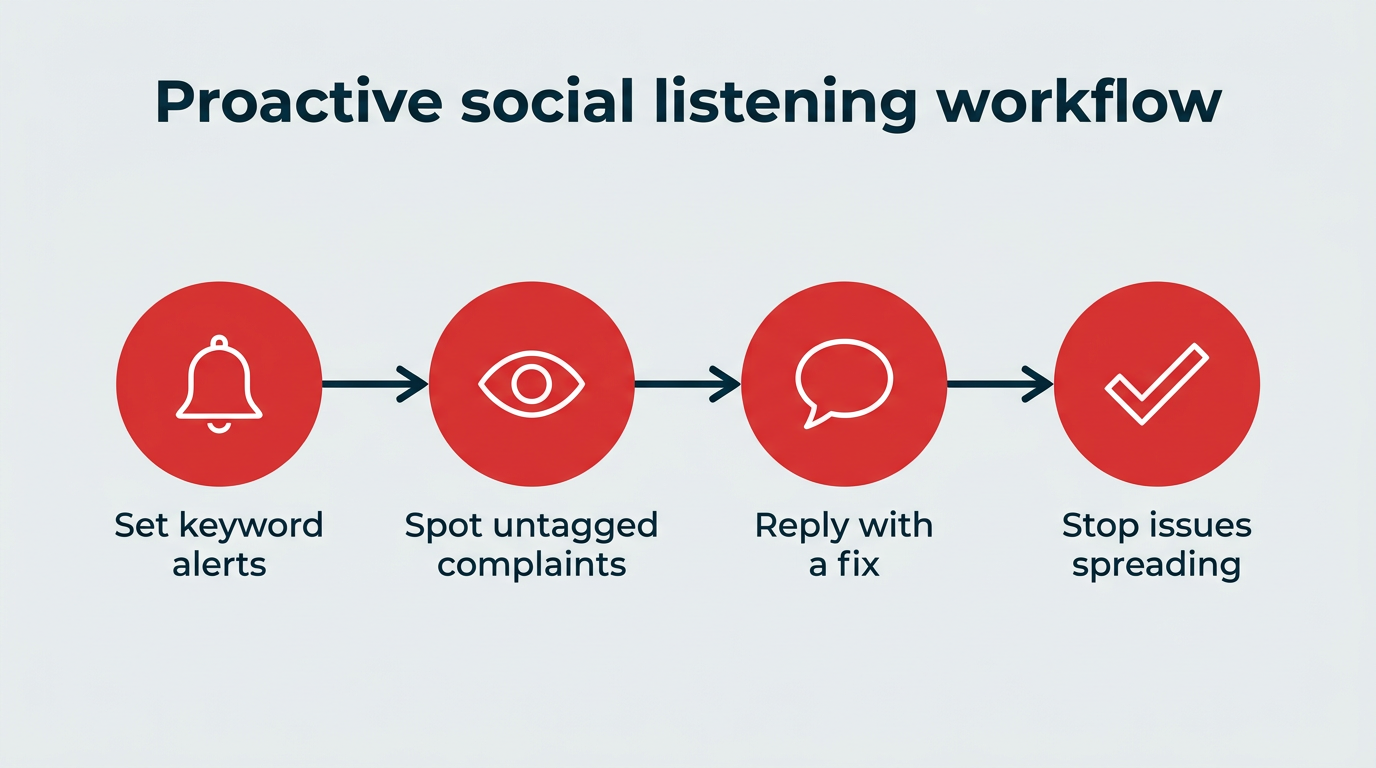
Conversely, proactive social customer care shifts the paradigm by utilizing social listening tools to monitor broader online conversations and reach out to consumers before their dissatisfaction escalates. Many frustrated customers post grievances—such as delayed shipments or malfunctioning products—without tagging the company’s official account or even misspelling the brand name entirely. By deploying keyword alerts and advanced monitoring software, brands can intercept these untagged complaints in real time, offering immediate remediation and preventing isolated issues from snowballing into public relations crises.
Furthermore, industry research underscores the tangible financial benefits of modernizing customer support frameworks. Studies from major advisory firms indicate that companies integrating generative intelligence into customer-facing initiatives can achieve up to 25% higher revenue growth over a five-year period compared to organizations that focus solely on internal productivity gains.
The Economic and Strategic Value of Social Customer Care

Integrating customer service into social media strategy yields multiple compounding advantages for enterprises, ranging from enhanced brand trust to reduced operational costs. When executed effectively, public support replies serve a dual purpose: they resolve an individual consumer’s issue while simultaneously demonstrating the company’s problem-solving ethos to every other user viewing the thread. This visibility contributes significantly to brand perception and customer acquisition, with some B2B marketing data indicating that social channels outperform traditional digital ads and email marketing in generating qualified leads.
Efficiency represents another critical driver for this shift. Unlike traditional phone support, where a human agent is locked into a single conversation at a time, modern social media workflows allow skilled representatives to manage multiple asynchronous dialogues simultaneously. Coupled with automated chatbots capable of filtering routine inquiries, support teams can handle substantially higher ticket volumes without necessitating a corresponding expansion in headcount.

Moreover, responsive engagement directly influences algorithmic visibility. On platforms like Instagram, past interactions heavily dictate content reach; regular engagement between a brand and its audience ensures that subsequent organic posts appear more frequently in followers’ feeds.
Ownership Models: Bridging Marketing and Support
As organizations scale their social support operations, determining organizational ownership remains a critical strategic decision. Most enterprise-level teams adopt a hybrid model wherein marketing and customer support departments share responsibility. This collaborative approach preserves a consistent brand voice while leveraging specialized resolution tracking and established escalation paths.
Three primary ownership models dictate how businesses structure these teams:
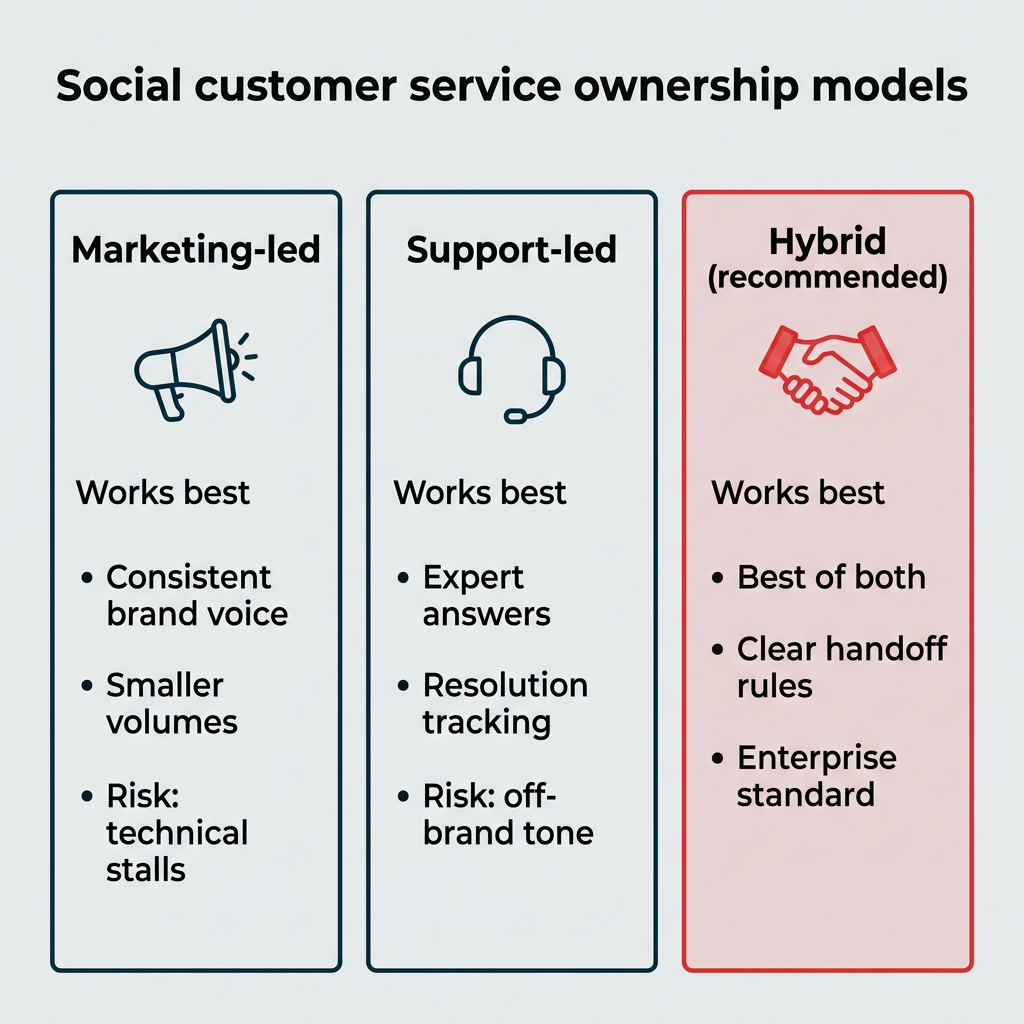
- Marketing-Led: Focuses heavily on brand tone and community engagement, though it may occasionally lack the technical depth required for complex product troubleshooting.
- Support-Led: Prioritizes rapid resolution times and deep technical knowledge, but risks sounding overly corporate or detached from the platform’s native cultural nuances.
- Hybrid Model: Combines the brand-building strengths of marketing with the rigorous problem-solving capabilities of support, facilitated by shared workspaces, unified inboxes, and clear internal protocols.
Implementing this hybrid approach requires centralized tools that allow both departments to view ongoing threads without duplicating efforts or sending conflicting messages to the consumer.
Best Practices for Scaling Social Customer Service Operations
To maintain high standards of customer satisfaction amidst high message volumes, industry leaders recommend adhering to established operational best practices:
- Prioritize Rapid Response Times: With a vast majority of consumers expecting immediate interactions upon contacting a company, establishing an average response window of under one hour has become the baseline standard. Unified inbox solutions allow teams to consolidate comments and direct messages across multiple platforms into a single interface for efficient triage.
- Leverage Social Listening for Proactive Intervention: Monitoring keywords, common misspellings, and sentiment indicators enables brands to address friction points before they escalate. This data-driven approach also feeds valuable product insights back into research and development teams.
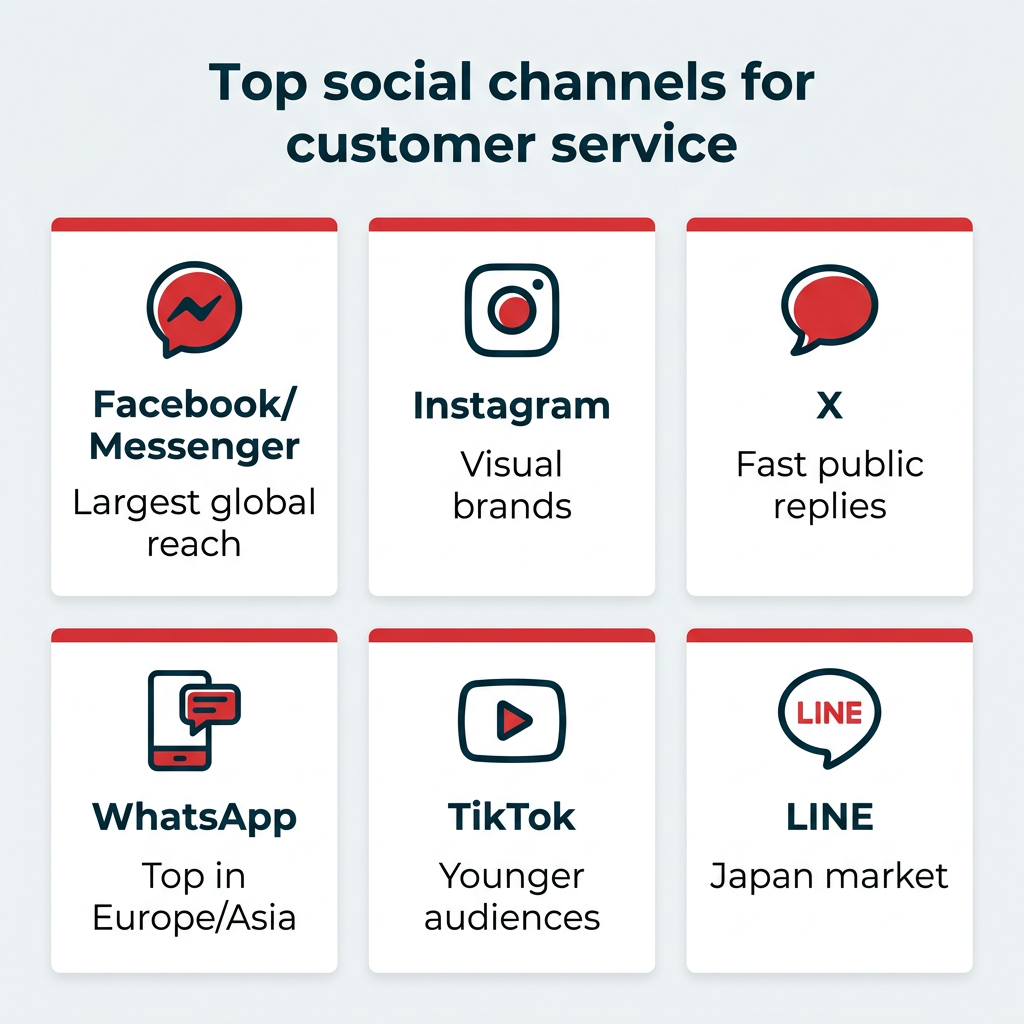
- Establish Dedicated Support Channels: High-volume brands frequently deploy secondary handles—such as dedicated help accounts on X—to segregate technical support inquiries from general marketing content, streamlining the user experience.
- Personalize Every Interaction: While templates provide operational speed, successful agents customize responses by referencing specific order details, names, and unique circumstances rather than relying on generic policy statements.
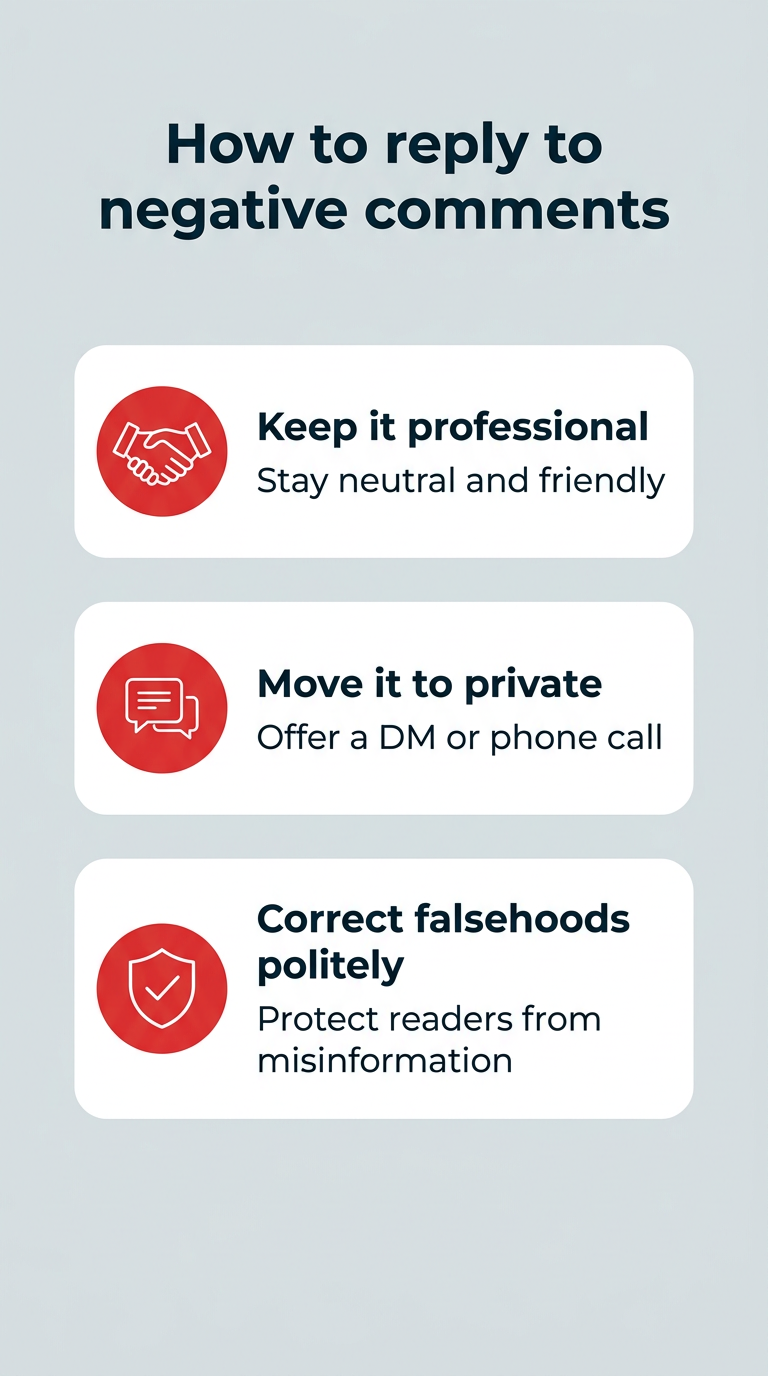
- Address Negative Feedback Professionally: Swift, empathetic handling of criticism can convert disgruntled buyers into loyal brand advocates. Conversely, ignoring legitimate complaints or mishandling public disputes can severely damage long-term corporate reputation.
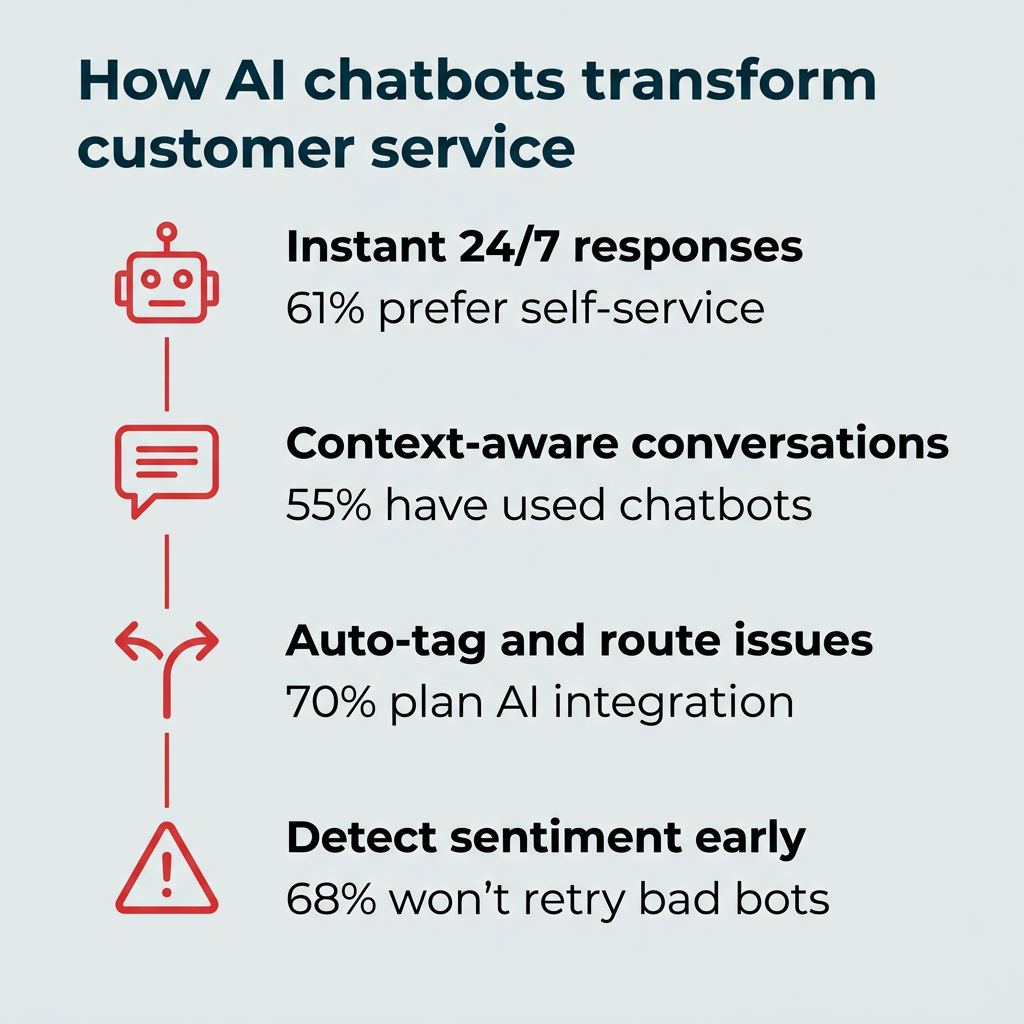
- Integrate Artificial Intelligence and Chatbots: Modern GenAI chatbots retain conversational context, handle routine FAQs around the clock, and intelligently route complex issues to human agents, balancing speed with personalized care.
Industry Case Studies and Practical Applications
Several global enterprises demonstrate how distinct approaches to social customer service can yield measurable operational success. Chewy, the online pet retailer, has built widespread brand loyalty by providing highly personalized responses that reference specific pet names and order histories, encouraging customers to voluntarily share these positive interactions online. Similarly, JetBlue utilizes X as a high-speed frontline support channel, providing rapid public resolutions for travelers experiencing flight disruptions. Meanwhile, brands like Adobe utilize proactive social listening to identify untagged technical complaints, resolving software crashes before they impact user retention.
Measuring Success: Key Performance Indicators
Evaluating the efficacy of social customer care requires tracking metrics that extend beyond traditional vanity metrics like follower counts and likes. Essential Key Performance Indicators (KPIs) include:
- Average Response Time: Measuring the duration a customer waits for an initial reply.
- Customer Satisfaction Score (CSAT): Quantifying consumer sentiment following a resolved interaction.
- Net Promoter Score (NPS): Assessing long-term brand advocacy and loyalty.
- Resolution Rate: Determining the percentage of inbound inquiries successfully addressed by the support framework.
By establishing rigorous internal baselines and continuously analyzing these metrics against business outcomes, organizations can substantiate the direct ROI of their social customer service investments. As artificial intelligence and unified communication platforms continue to mature, the boundary between marketing, sales, and support will continue to dissolve, cementing social channels as the definitive front door for consumer-brand relationships.