The rapid evolution of artificial intelligence in corporate environments has fundamentally reshaped digital strategy, prompting marketing teams to move beyond basic generative content toward deeply integrated, data-driven workflows. Claude marketing plugins have emerged as essential assets for organizations seeking to scale operations without sacrificing brand identity or accuracy. According to recent data from the 2026 State of Marketing Report, 80% of marketing professionals now utilize artificial intelligence for content creation, while 67% report saving at least ten hours per week through workflow automation. However, as generative tools become ubiquitous, the competitive advantage no longer lies in sheer volume, but in how seamlessly AI models connect with foundational business data.
The modern landscape of Claude extensions encompasses a diverse ecosystem ranging from CRM connectors and native Anthropic plugins to reusable brand guidelines, analytics tools, and publishing interfaces. This comprehensive overview examines the leading Claude marketing extensions available in 2026, evaluating their functional capabilities, implementation protocols, and impact on modern marketing operations.
Understanding Claude Marketing Plugins, Connectors, and Architecture

To effectively deploy AI within a marketing stack, organizations must first understand the structural differences among Anthropic’s ecosystem components. A Claude marketing plugin is an installable package that bundles specific skills, connectors, slash commands, and subagents into a unified deployment. This transforms the base model into a specialized assistant tailored for distinct roles or team workflows.
Conversely, a connector serves a more singular purpose by establishing a secure bridge between Claude and an external tool or data repository. Meanwhile, software integrations represent a broader industry term for cross-platform data exchange. Within Claude’s unified discovery interface, users on paid Pro, Max, Team, and Enterprise plans can access a centralized Customize menu to locate marketplace plugins, build custom skills, and manage third-party authorizations.
The functional scope of these extensions spans the entire marketing lifecycle. From campaign planning and content generation to performance analytics and asset design, plugins reduce manual intervention by encoding repetitive instructions directly into the AI’s operational framework.
Comparative Analysis of the Best Claude Marketing Plugins and Connectors for Teams

Selecting the appropriate Claude extension requires evaluating specific team bottlenecks, data requirements, and existing software infrastructures. Leading options address distinct facets of contemporary marketing operations.
The HubSpot Connector for Claude
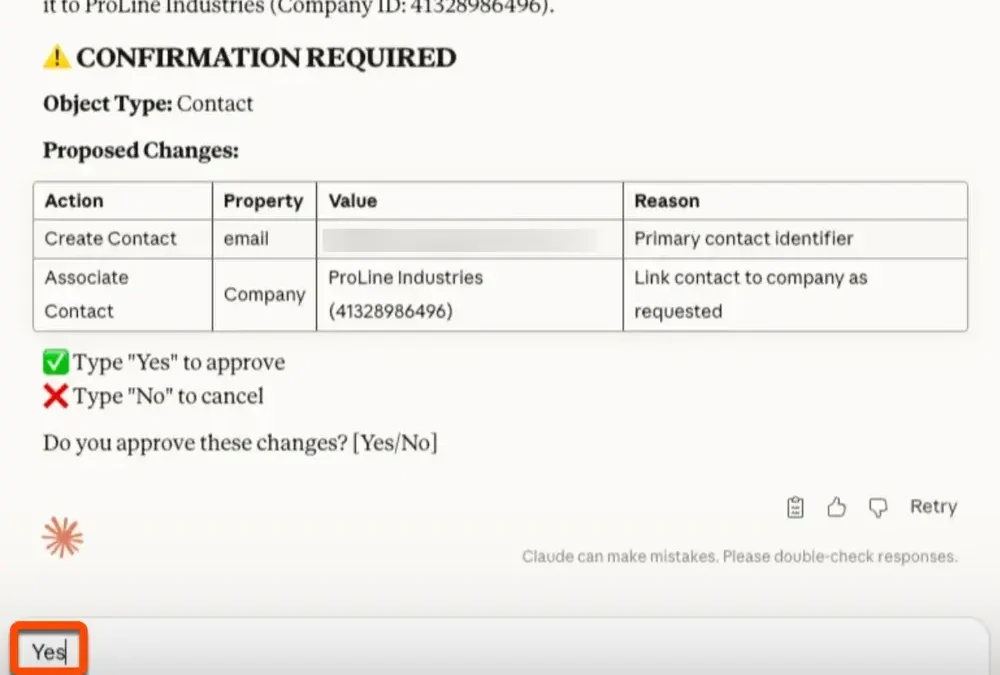
Designed specifically for teams whose operations rely heavily on customer relationship management data, the HubSpot connector for Claude represents a major milestone as the first native CRM connector for Anthropic’s model. By bringing HubSpot customer context directly into Claude conversations, the tool enables plain-language queries, automated data visualizations, and multi-step actions. According to Karen Ng, Executive Vice President and Head of Product at HubSpot, the integration grounds AI responses in real-time business context rather than generic assumptions. The connector interfaces securely with HubSpot Smart CRM, enabling users to analyze lifecycle-stage progression, evaluate campaign patterns, and review marketing email performance. Crucially, it supports authorized write actions—allowing Claude to draft marketing emails, create landing pages, and establish new campaigns—while requiring human approval for all updates to mitigate operational risk.
Anthropic’s Marketing Plugin for Content and Campaigns
For teams managing recurring editorial calendars and multi-channel campaigns, Anthropic’s native Marketing plugin offers a structured environment to standardize output. By pre-loading audience profiles, channel mix specifications, and historical campaign materials, teams eliminate the need to repeatedly input foundational context. This ensures that recurring tasks, such as brief generation or promotional sequencing, adhere strictly to pre-defined strategic frameworks.
Brand Voice and Style Guide Skills
As generative output scales across organizations, maintaining a distinct corporate tone remains a critical challenge. HubSpot’s 2026 data indicates that 63% of marketers believe authentic, human-centered content is vital for market differentiation, while 61% emphasize the importance of brand point of view. Brand voice skills package approved terminology, messaging pillars, visual standards, and negative constraints into reusable system instructions. This ensures that creative execution remains anchored to corporate identity across all generated assets.

Design, Prototyping, and Analytics Add-Ons
To bridge the gap between ideation and production, specialized design and analytics connectors enable Claude to assist with early creative concepts and performance reporting. Tools such as the Claude Design plugin support UX writing and design-system management, allowing marketers to generate landing page wireframes and route them directly to systems like HubSpot as editable drafts. Similarly, analytics connectors bridge quantitative reporting gaps, enabling operations teams to synthesize complex performance metrics into stakeholder-ready summaries without manual data transcription.
Step-by-Step Implementation: Connecting Claude to Enterprise CRM Systems
Deploying advanced integrations such as the HubSpot connector for Claude requires strict adherence to administrative protocols and security standards. Because these systems handle sensitive corporate and customer data, deployment typically follows a structured authorization sequence governed by organizational super administrators.
Prerequisites and Permissions
Before initiating a connection, organizations must verify active subscriptions to both platforms, including a paid Anthropic plan (Pro, Max, Team, or Enterprise) and a compatible HubSpot edition. System administrators retain ultimate control over data access permissions, determining which user groups are authorized to install and execute the connector. Standard security protocols dictate that sensitive data properties are restricted, and in environments where strict data privacy settings are enforced, engagement data remains isolated.

Deployment Protocol
- Navigate to the integrations or connectors marketplace within the primary administrative dashboard.
- Authorize the secure API handshake between the CRM environment and the Claude workspace.
- Define user-level access permissions, ensuring that write-action settings are explicitly configured to "Needs Approval" mode.
- Test the connection using isolated queries or single-record analyses before rolling out the tool across broader departmental teams.
By enforcing mandatory human approval checkpoints for all CRM updates and customer-facing drafts, enterprises successfully insulate themselves against compliance violations and brand misalignment.
High-Impact Use Cases for Marketing Operations
Organizations adopting Claude marketing extensions typically experience the greatest return on investment when applying the technology to structured, repeatable workflows characterized by clear inputs and measurable outputs.

Responsible Personalization at Scale
While 93% of marketers acknowledge that personalization significantly improves conversion rates, only 13% currently execute hyper-personalization strategies due to operational complexity. Claude plugins streamline this process by analyzing authorized first-party data and applying rigid audience segmentation rules. Marketers can generate tailored web copy and lifecycle email variants that reflect genuine customer behaviors, provided that all generated output undergoes standard editorial review prior to deployment.
Accelerated Stakeholder Reporting
Marketing operations teams frequently spend disproportionate amounts of time compiling metrics from disparate dashboards. By utilizing direct CRM and analytics connectors, Claude can ingest performance datasets, generate comparative data visualizations, and draft executive summaries in minutes. This shifts the marketer’s role from data aggregation to strategic interpretation and decision-making.
Agentic Task Coordination and Custom Workflows
Advanced technical teams can extend Claude’s capabilities using custom scripts, subagents, and Model Context Protocol (MCP) integrations. Growth marketing units leveraging frameworks like Claude Code gain granular control over automation pipelines, allowing them to coordinate multi-step operational tasks across internal databases and communication platforms.
Measuring Performance and Iterating for Success

To justify the integration of AI tools into the corporate marketing stack, leadership must implement a rigorous evaluation framework that measures both operational efficiency and business impact. Relying solely on output volume as a metric of success is misleading; true ROI is determined by time saved and quality of outcome.
Organizations should establish baseline metrics prior to deployment, recording average production cycles and conversion rates for legacy workflows. By tagging Claude-assisted assets within dedicated campaign categories, teams can track downstream performance indicators—such as traffic, lead generation, pipeline velocity, and attributable revenue—over a 30-day evaluation window. Frequent analytical reviews, supported by multi-touch attribution reporting, enable marketing leaders to continuously refine their AI integrations, ensuring that technological adoption directly translates into measurable commercial growth.