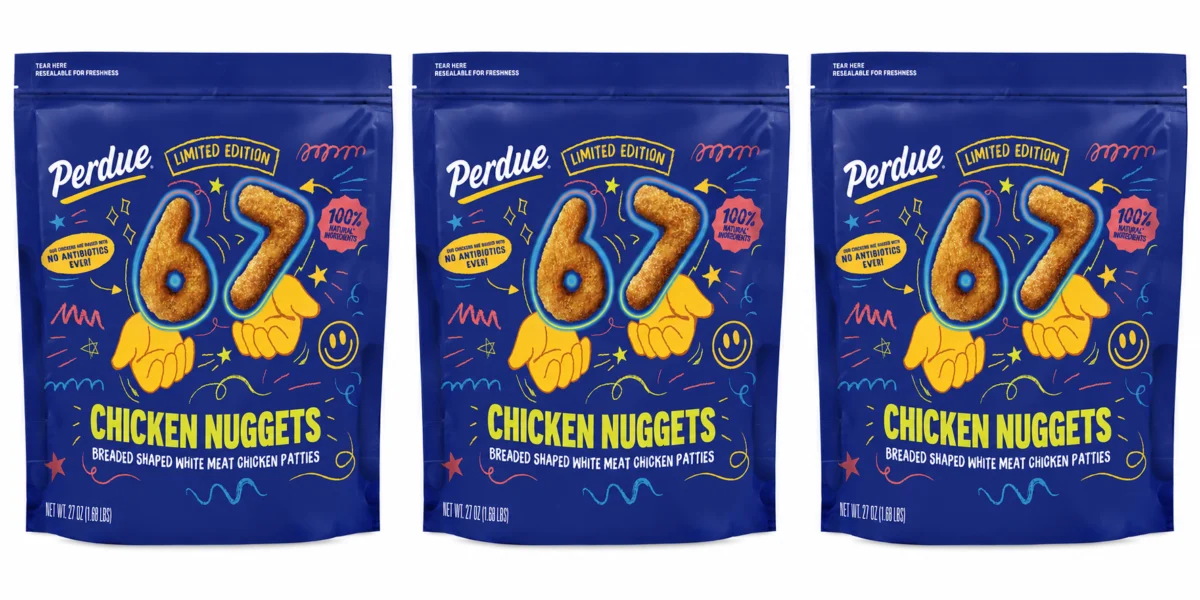
In an era where digital trends fluctuate with the speed of a scrolling thumb, legacy brands often find themselves caught in a precarious balancing act between maintaining traditional values and chasing viral relevance. Perdue Foods, a century-old staple of the American poultry industry, recently navigated this divide by leaning directly into the "cringe" of internet culture. By launching a limited-edition line of chicken nuggets shaped like the numbers "6" and "7," the company intentionally embraced a meme that had already passed its peak, defying standard marketing logic to achieve record-breaking engagement. What began as a self-described "marketing stunt" has since evolved into a case study on the power of self-awareness, audience pivot strategies, and the monetization of cultural fatigue.
The Genesis of a Calculated Risk
The decision to produce the "6 7" nuggets was not born from a misunderstanding of internet timelines, but rather from a deliberate choice to subvert them. The "6 7" meme, which saw a meteoric rise among younger demographics—particularly Gen Alpha and Gen Z—reached its peak cultural saturation in October 2025. By the time Perdue Foods finalized its product development and prepared for a spring 2026 launch, Google Trends data indicated that interest in the term had plummeted. In the fast-paced world of social media, being six months late to a trend is often considered a death knell for brand credibility.
However, Perdue’s marketing leadership, headed by Senior Vice President of Marketing, Digital, and E-commerce Chris Perdue, recognized a different opportunity. Chris Perdue, the great-grandson of company founder Arthur Perdue, acknowledged that the company was fully aware of the "cringe" factor. In the opening line of the official press release, the company leaned into the awkwardness, signaling to the public that they were in on the joke. This transparency served as a preemptive strike against the mockery that typically follows when a corporate entity attempts to mimic youth culture too late.
Chronology of the Campaign and Retail Rollout
The timeline of the "6 7" campaign illustrates a rapid transition from digital observation to physical product manufacturing. Following the meme’s peak in late 2025, Perdue’s internal teams began conceptualizing a product that could bridge the gap between the dinner table and the smartphone screen.
In April 2026, Perdue Foods officially announced the rollout of the limited-edition nuggets. The shapes—the numbers 6 and 7—referenced the ubiquitous phrase that had dominated TikTok and YouTube shorts for months. The announcement was met with a mixture of amusement and bewilderment, which the brand further fueled through its social media channels.
On May 1, 2026, the product launched exclusively at Walmart stores nationwide. The partnership with Walmart was strategic, ensuring that the product would be accessible to the company’s primary demographic: suburban parents and families. Prior to the retail launch, Perdue hosted a digital giveaway that required participants to provide their contact information for a chance to receive the nuggets early. This giveaway became the most successful in the company’s history, with over 24,000 entries. By mid-May, Walmart reported that the limited-edition stock was nearing a total sellout, prompting discussions about the future of trend-based food products.
Strategic Pivot: Marketing to the Parent, Not the Child
One of the most significant factors in the campaign’s success was the decision to pivot the target audience. While the "6 7" meme was a phenomenon among children, Perdue recognized that children do not hold the purchasing power in the household. Instead of trying to convince kids that Perdue was "cool," the campaign focused on the parents who were exhausted by the trend.
The marketing materials utilized a "rescue" narrative. Billboards and digital advertisements suggested that the nuggets could provide parents with "6 to 7 minutes of silence" while their children were occupied with eating the meme-themed food. On the company’s official website, the product was marketed as a way to "rescue dinner—and your sanity."
By positioning the product as a tool for parental relief rather than a genuine attempt to be "hip," Perdue successfully navigated the generational divide. This approach allowed the brand to capitalize on the trend’s ubiquity while acknowledging the annoyance it often caused for adults. Chris Perdue noted that by "flipping the script," the brand allowed parents to take the driver’s seat, effectively turning the trend into a shared household experience rather than a siloed digital one.
By the Numbers: Data and Performance Metrics
The performance of the "6 7" nugget campaign exceeded nearly all internal projections for a non-revenue-focused marketing stunt. In an industry where "earned media" is the gold standard for brand health, Perdue achieved figures typically reserved for major product overhauls or national sporting event sponsorships.
According to data released by the company, the campaign generated:
- 4 Billion Impressions: A massive reach facilitated by a combination of social media shares, news coverage, and influencer reactions.
- 250+ Media Placements: The story was picked up by national news outlets, marketing trade publications, and lifestyle blogs, providing a level of visibility that traditional advertising spend rarely achieves.
- 24,000+ First-Party Data Points: The giveaway provided Perdue with a significant database of names, emails, and addresses, which are invaluable for future direct-to-consumer marketing efforts.
- Record Participation Rate: The engagement rate for this specific giveaway was the highest in Perdue’s 106-year history.
These metrics suggest that "cringe marketing," when executed with high levels of self-awareness, can be a highly efficient vehicle for brand awareness. The campaign did not rely on a massive traditional media buy; instead, it relied on the organic velocity of the internet’s reaction to a legacy brand doing something unexpected.
The Role of Self-Awareness in Corporate Communications
A critical component of the campaign’s success was the tone adopted by Perdue’s leadership. Chris Perdue’s personal involvement on platforms like LinkedIn added a layer of authenticity to the project. By describing the campaign as "self-aware" and stating that "cringe has never been so crispy," he signaled to the business community that Perdue was not out of touch, but rather highly calculated.
This level of self-deprecating humor is a relatively new tool for legacy CPG (Consumer Packaged Goods) companies. Historically, brands like Perdue have focused on themes of heritage, quality, and family values. While those themes remained present in the "6 7" campaign—specifically the focus on "rescuing dinner"—the delivery was modernized. The official press release even invited consumers to "take the fun out of the phrase" by eating it, a move that resonated with people who felt the meme had been overplayed.
Broader Implications for the Food and Beverage Industry
The success of the "6 7" nuggets signals a shift in how food manufacturers view product development. Traditionally, creating a new nugget shape would involve a lengthy process of market research, manufacturing adjustments, and long-term retail commitments. However, the Perdue campaign suggests there is a growing market for "disposable products"—items that are designed to exist for a brief window of time to capture a cultural moment.
This "fast-fashion" approach to food allows brands to stay relevant in a fragmented media landscape. It also highlights the importance of "future-proofing" messaging. As Chris Perdue explained, the company knew they would be late to the trend, so they built that lateness into the marketing strategy. This proactive approach to potential criticism is a strategy that other legacy brands are likely to emulate.
Furthermore, the campaign underscores the importance of participating in general cultural trends, not just industry-specific ones. For decades, Perdue focused its innovation on flavor profiles, packaging efficiency, and organic certifications. While those remain the backbone of the business, the "6 7" campaign demonstrated that participating in the broader cultural conversation can provide a unique type of brand equity that product quality alone cannot achieve.
Conclusion and Future Outlook
As the final boxes of "6 7" nuggets disappear from Walmart shelves, the impact on Perdue Farms appears to be lasting. The company has indicated that this experiment has "opened their eyes" to the potential of culture-driven product launches. Chris Perdue has confirmed that the marketplace can expect more products of this nature in the near future, suggesting that the company is developing a more agile pipeline for trend-based innovation.
The "6 7" campaign serves as a reminder that in the modern marketing environment, being "cool" is often less valuable than being "real." By admitting they were late, acknowledging the cringe, and focusing on the actual needs of the person buying the groceries, Perdue Foods transformed a potential PR disaster into a resounding victory. The lesson for other heritage brands is clear: don’t fear the meme; instead, find a way to make it serve the brand’s core objectives. Whether through humor, silence, or simply a crispy nugget, there is always a way to enter the "dinner chat."