You did not imagine it: that snack from your childhood really does taste different today, and the discrepancy is rarely just a case of an evolving adult palate. Over the past four decades, the global food industry has undergone a quiet but seismic shift in how iconic snacks are formulated, manufactured, and distributed. Driven by a confluence of rising commodity costs, evolving regulatory landscapes, and the pursuit of extended shelf life, manufacturers have systematically altered the chemical architecture of the products lining grocery store shelves. While packaging often remains identical to the designs of the 1980s or 1990s, the contents inside have been fundamentally rewritten.

The Anatomy of Reformulation: A Chronology of Change
The trend toward product modification gained significant momentum in the late 1990s and accelerated through the 2010s. This was largely a response to the "trans-fat crackdown" and subsequent health-conscious labeling requirements. In 2006, the U.S. Food and Drug Administration (FDA) mandated that food labels explicitly list trans-fat content. This triggered a massive, industry-wide scramble to replace partially hydrogenated oils with more stable—and often cheaper—alternatives like palm oil or interesterified vegetable fats.

This shift was not merely about health; it was about the bottom line. By 2010, the cost of raw ingredients like cocoa butter, dairy fats, and cane sugar had become volatile. To maintain price points for consumer staples, manufacturers began substituting premium fats with synthetic stabilizers, modified starches, and corn-syrup solids. These ingredients are designed to be shelf-stable for months in room-temperature warehouses, a stark contrast to the original, more perishable recipes of the mid-20th century.

Category-Specific Analysis: From Wafers to Puffs
The transformation is most evident when examining specific snack categories. Chocolate-covered wafer bars, once defined by the snap and richness of real cocoa butter, have largely drifted toward compound coatings. These coatings utilize palm and other tropical vegetable fats, which possess different melting points. Consequently, these bars no longer melt on the tongue with the same silky consistency, often leaving a waxy aftertaste—a common consumer complaint.

Similarly, the "cheese" snacks that dominated the 1990s have seen significant volatility in their seasoning blends. Industry data suggests that when dairy commodity prices spike, manufacturers frequently adjust the ratio of real cheddar solids to cheese-flavored powders and artificial colorants. This explains why a bag of cheese puffs might taste notably different depending on the fiscal quarter in which it was produced.

The Role of Regulatory and Environmental Pressures
Regulatory environments have also forced the hand of global food conglomerates. In the European Union, stricter regulations regarding artificial dyes (such as Red 40 or Yellow 5) have forced companies to move toward natural colorings derived from beets, carrots, or paprika. While these changes represent a move toward "cleaner" labels, they inevitably shift the flavor profile and visual appeal of the products.

Environmental concerns have also played a decisive role, particularly regarding palm oil. As supply chains came under scrutiny in the mid-2010s, manufacturers were forced to either source more expensive, sustainably certified palm oil or pivot to different lipid profiles entirely. Each of these pivots requires a rebalancing of the recipe to ensure the product doesn’t separate or become rancid during its extended transit time.
The Psychophysics of Nostalgia vs. Reality
While ingredient swaps are scientifically documented, the "nostalgia factor" remains a psychological component of the debate. Food scientists suggest that taste is tied to olfactory memory, which is the strongest sense related to memory retrieval. When a consumer eats a snack they haven’t touched in twenty years, they are comparing the current product to a "gold standard" version stored in their mind.
However, blind taste tests conducted by industry researchers often reveal a more complex truth. In many cases, participants can indeed identify a difference between original and reformulated versions, confirming that the change is physical, not just emotional. Yet, in other instances, when the ingredient change is subtle—such as a 2% shift in sugar content—the consumer’s perceived "loss of flavor" is actually a result of the brain’s inability to reconcile the current experience with the idealized memory.

Official Responses and Industry Trends
Most manufacturers are reticent to announce these changes, fearing backlash from a loyal customer base. When questioned, companies typically cite "consumer demand for improved nutritional profiles" or "supply chain optimization" as the primary drivers. Rarely does a company issue a press release stating that a product has been reformulated to reduce manufacturing costs.

The result is a phenomenon known as "shrinkflation" in its most insidious form. While the physical size of the product may remain the same, the quality of the ingredients has been incrementally downgraded over decades. This creates a "flavor drift," where the product slowly loses its distinctiveness, becoming more homogenous across the entire snack aisle.

The Broader Economic Implications
The implications of these changes extend beyond the snack drawer. They reflect a broader shift in the global economy: the transition from high-quality, perishable goods to highly processed, durable commodities. This shift has enabled global distribution and stabilized prices for decades, but at the cost of the unique sensory experiences that defined mid-century food culture.

For the modern consumer, this highlights the necessity of reading ingredient labels with a critical eye. The presence of "modified food starch," "hydrogenated vegetable oils," and "natural flavors" (a catch-all term for laboratory-developed additives) serves as a roadmap of the changes that have occurred since the product’s inception.
Conclusion: The Future of Processed Food
The pattern of quiet, cost-driven substitution is unlikely to reverse. As global supply chains face increasing pressure from climate change, geopolitical instability, and labor costs, the drive to optimize shelf life and ingredient costs will only intensify.
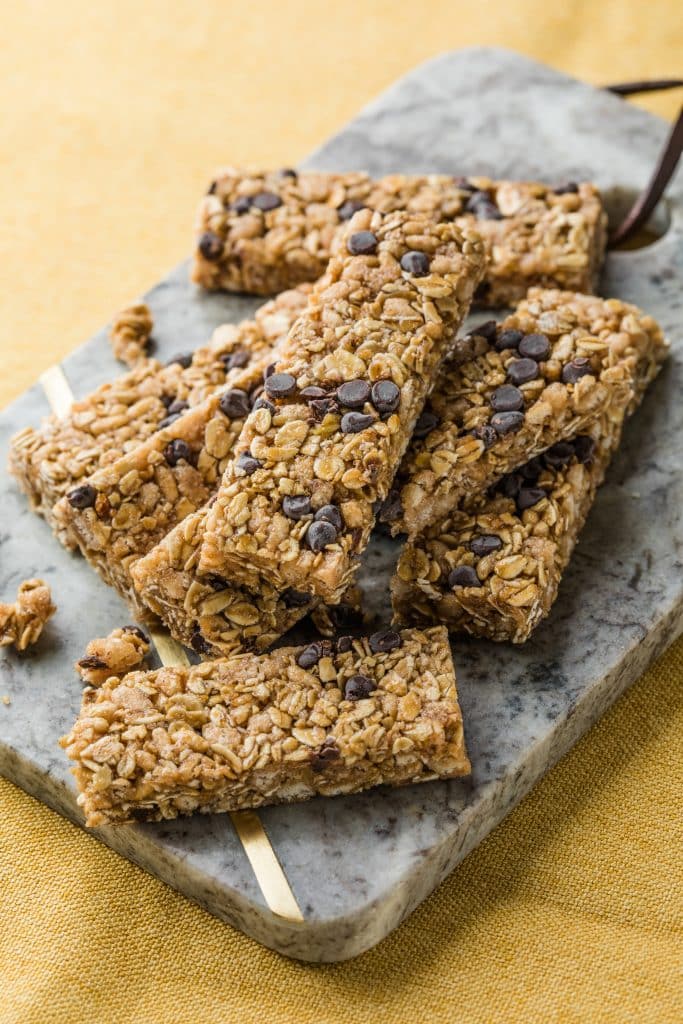
For those seeking the "original" taste of their youth, the market has responded with a niche "retro" movement. Artisan brands are now intentionally marketing themselves as using "original, pre-1980s recipes" with real butter, cane sugar, and authentic cocoa. This signals a growing consumer appetite for transparency and quality, potentially creating a counter-movement to the decades of industrial simplification.

Ultimately, the snacks of today are different products than their predecessors. Whether this change is perceived as a degradation or a modernization depends on the individual, but the evidence is clear: the modern grocery store is a landscape of reformulated icons, each reflecting a silent, cumulative history of economic and regulatory adaptation.