
The grocery aisle has long served as a nostalgic landscape for consumers, but recent years have revealed a fundamental shift in the composition, size, and pricing of staple convenience foods. What many shoppers perceive as a degradation in quality or a reduction in portion size is, in fact, the result of a calculated response by food manufacturers to rising commodity costs, evolving regulatory standards, and shifting consumer preferences. From the neon-orange cracker sandwiches of the 1990s to the classic cream-filled sponge cakes that defined childhood lunchboxes, the snacks of the past have undergone a quiet transformation. This phenomenon, often termed "shrinkflation," is compounded by recipe reformulations driven by the removal of artificial dyes and the replacement of trans fats, creating a cumulative effect that impacts both the consumer’s palate and their household budget.

The Macroeconomic Drivers of Snack Reformulation
The transformation of these products is rarely the result of a single executive decision but rather a convergence of three primary factors: supply chain volatility, regulatory shifts, and profit margin optimization. Between 2020 and 2025, global food manufacturers faced significant inflationary pressures. The cost of key ingredients—specifically cocoa, dairy, and wheat—saw unprecedented volatility. According to data from the Bureau of Labor Statistics and various commodity tracking agencies, the cost of raw cocoa, for instance, experienced drastic price spikes in the mid-2020s, forcing manufacturers to adjust their formulations.

When input costs rise, companies have three options: raise the retail price, reduce the weight of the product, or modify the ingredients to lower production costs. The prevalence of "shrinkflation"—reducing the net weight of a package while maintaining the same shelf price—has become the preferred strategy to avoid the "sticker shock" that often occurs when prices increase directly.

A Chronology of Regulatory Influence
The regulatory environment has also played a decisive role in changing the taste profile of iconic snacks. A critical turning point occurred in the late 2010s when the U.S. Food and Drug Administration (FDA) implemented stricter guidelines regarding partially hydrogenated oils (PHOs), the primary source of artificial trans fats. These fats were instrumental in providing the shelf-stable, creamy texture of many processed snacks, including pudding cups and cream-filled cakes.

Following the mandatory phase-out of PHOs, manufacturers were forced to pivot to alternative fats, such as palm oil, sunflower oil, or high-oleic soybean oil. These alternatives often possess different melting points and flavor profiles, leading to the "something is off" sentiment expressed by long-time consumers. Furthermore, a growing body of research regarding the impact of synthetic dyes, such as Red 40 and Yellow 5, has led major food conglomerates to announce public commitments to remove artificial colorants from their products. While these changes align with broader public health initiatives, they have fundamentally altered the sensory experience of products that have remained largely unchanged for decades.

Analysis of the "Convenience Premium"
The most significant financial impact on the consumer is not necessarily the price of the product itself, but the "convenience premium" associated with format. There is a demonstrable price disparity between bulk packaging and single-serve, grab-and-go formats.

For instance, individual snack packs—ranging from gummy fruit snacks to cracker sleeves—often carry a markup of 50% to 200% per ounce compared to their family-size counterparts. This markup is attributed to the increased costs of secondary packaging, labor, and logistics required to portion products into smaller units. From a household budgeting perspective, this represents a "slow drip" of capital; while the individual purchase is small, the cumulative annual cost of opting for convenience over bulk purchasing can amount to hundreds of dollars for the average family.
Detailed Categorization of Affected Categories
Dairy-Based and Refrigerated Snacks
String cheese, pudding cups, and chocolate milk mixes have all seen significant shifts. Dairy prices are notoriously susceptible to market fluctuations. To maintain competitive price points, manufacturers of string cheese have increasingly utilized thinner packaging and adjusted serving sizes. Pudding cups, once a staple of simple dairy-based indulgence, now rely heavily on starch-based thickeners and gums to replicate the mouthfeel of traditional ingredients that were phased out during the transition away from specific fats.
Cereal and Dry Goods
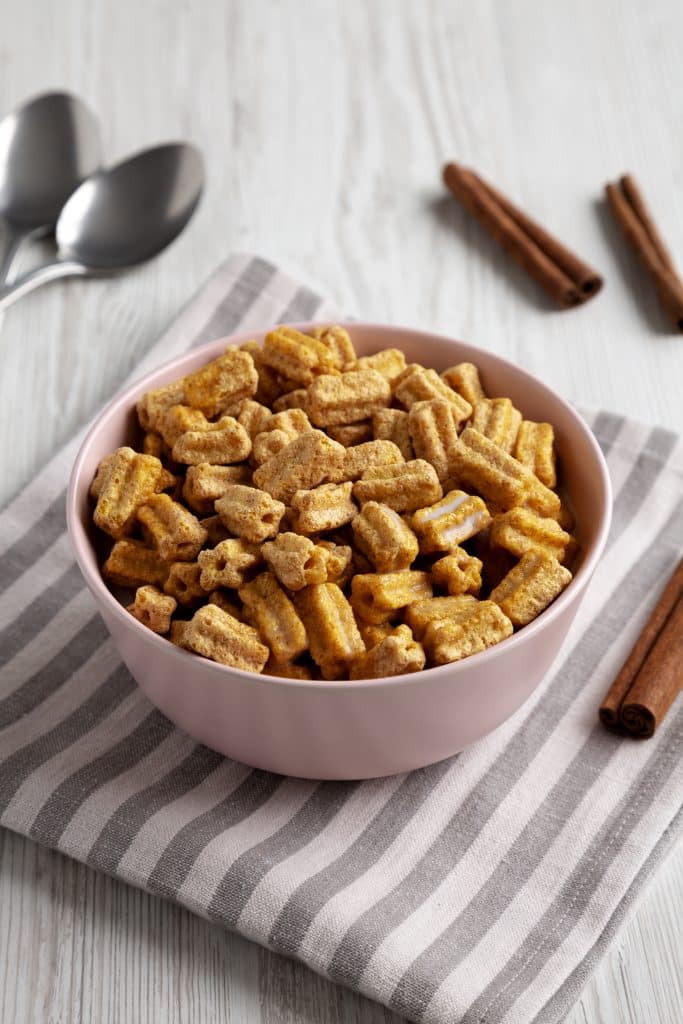
Marshmallow-infused cereals and cinnamon-coated breakfast products serve as a case study in ingredient ratio shifts. Data indicates that in many instances, the ratio of premium ingredients (such as marshmallows or heavy sugar coatings) to base grains has been adjusted to preserve profit margins. Consumers who feel the flavor profile has changed are often reacting to the substitution of natural flavorings for artificial ones or the reduction of sugar content in favor of cost-effective sweeteners.

Confectionery and Wafer Products
Chocolate-covered wafer bars and hazelnut spreads represent the intersection of commodity price sensitivity and consumer perception. Because these products rely heavily on cocoa and hazelnut—commodities with high price elasticity—they are the first to experience weight reduction or recipe modification. Interestingly, as noted in various market analyses, the "nostalgia factor" often plays a role here; because many consumers were introduced to these products as children, their ability to discern subtle recipe changes is heightened, even if the manufacturer argues that the product remains "classic."

Official Manufacturer Stance and Industry Response
While manufacturers rarely issue public statements regarding the "decline" in quality, industry spokespeople consistently frame these changes as "product optimization" or "responding to consumer demand for cleaner labels." In response to inquiries regarding recipe changes, major food corporations often cite the shift toward "better-for-you" ingredients and the removal of artificial additives as a proactive response to modern dietary trends.

From an economic perspective, these companies maintain that they are balancing the need to keep products affordable while navigating rising labor and transportation costs. Retailers, meanwhile, have become more transparent about unit pricing on shelf labels, which serves as an objective tool for consumers to cut through the marketing language of "family size" or "bonus packs."

Broader Implications for the Modern Consumer
The trend of shrinking portions and modified recipes is likely to continue as long as commodity costs remain unstable. For the informed consumer, the strategy for navigating this landscape involves a shift in purchasing behavior. Three primary tactics are frequently recommended by financial planners to mitigate these hidden costs:
- Prioritize Unit Pricing: Disregard the total price on the shelf and focus exclusively on the price-per-ounce or price-per-unit. This provides a standardized metric for comparison, revealing whether a "value" box is actually providing savings.
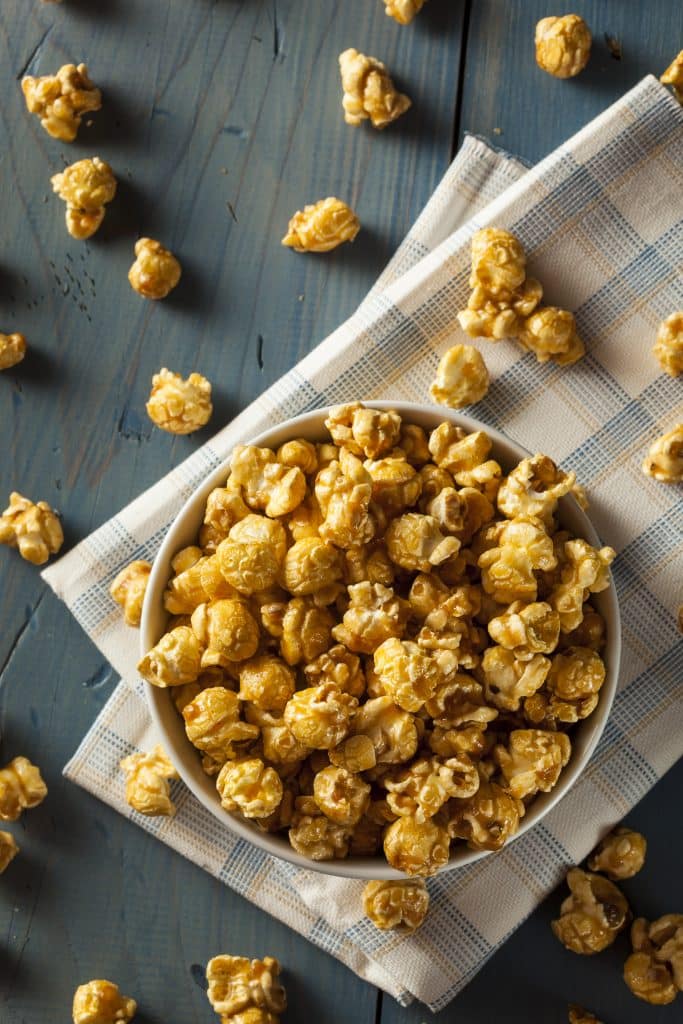
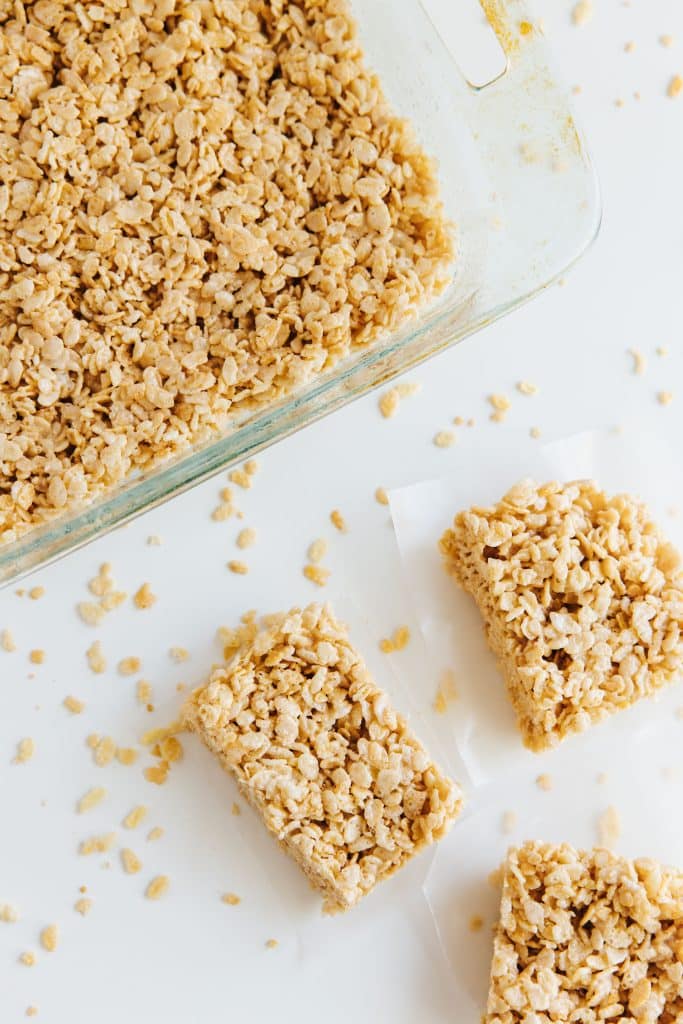
- Repurpose Bulk Goods: Reverting to manual portioning—buying large quantities and separating them into reusable containers at home—effectively eliminates the "convenience premium." This is particularly effective for snacks like pretzels, popcorn, and rice cereal treats.
- Evaluate Store Brands: Many private-label store brands now utilize ingredients nearly identical to their name-brand counterparts. As quality control standards in private labeling have risen, the price disparity between name-brand and store-brand items has become increasingly difficult to justify for many consumers.
The snacks that once defined the pantry of the 20th century are now products of a different economic era. The packaging may appear familiar, and the branding may evoke a sense of heritage, but the contents reflect the realities of 21st-century manufacturing. By recognizing that these products have evolved, consumers can make more informed decisions, treating snacks as deliberate purchases rather than reflexive habits. The "slow drip" of the grocery budget is not an inevitable outcome of inflation, but a challenge that can be managed through strategic shopping and a clear understanding of the mechanics behind the packaging. As the market continues to shift, the power remains with the consumer to choose where their budget is best allocated, ensuring that their pantry reflects their needs rather than the manufacturers’ margins.