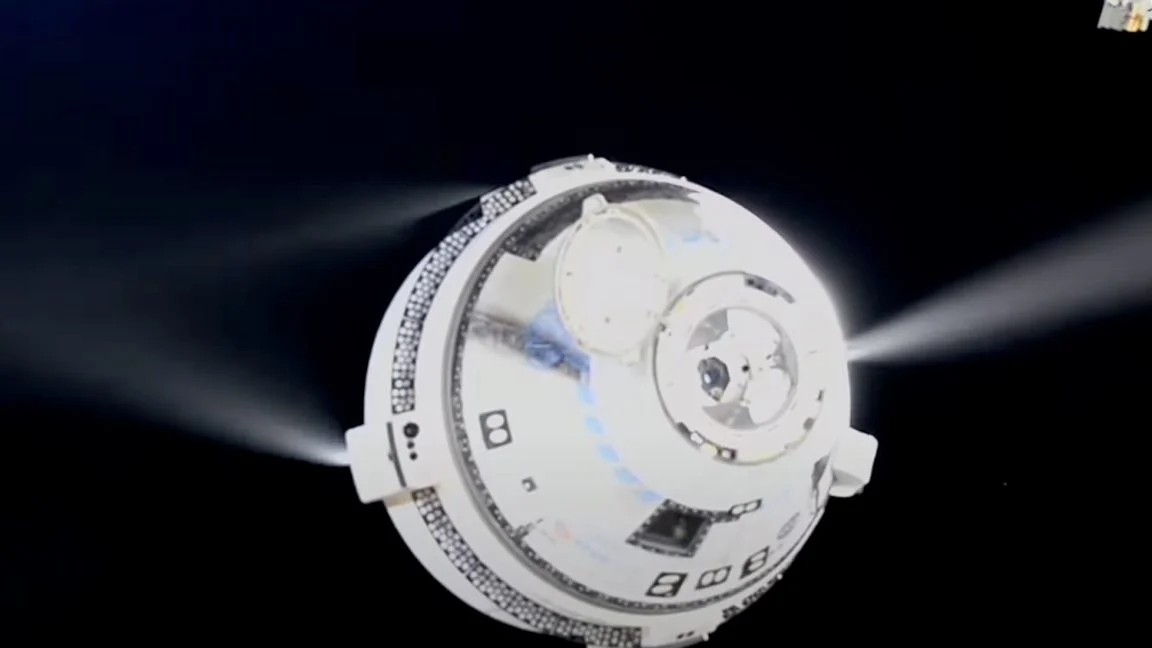
The landscape of low-Earth orbit (LEO) operations is undergoing a profound transformation as NASA navigates the impending retirement of the SpaceX Dragon crew vehicle, projected to occur by or before 2030. This shift marks a critical inflection point for the U.S. space agency, which must secure reliable, cost-effective, and safe transportation for its astronauts not only to the aging International Space Station (ISS)—now slated for an extended operational life through 2032—but also to the burgeoning fleet of Commercial LEO Destinations (CLDs) currently in development. As the agency balances budgetary constraints against the need for assured access to space, the focus has increasingly turned to Boeing’s Starliner, despite its well-documented technical hurdles, as the primary candidate to maintain American presence in orbit.
The Strategic Landscape of LEO Access
For over a decade, the Commercial Crew Program (CCP) has relied on a duopoly of capability, though SpaceX’s Falcon 9 and Dragon have largely carried the burden of crew rotation since 2020. With the ISS nearing the end of its structural design life, NASA is pivoting toward a transition strategy that incentivizes private sector infrastructure. By fostering the development of CLDs—privately owned and operated space stations—NASA intends to become one of many customers in a robust orbital marketplace rather than the sole landlord.
However, the transition requires a "transportation backbone." NASA’s current analysis suggests a recurring demand for two seats every six to nine months for government astronauts. While some industry analysts have lobbied for a second round of competition to invite new entrants like Blue Origin or The Exploration Company into the crew transportation market, the financial reality remains stark. Launching a new human-rated vehicle development program is an undertaking measured in the billions of dollars and years of rigorous safety certification.
A Chronology of the Commercial Crew Program
The genesis of this dilemma lies in the 2010s, when NASA shifted from the Space Shuttle to the Commercial Crew Program.
- 2014: NASA awards multi-billion dollar contracts to Boeing and SpaceX to develop crew transport systems.
- 2019: SpaceX successfully completes the uncrewed Demo-1 flight; Boeing’s Orbital Flight Test (OFT-1) suffers a mission-critical anomaly, failing to dock with the ISS.
- 2020: SpaceX’s Crew Demo-2 marks the first human flight from U.S. soil since 2011.
- 2022: Boeing finally achieves a successful uncrewed docking with the ISS during the OFT-2 mission.
- 2024: Starliner completes its first crewed flight test, experiencing thruster and propulsion system anomalies that necessitate a multi-month investigation and extended mission duration.
- 2030-2032: Expected retirement of current Dragon hardware and the targeted end-of-life for the ISS.
The Starliner Calculation
The decision to lean into Starliner as a successor is grounded in the "sunk cost" reality of federal procurement. Boeing has received significant government investment to bring the CST-100 Starliner to fruition. Abandoning that investment now would not only represent a failure of the initial procurement strategy but would also leave the United States without a domestic alternative to Russian Soyuz flights, should SpaceX face a fleet-wide grounding.
NASA officials have emphasized that the agency must avoid the "all eggs in one basket" scenario. While the technical difficulties encountered by Starliner—ranging from valve malfunctions to parachute deployment concerns—have frustrated observers, NASA remains committed to the principle of redundancy. By having two distinct systems, the agency ensures that a technical failure in one fleet does not result in a total loss of American access to the orbital environment.
Industry Perspectives and Commercial Aspirations
Boeing’s leadership remains optimistic about the vehicle’s long-term utility. John Mulholland, vice president and program manager of Commercial Crew at Boeing, has expressed a clear intent to leverage the company’s heritage in aerospace engineering to stabilize the program. "We’re incredibly excited about the partnership with NASA," Mulholland stated during a recent media briefing. He emphasized that the company’s vision extends beyond the ISS, eyeing the upcoming certification of the United Launch Alliance (ULA) Vulcan Centaur rocket as a catalyst for future missions.
The Vulcan certification is the missing piece of the puzzle for Boeing’s long-term commercial strategy. By migrating the Starliner from the Atlas V—a rocket nearing retirement—to the Vulcan, Boeing hopes to achieve a more efficient launch cadence. Crucially, Boeing is positioning itself as the preferred transportation supplier for the private CLD providers. This would allow Boeing to sell excess seat capacity to private astronauts, corporations, and international partners, effectively subsidizing the costs for NASA.
Economic Realities and the Monopoly Risk
A significant concern for stakeholders is the projected cost of the post-Dragon era. For missions Starliner-2 through Starliner-6, NASA and Boeing have settled on a price point of approximately $90 million per seat. While this figure is high by modern standards, it reflects the "fixed-price" nature of the contracts and the immense overhead associated with maintaining human-rated safety standards.
The specter of a monopoly looms large. If Dragon exits the market and no other competitor emerges, Boeing will possess total control over the pricing of LEO transportation for government astronauts. This lack of competitive pressure could lead to increased costs for the taxpayer. Mulholland acknowledged the difficulty in providing long-term pricing for the 2030s, citing the lack of finalized certification for both the spacecraft’s updated architecture and the Vulcan launch vehicle.
"We couldn’t provide detailed pricing to the CLD suppliers as the Vulcan rocket has not been certified," Mulholland noted. "That will come in the future, and obviously we want to be as competitive as possible."
Broader Implications for American Space Policy
The reliance on a single provider for the mid-2030s poses a strategic risk that extends beyond mere economics. The geopolitics of space exploration require the United States to maintain a visible and constant presence in LEO. If Boeing fails to maintain a reliable schedule, or if the cost of the Starliner service becomes prohibitive, the U.S. may find itself forced to re-evaluate its reliance on private industry.
However, the policy shift toward CLDs suggests that NASA is preparing for a future where it is a tenant rather than a landlord. This model requires that the cost of reaching these destinations remains low enough to encourage commercial activity. If the cost of transportation remains fixed at current, high levels, the entire business case for private space stations could collapse.
Therefore, the next four years are critical. Boeing must demonstrate that it can transition from a development phase—marked by delays and technical troubleshooting—to a stable, operational phase. It must prove that it can manage the Starliner program with the same reliability that the industry has come to expect from more mature launch systems.
Conclusion
NASA stands at a precarious juncture. The agency’s commitment to Starliner is a gamble on the premise that a domestic aerospace giant can eventually overcome its developmental hurdles to provide reliable service. As the clock ticks toward the 2030 expiration of current crew transportation contracts, the pressure on both Boeing and NASA to deliver is immense. Whether this strategy results in a robust, multi-provider marketplace or a costly, singular dependency will be determined by the successful flight certification of the Starliner-Vulcan stack and the ability of the private sector to lower the barrier to entry for orbital travel. For now, the path forward remains narrow, requiring both technical excellence and fiscal discipline to ensure that the United States retains its leadership in the next chapter of human space exploration.