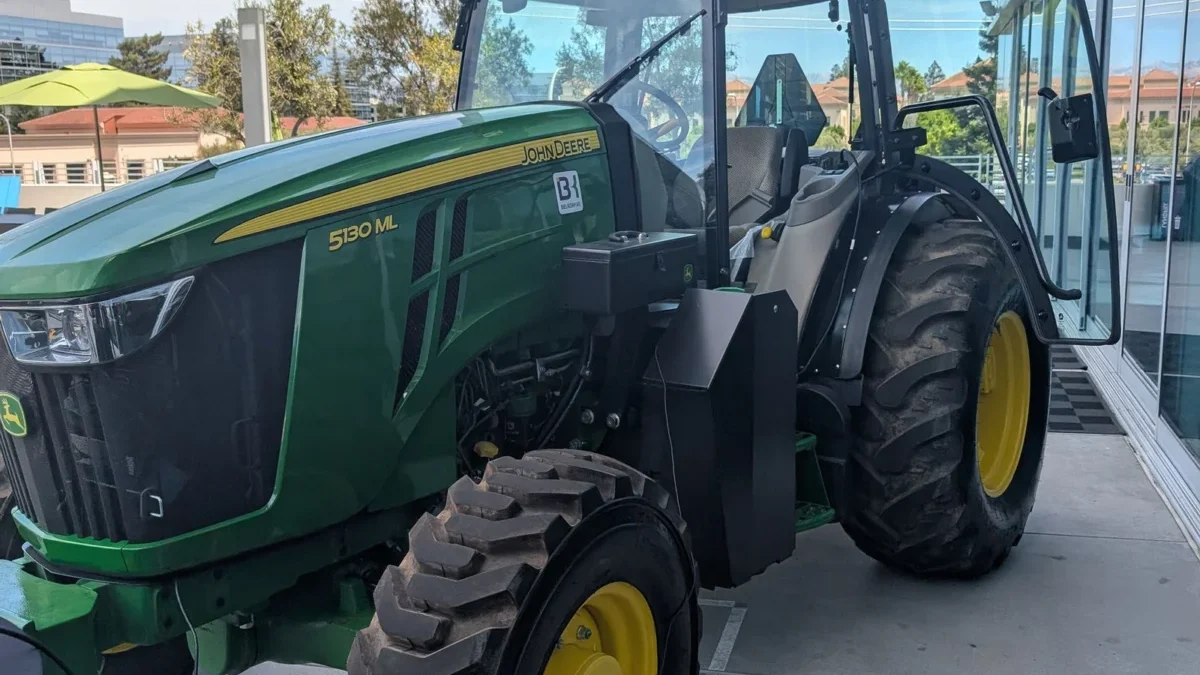
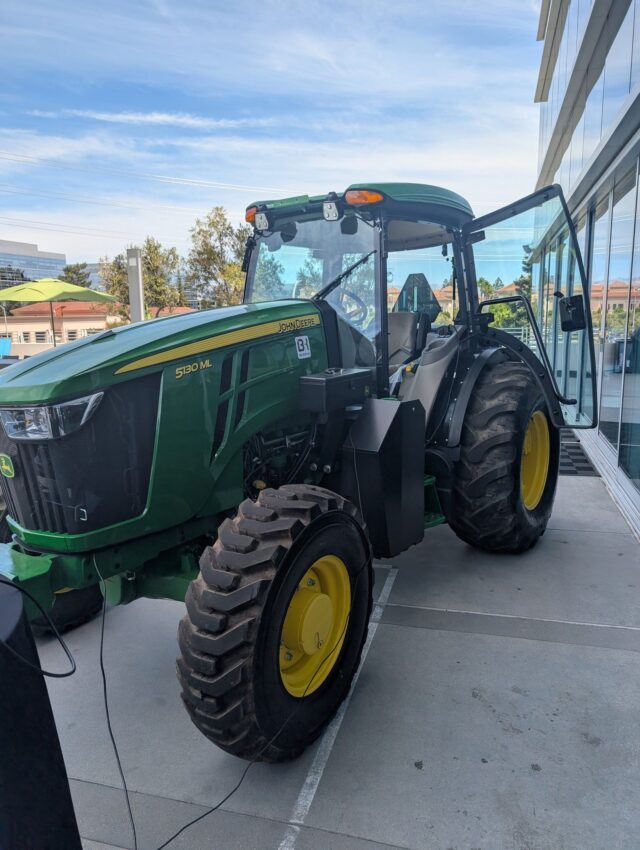
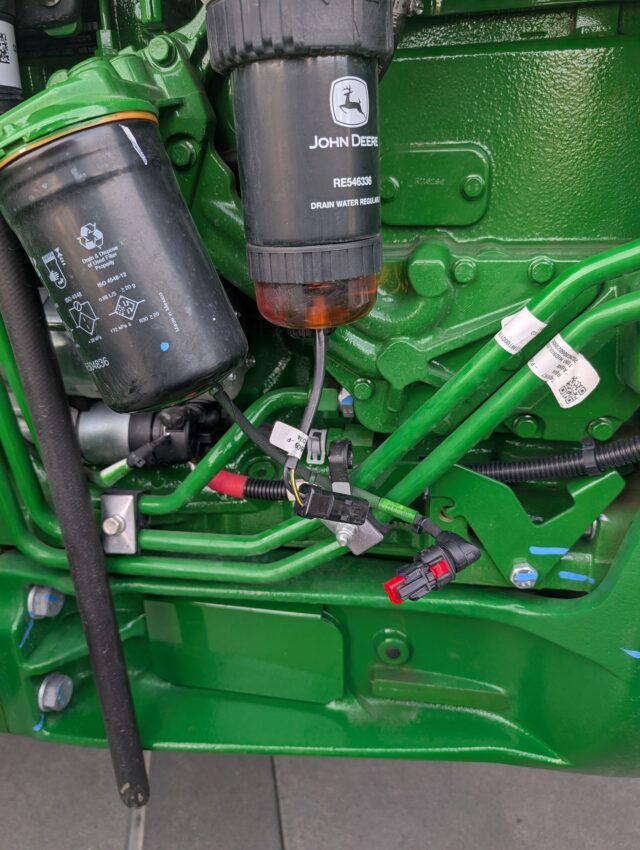
The tractor sat idle in the California sun, a 5130ML model representing the pinnacle of modern agricultural engineering. On the surface, it appeared to be a standard piece of heavy machinery, but under the hood, it was a complex web of sensors, controllers, and software locks. A "water-in-fuel" sensor had been disconnected, triggering a cascade of digital warnings. To fix it, one did not reach for a traditional wrench; one reached for a laptop. This scene, unfolding at John Deere’s Santa Clara corporate office, serves as the central battlefield in a decade-long war over the "Right to Repair." As manufacturers transition from selling mechanical hardware to offering software-defined ecosystems, the relationship between farmer and machine has been fundamentally altered, sparking a movement that reaches far beyond the cornfields of the American Midwest.
The Evolution of the Agricultural Monopoly
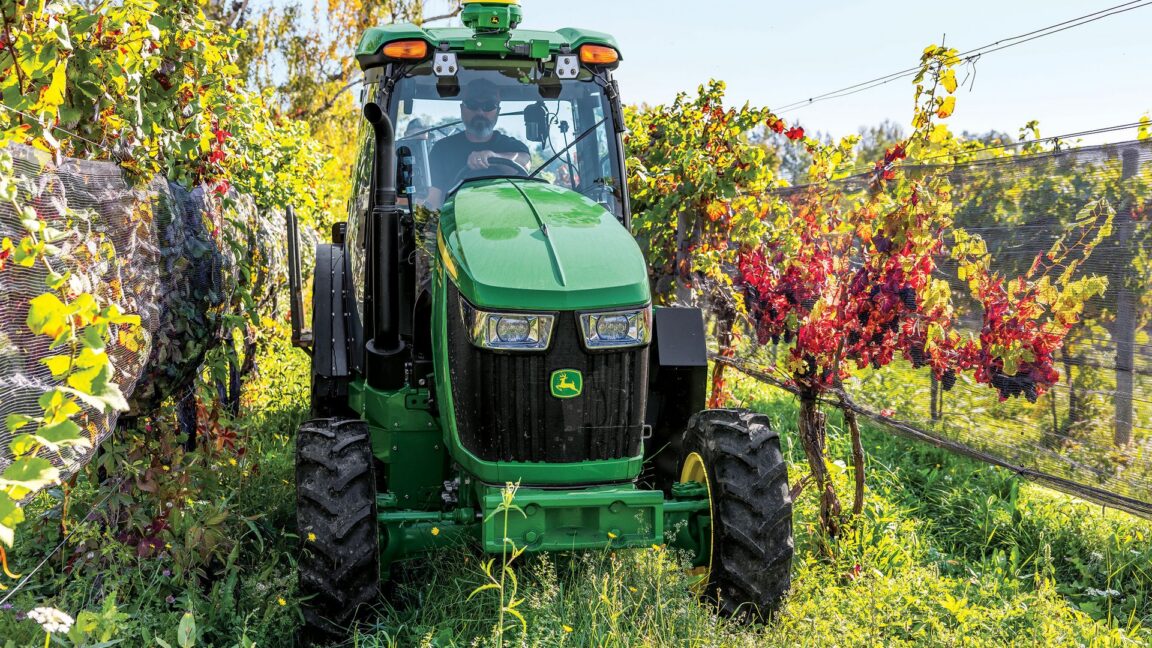
For decades, the agricultural sector operated on a straightforward premise: if you owned a tractor, you owned the right to repair it. However, as the 21st century progressed, John Deere—the largest agricultural equipment manufacturer in the United States—began embedding its machinery with sophisticated telematics, GPS-guided autonomous systems, and proprietary diagnostic software. By the mid-2010s, these technological advancements had created a digital moat around the equipment. Owners found that even simple mechanical repairs were being gated by software locks that required specialized, dealer-only diagnostic tools.
This shift triggered a massive outcry from the agricultural community. Farmers argued that the inability to perform independent repairs led to excessive downtime during critical planting and harvesting seasons, as well as inflated costs due to a lack of competition in the repair market. The movement gained national prominence as farmers began using unauthorized, "cracked" software sourced from overseas, specifically from Eastern European gray markets, to bypass these digital restrictions.
A Chronology of Conflict and Legal Action
The tension between John Deere and its customer base has been documented through a series of escalating legal and regulatory battles:
2015: The Right to Repair movement begins to gain legislative traction as farmers and activists challenge the Digital Millennium Copyright Act (DMCA) provisions that prohibit the circumvention of digital locks on farm equipment.
2022: Following years of pressure, the American Farm Bureau Federation and John Deere sign a Memorandum of Understanding (MOU). The agreement was intended to provide farmers and independent repair shops with access to diagnostic tools and documentation. However, critics argued the MOU was non-binding and lacked enforcement mechanisms.
2023: A series of class-action lawsuits reached a boiling point. In April, John Deere agreed to a $99 million settlement to compensate equipment owners for repair-related costs. This was followed in July by a landmark settlement with the Federal Trade Commission (FTC), which mandated that the company improve the availability of repair materials and software.
2025: John Deere officially launches "Operations Center Pro Service," a subscription-based digital platform designed to provide owners with the same diagnostic information previously reserved for authorized dealership technicians.
Pro Service: A Solution or a Strategic Pivot?
The launch of the Operations Center Pro Service marks a significant, albeit controversial, attempt by John Deere to address the mounting regulatory pressure. Priced at $195 annually for individual machines, the platform allows owners to connect their equipment to a central hub via Wi-Fi or hardwired cable. Once connected, the software identifies the specific machine by its serial number, pulls the relevant digital service manual, and provides step-by-step instructions for troubleshooting.
For Jahmy Hindman, Senior Vice President and Chief Technology Officer at John Deere, this platform represents the natural progression of modern farming. "It is owner-friendly," Hindman stated during the Santa Clara demonstration. "I think that has always been our intent." The company emphasizes that the software is capable of diagnosing issues across more than 50 individual controllers found in modern, high-tech tractors. They have even begun integrating AI-driven assistants to help users navigate complex diagnostic trees.
However, the adoption rates suggest a significant gap between the company’s vision and the farmers’ reality. Despite having roughly 1.8 million farms in the United States, John Deere reports only about 1,000 daily users of its Pro Service platform. This disparity highlights a fundamental lack of trust. Critics point out that the subscription model essentially turns a one-time purchase into a recurring revenue stream for the manufacturer, raising questions about whether "owning" the equipment still carries the same weight as it did twenty years ago.
The Skepticism of the Frontline
For farmers like Jared Wilson, who manages 3,000 acres of corn and soybeans in Missouri and serves as a plaintiff in the recent class-action litigation, the Pro Service platform is far from a panacea. Wilson argues that the software is optimized for simple, single-point failures rather than the complex, cascading issues that frequently occur in the field.
"If you have three or four different diagnostic codes, where do you start in the tree to figure out what is wrong?" Wilson asks. His concerns extend to the parity between the version of the software provided to farmers and the version used by authorized dealerships. While John Deere maintains that the software is identical across the board, the lack of transparency in how diagnostic data is prioritized and presented keeps a wall of skepticism between the company and its primary customers.
Furthermore, the issue of "Product Improvement Plans" (PIPs) remains a point of contention. PIPs are essentially internal notifications of potential design flaws or recurring issues. Critics argue that by controlling the flow of this information, John Deere can manage its liability and dictate the repair timeline, rather than empowering the farmer to be proactive.
Broader Economic and Societal Implications
The debate over tractor repair is a microcosm of a much larger struggle in the modern economy. As almost every consumer good—from refrigerators to cars—becomes "smart" and connected, the ability to control one’s property is increasingly being mediated by the manufacturers of that property.
Willie Cade, a board member of Repair.org, characterizes the situation as a byproduct of modern corporate incentives. "They’re just monopolists that want to make money and as much as they possibly can," Cade says. "Their real customer is not the farmer. Their real customer is Wall Street." By locking down the diagnostic process, companies can capture the "aftermarket" revenue that has historically sustained independent repair shops and local rural economies.
From a regulatory standpoint, the stakes are high. If the Right to Repair movement fails to secure meaningful, permanent, and open access to diagnostic tools in the agricultural sector, it sets a dangerous precedent for other industries. The ability to fix one’s tools is not merely a matter of convenience; it is a fundamental aspect of property rights and economic independence.
The Path Forward: Can Trust Be Rebuilt?

John Deere finds itself in a precarious position. While the company has made genuine strides in providing software access, the perception remains that these efforts are reactive—forced by litigation rather than driven by a genuine commitment to consumer autonomy. To win back the trust of the agricultural community, the company would likely need to do more than provide a user-friendly app. It would require a cultural shift toward radical transparency: making diagnostic codes open, allowing for third-party hardware integration, and eliminating the subscription barriers to accessing the "brains" of the machinery.
As the current settlements move toward finality in the courts, the focus will shift to how effectively the FTC and other regulatory bodies monitor compliance. Will John Deere be required to provide offline access that is truly robust? Will the pricing of their software be viewed as a monopolistic barrier to entry?
For now, the divide remains deep. The tractor in the Santa Clara office was easily repaired, but the broken relationship between one of the world’s largest manufacturers and the people who feed the world remains a much more difficult fix. As the industry looks toward a future of autonomous fleets and AI-driven agricultural management, the question of who truly controls the digital "wrench" will define the next chapter of American agriculture. If history is any guide, the resolution of this conflict will likely be decided not just in corporate boardrooms, but in statehouses and courtrooms, where the precedent for the 21st-century ownership experience is currently being written.