As generative artificial intelligence transforms how modern consumers and corporate enterprises conduct online research, traditional search engine optimization strategies are experiencing a paradigm shift. Recent industry data underscores this evolution: approximately 56 percent of technology buyers now rely heavily on generative AI systems to compile vendor shortlists before visiting a company’s website. This behavioral change means that visibility inside answer engines—such as OpenAI’s ChatGPT, Google’s AI Overviews, Gemini, and Perplexity—frequently dictates which brands enter the consideration set. Consequently, digital marketing teams are abandoning traditional keyword-only strategies in favor of Answer Engine Optimization (AEO), a discipline centered on tracking and optimizing for conversational, multi-constraint user prompts.

The Mechanics of Prompt Tracking and Intent Classification
Unlike classic Google searches, which typically rely on short, fragmented keywords, modern AI prompts read more like professional briefs or detailed problem statements. A typical corporate buyer query often embeds parameters regarding team size, budget constraints, geographic location, and specific integration requirements. When faced with this high degree of query variation, digital marketers frequently fall into one of two traps: they attempt to track an unmanageable volume of queries and drown in operational noise, or they rely exclusively on branded searches that artificially inflate visibility metrics.

To build an effective and sustainable prompt tracking framework, industry experts recommend categorizing queries into three distinct pillars: branded, unbranded, and competitor prompts.
Branded prompts incorporate a company or product name, such as inquiries regarding integration capabilities or core definitions. While presence on these queries is expected, the primary metrics for branded tracking are sentiment and factual accuracy, serving to protect brand integrity within AI-generated responses. Unbranded prompts, which describe a problem or product category without naming a specific vendor—such as seeking the best project management software for agencies—represent the foundation of discovery-stage visibility. Because these non-branded queries directly measure whether AEO efforts are capturing new audiences who have not yet selected a vendor, they typically command the largest share of a tracking portfolio. Finally, competitor prompts deliberately name market rivals, revealing which organizations answer engines default to and whether a brand successfully positions itself as a credible alternative during the evaluation phase.

Structuring the Buyer Journey and Query Mix
Effective AEO requires mapping prompt sets to the stages of the modern buyer’s journey, which spans awareness, consideration, evaluation, and final decision-making. Awareness prompts are generally broad and educational, focusing on conceptual understanding where answer engines may cite resources without explicitly naming commercial vendors. Conversely, decision prompts are heavily constrained by technical and financial parameters, directly influencing vendor shortlists.

Market research from organizations like 6sense indicates that B2B buyers now evaluate an average of 5.1 vendors, up from 4.5 in previous cycles. Interestingly, despite evaluating more alternatives, the overall duration of buying cycles has contracted slightly. This dynamic means that buyers are executing more comparative research in shorter timeframes, increasing the importance of capturing follow-up intent queries. Because AI users frequently refine initial answers with specific operational constraints, marketers must construct tracking sets that account for follow-up questions regarding cost, scalability, and security compliance.
To prevent tracking fatigue, professionals utilize query fan-out and clustering methodologies. Query fan-out occurs when a single complex prompt triggers multiple underlying sub-queries across disparate data sources before synthesizing a final response. Clustering groups these variations by underlying intent, allowing a single representative prompt to accurately reflect performance across dozens of similar phrasings.

Integrating CRM and Traditional Analytics
One of the most critical advancements in prompt tracking is the integration of Customer Relationship Management (CRM) data. Historically, standalone AEO tools operated in isolation, forcing marketing teams to rely on generic industry templates that failed to mirror actual customer behavior. By connecting prompt tracking dashboards directly to CRM systems, organizations can reverse-engineer successful sales cycles.

Marketers can analyze closed-won deals to identify recurring industry verticals, company sizes, and specific use cases, translating these insights directly into unbranded prompts. Similarly, mining closed-lost records exposes competitor mentions and objections regarding pricing or missing features, which can be operationalized into targeted evaluation prompts. Furthermore, traditional assets such as Google Search Console data, historical FAQs, and established topic clusters provide a ready-made taxonomy for converting high-performing long-tail keywords into conversational prompts.
Technical Execution, Geographic Localization, and Reporting Cadence

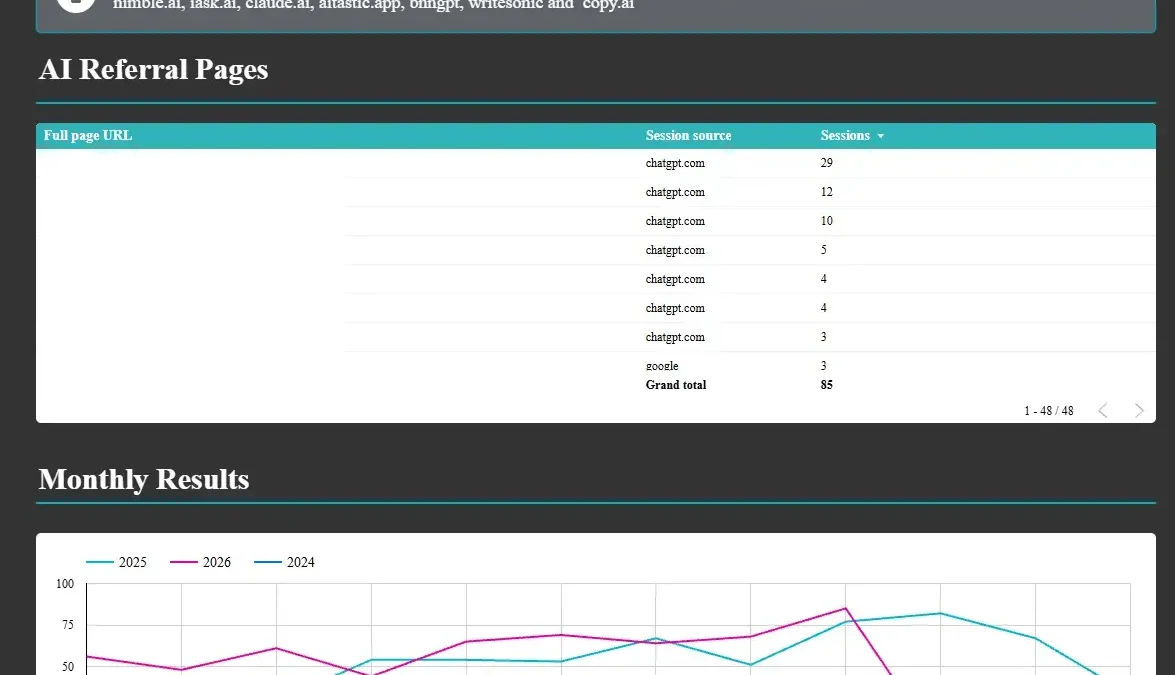
Executing an enterprise-grade AEO strategy requires selecting appropriate tracking engines, establishing geographic parameters, and maintaining a disciplined reporting cadence. While ChatGPT and Google AI Overviews represent primary consumer touchpoints, organizations must analyze web analytics to determine which AI models actually drive referral traffic to their digital properties. Furthermore, because generative engines frequently return localized variations based on user location, multinational brands must deploy core prompt sets in primary revenue markets alongside localized subsets for secondary regions.
Given the inherent volatility of generative AI outputs—where responses to identical prompts can fluctuate daily—experts advise collecting data on a daily basis while reserving major strategic adjustments for monthly or quarterly reviews. Utilizing diagnostic tools such as industry-wide volatility sensors helps distinguish between genuine brand visibility declines and market-wide fluctuations caused by algorithm updates.

Broader Business Implications and Strategic Outlook
The systematic adoption of prompt tracking signifies a broader maturation of digital marketing. As search engines evolve from blue-link directories into synthesized answer engines, the traditional metrics of organic traffic and keyword rankings are no longer sufficient to measure digital influence. By anchoring prompt selection in revenue-generating landing pages, sales discovery insights, and rigorous CRM data, enterprises can effectively bridge the gap between technical AI visibility and measurable financial outcomes. Organizations that master prompt tracking and optimize their digital footprints for answer engines will secure foundational advantages in shaping executive shortlists, ultimately defining market leadership in the era of artificial intelligence.