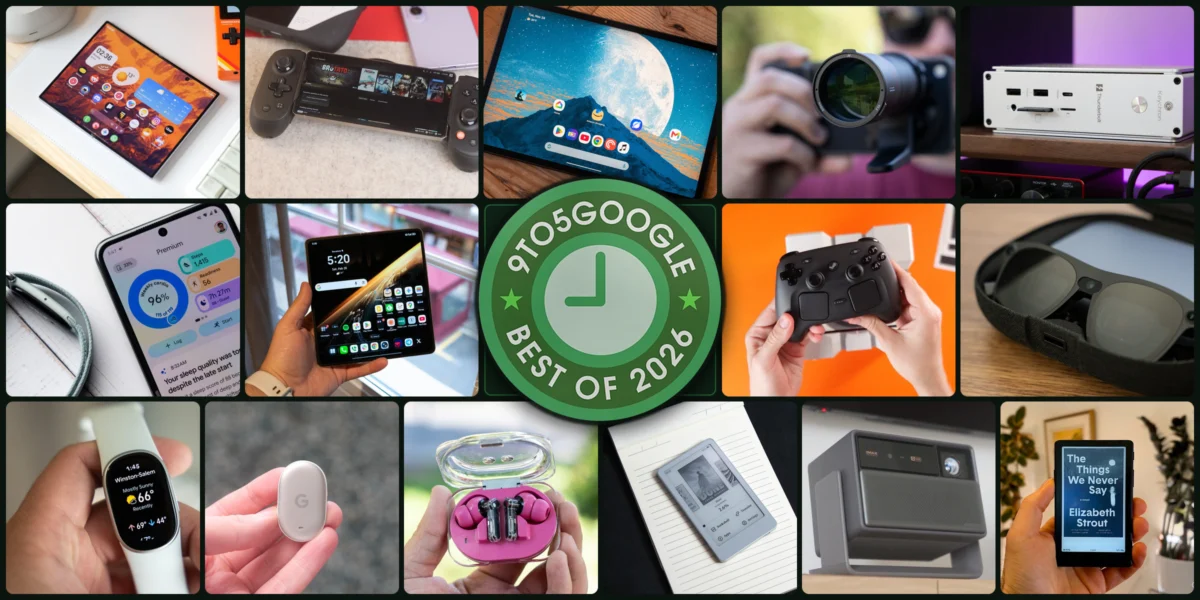
The technology sector in 2026 was defined by a singular, pervasive economic challenge: the global component shortage colloquially termed "RAMageddon." As memory prices surged and supply chains tightened, consumer electronics manufacturers were forced to pivot from the rapid, experimental product cycles of previous years toward a strategy of meticulous, high-value iteration. The result was a landscape where the most successful products were not necessarily those with the most revolutionary specs, but those that demonstrated the greatest efficiency in design, longevity, and price-to-performance ratio.

This shift in industry philosophy moved the needle away from speculative hardware. With the notable exception of the emerging XR market, 2026 was a year of refinement. Companies prioritized optimizing battery life, reducing physical weight, and streamlining software experiences to compensate for the higher cost of internal components.

The Economic Context: Life After RAMageddon
The supply chain crisis of 2026 stemmed from a convergence of semiconductor manufacturing bottlenecks and geopolitical instability in rare-earth mineral processing. This forced a fundamental recalibration of consumer expectations. According to industry analysts, average selling prices (ASPs) for flagship hardware rose by approximately 18% compared to the previous fiscal year.

Manufacturers responded by extending support lifecycles. The industry-wide adoption of seven-year software update guarantees, led by pioneers like Honor and Samsung, became the baseline requirement for premium devices. This trend underscored a broader move toward sustainability, as consumers held onto hardware for longer periods, demanding more durable and versatile equipment.

Wearables and the Screenless Revolution
The Fitbit Air, released in May 2026, became the unlikely standard-bearer for this new era of understated tech. By eschewing a display entirely, Google’s wearable addressed the growing consumer fatigue regarding constant digital notifications. Priced at $99.99, it offered a streamlined health-tracking experience that prioritized battery efficiency and unobtrusive form factors.

Conversely, the Fitbit Edge, launched in late October, served the segment of the market that remained tethered to traditional utility. By integrating a low-power, always-on display, the Edge signaled that the industry still recognized the value of the "glanceable" information paradigm, provided it did not compromise the device’s physical endurance.

The Evolution of Mobile Computing
The foldable smartphone market reached a level of maturation in 2026 that had been missing since the category’s inception. The Samsung Galaxy Z Fold 8, released in August, proved that engineering breakthroughs could finally overcome the durability concerns that plagued earlier iterations. Its refined hinge mechanism and optimized inner-display proportions demonstrated a shift toward functional, daily-driver ergonomics.

In the global market, the Oppo Find X9 Ultra and the Honor Magic V6 pushed the boundaries of camera hardware. The Magic V6, in particular, utilized a 1/2-inch telephoto sensor that challenged the necessity of dedicated compact cameras for professional work. These devices highlight a clear divide: while North American consumers often remained confined to a limited selection of ecosystems, global markets benefited from rapid, hardware-first innovation that prioritized professional-grade optical performance and long-term hardware durability.

The Resurgence of Localized and Cross-Platform Gaming
Gaming in 2026 moved away from cloud-dependent models toward highly optimized, local-translation environments. The release of the Steam Controller (2026) in May was a critical bridge for PC gamers, offering a level of deep customization through Steam Input that remains unmatched.

Simultaneously, the open-source DroidDeck project gained significant traction. By utilizing translation layers like FEX and Proton to enable native-like execution of Windows-based titles on mobile hardware, DroidDeck provided a cost-effective alternative to dedicated handheld consoles. This community-driven project emphasized the potential for existing mobile hardware to outperform purpose-built machines when software optimization is prioritized.

Immersive Technology: The XREAL Aura and Android XR
If the majority of 2026’s product landscape was defined by refinement, the XREAL Aura represented the solitary leap into an emerging class. Launched in November, the Aura sought to solve the "bulk" problem inherent in VR headsets. By moving the primary compute load to a tethered puck and utilizing a glasses-style form factor, the Aura provided an alternative for users interested in spatial computing for work and media consumption. While motion control and gesture accuracy remained in their infancy, the device established a viable trajectory for the Android XR ecosystem, focusing on accessibility and weight reduction over total immersion.

Desktop Productivity and Peripheral Upgrades
Professional workstations saw a massive upgrade with the arrival of the Keychron Thunderbolt 5 Dock in July. As users continued to juggle hybrid office setups, the demand for high-bandwidth connectivity became paramount. With its 14-in-1 configuration and machined aluminum housing, the dock provided a singular point of failure for cable management, effectively turning disparate laptops into cohesive desktop experiences.

Similarly, in the niche of e-paper technology, devices like the Onyx Boox Picco and the XTEINK X4 Pro capitalized on the "digital detox" trend. By providing low-power, distraction-free reading environments that were easily portable, these devices found a captive audience among users seeking to limit their exposure to high-frequency blue light and notification-heavy operating systems.

The Amazon Pivot: Alexa Tablet 12 Pro
Perhaps the most surprising success of the year was the Amazon Alexa Tablet 12 Pro. By abandoning the restrictive "Fire" branding and embracing a more standard Android implementation, Amazon successfully courted the mid-range market. The device’s nanomatte display and robust 8GB/128GB configuration challenged the dominance of the base-model iPad, proving that high-quality, mid-range hardware could compete with premium-priced tablets when the software barrier was removed.

Implications and Future Outlook
The lessons of 2026 suggest a permanent shift in the consumer electronics industry. The "RAMageddon" era forced manufacturers to prove the value of their hardware beyond mere incremental spec bumps. Products that succeeded were those that offered tangible, long-term utility, such as:

- Repairability and Durability: Devices that survived "torture tests" and offered multi-year support were rewarded with higher consumer sentiment.
- Software-Defined Flexibility: Projects like DroidDeck proved that software can often extend the life of hardware more effectively than buying a new device.
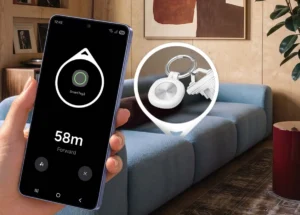
- Ecosystem Interoperability: Tools like the Pixel Tag and the Keychron Thunderbolt dock demonstrated that the most valuable tech is that which makes the existing ecosystem function more cohesively.
As we look toward 2027, the industry is poised to balance these lessons. The focus on efficiency, originally born from necessity, has become a standard of quality. Consumers are no longer satisfied with annual refreshes; they are demanding products that function as long-term investments. Whether through the lens of a $100 e-reader or a $2,000 foldable smartphone, the theme of 2026 remains clear: the most sophisticated technology is the kind that fades into the background, allowing the user’s intent to take center stage.