Evolution of Tracking Technology: The Shift to Bluetooth 6.0
The cornerstone of the Galaxy SmartTag3’s performance improvements is the integration of Bluetooth 6.0 Channel Sounding. This technology marks a departure from the traditional Received Signal Strength Indicator (RSSI) methods used in previous iterations. Historically, Bluetooth Low Energy (BLE) trackers estimated proximity by measuring the strength of the radio signal; however, this approach is notoriously susceptible to environmental interference, such as walls, furniture, or atmospheric conditions, which can lead to significant inaccuracies in distance estimation.
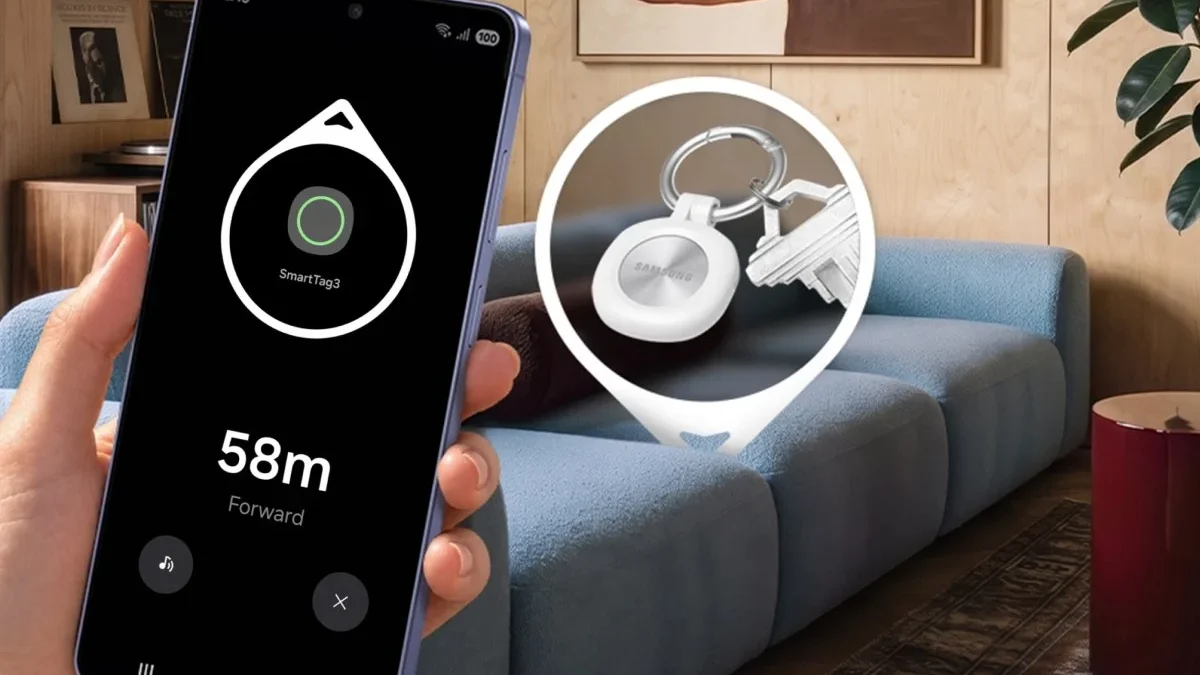
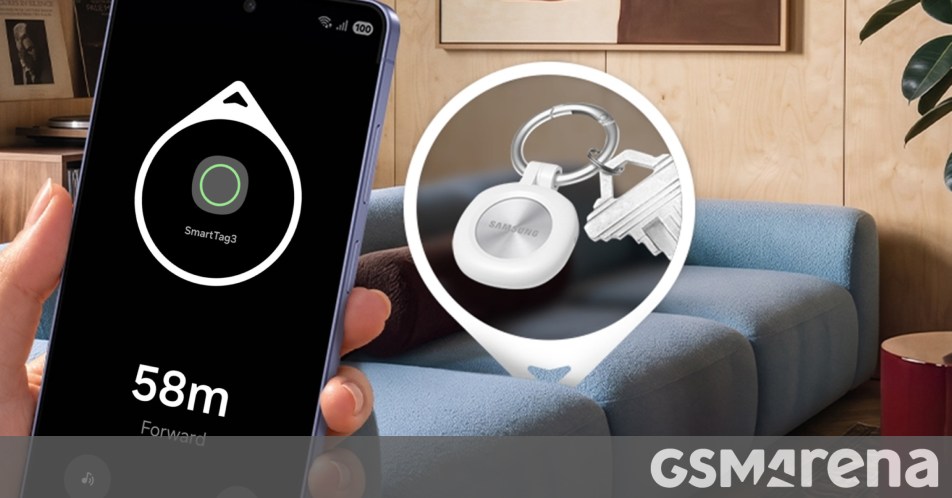
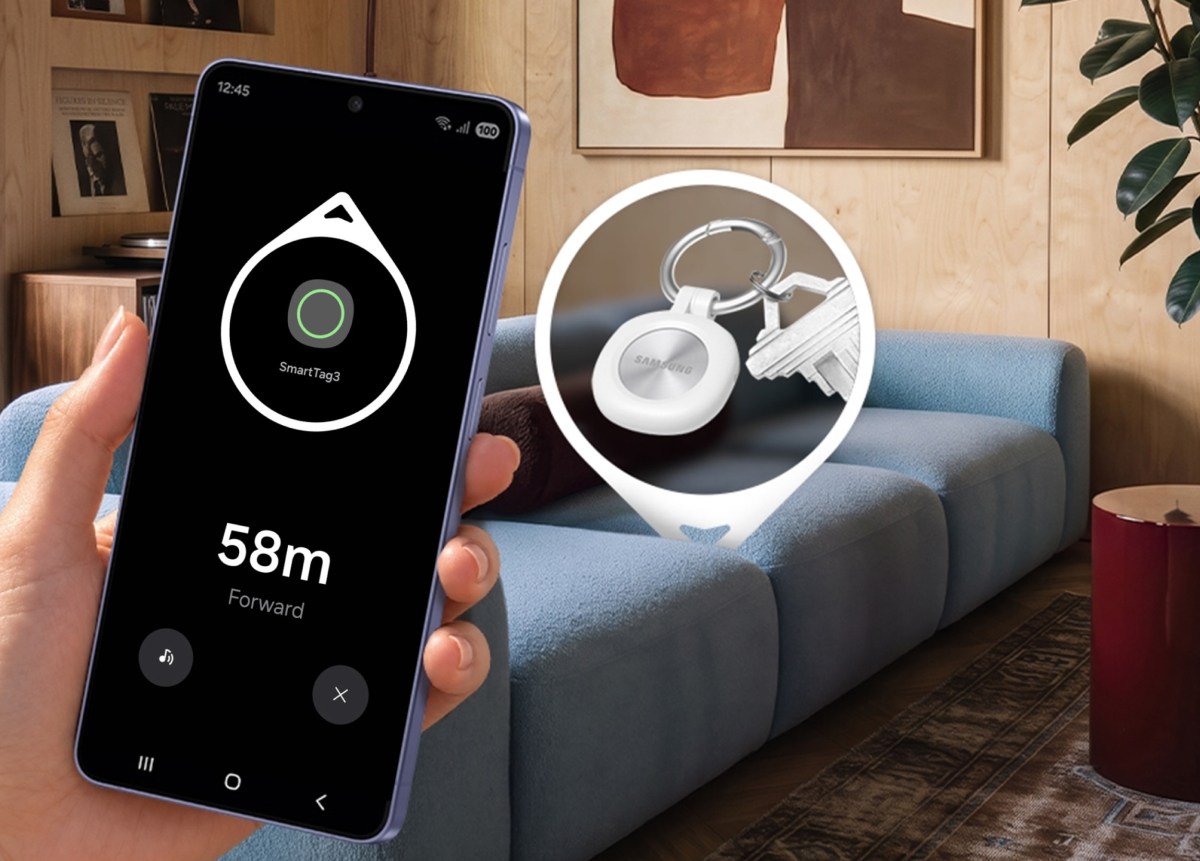
Bluetooth 6.0 Channel Sounding revolutionizes this by measuring the phase changes of radio waves and the precise time of flight across multiple frequency channels. By calculating the round-trip time of these signals, the system can determine distance with centimeter-level precision. This technological leap has extended the operational range of the Compass View feature to 60 meters—a threefold increase over the 20-meter effective range provided by the predecessor, the SmartTag2.
While this advancement offers a superior user experience, it currently remains hardware-locked. Samsung has confirmed that the high-precision Channel Sounding feature is exclusive to its newest flagship lineup, specifically the Galaxy Z Fold8 Ultra, Galaxy Z Fold8, Galaxy S26 Ultra, and Galaxy S26+. For users operating outside of this specific hardware ecosystem, the device continues to utilize standard BLE and Ultra-Wideband (UWB) protocols. Once the user is within a 20-meter radius of the tag, the system automatically transitions to UWB, which remains the industry standard for short-range, highly accurate spatial awareness.
The Galaxy Find Network and Data Privacy Architecture
When a Galaxy SmartTag3 ventures beyond the immediate Bluetooth range of the owner’s device, it leverages the robust Galaxy Find Network. This global infrastructure is composed of more than 900 million Samsung devices that function as anonymous relay points. When a SmartTag3 is marked as lost, it broadcasts a secure, encrypted signal that nearby Samsung devices can detect, relaying the location data back to the SmartThings servers without the relaying device’s owner ever being aware of the transaction.
Privacy remains a primary concern in the development of such widespread tracking networks. Samsung has implemented an end-to-end encryption model where every device generates a unique, rolling private key. This ensures that only the registered owner of the SmartTag3 can decrypt and view the location data. Samsung’s servers facilitate the relay but are technically incapable of viewing the location of the tags, nor can the relaying devices access the information.
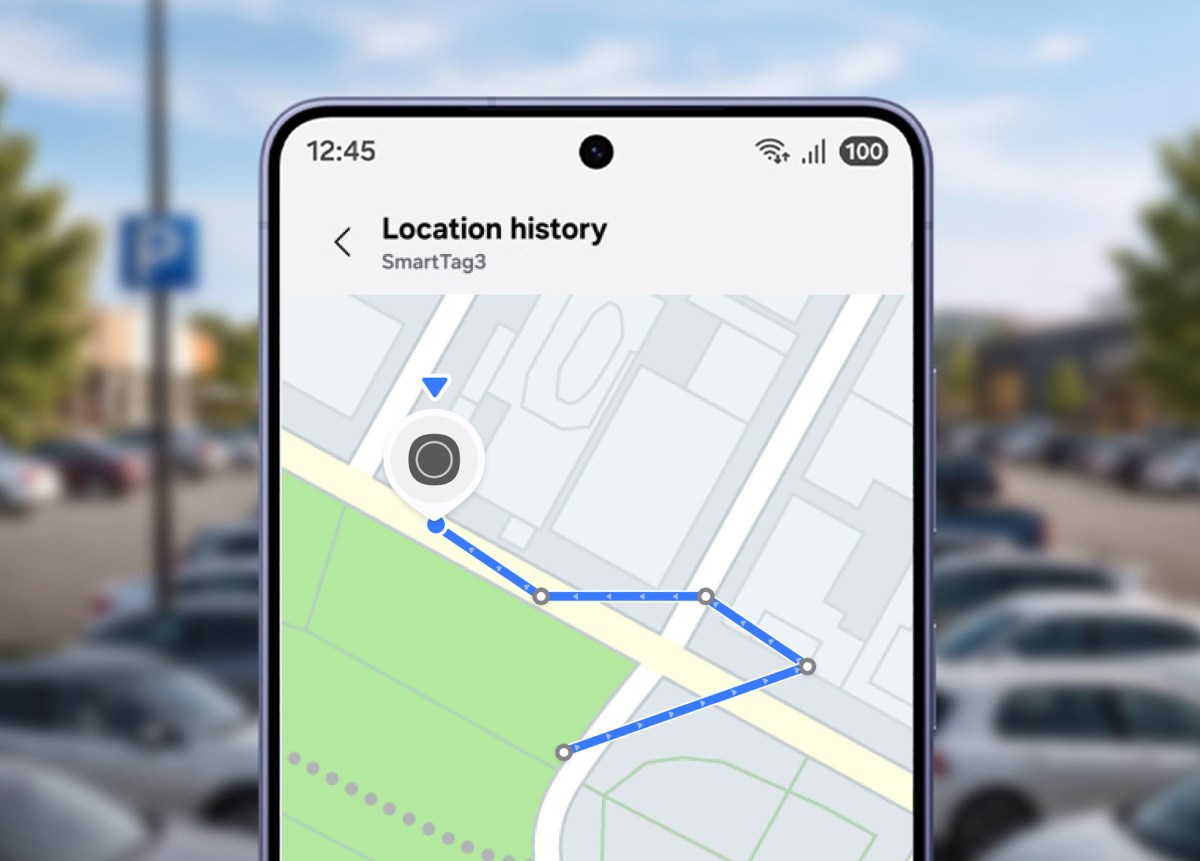
The Location History feature serves as a forensic tool for the user, mapping the tag’s detected positions chronologically over a seven-day rolling window. Once the seven-day threshold is passed, the data is purged from the servers, ensuring that user location history does not persist indefinitely.
Expanding Smart Home Utility: Hub-Based Notifications
In an update to the SmartThings software architecture, Samsung has broadened the utility of the "Notify when arriving or leaving" feature. Previously, this capability was restricted to the dedicated SmartThings Station hardware. Following the latest firmware and app updates, this functionality has been extended to all Smart Home Hubs and Samsung Smart TVs that feature integrated hub capabilities.
This shift allows the SmartTag3 to act as an automated trigger within the smart home environment. For instance, when a tagged item or pet enters or leaves the geofenced area of a home, the integrated hub detects the tag’s proximity signal. This approach is arguably more reliable than traditional GPS-based geofencing, which often struggles with signal degradation inside buildings or deep urban canyons. By utilizing local radio signal detection, the Smart Home Hub provides a robust, low-latency method for tracking the presence of objects within a household.
Cross-Platform Capabilities and Limitations
The Galaxy SmartTag3 introduces a more inclusive approach to location sharing, acknowledging the multi-platform nature of modern households. Users can now share the location of a specific tag with up to 19 other members of a SmartThings location group. This functionality extends to users on iOS, addressing a long-standing criticism of previous Samsung trackers.
For those who do not utilize the SmartThings ecosystem, Samsung has introduced temporary sharing links. These links can be generated to grant access to a tag’s location for intervals of 12 hours, 24 hours, or seven days. These links are accessible to up to five Samsung account holders without requiring the recipient to install the SmartThings application, lowering the barrier to entry for ad-hoc collaborative tracking.
However, a strict delineation remains between the Android and iOS experiences. Advanced features such as Compass View, remote device ringing, and "Left Behind" alerts are currently exclusive to the Samsung Galaxy ecosystem. These limitations underscore the company’s strategy to incentivize the purchase of Galaxy-branded hardware by reserving the most seamless and precise features for its own user base.
Strategic Context and Market Implications
The launch of the Galaxy SmartTag3 and the subsequent disclosure of its technical underpinnings occur within a rapidly maturing market for Bluetooth trackers. With Apple’s AirTag having set a high bar for ease of use and network density, Samsung’s move to incorporate Bluetooth 6.0 Channel Sounding is a calculated effort to reclaim the performance lead.
From a market perspective, the integration of Smart TVs as hubs is a significant differentiator. By leveraging its vast installed base of smart displays, Samsung is effectively turning millions of living rooms into potential tracking nodes, a move that provides a competitive edge in domestic security and asset monitoring. This infrastructure play suggests that Samsung is pivoting away from viewing the SmartTag merely as a standalone accessory and toward positioning it as a core component of the "Connected Home" philosophy.
Timeline and Future Outlook
The product timeline for the SmartTag3 began with the initial development phase, culminating in the formal announcement on September 25, 2024. Market availability followed in early November, with the technical deep dive provided in late November 2024.
Looking ahead, industry analysts anticipate that as Bluetooth 6.0 adoption spreads throughout the mobile industry, the precision gap between standard BLE trackers and high-end tracking devices will continue to narrow. However, Samsung’s focus on proprietary software enhancements—such as the Hub-based notification system—suggests that the company will continue to lean on its ecosystem exclusivity to maintain its market share.
As the Galaxy Find Network grows beyond the 900-million-device threshold, the density of the network will likely lead to even faster and more reliable tracking in urban environments. The primary challenge for Samsung moving forward will be balancing the expansion of these network capabilities with the increasing scrutiny surrounding personal privacy and the potential for unauthorized tracking. By mandating end-to-end encryption and time-limited data retention, the company is positioning itself to be a leader in responsible location technology, though consumer trust will remain the final arbiter of its success in this space.
In conclusion, the Galaxy SmartTag3 represents a significant, if incremental, evolution in the world of personal asset tracking. By merging advanced radio frequency technology with a massive, decentralized detection network and a cohesive smart home strategy, Samsung has created a robust tool that serves both the casual user and the security-conscious consumer. The move to open up certain features to iOS users, while simultaneously hardening the "walled garden" for premium features, indicates a sophisticated, if restrictive, long-term product strategy.