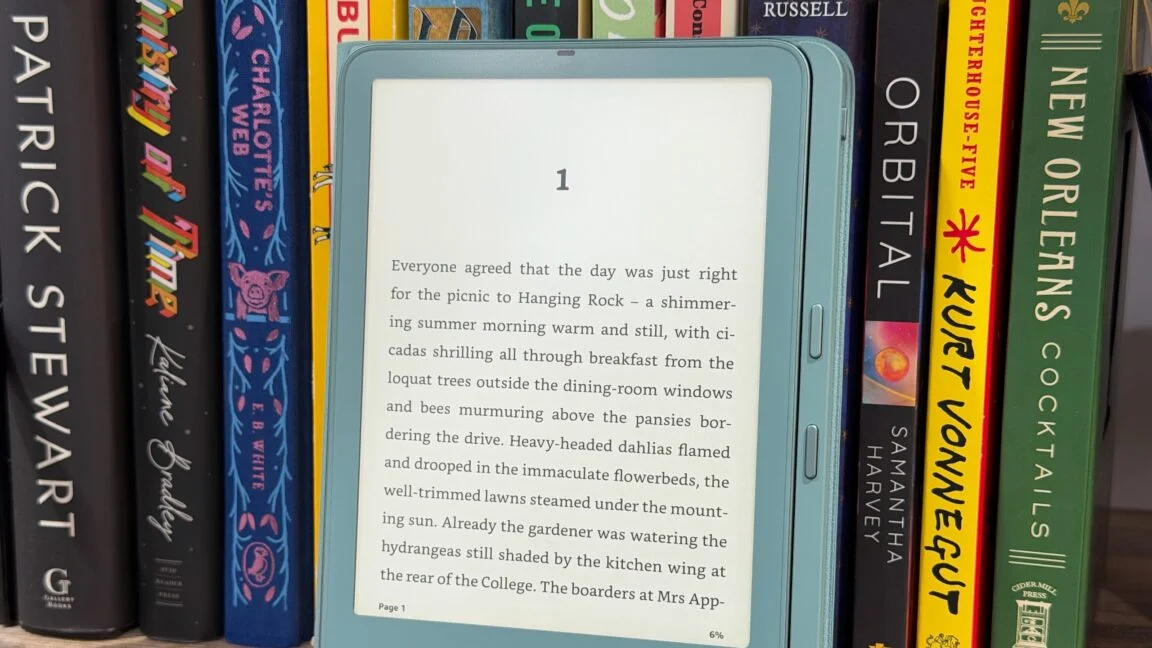
The landscape of consumer e-readers has undergone a significant transformation over the past five years, characterized by a persistent trend of rising costs that outpace the incremental hardware improvements offered by manufacturers. In the latest iteration of its hardware lineup, Amazon has introduced the 2026 Kindle Paperwhite, a device that arrives with a notable price hike and a controversial strategy regarding the reintroduction of physical interface features. While the new model offers a refined user experience, it serves as a case study for the broader "more for more" pricing model that has become prevalent in the technology sector since 2021.
A Chronology of Kindle Market Positioning
To understand the current positioning of the 2026 Kindle Paperwhite, one must examine the trajectory of the product line since the 2018 refresh. For years, Amazon adhered to a formula where new hardware iterations provided meaningful upgrades—such as increased screen resolution, improved lighting, and waterproofing—while maintaining a stable price point.
In 2018, the entry-level Paperwhite was priced at $130, offering a standard front-lit display. By 2021, the market saw the introduction of the 6.8-inch display and the inclusion of warm-light technology at $140, a move that was widely praised for democratizing premium features. However, the 2024 refresh began a subtle shift, with prices climbing to $160 for the base Paperwhite. The 2026 model represents a more aggressive leap, with the base Paperwhite now starting at $200, and the premium Signature Edition reaching $250. This rapid appreciation has fundamentally altered the value proposition for the average consumer, turning what was once a budget-friendly entry into the digital reading ecosystem into a mid-range hardware investment.
Technical Specifications and Hardware Analysis
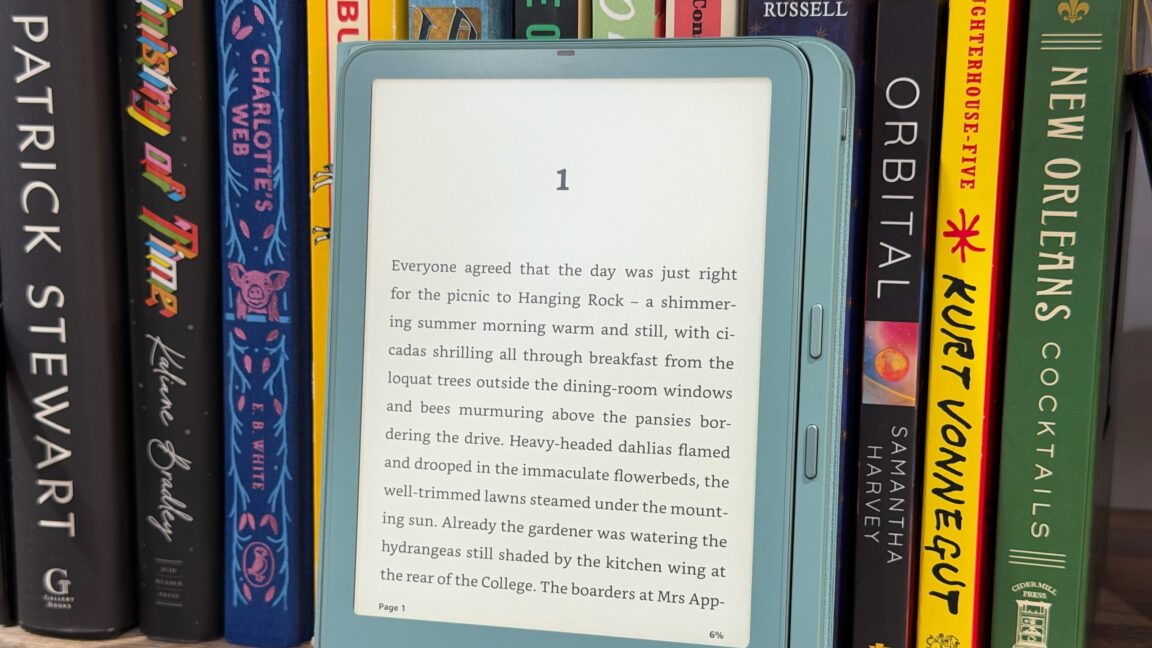
The 2026 Paperwhite maintains the 7-inch, 300 PPI display standard established in its predecessor, but it introduces several subtle yet meaningful structural changes. The most apparent modification is the relocation of the power button from the bottom edge of the device to the top-right corner. This design correction addresses a long-standing user complaint regarding accidental power cycling when the device is rested on a surface.
Furthermore, in response to growing global legislative pressure—particularly the European Union’s right-to-repair mandates—the 2026 models feature user-replaceable batteries. This represents a significant shift in Amazon’s hardware philosophy, moving away from the sealed-chassis design that has characterized the Kindle since its inception.
Despite these improvements, the 2026 Paperwhite does not feature a revolutionary screen upgrade. Instead, the focus has shifted toward chassis material and input methods. The flagship Signature Edition utilizes an aluminum housing, providing a more rigid, premium feel compared to the standard polycarbonate models. However, this shift to aluminum has resulted in the removal of wireless charging, a feature that was a staple of the 2024 Signature Edition. The exclusion of this convenience feature, coupled with the increased retail price, has drawn scrutiny from industry analysts who point to a narrowing feature-to-cost ratio.
The Return of Tactile Navigation
The most significant, albeit expensive, development for the 2026 cycle is the reintroduction of physical page-turn buttons. Amazon has opted to move away from integrated hardware buttons—last seen on the 2019 Kindle Oasis—in favor of a modular approach. The 2026 Signature Edition features pogo-pin copper contacts on the rear casing. These pins interface with the optional $80 "Kindle Page Turn Cover."
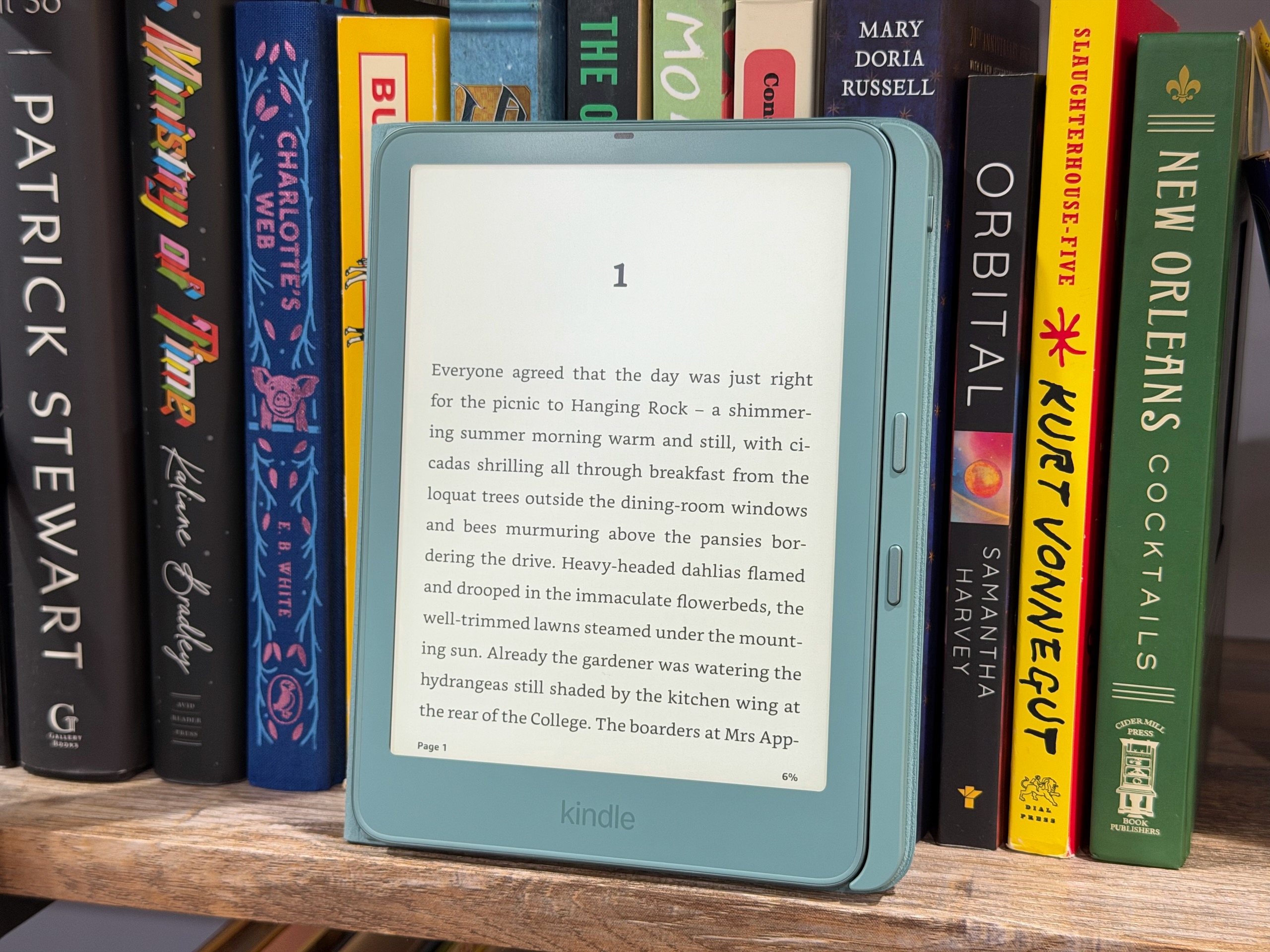
By attaching this cover, the user gains a physical button interface that mimics the ergonomics of the legacy Oasis models. While the buttons themselves provide responsive, tactile feedback, the implementation is costly. A consumer seeking a premium reading experience with physical buttons must now invest $330 total ($250 for the device plus $80 for the accessory), a significant jump from the $249 price point of the 2019 Oasis.
For those unwilling to commit to the modular cover, Amazon has also introduced the "Kindle Click," a remote-control-style peripheral priced at $35. While this offers an alternative to touch-screen navigation, it requires the user to hold an additional piece of hardware, which some users find counter-intuitive to the goal of a distraction-free reading environment.
Comparative Market Data
| Model | Price (at launch) | Display Size | Notable Features |
|---|---|---|---|
| Paperwhite (2018) | $130 | 6.0-inch | Front light, Micro-USB |
| Paperwhite (2021) | $140 | 6.8-inch | Warm light, USB-C, IPX8 |
| Paperwhite (2024) | $160 | 7.0-inch | Warm light, 16GB Storage |
| Paperwhite (2026) | $200 | 7.0-inch | Flush screen, Top power button |
The data indicates a clear trend: the "value" tier of the Kindle family is shrinking. The current basic Kindle (2026) is priced at $150, which is more expensive than the premium Paperwhite models from five years ago, yet it lacks the water resistance and advanced lighting systems that previously defined the Paperwhite tier.
Implications for the E-Reader Industry
The shift in Amazon’s pricing strategy reflects a broader economic reality in the consumer electronics market. Supply chain volatility, the rising cost of rare-earth materials for electronic components, and global inflationary pressures have forced manufacturers to prioritize margins over market share.
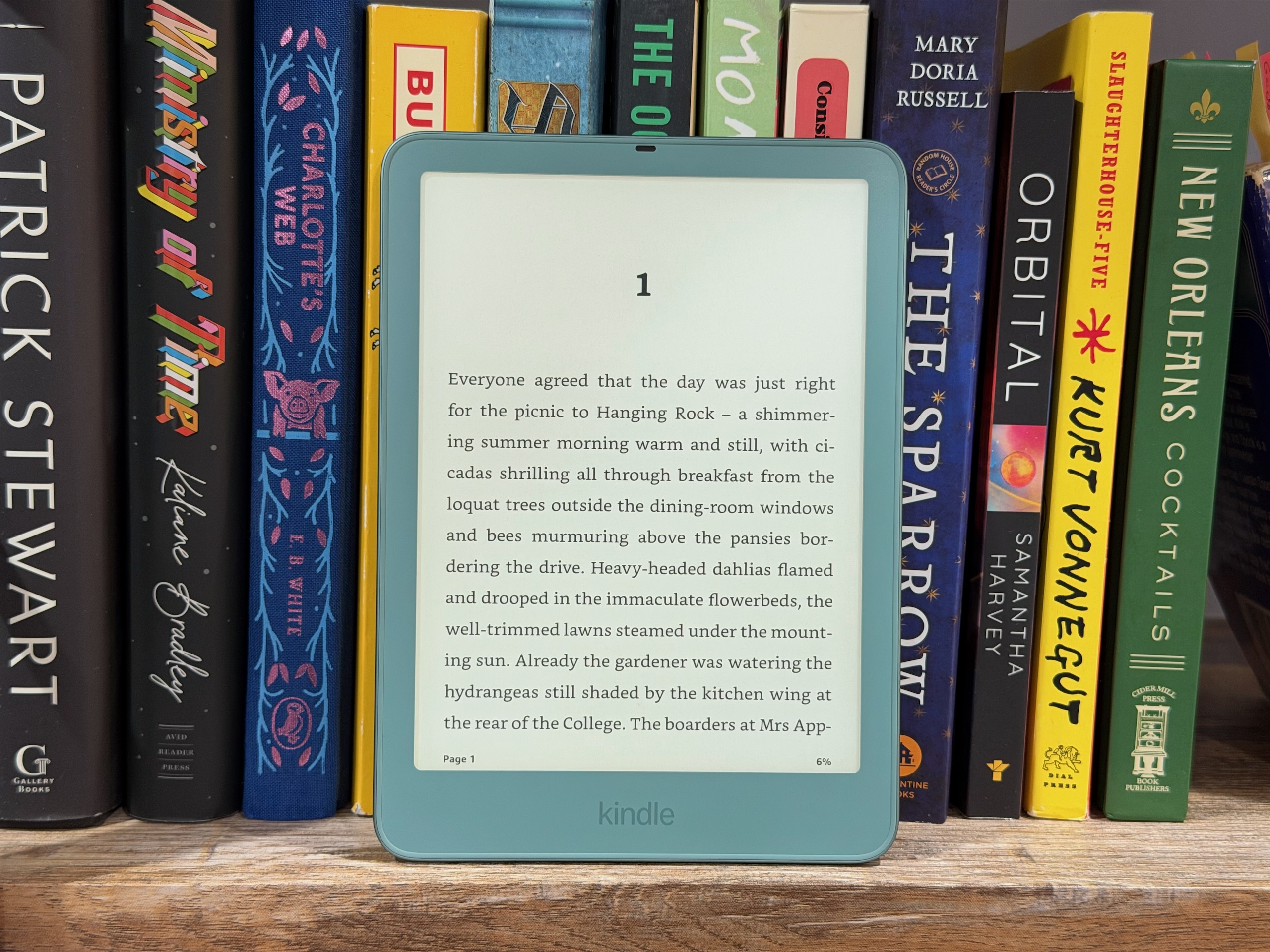
Industry analysts suggest that Amazon is attempting to segment its audience more aggressively. By pushing the "standard" user toward the $150–$200 range, the company is effectively repositioning the Kindle as a long-term device rather than a disposable commodity. This strategy, however, relies on the assumption that the consumer will continue to see the value in an e-reader that is increasingly expensive to replace.
From a software perspective, the company appears to be tightening its support ecosystem. The latest operating system updates (version 5.20.1.0.2 and later) are currently limited to the 2024 and 2026 models and the Kindle Scribe. Older devices, such as those from 2018, are effectively being phased out of the update cycle. This fragmentation of the software experience is a departure from previous years, when Amazon maintained consistent feature parity across the majority of its active hardware base.
The "Right-to-Repair" Factor
The inclusion of user-replaceable batteries is perhaps the most forward-looking aspect of the 2026 lineup. As international regulations—specifically in the EU and select U.S. states—begin to mandate modular hardware designs, Amazon is preemptively adjusting its manufacturing processes. While this is a win for sustainability advocates, it also serves as a strategic hedge against future regulatory fines. It remains to be seen whether this design choice will be extended to the entry-level, lower-cost Kindle models in subsequent years.
Conclusion
The 2026 Kindle Paperwhite is, by all technical metrics, the most capable e-reader Amazon has ever produced. Its build quality, responsiveness, and refined industrial design are superior to any predecessor. However, the transition to a high-cost, modular-accessory-dependent ecosystem creates a significant barrier to entry for the casual reader.

For the existing user base, the 2026 model offers little in the way of revolutionary upgrades that would necessitate a mandatory switch from a 2024 or even a 2021 model. For those specifically seeking the tactile satisfaction of physical buttons, the new Signature Edition provides a solution, albeit one that requires a heavy financial commitment. Ultimately, the 2026 Kindle lineup confirms that the era of budget-friendly, feature-rich digital reading has concluded, replaced by a premium market where additional functionality is strictly reserved for those willing to pay a premium price.