The Overlooked Power of Seamless Integration: Why Users Don’t Need More Tools, But Smarter Connections

In the relentless march of technological innovation, a pervasive narrative champions the arrival of "shiny new tools" that promise to revolutionize our daily lives. Yet, beneath the surface of this constant barrage of novelties, a fundamental truth for most users remains unchanged: they do not require an ever-expanding arsenal of standalone applications. Instead, the true demand lies in the seamless integration of useful features, meticulously designed to align with and enhance their existing, well-established mental models. This principle, underscored by insights from Design Patterns For AI Interfaces, a video course on UX and design patterns by Vitaly, highlights a critical shift in user-centric design, moving away from feature proliferation towards intelligent, context-aware functionality.
The allure of a new "smart" workflow, the perceived efficiency of command-line interfaces, or the rapid-fire back-and-forth of conversational AI interactions often fall short of user expectations. These approaches, while innovative in their conception, frequently introduce friction, demanding users to adapt to new paradigms rather than leveraging their existing cognitive frameworks. The real need, as identified by UX experts and observed in user behavior, is for sophisticated integrations of capabilities that directly address problems characterized by high severity, high frequency, and a significant level of user frustration. This means embedding powerful functionalities directly into the environments where users are already operating, making assistance feel natural and intuitive.
The Evolution of User Expectations: From AI-First to "Quiet AI"
The concept of "AI-first" products, while potentially accelerating development cycles, often overlooks a crucial aspect of user experience: the deeply ingrained design decisions that have shaped user expectations over years, even decades. These historical choices have meticulously constructed mental models – the internal representations users have of how systems work and how they should interact with them. Introducing AI as a primary driver of a product’s architecture without careful consideration of these existing models can lead to confusion and resistance, even if the underlying technology is advanced.
This is where the notion of "Quiet AI" emerges as a more user-centric paradigm. Unlike "AI-first" approaches that might trumpet their artificial intelligence capabilities, "Quiet AI" operates largely in the background. These are tools and features that are designed to be unobtrusive, performing essential tasks on behalf of the user without demanding constant attention or requiring a steep learning curve. They excel at automating repetitive, tedious, or frustrating tasks, acting as intelligent assistants that enhance productivity and reduce cognitive load.
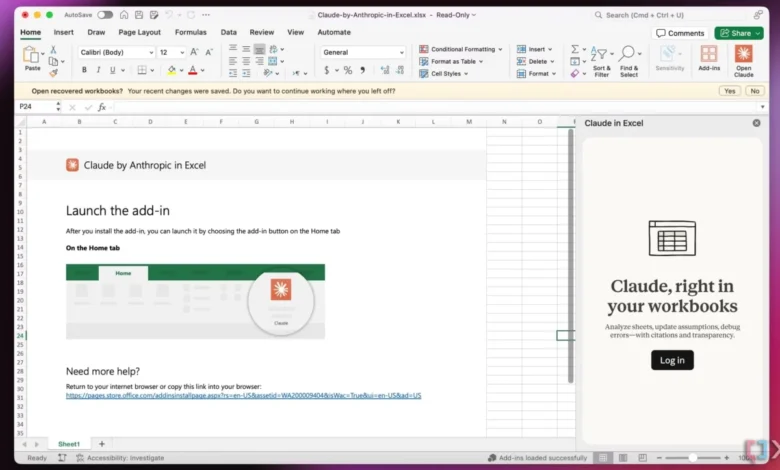
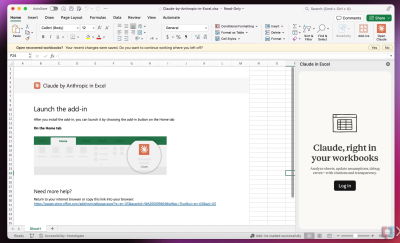
A prime example of this "Quiet AI" philosophy in action is the integration of AI assistants like Claude into established productivity suites such as Microsoft Excel, PowerPoint, and Word. Instead of requiring users to switch to a separate AI tool for tasks like data analysis, content generation, or document summarization, these integrations bring AI capabilities directly into the user’s workflow. A user working on a spreadsheet can leverage AI to analyze specific rows or columns without ever leaving the Excel interface. Similarly, content creators can receive AI-powered suggestions or summaries within Word, streamlining the writing process. This contextual assistance respects the user’s established workflow, making the AI a helpful co-pilot rather than a disruptive new vehicle. The widespread adoption and positive reception of such integrations suggest a clear market appetite for AI that enhances, rather than overhauls, existing user habits.
Folder Instructions: A Paradigm Shift in File Management
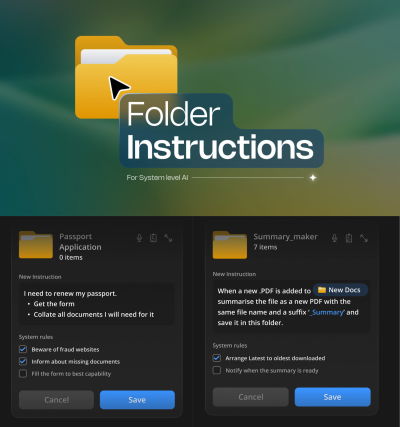
The principle of seamless integration is vividly illustrated by innovative concepts like "folder instructions." This approach, conceptualized by Karthikeya GS in his detailed post "Folder Instructions: Instructions For System-Level AI," proposes a powerful mechanism for users to define the behavior and purpose of folders themselves, thereby embedding AI-driven automation directly into the file system.
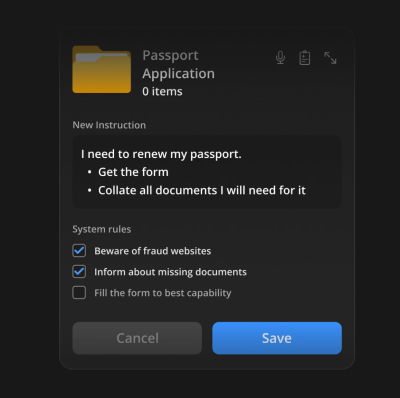
Imagine creating a folder specifically for passport application documents. Instead of manually organizing files, renaming them, and keeping track of submission deadlines, a user could define "folder instructions." These instructions would dictate how files dropped into this folder should be processed: perhaps automatically renaming scanned documents to include the applicant’s name and date, extracting key information for a database, or even flagging documents that are missing. Furthermore, the system could be instructed to create sub-folders for different stages of the application process (e.g., "Submitted," "Under Review," "Approved") and automatically move files accordingly.
This concept moves beyond simple file organization. It allows users to imbue folders with a defined intent, acting as autonomous agents that manage and process information according to predefined rules. The system then handles the laborious tasks, freeing users from the constant need for manual intervention. This is a profound example of "Quiet AI" at work, embedding intelligent capabilities directly within a familiar organizational structure – the folder. The implications are vast, extending to a multitude of use cases, from managing financial records and personal projects to organizing research data and creative assets. The user defines the goal, and the system, guided by these instructions, executes the necessary actions.
Such a system offers a significant advantage in terms of efficiency and accuracy. Manual file management is prone to human error, leading to misplaced documents, inconsistent naming conventions, and missed deadlines. By automating these processes based on user-defined instructions, "folder instructions" can dramatically reduce these errors, ensuring greater reliability and saving users considerable time and mental effort. This is particularly valuable for complex workflows that involve numerous steps and meticulous attention to detail, such as legal document processing, academic research, or even managing a small business’s client interactions.
The Broader Impact: Reducing Friction and Enhancing Productivity
The core value proposition of seamless integration lies in its ability to reduce friction within user workflows. When users are forced to constantly switch between applications, context windows, and data sources, their productivity inevitably suffers. This constant mental context-switching is not only time-consuming but also a significant source of errors. A misplaced click, a forgotten piece of information, or a misinterpretation of data can have cascading negative effects.
By bringing relevant functionalities directly into the user’s current environment, seamless integrations minimize these disruptions. They allow users to focus on the task at hand, rather than on the mechanics of navigating between different tools. This is especially critical in an era where the volume of digital information continues to grow exponentially. Users need tools that help them manage this information efficiently and effectively, not tools that add to the complexity.
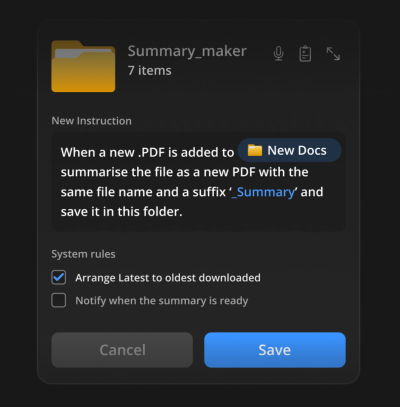
The "folder instructions" concept exemplifies this by tackling a fundamental aspect of digital life: file management. The ability to define the purpose and behavior of a folder transforms it from a passive container into an active participant in information processing. This empowers users to automate tasks at the point where the work is actually happening. For instance, a folder designated for summarizing research papers could automatically ingest new PDFs, extract key findings, and compile them into a digestible summary, all without manual intervention. This not only saves time but also ensures that critical information is readily accessible and organized, fostering deeper engagement with the content.
This approach also addresses the often-overlooked aspect of user control and privacy. When AI features are locally scoped to specific folders, and permissions are managed by the user, it inherently builds trust. Users can feel more secure knowing that their data is being processed within their controlled environment, unless they explicitly choose to extend access or integrate with external services. This localized control is a critical factor in user adoption and satisfaction, particularly for sensitive data.
The Future of Interaction: Beyond Novelty to Utility
The prevailing trend in technology development often prioritizes novelty over utility. While the introduction of groundbreaking new tools can be exciting, their long-term value is determined by their ability to genuinely solve user problems and integrate harmoniously into their existing lives. The success of "Quiet AI" and concepts like "folder instructions" signals a maturing understanding of user needs. The focus is shifting from what AI can do to what AI should do to genuinely assist users.
This shift has significant implications for the design and development of future software and AI-powered applications. Developers and designers must prioritize understanding existing user mental models and identifying areas of high friction and frustration. The goal should be to embed intelligent capabilities in ways that feel natural and intuitive, enhancing user experience rather than disrupting it. This requires a deep empathy for the user and a commitment to iterative design, informed by real-world usage patterns and feedback.
The value users derive from technology is not measured by the number of applications they possess, but by their ability to efficiently and effectively achieve their goals. Seamless integrations, by minimizing cognitive load, reducing errors, and automating tedious tasks, directly contribute to this goal. They represent an underutilized but incredibly impactful strategy for delivering immediate and lasting value, without burdening users with the installation, learning, and management of yet another standalone tool.
In Conclusion
The future of user experience, particularly in the realm of artificial intelligence, hinges on a deeper understanding of how users interact with technology and what truly drives their productivity and satisfaction. The relentless pursuit of "more tools" is a misguided approach. Instead, the industry must embrace the power of "Quiet AI" and seamless integrations that align with established mental models. Concepts like "folder instructions" offer a compelling vision for how AI can be embedded into the fabric of our digital lives, providing assistance precisely when and where it is needed, without demanding undue attention or cognitive effort. As we move forward, the emphasis must remain on creating solutions that solve real problems, reduce friction, and empower users to achieve their objectives with greater ease and efficiency. This user-centric approach, prioritizing thoughtful integration over feature proliferation, will ultimately define the success of AI-driven technologies in the years to come.