Strategies for Captivating Audiences: An In-Depth Analysis of 11 Proven Blog Post Opening Techniques

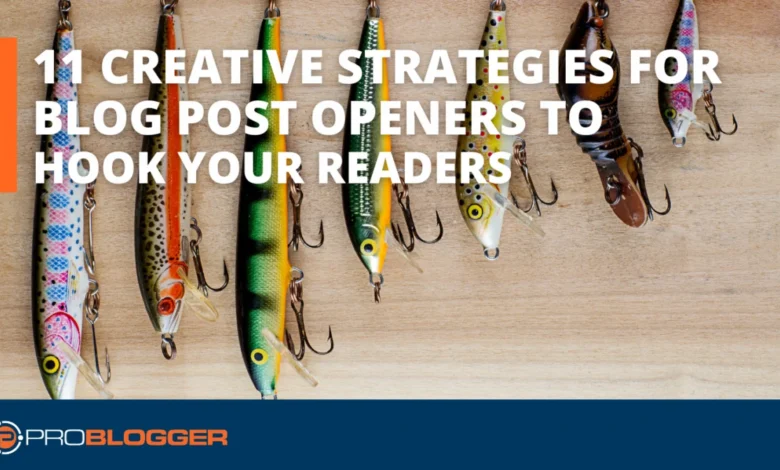
In the hyper-competitive digital landscape, where attention is a scarce commodity, the initial words of any online content piece hold unprecedented power. These opening lines serve as the crucial gateway, determining whether a reader will delve deeper into an article or swiftly navigate away. This phenomenon is not merely anecdotal; robust digital analytics and psychological research consistently underscore the profound impact of a compelling introduction on reader engagement, retention, and ultimately, content efficacy. Mastering the art of the opening line is therefore not just a creative endeavor but a strategic imperative for any content creator aiming to cut through the noise and forge meaningful connections with their audience.
The Psychological Imperative of First Impressions
The human brain processes information and forms judgments remarkably quickly. In the context of online content, this translates to mere seconds—often cited as less than eight seconds, according to studies by Microsoft on digital attention spans—during which a reader decides an article’s worth. This fleeting window of opportunity means that the opening lines must immediately resonate, pique curiosity, or promise value. Behavioral psychologists refer to this as the "primacy effect," where initial information strongly influences overall perception. A strong opening creates a positive initial impression, setting an anticipatory tone for the rest of the content. Conversely, a weak or uninspired opening can lead to high bounce rates, signaling to both readers and search engine algorithms that the content may lack relevance or quality.
The evolution of online content consumption has further amplified this challenge. From the static web pages of the early internet to today’s dynamic, multi-platform digital ecosystem, readers are bombarded with an overwhelming volume of information. Social media feeds, news aggregators, and personalized recommendations all vie for attention, making it imperative for individual articles to stand out instantly. This intense competition necessitates sophisticated strategies for engagement, beginning with the very first sentence.
Historical Context of Persuasive Opening
While the digital era presents unique challenges, the principles of captivating an audience through effective openings are deeply rooted in classical rhetoric and persuasive writing. Ancient orators understood the importance of the exordium – the introduction – to establish credibility (ethos), evoke emotion (pathos), and set the logical framework (logos). Medieval scribes and early journalists similarly recognized that a compelling lead paragraph, often called a "hook," was essential to draw readers into lengthy texts. Modern copywriting, emerging in the late 19th and early 20th centuries, formalized many of these techniques, focusing on direct-response strategies that prioritized immediate reader action. The digital age has simply accelerated the demand for these skills, requiring content creators to apply timeless principles with enhanced precision and creativity within a fragmented attention economy.
Eleven Core Strategies for Crafting Engaging Openers
Effective blog post openings are not accidental; they are the result of deliberate strategic choices. Drawing upon insights from digital marketing experts and psychological principles, content strategists have identified several powerful techniques. Here are eleven strategies, expanded with contextual understanding and broader implications:
1. Identifying and Addressing a Reader’s Need
One of the most potent ways to hook a reader is to immediately articulate a problem or need they might be experiencing. This strategy creates an instant connection, as the reader feels understood and believes the content might offer a solution. Digital marketing analytics frequently show higher engagement rates for content that clearly signals its problem-solving utility from the outset. For instance, an opening like, "Struggling to manage your overflowing inbox and feeling overwhelmed by digital clutter?" immediately targets a common pain point, positioning the article as a potential remedy. This approach taps into Maslow’s hierarchy of needs, albeit on a practical level, by promising relief or improvement.
2. Asking a One-Answer Question
This technique leverages a fundamental principle of engagement: active participation. By posing a question designed to elicit a "yes" response, content creators guide readers into an internal agreement, creating a sense of shared understanding and buy-in. An example, "Ever wondered why some online articles grab your attention instantly while others fade into the background?" prompts an affirmative internal response, subtly preparing the reader to accept the premise of the article—that it will reveal the secrets to effective engagement. This method, long utilized in sales and persuasive communication, effectively frames the reader’s current state of knowledge or desire, making them more receptive to the information that follows.
3. Posing an Intriguing Question
Beyond simple agreement, curiosity is a powerful driver of human behavior. An intriguing question creates a "curiosity gap," highlighting a piece of missing information that the reader feels compelled to discover. Questions such as, "What if the secret to sustained online engagement isn’t groundbreaking new technology, but timeless psychological principles?" or "Could a single paragraph revolutionize your content’s reach?" promise a revelation, compelling readers to continue reading to uncover the answer. This strategy is highly effective in increasing "time on page" metrics, a crucial indicator of content quality for search engines.
4. Offering a Surprise or Unexpected Fact
Human beings are hardwired to react to novelty and unexpected information. Opening with a startling statistic, an unusual anecdote, or a personal, slightly off-kilter story can disrupt a reader’s passive consumption, forcing them to pause and pay attention. For instance, an opening like, "Recent studies indicate that the average digital user’s attention span has plummeted below that of a goldfish," immediately grabs attention due to its surprising nature. Similarly, a relatable personal mishap, even if seemingly tangential, can humanize the content and create an emotional connection, making the reader more receptive to the core message once the connection is revealed. The key is that the surprise, however unexpected, must ultimately tie back to the article’s main topic.
5. Telling a Story or Sharing an Analogy
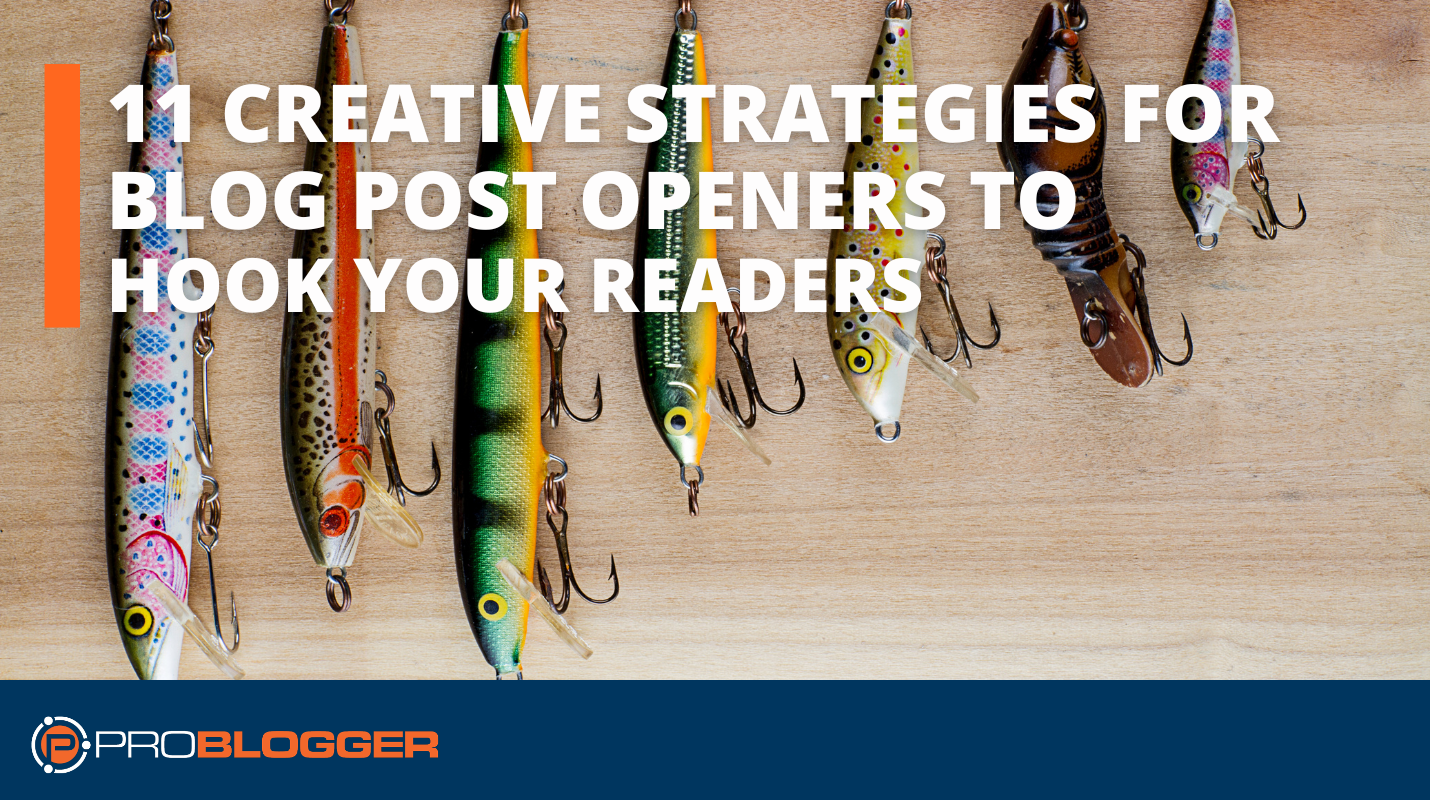
Narratives are universally captivating. A brief story or a well-crafted analogy can transform abstract concepts into relatable experiences, making content more memorable and emotionally resonant. Whether it’s a short personal anecdote, a hypothetical scenario, or a historical parallel, storytelling breaks the monotony of factual exposition. For example, "Imagine a digital marketplace, bustling with countless vendors shouting for attention. How do you ensure your stall is the one that draws a crowd?" This analogy immediately sets the stage for a discussion on content visibility. Stories also allow readers to project themselves into the scenario, fostering empathy and deeper engagement.
6. Making a Bold Claim
A direct, authoritative assertion or a compelling promise of significant benefit can act as a powerful magnet. This strategy sets a high expectation, immediately communicating the value proposition of the content. Openings like, "This single technique will double your content’s organic reach within a month," or "Unlock the definitive guide to mastering digital storytelling," directly inform the reader of what they stand to gain. However, this approach demands absolute credibility; the content that follows must unequivocally deliver on the promise, or risk alienating the audience and damaging the author’s reputation. Such claims, when substantiated, can establish the author as an authority and foster trust.
7. Stirring Controversy
Conflict and debate inherently draw human interest. Presenting a strong, perhaps unconventional, opinion or challenging widely accepted wisdom can instantly polarize an audience, compelling them to read further to understand the rationale or to formulate a counter-argument. An opening such as, "The prevailing content marketing strategies are fundamentally flawed and destined for obsolescence," immediately creates tension and invites scrutiny. While effective for generating engagement, this tactic requires careful calibration to avoid alienating a broad audience and to ensure the controversial stance is backed by thoughtful argumentation rather than mere provocation.
8. Painting a Vivid Picture
Engaging the reader’s imagination through sensory details can create a powerful, immersive experience. This technique encourages readers to visualize a scenario, making abstract ideas more tangible and emotionally impactful. For instance, "Picture a bustling coffee shop, the aroma of freshly brewed espresso filling the air, as you effortlessly draft a viral blog post on your laptop, oblivious to the surrounding chatter." This evocative language transports the reader, appealing to their aspirations or fears. By stimulating imagination, content can evoke emotions that drive deeper connection and motivation, whether to solve a problem or achieve a goal.
9. Highlighting Startling Statistics
In an information-driven age, data holds significant persuasive power. A well-placed, impactful statistic can immediately convey the scale of a problem or the potential of a solution, grabbing attention through its objective weight. An opening like, "A staggering 55% of visitors spend less than 15 seconds on a webpage, highlighting the urgent need for compelling introductions," quantifies the challenge and underscores the relevance of the article’s topic. Such statistics lend credibility and authority, signaling that the content is based on research and factual insights, making it particularly effective for data-driven audiences.
10. Starting with a Powerful Quote
Leveraging the wisdom or authority of recognized figures can instantly elevate a post’s gravitas and resonate with readers. A thoughtfully chosen quote can encapsulate the article’s theme or provide a philosophical foundation, setting a reflective or inspirational tone. For example, "As the visionary Seth Godin once proclaimed, ‘The only way to stand out is to be remarkable.’ In the cacophony of digital content, this truth has never been more pertinent." This approach not only provides a strong hook but also borrows the credibility of the quoted individual, instantly adding depth and intellectual appeal to the article.
11. Leading with an Impactful Image
In an increasingly visual internet, an arresting image can often speak volumes before a single word is read. Especially for platforms where visual content is prominent, an on-topic, high-quality image can serve as the primary hook, drawing the reader’s eye and prompting them to engage with the accompanying text. A striking photograph or a compelling infographic can evoke emotion, establish context, or generate curiosity in a way that text alone cannot. Data from content analytics often shows that articles featuring prominent, relevant images at the top tend to have higher click-through rates and lower initial bounce rates, demonstrating the power of visual storytelling in guiding reader attention.
Beyond the Hook: Sustaining Engagement
While the opening line is paramount, its effectiveness is intrinsically linked to the quality and relevance of the subsequent content. A brilliant hook that leads to an unfulfilling article will ultimately disappoint readers and undermine long-term engagement. Therefore, the strategies employed in the opening must flow seamlessly into the body of the text, maintaining the promise, answering the question, or elaborating on the story introduced. The goal is not just to capture attention but to sustain it, guiding the reader through a valuable and coherent narrative.
Implications for Content Creators and the Future of Digital Content
The emphasis on effective opening lines carries significant implications for content strategy, SEO, and brand building. For content creators, it necessitates a shift from merely producing information to crafting experiences. Each opening becomes a mini-marketing campaign, designed to convert a casual browser into an engaged reader. From an SEO perspective, compelling openers contribute to better user experience metrics such as time on page and lower bounce rates, which are increasingly weighted by search engine algorithms. For brands, consistent delivery of engaging content, starting with potent hooks, builds trust, establishes authority, and fosters a loyal audience.
The proliferation of AI in content generation further underscores the human element of compelling openings. While AI can efficiently generate text, the nuance of emotional connection, genuine surprise, and deep understanding of human psychology in a hook often requires a human touch. Content creators must leverage these distinctly human capabilities to create openers that resonate on a deeper level, differentiating their work from algorithmically produced content.
In conclusion, the opening lines of any blog post or digital article are far more than just introductory sentences; they are strategic tools critical for success in the crowded digital arena. By thoughtfully applying these eleven proven techniques, content creators can consistently capture reader attention, foster deeper engagement, and ultimately achieve their communication objectives in an increasingly competitive information environment. The commitment to mastering these initial words is not just about improved metrics, but about creating more meaningful and impactful connections with audiences worldwide.
Related posts: