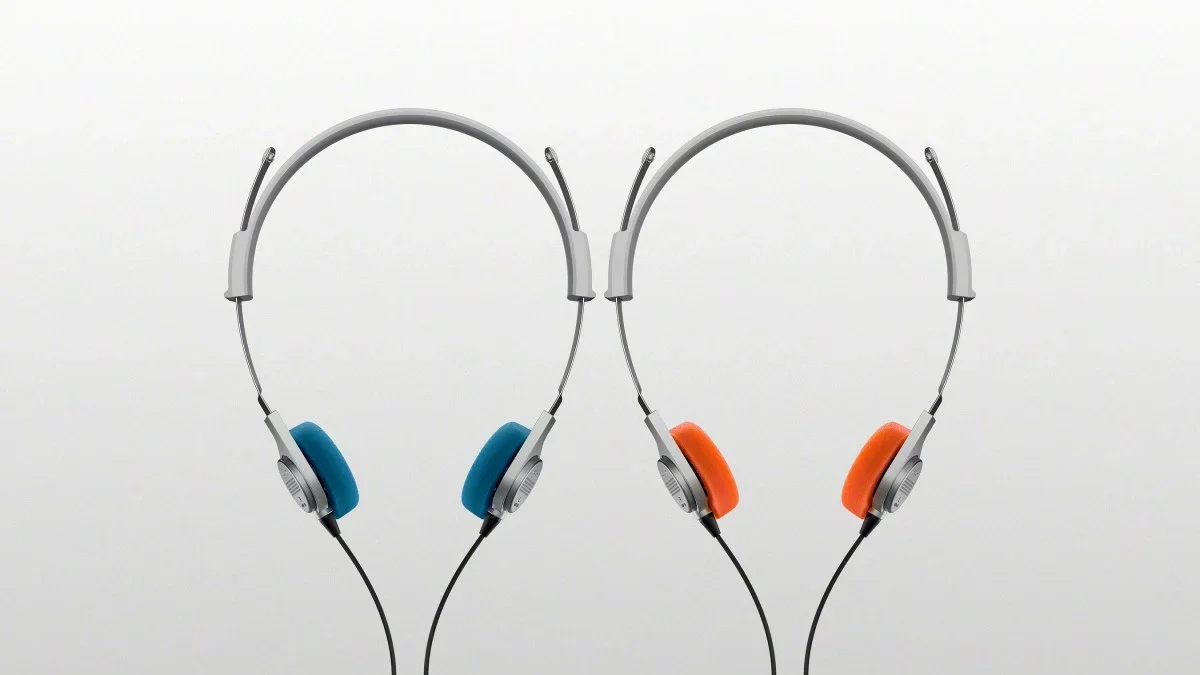
In a move that leans heavily into the cultural zeitgeist of retro-tech nostalgia, Sony has officially reintroduced its iconic MDR-3 headphones, modernized for the contemporary digital ecosystem as the MDR-3R. Originally released in 1979 as the companion piece to the groundbreaking TPS-L2—the world’s first portable cassette player—the MDR-3 served as the hardware catalyst for the personal music revolution. By refreshing this legacy product with a USB-C interface, Sony is not merely attempting to replicate a historical aesthetic; it is attempting to bridge a four-decade gap between analog nostalgia and modern connectivity requirements.
The Historical Genesis of the Personal Audio Era
The 1979 debut of the Sony Walkman TPS-L2 remains one of the most significant milestones in the history of consumer electronics. Before the Walkman, music consumption was a communal, stationary activity limited to living rooms and high-fidelity home systems. The MDR-3 headphones were instrumental in the success of the TPS-L2, offering a lightweight, supra-aural design that provided enough clarity for the era’s portable hardware while remaining comfortable for long-term wear.
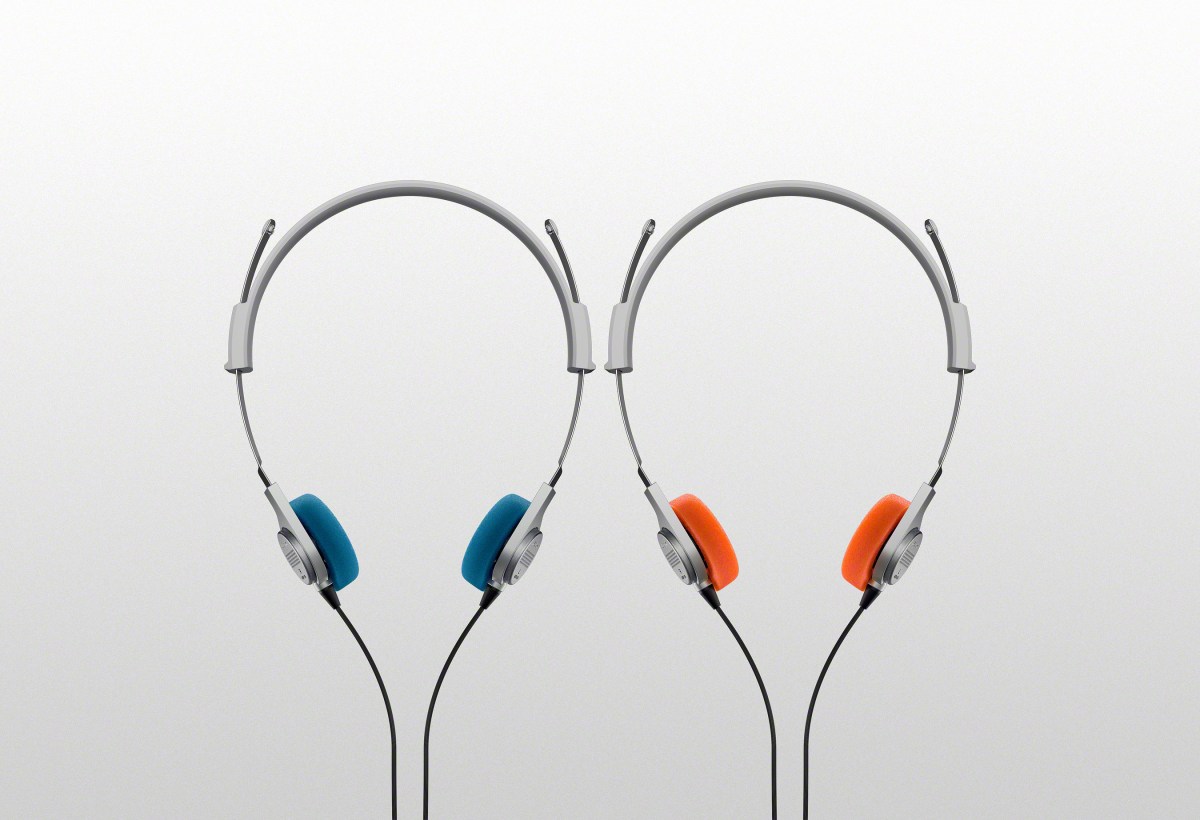
Throughout the 1980s, the Walkman became a cultural shorthand for the "on-the-go" lifestyle, shifting the perception of music from a static environmental factor to a customizable, private soundtrack. The MDR-3 design—characterized by its minimal, thin-wire headband and vibrant foam ear pads—became synonymous with the dawn of the portable audio age. By the time the Walkman line evolved into the Discman and eventually the digital era, the MDR-3 had already cemented its status as a piece of industrial design history.

Chronology of the MDR Series
The trajectory of the Sony MDR line is a testament to the company’s dominance in the audio sector:
- 1979: Launch of the original MDR-3 alongside the TPS-L2 Walkman.
- 1980s: Expansion of the MDR line, solidifying Sony’s reputation for studio-grade and consumer-friendly headphones.
- 2000s: The rise of digital audio players and the decline of wired supra-aural headphones in favor of in-ear monitors.
- 2020s: The "Retromania" phenomenon drives consumer demand for vintage aesthetics and tactile physical media.
- 2024/2025: Sony announces the development and official launch of the MDR-3R, integrating a USB-C connector to accommodate the removal of 3.5mm jacks from modern smartphones.
Engineering Specifications and Modern Refinements
While the external silhouette of the MDR-3R is a faithful recreation of the 1979 original, the internal engineering reflects a nuanced balance between heritage and modern technical standards. The unit utilizes the same 23mm driver configuration that defined the sound signature of the original model. Sony’s engineering team has stated that the tuning has been carefully calibrated to honor the original’s warm, balanced profile, with subtle refinements to account for the higher resolution of modern digital audio formats.
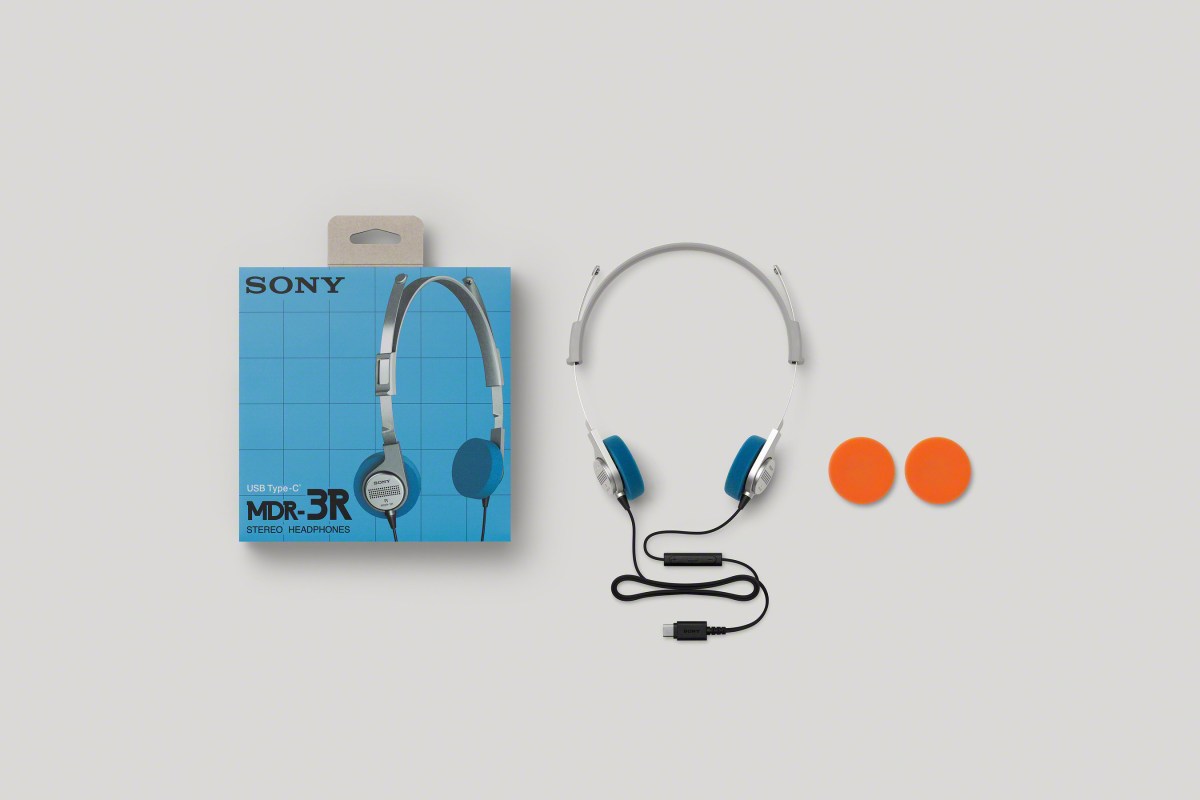
The transition to USB-C is the most significant departure from the original hardware. This modification eliminates the need for legacy adapters or 3.5mm-to-USB-C dongles, which are common points of failure and signal degradation in modern smartphone audio setups. Furthermore, the inclusion of an in-line microphone and remote control adds functional utility, allowing the headphones to serve as a legitimate tool for modern teleconferencing and mobile communication, rather than just a decorative relic.
Despite these additions, the product remains strictly "plug-and-play." There are no requirements for firmware updates, Bluetooth pairing protocols, or battery charging, which distinguishes the MDR-3R from the current saturated market of wireless noise-canceling headphones. This simplicity is, according to industry analysts, a direct response to "tech fatigue," where consumers are increasingly looking for devices that do not require constant management or software intervention.
The Stranger Things Partnership and Market Positioning
The launch of the MDR-3R includes a special-edition variant tied to the Netflix series Stranger Things. This edition features custom red and black ear pads and a laser-engraved logo, directly referencing the aesthetic preferences of the character Max Mayfield. This partnership is a strategic maneuver by Sony to capitalize on the massive cultural impact of the series, which has single-handedly reintroduced 1980s technology—from Walkmans to walkie-talkies—to a younger demographic (Gen Z) that did not live through the original era.
The standard MDR-3R is priced at $59.99, while the Stranger Things Edition commands a premium at $79.99. This pricing tier positions the headphones as an accessible entry point into high-quality wired audio, sitting between inexpensive generic headphones and high-end professional monitoring equipment.
Broader Impact and Industry Implications
The re-release of the MDR-3R is part of a broader trend in the consumer electronics market known as "vintage revivalism." Companies like Polaroid, Nintendo, and now Sony have discovered that historical branding, when combined with modern, necessary utility (like USB-C charging or internal component updates), can yield high engagement levels.
From a manufacturing perspective, the MDR-3R serves as a case study in how to leverage existing intellectual property to capture multiple market segments:
- The Nostalgia Segment: Consumers aged 45 and older who owned the original hardware and are looking to reconnect with a formative piece of their youth.
- The Aesthetic-Driven Segment: Younger consumers who value the "retro" look for fashion-forward purposes, often spurred by social media trends.
- The Utility Segment: Audiophiles and general users who prefer the reliability and sound quality of wired connections over the complexities of Bluetooth and active noise cancellation.
Analysts observe that the wired headphone market has seen a surprising resurgence. While wireless technology continues to dominate, there is a growing segment of "analog-first" listeners who prefer the lack of latency, the absence of battery-related obsolescence, and the tactile nature of a physical connection. By utilizing USB-C, Sony is ensuring that these headphones remain compatible with the vast majority of modern hardware, including the latest tablets, smartphones, and laptops, thereby removing the largest barrier to entry for wired peripherals.
Official Responses and Future Outlook
While Sony has not released specific sales projections, the decision to produce a high-fidelity replica suggests a confidence in the longevity of the retro-tech trend. In official statements accompanying the release, Sony representatives emphasized the "authenticity" of the experience, noting that the packaging and instruction manuals were designed to mirror the original 1979 materials to ensure a holistic "unboxing" experience.
The MDR-3R represents a shift in how legacy tech companies manage their back-catalogs. Instead of merely licensing their name for cheap third-party accessories, Sony is maintaining strict quality control over the hardware, ensuring the sound signature remains true to their heritage while providing the necessary interface updates to keep the device relevant.
As the market continues to fragment, with high-end wireless systems competing for the "convenience" market, the MDR-3R carves out a niche for the "experience" market. The success of this release will likely determine whether Sony moves to reintroduce other classic components of their catalog, such as early-generation disc players or other legacy audio peripherals. For now, the MDR-3R stands as a bridge between two worlds: the high-speed, digital, cloud-based present and the tangible, tactile, and highly personal audio culture of 1979. Whether for the casual listener looking for a fashion statement or the audio purist seeking a lightweight, portable wired solution, the MDR-3R offers a compelling, fact-based argument for the enduring relevance of classic design.