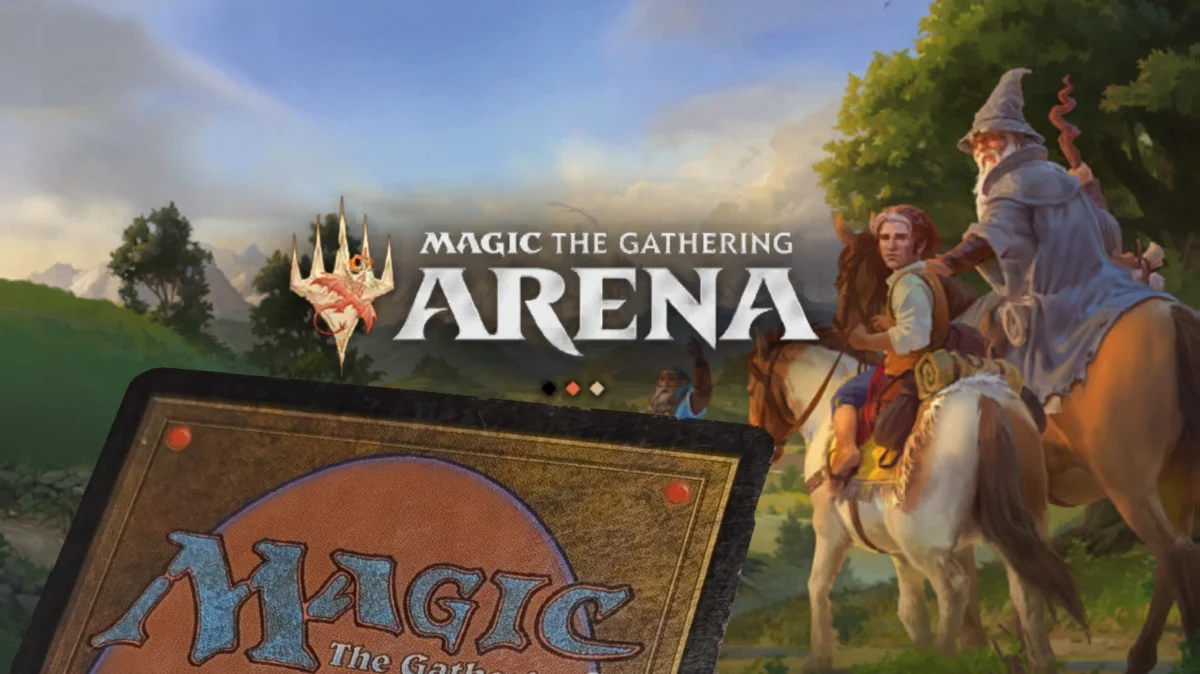
The digital landscape of collectible card games (CCGs) has undergone a significant transformation over the last decade, with Wizards of the Coast’s Magic: The Gathering Arena (MTG Arena) emerging as the definitive platform for the world’s oldest trading card game. As the platform enters 2026, it serves as a critical bridge between the traditional, analog history of Magic and the modern, high-speed digital gaming market. For players who may have stepped away from the game during the late 1990s or early 2000s, the current iteration of the software offers a complex, data-rich environment that balances accessibility with the deep strategic requirements that have defined the franchise for over thirty years.
A Brief History of Digital Magic
Magic: The Gathering, originally designed by Richard Garfield and released in 1993, has long been the gold standard for tabletop strategy. Throughout the late 90s, the game expanded through the "Duels of the Planeswalkers" series, which offered a curated, simplified experience for digital audiences. However, these iterations lacked the comprehensive card library and competitive depth required for a true simulation of the paper game.
The launch of MTG Arena in 2018 represented a pivotal shift in the company’s business model. By transitioning to a "Free-to-Play" structure that mirrors contemporary digital competitors like Blizzard’s Hearthstone, Wizards of the Coast successfully captured a new demographic. As of 2026, the application spans across PC, Android, and iOS, utilizing a unified account system that allows players to seamlessly transition between desktop and mobile environments. The development of the software has prioritized the visualization of complex mechanics, utilizing automated "stack" management to handle the thousands of unique interactions that occur within a standard match.
Analyzing the Modern Meta and Complexity
For returning players, the most immediate hurdle is the sheer scale of the current game. Modern Magic is significantly faster than it was in the late 20th century. While the core loop of drawing seven cards and reducing an opponent’s life total to zero remains intact, the "power creep" of modern set design is palpable.
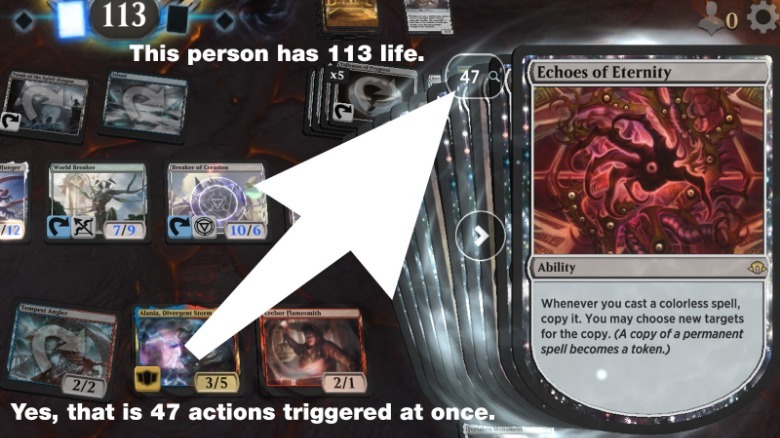
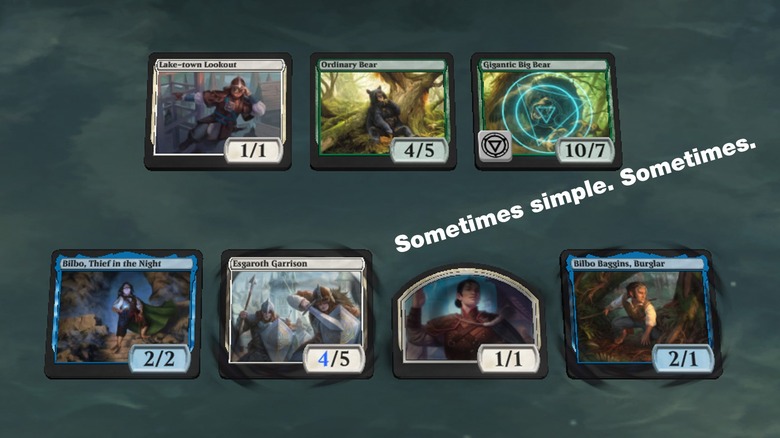
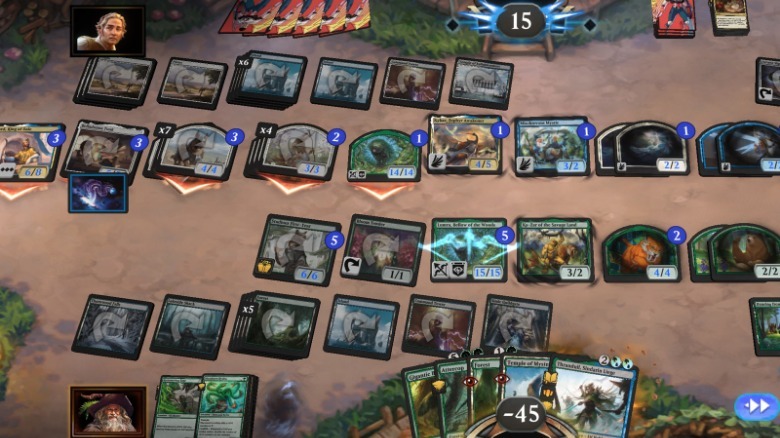
In the current 2026 meta, games are often decided by turn five or six. Strategy has moved away from the slow-burn, resource-heavy battles of the past toward explosive, combo-driven board states. Players frequently encounter decks utilizing "tokens" and "+1/+1" counters that can spiral out of control within minutes. This represents a major departure from the "Stompy" or "Burn" decks of the 1990s. The digital format, through its visual fidelity, allows for the display of these complex board states—such as high-level hydra creatures or swarms of creatures—without the manual labor of tracking counters with dice or paper, which historically deterred many casual players.
The Utility of Digital Playtesting
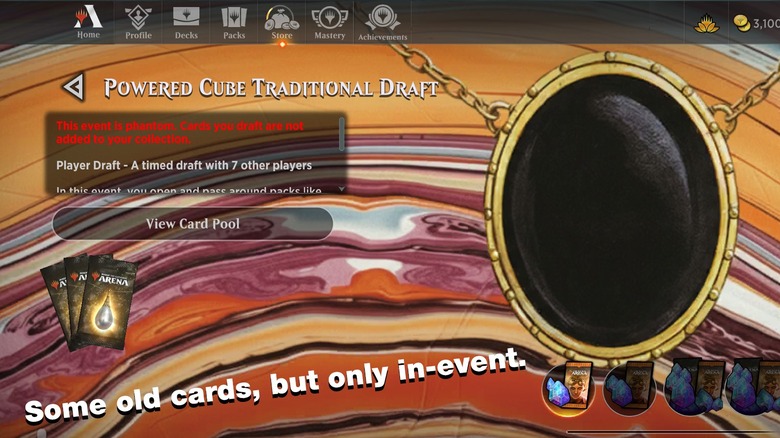
Beyond the inherent entertainment value, MTG Arena has become an essential tool for competitive tabletop players. The ability to "draft" sets—a format where players build decks from randomized packs in real-time—allows enthusiasts to experiment with new mechanics before investing in physical product.
The integration of licensed sets, such as the widely popular Lord of the Rings-themed expansions, has further increased the platform’s reach. By providing a low-cost, or even free, environment to test the efficacy of specific cards, the platform acts as a buffer against the high cost of entry for physical paper play. Professional tournament organizers have noted that the "barrier to entry" for competitive play has been significantly lowered; players can now practice high-level strategies against an international pool of opponents without the logistical constraints of traveling to a local game store.
Economic Structure and Accessibility
The monetization of MTG Arena remains a point of contention and interest among the player base. The platform operates on a "Wildcard" system, which allows players to redeem specific tokens for any card of a chosen rarity. This system is a departure from the secondary market dynamics of physical cards, where prices are dictated by scarcity and collector demand.
Data from the past several quarters suggests that while the cost of maintaining a "Tier 1" competitive deck in the digital app is lower than in the physical market, the time investment required to "grind" for currency is substantial. For the casual player, the game offers a steady stream of rewards tied to daily achievements, such as casting a specific number of spells or winning a certain number of matches. This structure incentivizes consistent, daily engagement, a common trait among successful modern live-service games.
Broader Implications for the Franchise
The existence of MTG Arena in 2026 highlights the ongoing symbiosis between digital and analog media. While some skeptics feared that digital play would cannibalize the physical card market, the opposite appears to have occurred. Physical sales of Magic: The Gathering have continued to grow, fueled by a new generation of players who were first introduced to the game through the app.
For the "Senior Citizen" demographic of the player base—those who fondly remember the era of $2.50 booster packs—the application provides a convenient, low-friction entry point. The primary challenge remains the interface; the transition from physical cardboard to a touch-screen requires a recalibration of how one views the "board." However, the addition of visual flair—such as the dramatic animations accompanying powerful spells—serves to modernize the experience for a digital-native audience without alienating those who value the game’s core strategic integrity.
Conclusion: A Strategic Evaluation
The decision to utilize MTG Arena in 2026 should be based on a player’s specific goals. If the objective is to relive the simplistic, slow-paced environment of the mid-90s, the app may prove overwhelming due to the speed and complexity of modern sets. The platform does not cater to the "classic" format in a vacuum; it is a living, evolving ecosystem that reflects the current state of Magic as a whole.
However, for those looking to sharpen their tactical skills, test new deck archetypes, or engage with the game without the requirement of physical space and local tournament attendance, the application is currently unrivaled. It represents a successful marriage of traditional game design and modern software engineering, ensuring that the legacy of Magic: The Gathering remains relevant in an increasingly digital-first entertainment landscape. As the game continues to evolve, the data-driven insights gained from the app will likely continue to dictate the direction of physical card design, further cementing the digital platform’s role as the heartbeat of the franchise.