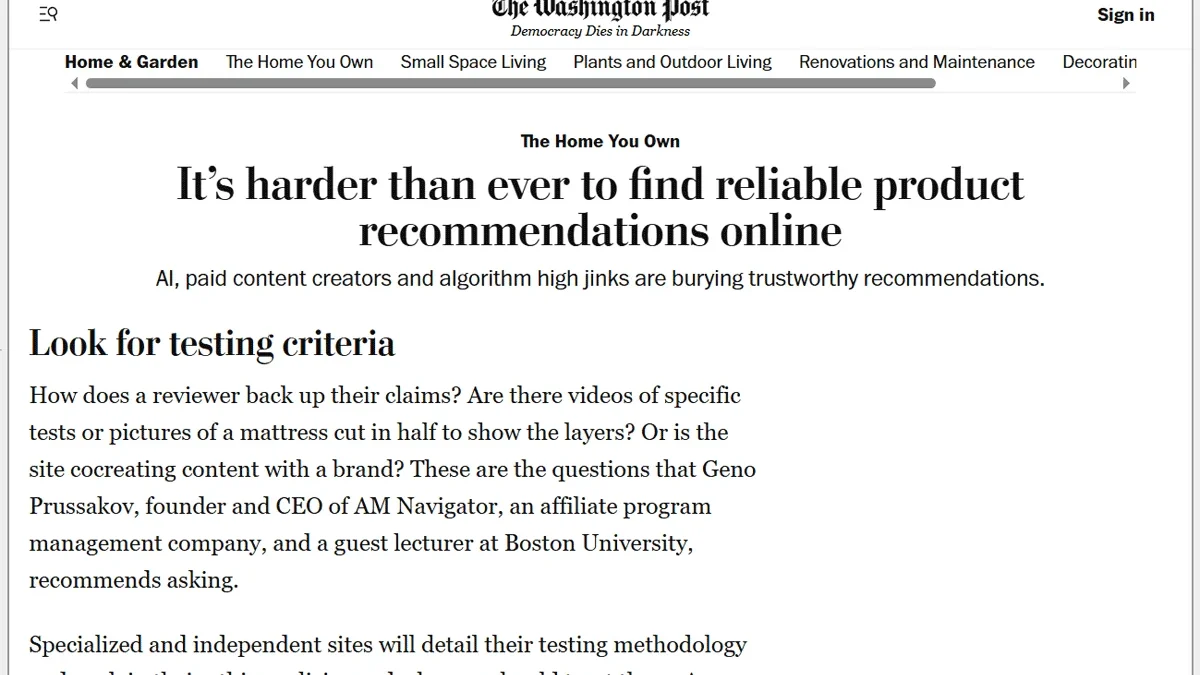
The intersection of traditional journalism and commercial affiliate marketing has transformed the digital retail landscape, raising critical questions regarding consumer trust, editorial integrity, and the monetization of search engine authority. Earlier this year, prominent media outlets, including The Washington Post, initiated public and industry-wide discussions regarding the methodology behind online product recommendation lists and holiday shopping roundups. As legacy news organizations and digital publishers increasingly rely on commerce content to diversify revenue streams, industry experts and consumer advocates are closely examining how these platforms balance commercial incentives with journalistic objectivity.
This comprehensive analysis explores the mechanisms driving big media commerce operations, the internal vetting processes publishers utilize to maintain credibility, the financial arrangements that occasionally influence product placement, and actionable strategies consumers can employ to make informed purchasing decisions in an increasingly commercialized digital environment.
The Evolution of Big Media Commerce and Search Engine Authority
Over the past decade, the publishing industry has experienced a profound economic shift. Traditional revenue models heavily reliant on print subscriptions and display advertising have faced severe headwinds due to the rise of digital ad-blocking, shifts in readership habits, and the dominance of major technology platforms in the digital advertising market. To survive and thrive, major media organizations began leveraging their considerable brand equity and search engine optimization (SEO) authority to enter the affiliate marketing ecosystem.
Search engine authority—the metric by which search engines like Google evaluate the trustworthiness, relevance, and expertise of a website—plays a pivotal role in this evolution. Because legacy media sites often boast domain authority scores built over decades of rigorous reporting, search algorithms frequently rank their product roundups, review articles, and gift guides near the top of search engine results pages (SERPs) for high-intent commercial queries.
When a consumer searches for terms such as "best smart home devices" or "top-rated mattresses," articles published by household-name media outlets often dominate the top positions. By embedding affiliate links within these articles, publishers earn a commission whenever a reader clicks through and purchases a recommended item. While this model has proven to be a highly lucrative revenue generator for publishers seeking to offset declining print revenues, it has also blurred the traditional boundary between independent journalism and commercial endorsement.
Behind the Scenes: How Major Publishers Vet Products
Despite the inherent commercial incentives, industry practitioners with direct experience managing affiliate programs for major merchants emphasize that most reputable media organizations approach commerce content with rigorous internal standards. Rather than haphazardly listing products to maximize short-term revenue, top-tier publishers typically employ dedicated commerce desks, specialized product testers, and strict editorial guidelines designed to protect their brand reputation.
Based on insights from affiliate program management professionals who routinely collaborate with prominent publishing houses, major media outlets generally implement a four-tiered approach to vetting products before publication:
-
Rigorous Hands-On Testing: Unlike low-quality content farms that merely aggregate online reviews, reputable media brands frequently maintain dedicated testing laboratories or rely on expert reviewers who physically handle, test, and evaluate products over extended periods. Performance metrics, durability, ease of use, and value for money are systematically assessed.
-
Editorial Independence and Separation of Duties: In well-structured media organizations, the commercial or affiliate partnerships team operates independently from the editorial and product review staff. Writers and reviewers are often insulated from financial arrangements negotiated by business development teams, ensuring that editorial recommendations remain focused on product quality rather than commission rates.
-
Compliance with Regulatory Standards: Major publishers are acutely aware of legal requirements established by regulatory bodies such as the Federal Trade Commission (FTC). Consequently, comprehensive affiliate disclosure statements are routinely placed at the beginning or within commerce articles to transparently inform readers that the publisher may earn a commission from purchases made through featured links.
-
Continuous Monitoring and Content Updates: Because product availability, pricing, and quality fluctuate over time, reputable publishers regularly audit and update their commerce roundups. Outdated models are removed, and newly released competitors are integrated into existing guides to ensure consumers receive accurate, up-to-date information.
The Financial Realities of Affiliate Partnerships and Placement Influences

While the aforementioned safeguards protect editorial integrity in many instances, industry observers acknowledge that financial arrangements can occasionally influence product rankings and visibility. The digital commerce ecosystem involves complex commercial negotiations between merchants, affiliate networks, and publishing partners.
Several financial mechanisms can impact how and where products appear in media roundups:
-
Placement Fees and Flat-Rate Sponsorships: In some cases, brands pay publishers a guaranteed placement fee to guarantee inclusion in high-traffic shopping guides, particularly during peak retail periods such as Black Friday, Cyber Monday, and Amazon Prime Day. While these placements are sometimes explicitly labeled as sponsored content, the distinction is not always immediately clear to the average reader.
-
Inflated Affiliate Commission Rates: Merchants operating highly competitive affiliate programs may offer elevated commission percentages to publishers as an incentive to secure higher placement or more prominent real estate within a product roundup.
-
Earnings Per Click (EPC) Guarantees: Publishers often analyze EPC metrics to determine which merchant links generate the highest financial return. Products or brands that consistently yield higher conversions may receive preferential treatment in subsequent updates of recommendation lists.
-
Hybrid Agreements: A combination of base placement fees, tiered commission structures, and cooperative marketing funds are frequently utilized in large-scale retail partnerships, aligning the financial interests of the publisher and the merchant.
Consumer Strategies for Evaluating Online Product Recommendations
Given the complex interplay between editorial authority and commercial incentives, consumers must adopt a critical, analytical approach when evaluating product roundups published by major media outlets. Industry experts recommend four key strategies to ensure purchasing decisions are based on objective merit rather than marketing influence:
-
Cross-Reference Multiple Sources: Never rely on a single recommendation list. Consumers should compare reviews across multiple independent publishing sites, consumer advocacy groups, and specialized technical review forums to identify consistent praise or recurring complaints about a specific product.
-
Scrutinize the Testing Methodology: Look for transparency within the review itself. Articles that detail specific testing parameters, outline testing environments, and explain why a particular winner was chosen are generally more reliable than surface-level roundups that rely solely on manufacturer specifications or aggregated user ratings.
-
Distinguish Between Editorial Reviews and Sponsored Content: Carefully read the disclosure statements accompanying commerce articles. Understand the difference between independently researched editorial roundups and paid sponsored content or native advertising features.
-
Evaluate Consumer User Reviews: Supplement professional media roundups by checking aggregated customer reviews across independent retail platforms. Pay close attention to verified purchaser feedback, noting common pain points, long-term durability issues, and customer service experiences that may not be captured during short-term professional testing.
Broader Industry Implications and Future Outlook
As the digital media landscape continues to evolve, the integration of commerce content and journalism is expected to remain a permanent fixture of publisher business models. The reliance on affiliate revenue has provided a vital financial lifeline for news organizations struggling against industry-wide economic pressures. However, this transition places an unprecedented burden of responsibility on publishers to maintain rigorous ethical standards.
Failure to maintain transparency and editorial integrity risks eroding the foundational consumer trust upon which media authority is built. Conversely, publishers that successfully balance commercial viability with rigorous, unbiased product evaluation can establish enduring, mutually beneficial relationships with their readership. For consumers, navigating this evolving ecosystem requires a heightened awareness of commercial incentives, careful cross-referencing, and a critical eye toward the digital recommendations that increasingly guide modern retail consumption.