The Current State of AI in Design and Engineering
The rapid evolution of Large Language Models (LLMs) and specialized design tooling over the past two years has forced a fundamental rethink of the traditional product development lifecycle. Recent industry data suggests that while adoption rates for AI-assisted coding and design are climbing, many organizations struggle with implementation consistency. According to recent surveys of UX and UI professionals, the primary barriers to widespread adoption are not technological capacity but rather the lack of standardized workflows and the difficulty of integrating AI agents into existing design systems.
As of late 2026, the industry has moved from the "early adopter" phase—characterized by experimental, one-off prompts—to a phase of professional integration. Teams are now tasked with building scalable architectures where AI does not merely generate assets, but actively participates in the maintenance of design tokens, documentation, and component synchronization. The AI 2027 Conference seeks to provide a roadmap for this transition, offering attendees a technical, hands-on look at the methodologies employed by industry leaders.
Event Chronology and Focus Areas
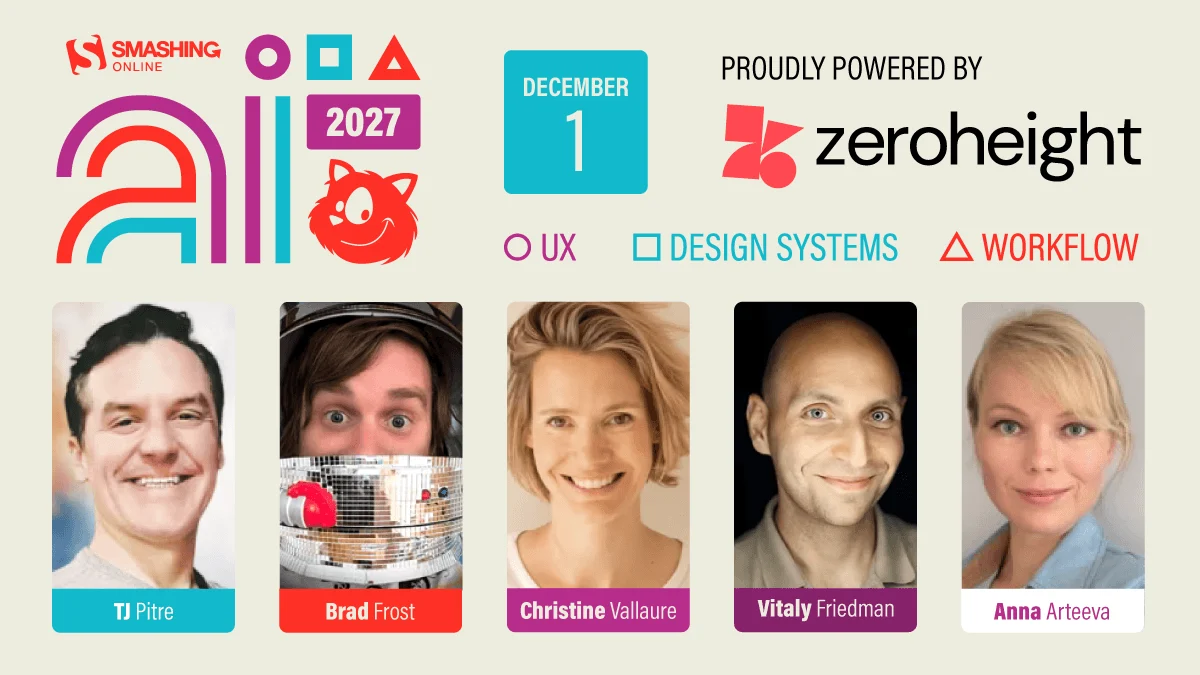
The conference agenda, scheduled for December 1, 2026, is structured as a series of intensive sessions that transition from high-level architectural strategy to granular, day-to-day tactical execution. The event begins with an analysis of designing AI-native experiences, specifically addressing how interfaces must adapt to non-deterministic, agentic behavior.
Following this, the schedule shifts to the technicalities of prototyping, with a particular focus on how designers and developers can bridge the gap between Figma files and functional code. A significant portion of the day is dedicated to the relationship between design systems and Model Context Protocols (MCPs). This is an emerging area of interest; by providing AI agents with structured, machine-readable context from design systems, teams can drastically reduce the error rates of AI-generated code.
The afternoon sessions address the "documentation gap." As AI agents become the primary consumers of design system documentation, the traditional, human-readable format is proving insufficient. The conference will examine how documentation must be restructured to be "machine-ready," ensuring that LLMs can accurately parse design constraints, color variables, and component interaction patterns without hallucinating outdated or incorrect data.
Expert Insights and Pedagogical Approach
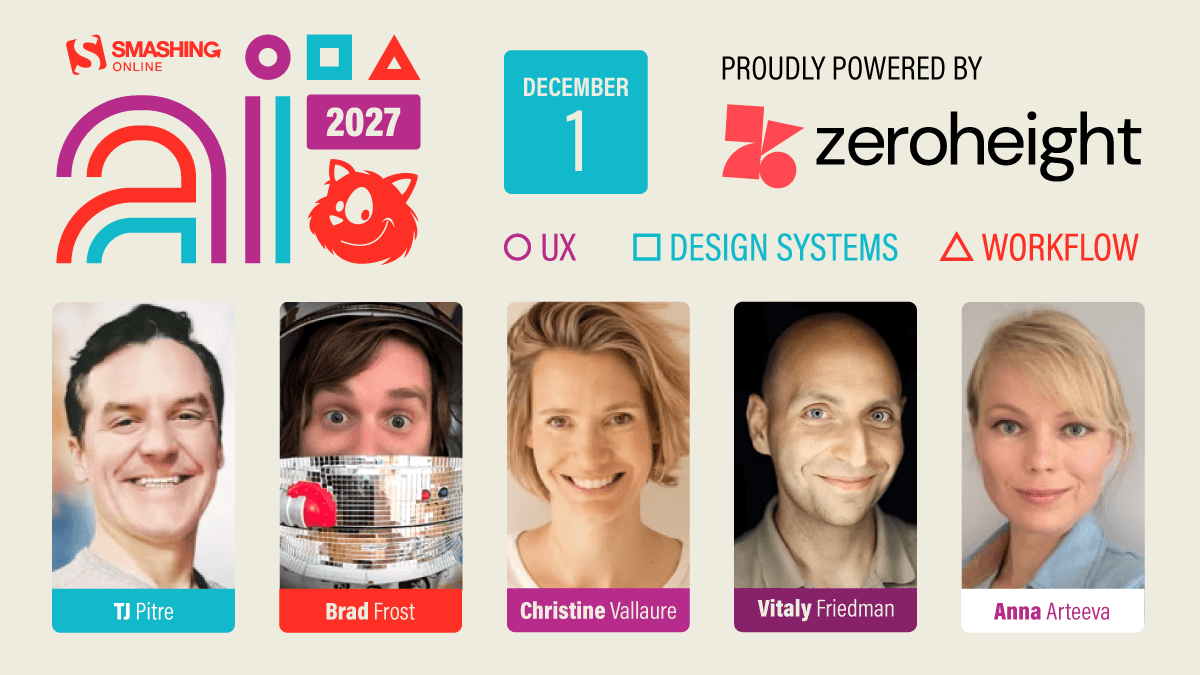
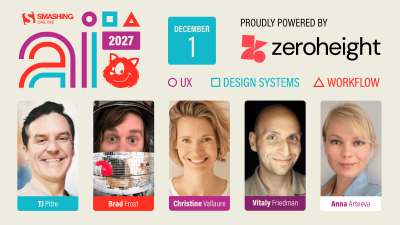
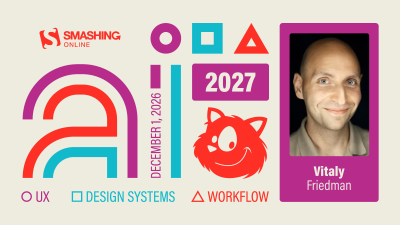
The speaker lineup for the event reflects a deliberate focus on the intersection of design, engineering, and education. Vitaly Friedman, the host of the event, emphasizes that the primary goal is to provide a "no-hype" environment. The speakers include professionals who have spent the last two years deep in the development of AI-integrated workflows.
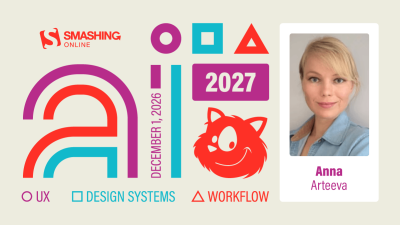
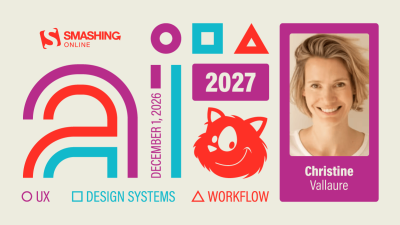
Anna Arteeva, a product design leader with extensive experience in agentic coding, is slated to discuss the transition from simple prompt engineering to the development of technical fluency. Her session will focus on how designers can maintain control over the design output while leveraging the speed of automated agents. Similarly, Christine Vallaure of Moonlearning.io will provide insights into the technical "weeds" of product work, focusing on how designers can successfully blur the lines between design and code to create a more cohesive development lifecycle.
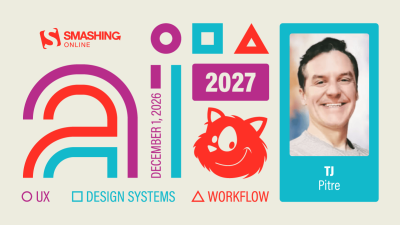
The event also features expertise from the core of the industry’s tooling infrastructure. TJ Pitre, Product Architect for AI and Design Systems at Figma, will provide a perspective on how modern design tools are evolving to accommodate AI-driven workflows. His inclusion is particularly relevant, as Figma has become the primary battleground for the integration of generative AI into the design process.
The Role of Infrastructure: Partnerships and Documentation
A critical component of the conference is the collaboration with zeroheight, a platform specializing in design system documentation. The partnership highlights a growing trend in the industry: the necessity of a "single source of truth" that is accessible to both humans and machines.
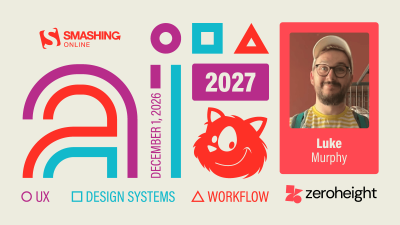
Luke Murphy, Principal Design Advocate at zeroheight, will deliver a presentation titled "Nobody Will Read Your Documentation." This session serves as a commentary on the current state of internal documentation, which is often ignored by humans and misunderstood by AI. The presentation is expected to provide actionable strategies for structuring documentation to ensure it serves as a reliable training ground for the internal AI agents that companies are increasingly deploying to handle front-end tasks.
Broader Industry Implications
The implications of the strategies discussed at the AI 2027 Conference extend far beyond the immediate gains in productivity. By refining the interaction between design systems and AI, organizations are essentially building the infrastructure for autonomous product development. The shift from manual handoff to "agentic" collaboration suggests that the role of the designer is moving away from pixel-pushing toward system architecture and oversight.
Analysts suggest that 2027 will be a "year of consolidation" for AI in design. After the initial surge of novelty-focused AI tools in 2024 and 2025, the market is now demanding tools that offer reliability, version control, and compliance. The conference serves as a barometer for this shift. By focusing on "what works and what doesn’t," the event acts as a filtering mechanism for the myriad of tools and patterns currently saturating the market.
Furthermore, the emphasis on "practicality" suggests a maturing market. When organizations move from asking "how can we use AI?" to "how can we build an AI-ready design system?", the industry enters a stage of professionalization. This shift is critical for the long-term sustainability of design systems, which have historically been difficult to maintain in fast-paced, agile environments.
Attendance and Accessibility
The event is designed as a fully remote, half-day experience, ensuring that professionals across different time zones can participate. Given the global nature of the design and engineering communities, organizers have provided tools for timezone verification to ensure participants can engage with the live breakout sessions. These sessions are specifically intended to be interactive, allowing attendees to bring their own, real-world "workflow headaches" to the experts.
By providing a venue for direct engagement, the conference seeks to foster a community of practice. The networking opportunities provided by the breakout rooms are intended to mirror the collaborative nature of the design process itself. As attendees share their experiences with different AI toolchains, they contribute to a broader understanding of the limitations and strengths of current technology.
In conclusion, the AI 2027 Conference represents a targeted effort to standardize the chaotic, rapid-fire adoption of artificial intelligence in professional product teams. By focusing on the intersection of documentation, design systems, and agentic workflows, it provides a much-needed framework for professionals looking to maintain their technical relevance in a changing landscape. The event is not merely an educational exercise, but a necessary step toward the next generation of digital product development, where the collaboration between human creativity and machine efficiency becomes the standard rather than the exception. Attendees will leave with a clear understanding of the tools, strategies, and architectural changes required to remain competitive in the evolving landscape of 2027.