
In the contemporary commercial landscape, businesses face unprecedented levels of market saturation and consumer skepticism, making holistic marketing an absolute operational necessity rather than a mere theoretical preference. This comprehensive management philosophy requires companies to align every internal department, external communication channel, and promotional partner to deliver a unified, consistent brand message. By bridging the traditional gaps between sales, customer service, operations, and external affiliate networks, organizations can optimize the entire buyer journey, cultivate deep consumer trust, and secure long-term, sustainable financial growth.
Unlike traditional siloed marketing—where disparate departments manage individual channels independently with varying messaging—holistic marketing operates on the principle that every single customer touchpoint shapes brand perception. Whether a consumer encounters a company via a public relations press release, a social media advertisement, a customer service interaction, or an independent affiliate partner’s product review, the core values, visual identity, and strategic promises must remain entirely uninterrupted. This rigorous consistency eliminates consumer confusion, fosters long-term brand equity, and directly addresses modern consumer demands for authenticity and transparency in corporate behavior.
Core Dimensions of Holistic Marketing Frameworks
To successfully implement a holistic marketing strategy, corporate leadership must master its three foundational dimensions: internal marketing, relationship marketing, and societal marketing. Each dimension serves as a vital pillar ensuring that external commercial messaging accurately mirrors internal corporate culture and ethical responsibilities.
Internal marketing recognizes that a company’s employees and service providers are its primary brand ambassadors. Before personnel can effectively communicate a product’s value to the public, they must intimately understand, believe in, and embody the company’s core vision and values. When human resources, customer support, and affiliate program managers are genuinely engaged and motivated, their enthusiasm translates organically into superior customer interactions and higher operational performance. Internal alignment ensures that a brand’s promise is lived from the inside out, preventing the disconnect that often occurs when frontline workers are left out of overarching strategic loops.
Relationship marketing shifts the corporate focus from transactional, one-off sales to the cultivation of enduring, mutually beneficial connections. By prioritizing customer retention, lifetime value, and post-purchase satisfaction, businesses naturally transform casual buyers into repeat patrons, brand ambassadors, and even active affiliates. Furthermore, this relationship-driven mindset extends to business-to-business partners, including suppliers, wholesalers, and publishers. Keeping these stakeholders informed and closely engaged builds a resilient corporate ecosystem capable of weathering broader economic fluctuations.

Societal marketing integrates corporate social responsibility (CSR) and ethical practices directly into the business model. Modern consumers increasingly favor brands that demonstrate a genuine commitment to addressing societal challenges, such as environmental sustainability, educational support, and community development. Industry data consistently indicates that companies actively participating in ethical initiatives experience enhanced brand equity, elevated consumer trust, and stronger public relations outcomes. When a brand sponsors a local initiative or donates a portion of its proceeds to charitable causes, the resulting goodwill naturally amplifies traditional marketing, public relations, and social media campaigns, creating a multiplier effect for overall visibility.
Essential Components of an Integrated Strategy
Executing a holistic marketing framework requires the synchronization of several interconnected components, each engineered to eliminate operational friction and reinforce brand authority.
At the center of this framework is a strictly customer-centric approach. Businesses must base their product development, messaging, and service delivery on rigorous market research regarding consumer behaviors and preferences. This dedication heavily influences third-party partnerships, particularly within affiliate marketing. High-performing affiliate publishers routinely audit brands before agreeing to promote them, meticulously testing the buyer journey from initial landing page arrival to final checkout. If a brand fails to deliver a frictionless, high-value customer experience during these evaluations, top-tier affiliates will decline partnerships, safeguarding their own reputations and withholding valuable traffic.
To support this customer-centricity, organizations must deploy an integrated marketing mix. This component forces distinct departments—such as public relations, paid advertising, social media management, and affiliate networks—to synchronize their creative assets, color schemes, typographies, and core messaging. When every channel communicates the same unique selling proposition (USP), the brand eliminates internal contradictions, solidifying its identity in the consumer’s subconscious.
Data-driven decision-making acts as the analytical anchor for holistic frameworks. By leveraging advanced analytics, customer relationship management (CRM) systems, and attribution modeling, businesses can continuously evaluate campaign performance, track consumer feedback, and dynamically reallocate resources to high-performing channels. This empirical approach ensures that marketing spend remains efficient and directly aligned with overarching corporate objectives.
Tangible Benefits and Industry Application
Adopting a holistic marketing model yields measurable operational and financial benefits. Organizations eliminate redundant workflows, optimize cross-departmental resource allocation, and construct a seamless customer journey that systematically drives conversion and retention rates.
Within the affiliate marketing sector, holistic strategies deliver compounding advantages. Affiliates strongly prefer representing stable, highly optimized brands characterized by high customer lifetime values and reliable conversion metrics. When a company successfully unifies its messaging and delivers exceptional customer service, affiliate program statistics naturally improve. A handful of highly engaged publishers can ignite a performance snowball, eventually transforming the affiliate channel into one of the organization’s most lucrative revenue streams.
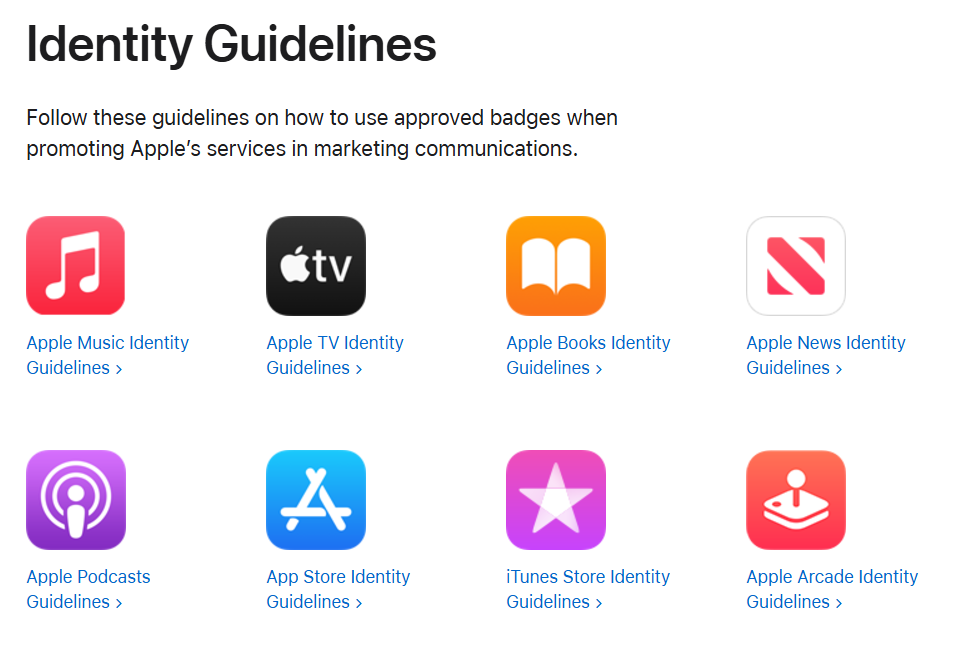
A prominent global example of holistic marketing execution is Apple Inc. The technology conglomerate meticulously coordinates every facet of its operations—from industrial product design and retail store layouts to digital advertising and comprehensive corporate values statements addressing privacy, accessibility, and environmental responsibility. Apple’s internal marketing on its career portals mirrors its external branding, ensuring that employees are deeply aligned with corporate objectives. Furthermore, specialized initiatives like the Apple Services Performance Partners Program provide strict, clear guidelines that equip affiliates to maintain absolute brand consistency, demonstrating how massive enterprises successfully scale holistic principles across global markets.
Step-by-Step Implementation and Future Outlook
Building a holistic marketing strategy requires a methodical, step-by-step approach designed to dismantle departmental silos and foster cross-functional collaboration.
- Define Precise Strategic Goals: Establish specific, measurable, attainable, relevant, and time-bound (SMART) objectives that encompass all business units, including sales, customer service, and affiliate programs.
- Conduct Comprehensive Audience Research: Gather granular data regarding consumer demographics, pain points, and behavioral patterns, and share these audience profiles directly with affiliate publishers to optimize targeting efficiency.
- Embed Customer-Centricity: Realign product development and support operations to prioritize long-term customer satisfaction and trust above short-term transactional gains.
- Synchronize Promotional Channels: Mandate cross-departmental communication so that PR campaigns, social media content, paid advertisements, and affiliate promotions operate from a unified creative and messaging playbook.
- Optimize via Analytics: Continuously monitor performance metrics, consumer feedback, and market shifts to refine strategies and maximize capital efficiency.
Looking toward the future, the digital landscape will demand even greater agility and technological integration. Emerging innovations such as artificial intelligence, machine learning, and immersive technologies will revolutionize personalization, requiring businesses to dynamically adapt their holistic strategies to individual consumer preferences. Moreover, as sustainability and social responsibility solidify into baseline consumer expectations, companies must transparently integrate these values into every tier of their operational and promotional architecture.
Ultimately, holistic marketing is not a temporary promotional tactic or a passing corporate trend; it is a fundamental philosophy for commercial survival and prosperity. By dismantling internal communication barriers, treating every department and affiliate partner as an interconnected puzzle piece, and maintaining unwavering brand consistency, organizations can successfully navigate market volatility and secure enduring competitive advantage.