The landscape of artificial intelligence-driven media creation has reached a significant milestone with the official release of the LimeWire Developer API. Long recognized as a pioneer in peer-to-peer file sharing during the early 2000s, LimeWire has successfully reinvented itself in recent years as a prominent AI content-generation platform. This newly introduced application programming interface (API) enables software engineers, web developers, and digital creators to seamlessly integrate advanced AI image generation and upscaling capabilities directly into their own applications, websites, and publishing workflows. By lowering the technical barrier to entry for programmatic visual creation, the launch marks a new phase in how developers can automate and personalize digital media assets at scale.
Main Facts and Core Functionalities
The newly launched LimeWire Developer API provides robust endpoints that allow external programs to interact directly with LimeWire’s underlying AI models. Rather than relying on manual interactions through a web browser or consumer-facing application, developers can now trigger complex media creation tasks programmatically using standard HTTP requests.
At its core, the API supports two primary functions: text-to-image generation and image upscaling. Through a straightforward POST request to the generation endpoint, developers can supply a natural language text prompt, specify preferred aspect ratios, and instantly receive high-quality AI-generated imagery. The process is streamlined to fit easily into modern development stacks, requiring standard authorization headers, a valid API key, and JSON-formatted payloads.
In addition to creating new visuals from scratch, the API equips engineers with the ability to enhance existing media. The image upscaling endpoint allows systems to take an already generated or uploaded image asset ID and scale its resolution by a factor of up to four. This dual capability ensures that applications utilizing the API can both produce novel concepts and refine visual assets to meet professional graphic standards automatically.
Background Context and Corporate Transformation
To understand the significance of the LimeWire Developer API, one must examine the brand’s dramatic evolution over the past two decades. Founded in 2000, LimeWire originally operated as one of the most popular peer-to-peer file-sharing clients on the internet. However, widespread copyright infringement litigation eventually forced the platform to shut down its core operations in 2010 following a landmark federal court ruling.

More than a decade later, in 2022, a new ownership group acquired the intellectual property rights with the intention of reviving the dormant brand. Instead of returning to file sharing, the revived company pivoted strategically into the burgeoning creator economy, initially launching as an NFT marketplace before rapidly expanding into a comprehensive AI-generated content suite. The platform introduced tools allowing everyday users to generate digital art, music, and video content without needing advanced artistic skills. The rollout of the Developer API represents the logical next step in this transformation, shifting LimeWire from a consumer-focused web application into a backend infrastructure provider for the broader software development community.
Technical Implementation and Integration Examples
For developers looking to integrate the service, the API has been designed for maximum simplicity and compatibility with standard web technologies. Interacting with the system requires minimal boilerplate code.
For instance, generating an image programmatically can be accomplished via a standard cURL command:
curl -i -X POST
  https://api.limewire.com/api/image/generation
  -H 'Authorization: Bearer MY_API_KEY'
  -H 'Content-Type: application/json'
  -H 'Accept: application/json'
  -H 'X-Api-Version: v1'
  -d '
    "prompt": "A futuristic metropolis at twilight",
    "aspect_ratio": "16:9"
  '
Similarly, enhancing the resolution of an existing asset requires a concise request referencing the specific asset identifier:
curl -i -X POST
  https://api.limewire.com/api/image/upscaling
  -H 'Authorization: Bearer MY_API_KEY'
  -H 'Content-Type: application/json'
  -H 'Accept: application/json'
  -H 'X-Api-Version: v1'
  -d '
    "image_asset_id": "116a972f-666a-44a1-a3df-c9c28a1f56c0",
    "upscale_factor": 4
  '
These streamlined endpoints enable developers to build custom workflows tailored to specific industry needs, drastically reducing the time required to source, format, and deploy visual media.
Broader Impact and Practical Implications for Content Creators
The availability of dynamic, programmatic AI media generation carries far-reaching implications for content creators, independent publishers, and enterprise software companies alike. Traditionally, content management workflows have relied on manual searches through stock photography libraries or bespoke graphic design commissioning. While effective, these methods introduce bottlenecks in publishing speed and often incur recurring licensing costs.
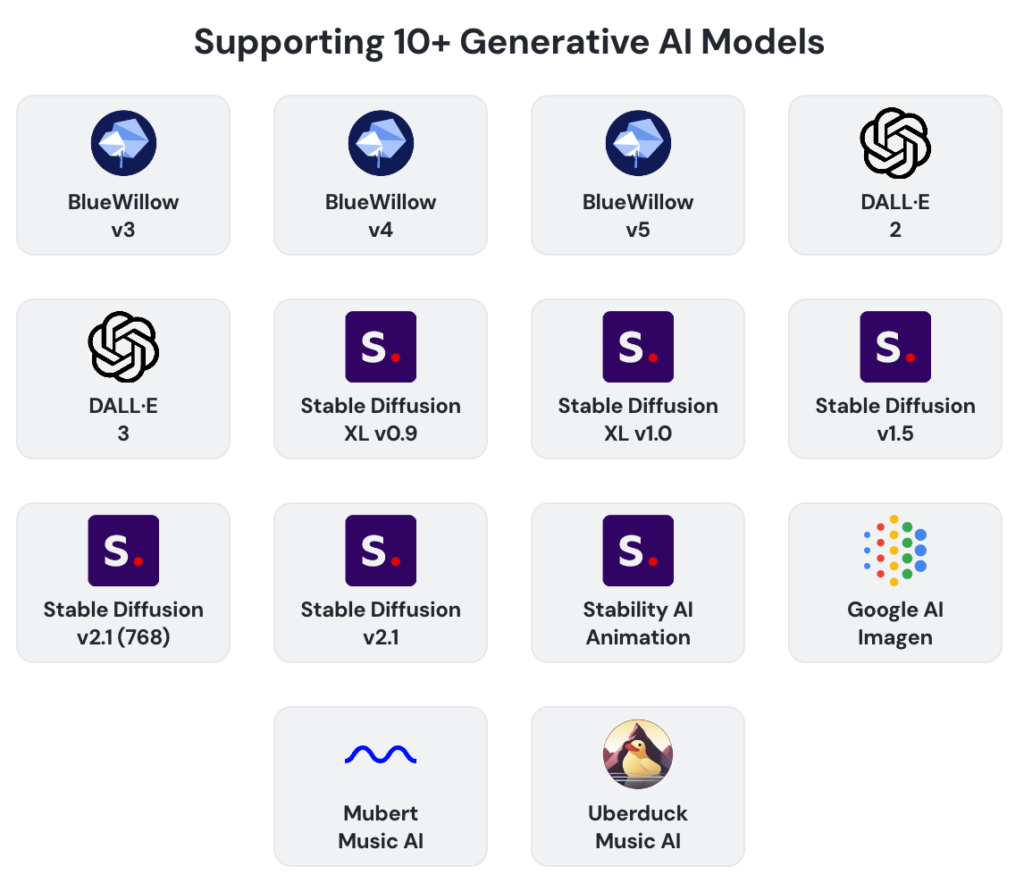
By integrating the LimeWire API into content management systems (CMS) and blogging platforms, publishers can automate the visual accompaniment process. For example, an author writing an article about renewable energy can configure their publishing backend to extract key themes from the text and automatically dispatch a prompt to the LimeWire API. Within seconds, a unique, contextually relevant header image is generated and attached to the post, completely eliminating the need to search external databases.
Furthermore, independent authors and storytellers can utilize the technology to dynamically generate illustrations for long-form narratives, children’s books, or interactive fiction platforms. By feeding plot descriptions directly into the API, creators can produce cohesive visual companions that match the exact tone of their written work.
Industry Competitiveness and Market Positioning
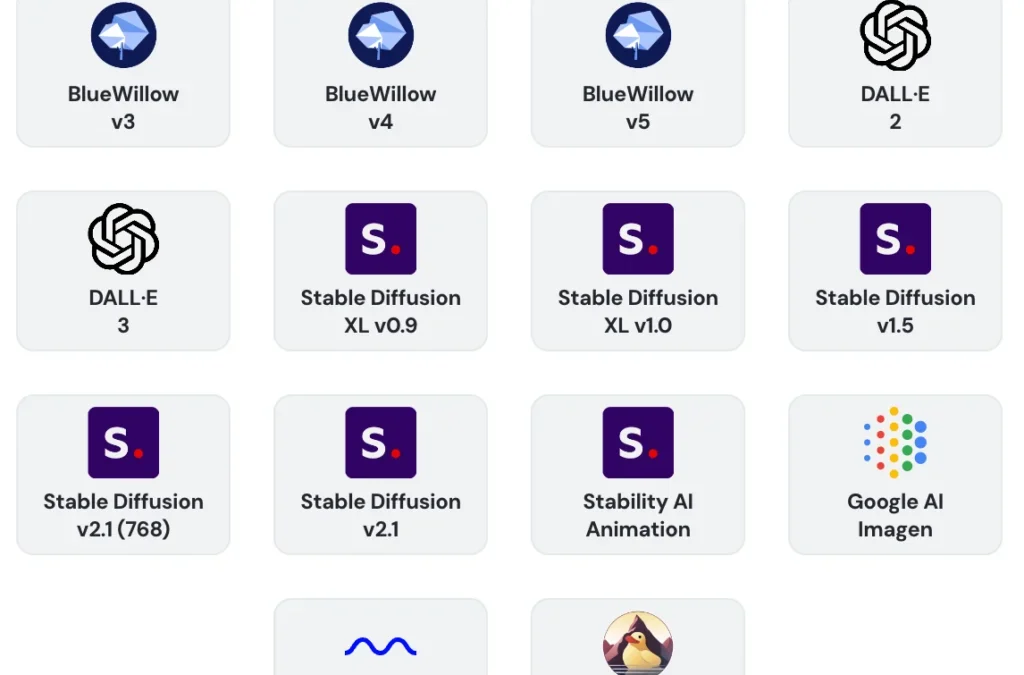
The generative AI sector has experienced exponential growth, with major technology conglomerates and specialized startups offering competing APIs for image generation, such as OpenAI’s DALL-E, Stability AI’s Stable Diffusion, and Midjourney’s API initiatives. In this crowded marketplace, LimeWire aims to carve out a distinct niche by focusing on developer accessibility, ease of integration, and a unified platform that bridges the gap between consumer-friendly interfaces and robust backend tools.
Industry analysts note that as generative AI matures, success will increasingly depend on ecosystem integration rather than standalone model performance alone. By providing developers with reliable documentation, straightforward endpoint structures, and specialized features like multi-stage upscaling, LimeWire is positioning itself as a flexible utility provider for developers seeking to embed creative capabilities into niche software products.
Conclusion and Future Outlook
The release of the LimeWire Developer API signifies a mature phase in the platform’s modern incarnation, successfully distancing its current operations from its legacy roots while capitalizing on contemporary technological demands. By empowering engineers to generate and refine visual media dynamically on the fly, LimeWire has opened new avenues for automation in publishing, software development, and digital storytelling.
As adoption grows, the developer community will likely build innovative wrappers, plugins, and native software integrations that further embed AI creation into everyday digital tools. Whether utilized by solo bloggers looking to automate their article imagery or large-scale enterprises building custom creative suites, the LimeWire API provides a versatile foundation for the next generation of programmatic media production.