The landscape of artificial intelligence media creation has undergone a profound transformation over the past several years, evolving from rudimentary text-to-image experiments into sophisticated systems capable of producing intricate video art, hyper-realistic photography, and complex digital illustrations. At the forefront of making these advanced capabilities accessible to the general public has been LimeWire, a brand historically recognized for peer-to-peer file sharing that successfully reinvented itself as an AI-powered content publishing and creation platform. Continuing this strategic evolution, the company has officially announced the release of its long-awaited Developer API. This new infrastructure is engineered to provide software developers, platform architects, and digital publishers with the programmatic tools required to generate and manipulate dynamic artificial intelligence art on the fly, directly within their own applications and workflows.
The introduction of the LimeWire Developer API represents a pivotal moment for the integration of generative AI into third-party software ecosystems. By exposing programmatic endpoints for image generation and asset upscaling, LimeWire is effectively bridging the gap between high-end generative models and everyday development environments. Software engineers no longer need to rely exclusively on consumer-facing web interfaces or manual prompt engineering workflows to leverage AI graphics. Instead, they can seamlessly embed these capabilities into automated pipelines, content management systems, and user-facing applications using standard HTTP requests and JSON payloads.
Technical Architecture and Implementation
Designed with developer ergonomics in mind, the LimeWire Developer API utilizes standard RESTful principles, making integration straightforward for engineers familiar with modern web development. Authentication is handled securely via Bearer tokens, ensuring that API keys are properly validated for each request. The architecture currently supports two primary pillars of AI media manipulation: text-to-image generation and high-resolution image upscaling.
The core image generation endpoint allows developers to programmatically submit natural language prompts alongside specific formatting parameters. For instance, a standard POST request directed to the API endpoint requires minimal configuration to produce tailored visual assets:
curl -i -X POST
  https://api.limewire.com/api/image/generation
  -H 'Authorization: Bearer MY_API_KEY'
  -H 'Content-Type: application/json'
  -H 'Accept: application/json'
  -H 'X-Api-Version: v1'
  -d '
    "prompt": "A beautiful princess in front of her kingdom",
    "aspect_ratio": "1:1"
  '
In addition to creating new images from scratch, the API addresses the frequent need for higher fidelity in digital publishing through its dedicated upscaling endpoint. Developers can take an existing image asset—identified by its unique system ID—and programmatically enhance its resolution by a factor of up to four. This is achieved via a similarly straightforward payload structure:
curl -i -X POST
  https://api.limewire.com/api/image/upscaling
  -H 'Authorization: Bearer MY_API_KEY'
  -H 'Content-Type: application/json'
  -H 'Accept: application/json'
  -H 'X-Api-Version: v1'
  -d '
    "image_asset_id": "116a972f-666a-44a1-a3df-c9c28a1f56c0",
    "upscale_factor": 4
  '
These technical specifications highlight a robust foundation built to handle scalable, automated media generation without requiring developers to manage heavy machine learning infrastructure or GPUs locally.

Background Context and Corporate Evolution
To fully understand the significance of LimeWire’s API launch, one must examine the company’s remarkable corporate trajectory. Founded originally in 2000 as a decentralized peer-to-peer file-sharing client, LimeWire became a cultural touchstone of the early internet era, synonymous with the mass downloading of digital music and software. However, the platform became embroiled in extensive copyright infringement litigation, culminating in a federal court injunction in 2010 that forced the shutdown of its core file-sharing operations and led to significant financial liabilities.
More than a decade later, in 2022, a new ownership group acquired the intellectual property rights with a radically different vision: transforming LimeWire into a mainstream digital creator studio and AI-generated content ecosystem. Abandoning its peer-to-peer roots entirely, the resurrected brand pivoted toward blockchain technology, digital collectibles, and, crucially, artificial intelligence tools designed to empower creators, musicians, and artists.
The introduction of the AI studio allowed average internet users to generate digital art through intuitive web interfaces, lowering the barrier to entry for creative expression. Over the subsequent two years, the platform expanded its toolkit to include audio generation, image editing, and community-driven monetization features. The release of the Developer API is the natural logical extension of this strategy, moving LimeWire from a closed-loop consumer application to an open, infrastructure-level provider of generative media technology.
Practical Applications and Workflow Implications
The implications of programmatic generative AI extend far beyond simple novelty, offering profound workflow efficiencies for digital publishers, content creators, and enterprise software platforms. Historically, sourcing imagery for articles, blog posts, and digital publications has involved cumbersome processes: searching through commercial stock photography libraries, ensuring proper licensing compliance, editing images to fit specific layout dimensions, or manually commissioning graphic designers.
With the deployment of the LimeWire API, content management systems and publishing platforms can automate this entire lifecycle. For example, an automated publishing workflow can extract keywords, titles, or summaries from a newly written text article, construct a targeted generative prompt, and query the LimeWire API upon publication. Within seconds, a completely unique, contextually relevant header image or inline illustration is generated and attached to the post without human intervention.
Similarly, independent authors and digital storytellers can feed entire narrative chapters or descriptive paragraphs into automated pipelines to produce accompanying visual storyboards or book illustrations dynamically. Furthermore, software-as-a-service (SaaS) platforms can integrate the API directly into their native user interfaces, allowing their own end-users to generate customized graphics on demand—effectively white-labeling LimeWire’s underlying generative muscle.
Broader Industry Trends and Competitive Landscape
LimeWire’s entry into the developer ecosystem arrives during a period of fierce competition within the generative artificial intelligence market. Major technology conglomerates, specialized AI startups, and open-source communities are all vying to establish industry standards for programmatic image generation. Competitors such as OpenAI with its DALL-E API, Midjourney through its growing ecosystem integrations, and Stability AI with the Stable Diffusion model weights have all established powerful footholds in the developer space.
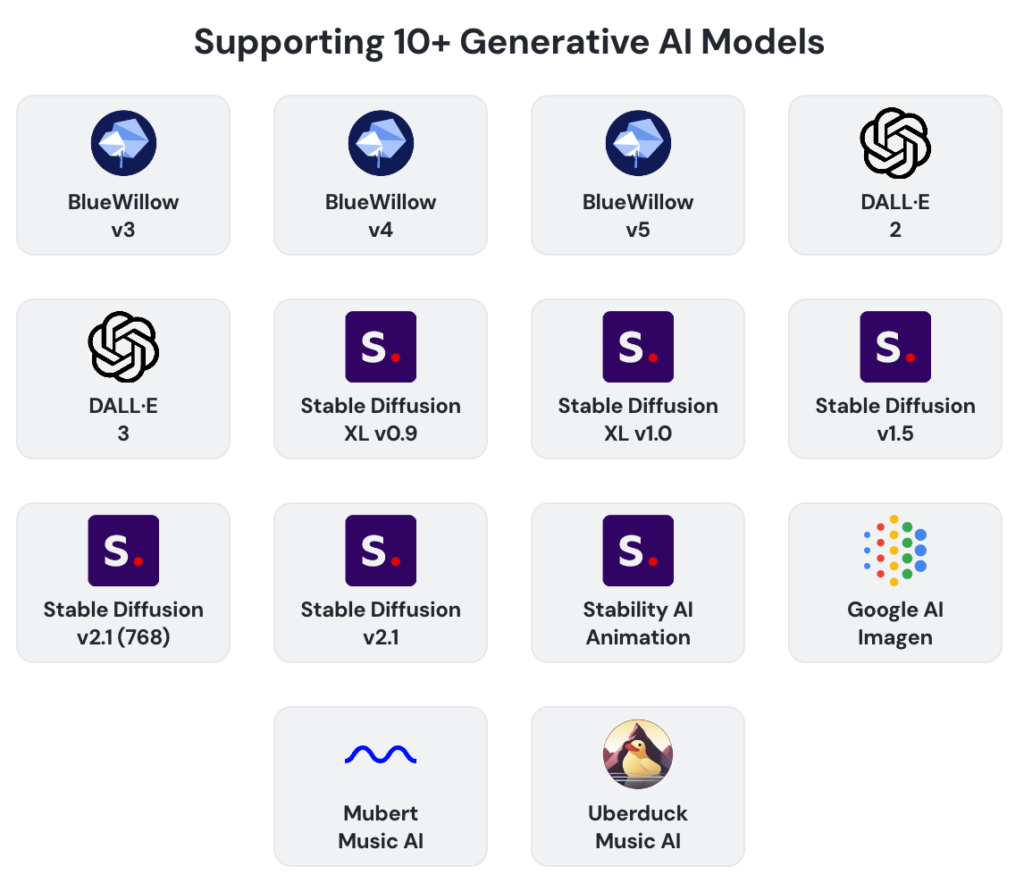
However, industry analysts note that LimeWire distinguishes itself by positioning its developer tools specifically around creator workflows and user-friendly web publishing integration rather than purely enterprise-grade machine learning research. By offering a streamlined, accessible API that focuses specifically on practical tasks like generation and upscaling, LimeWire is targeting the vast middle market of web developers, indie hackers, and small-to-medium enterprise platforms that require reliable media generation without the steep learning curve associated with managing raw neural network weights or complex cloud computing clusters.
Security, Compliance, and Ethical Considerations
As with any deployment of generative artificial intelligence technology, the release of the LimeWire Developer API brings important security, data privacy, and ethical responsibilities to the forefront. Programmatic access to media generation creates potential vectors for abuse, including the automated generation of misleading synthetic media, copyright concerns regarding training data, and the proliferation of low-quality spam content across the internet.
While LimeWire has implemented standard authentication protocols, rate limiting, and content moderation guardrails within its infrastructure, the broader developer community faces ongoing scrutiny regarding how programmatic AI assets are utilized. Responsible deployment requires software engineers to incorporate transparency measures—such as digital watermarking or clear labeling of AI-generated content—to maintain consumer trust and adhere to emerging regulatory frameworks governing synthetic media across global jurisdictions.
Future Outlook and Strategic Roadmap
Looking ahead, the launch of the Developer API marks the beginning of a new phase for LimeWire’s platform ecosystem. Company representatives and developer relations documentation suggest that the initial release of image generation and upscaling endpoints is merely the foundation. Future iterations of the API are expected to incorporate additional modalities, potentially extending programmatic access to video creation, audio generation, and advanced layer-based image editing tools that have recently debuted on the consumer-facing platform.
For software engineers, digital creators, and enterprise architects, the availability of LimeWire’s API provides a versatile new tool for building dynamic, media-rich applications. By abstracting the complex mathematics of generative models into simple, reliable REST endpoints, LimeWire continues its dramatic corporate metamorphosis—transitioning definitively from the legal battlegrounds of early-2000s file sharing into a modern, API-driven enabler of the artificial intelligence era.