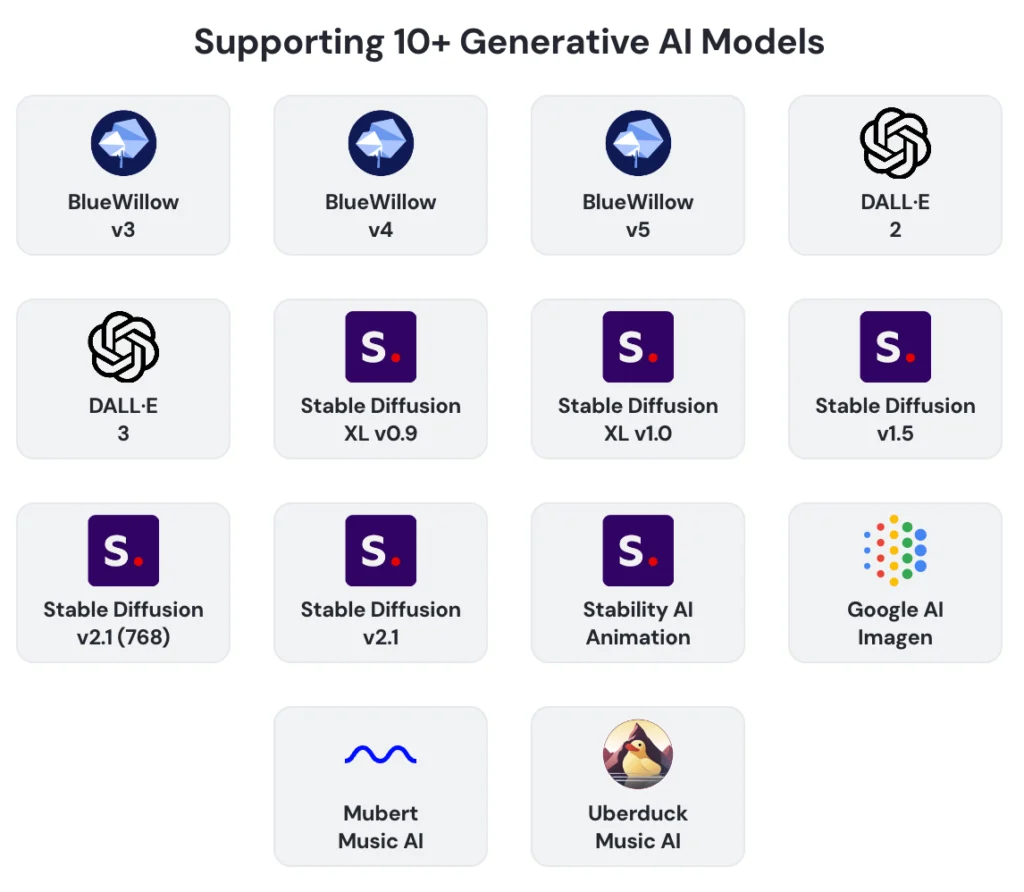
The landscape of digital content creation is undergoing a profound transformation, driven by rapid advancements in artificial intelligence. Among the most exciting developments is the emergence of AI-powered tools capable of generating sophisticated visual art, and a host of other creative assets. In this evolving ecosystem, LimeWire, a platform historically associated with peer-to-peer file sharing, has pivoted to become a significant player in the AI media creation space. The company has announced the release of its Developer API, a strategic move designed to democratize access to its AI art generation capabilities and empower a wider range of users, from seasoned engineers to aspiring artists and content creators.
This new API offers a programmatic interface, allowing developers to integrate LimeWire’s AI models directly into their own applications and workflows. This capability opens up a myriad of possibilities for creating dynamic, on-the-fly AI art, moving beyond static image generation to a more interactive and integrated approach to digital media. The implications are far-reaching, potentially revolutionizing how content is produced for websites, applications, and even personalized user experiences.
The Genesis of LimeWire’s AI Ambitions
LimeWire’s re-emergence in the tech sphere is a story of adaptation and strategic redirection. Once a ubiquitous, albeit controversial, platform for music file sharing in the early 2000s, the company has undergone a significant metamorphosis. Recognizing the burgeoning potential of AI and the growing demand for accessible creative tools, LimeWire has rebranded itself as a platform focused on AI-powered music and visual art generation. This strategic pivot aims to leverage its established brand recognition while venturing into a technologically advanced and rapidly expanding market.
The decision to launch a Developer API signifies a commitment to fostering an ecosystem around its AI technologies. By providing developers with the tools to build upon their platform, LimeWire aims to accelerate innovation and broaden the application of its AI models across various industries and use cases. This move is reminiscent of how other major tech companies have successfully built robust developer communities around their core technologies, leading to widespread adoption and diverse applications.
Unpacking the LimeWire Developer API
The core functionality of the LimeWire Developer API revolves around image generation and manipulation. For developers, this means the ability to programmatically command AI to create visual content based on textual prompts. This moves beyond the traditional graphical user interface (GUI) by enabling automated and integrated image creation workflows.
Key Features and Functionality:

-
AI Image Generation: The API allows users to submit descriptive text prompts, which the AI then interprets to generate unique images. This process is designed to be highly customizable, with parameters such as aspect ratio influencing the final output.
-
A foundational example of an API call for image generation is demonstrated through a
curlcommand:curl -i -X POST https://api.limewire.com/api/image/generation -H 'Authorization: Bearer MY_API_KEY' -H 'Content-Type: application/json' -H 'Accept: application/json' -H 'X-Api-Version: v1' -d ' "prompt": "A beautiful princess in front of her kingdom", "aspect_ratio": "1:1" 'This snippet illustrates the ease with which developers can initiate an image generation request. The inclusion of an
Authorizationheader with a unique API key ensures secure access, while theContent-TypeandAcceptheaders facilitate proper data exchange. The-dflag specifies the JSON payload containing the crucialpromptandaspect_ratioparameters.
-
-
Image Upscaling: Beyond initial generation, the API also offers functionality to enhance existing images. This includes upscaling, which increases the resolution and detail of an image. This feature is particularly valuable for improving the quality of AI-generated images or preparing existing assets for higher-resolution applications.
-
An example of an API call for image upscaling is as follows:
curl -i -X POST
  https://api.limewire.com/api/image/upscaling
  -H 'Authorization: Bearer MY_API_KEY'
  -H 'Content-Type: application/json'
  -H 'Accept: application/json'
  -H 'X-Api-Version: v1'
  -d '
    "image_asset_id": "116a972f-666a-44a1-a3df-c9c28a1f56c0",
    "upscale_factor": 4
  '
This
curlcommand demonstrates how to initiate an upscaling process. It requires theimage_asset_idof the image to be upscaled and the desiredupscale_factor. This functionality is critical for ensuring that AI-generated or existing imagery meets the quality standards for various media formats and printing requirements.
-
The structure of these API calls highlights a RESTful architecture, common in modern web services, emphasizing clear endpoints and structured data exchange. The inclusion of versioning (X-Api-Version: v1) suggests a commitment to backward compatibility and a roadmap for future API enhancements.
Bridging the Gap: From Concept to Creation
The value proposition of a dynamic AI media generation API is significant for various user segments. For engineers and developers, it represents an opportunity to automate and enhance content creation pipelines. Instead of relying on manual searches for stock imagery or engaging in time-consuming design processes, they can now generate bespoke visuals programmatically.
- Content Management and Blogging: Imagine a blogger writing an article about a complex scientific concept. Traditionally, finding a suitable, royalty-free image to illustrate the topic could be a challenge. With LimeWire’s API, the blogger could extract keywords from their article and send them as a prompt to the AI, generating a custom illustration that perfectly matches the content. This not only saves time but also ensures visual coherence and uniqueness.
- Authorship and Illustration: For authors, especially those self-publishing or working with limited budgets, the API offers a powerful tool for generating illustrations for their books. By feeding story elements or character descriptions into the AI, authors can create visual companions to their narratives, enhancing reader engagement and the overall presentation of their work.
- Platform Integration and User-Generated Content: The API can also be integrated into existing platforms, empowering their users to become creators. For instance, a social media platform could offer its users the ability to generate custom profile pictures or post visuals directly within the app, powered by LimeWire’s AI. This can foster greater user engagement and provide a novel way for users to express themselves.
The ability to integrate these AI capabilities directly into software and services means that AI-generated art is no longer confined to standalone applications. It can become an intrinsic part of user experiences, making creative expression more fluid and accessible than ever before.
Supporting Data and Industry Trends
The AI art generation market is experiencing exponential growth. According to recent industry reports, the global AI art market size was valued at approximately USD 1.5 billion in 2022 and is projected to expand at a compound annual growth rate (CAGR) of over 30% from 2023 to 2030. This surge is fueled by increasing accessibility of AI models, growing demand for personalized content, and advancements in deep learning technologies.
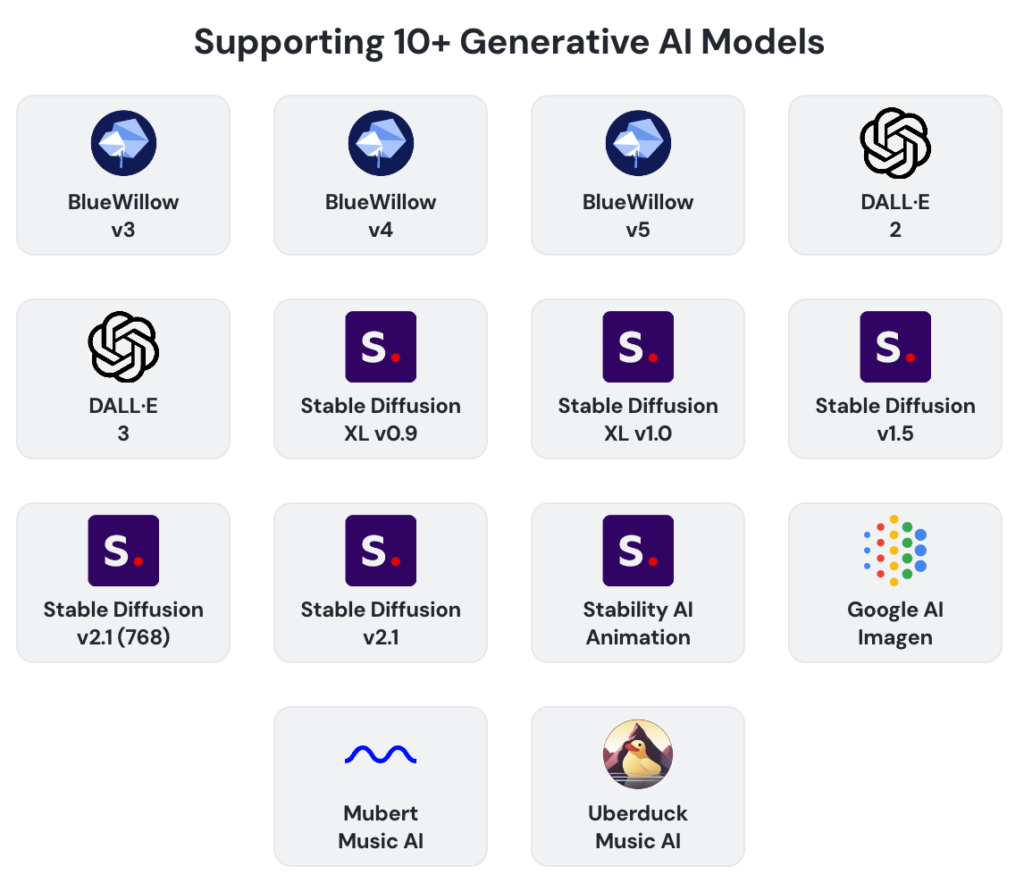
Companies like Midjourney, Stability AI (creators of Stable Diffusion), and OpenAI (with DALL-E) have been at the forefront of this revolution, showcasing the power of generative AI. LimeWire’s entry into this space, particularly with a developer-focused API, suggests a strategy to capture a segment of this market by enabling broader integration and application development. The focus on an "awesome interface for the average user to become an AI artist" through their platform, combined with a robust API for technical users, indicates a dual-pronged approach to market penetration.
Broader Impact and Future Implications
The release of LimeWire’s Developer API has several significant implications for the future of digital content creation:
- Democratization of Creativity: By providing programmatic access, LimeWire is lowering the technical barrier to entry for AI art generation. This empowers individuals and small businesses that may not have the resources for expensive design software or dedicated art teams to produce high-quality visual assets.
- Automation of Creative Workflows: The ability to automate image generation and manipulation can lead to significant efficiency gains in industries such as marketing, advertising, and game development. Tasks that previously took hours or days could potentially be reduced to minutes.
- Emergence of New Applications: As developers explore the capabilities of the API, it is likely that entirely new applications and services will emerge. These could range from personalized digital gift creators to dynamic visual storytelling platforms.
- Ethical Considerations and Copyright: As with all AI-generated content, discussions around copyright, ownership, and the ethical implications of AI art will continue to be paramount. LimeWire, like other AI companies, will need to navigate these complex issues to ensure responsible development and deployment of its technology. The company’s stance on these matters will be closely watched by the creative and legal communities.
The move by LimeWire to offer a developer API is a clear indication of its strategic intent to be a foundational technology provider in the AI media creation space. By empowering engineers to build innovative applications, LimeWire is not just offering a tool but also fostering a new wave of AI-driven creativity. The success of this initiative will depend on the robustness of their API, the quality of their AI models, and their ability to build a supportive developer community.
In conclusion, LimeWire’s foray into the AI media creation landscape with its new Developer API marks a significant step in its transformation. The platform’s commitment to providing accessible yet powerful AI tools, catering to both end-users and developers, positions it as a noteworthy contender in this rapidly evolving technological frontier. The potential for dynamic, on-the-fly AI art generation promises to reshape how digital content is conceived, created, and consumed across a multitude of applications and industries.