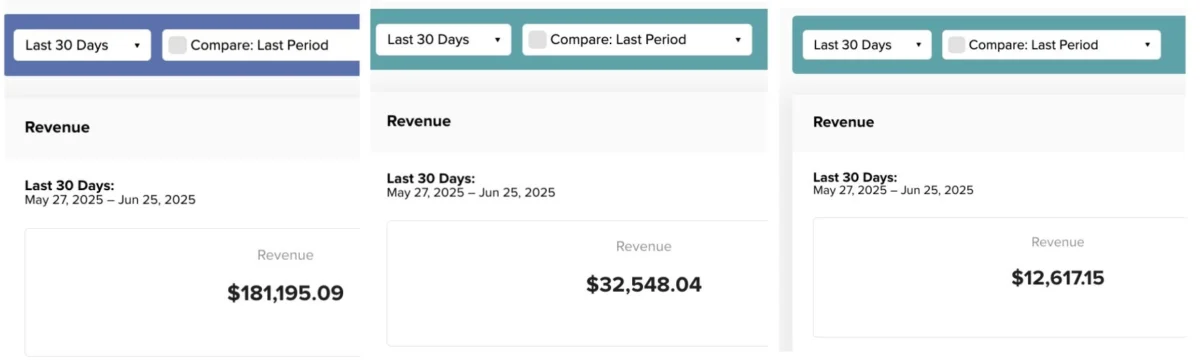
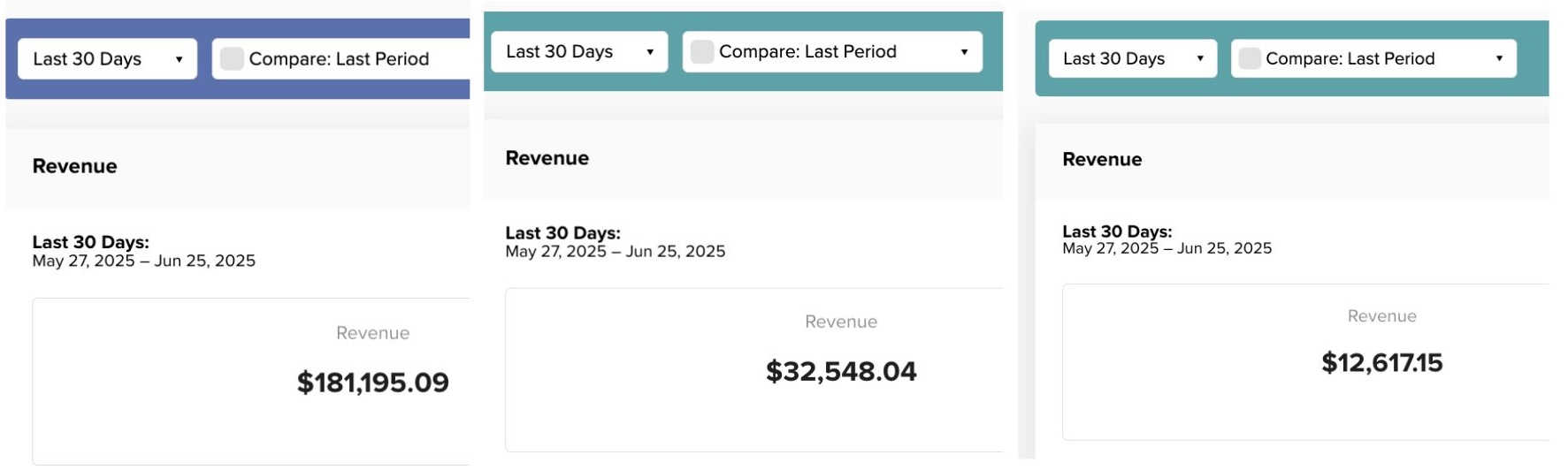
The modern digital publishing landscape has undergone a dramatic structural transformation over the past several years. For decades, independent website operators relied heavily on organic search engine optimization (SEO) to drive traffic, capture audiences, and monetize web properties through display advertising and affiliate marketing. However, persistent algorithm volatility, shifting search engine display features, and aggressive market consolidation have rendered traditional SEO strategies increasingly precarious for small-to-mid-sized publishers. In response to these headwinds, a growing segment of digital entrepreneurs is pioneering alternative traffic acquisition and monetization models that bypass search engines entirely. Among them is veteran niche site creator Jon Dykstra, who has documented an 18-month developmental blueprint resulting in multiple web domains generating over $100,000 per month in net profit without depending on traditional search engine referral traffic.
The Evolution of Niche Publishing and the Shift Away From Traditional SEO
Historically, the standard playbook for building a profitable content website involved identifying a specific niche, conducting keyword research, publishing high volumes of search-optimized articles, and waiting months—or even years—for domain authority to accumulate. Once organic traffic reached critical mass, publishers would integrate programmatic display advertising networks such as Mediavine or Raptive, supplemented by targeted affiliate marketing links.
While this model successfully generated millions of dollars for independent operators, its vulnerability became starkly apparent following a series of broad core algorithm updates deployed by major search engines. These updates frequently rerouted traffic away from independent publishers in favor of user-generated forums, massive media conglomerates, and direct-answer features. Consequently, relying exclusively on search engine traffic exposed creators to existential business risks overnight.

Recognizing these vulnerabilities, Dykstra embarked on a systematic pivot beginning in early 2024. Rather than abandoning content sites altogether, he restructured the underlying operational framework. The core premise shifted from chasing transient search engine rankings to building direct, owned audience channels and leveraging alternative, high-intent traffic sources.
Core Pillars of the Diversified Traffic and Monetization Blueprint
The multi-domain publishing model that emerged from this 18-month testing period relies on a synchronized ecosystem of content creation, direct audience capture, automated social media acquisition, and multi-layered monetization. According to operational disclosures, the system functions as a self-reinforcing flywheel rather than a collection of isolated revenue streams.
1. High-Value Content and Direct Audience Acquisition
The foundation of the strategy begins with publishing comprehensive, authoritative content designed to solve specific consumer problems rather than superficial blog posts created solely to rank for search queries. However, unlike traditional models where visitors consume a page and depart permanently, the primary objective of every piece of content is audience capture.
Publishers deploy dedicated email service providers—such as Kit (formerly ConvertKit)—to build owned subscriber lists. By embedding clear opt-in opportunities, lead magnets, and content upgrades throughout the site, creators insulate themselves against external platform changes. In the digital media sector, an email subscriber list is widely regarded as the ultimate insurance policy, remaining insulated from algorithm changes on social media platforms or search engines.
2. Multi-Tiered Monetization Architecture
Once traffic lands on a property, revenue generation occurs across several integrated touchpoints designed to maximize the value of every visitor:
- Display Advertising: High-traffic pages integrate premium programmatic ad management platforms like Mediavine, which provide passive revenue based on raw page views.
- Sitewide Affiliate Integration: Instead of managing fragmented, individual affiliate programs across hundreds of pages, publishers utilize centralized retail affiliate platforms such as Stay22. These systems automatically optimize link routing to direct traffic toward the highest-paying retail partners, streamlining administration while maximizing conversion efficiency.
- Newsletter Monetization: Email newsletters are treated as primary profit centers rather than secondary communication tools. Through monetization platforms like SparkLoop, publishers can generate incremental revenue by cross-promoting other curated newsletters, turning every outbound email into a direct income-generating opportunity.
3. Alternative Traffic Generation via Social Discovery Engines
Rather than depending on organic search rankings, the blueprint leverages platforms characterized by high commercial intent and visual discovery, such as Pinterest. Tools like PinClicks assist publishers in identifying trending topics and optimizing content for Pinterest’s internal search engine, which frequently yields high-converting referral traffic.
Concurrently, automated social media acquisition channels have redefined how new users enter the funnel. By utilizing advanced messenger automation tools like Manychat integrated with platforms such as Instagram and Threads, publishers can establish automated, conversational workflows. When a user engages with social content or leaves a comment, the system automatically initiates a dialogue that delivers immediate value and guides the user toward joining the email subscriber list. This process functions essentially as a round-the-clock acquisition mechanism.
Chronology of the Operational Scaling Process
The development of this six-figure model followed a methodical, iterative timeline:

- Months 1 to 6 (The Testing Phase): Initial experimentation focused on decoupling content sites from traditional SEO dependencies. Early iterations tested various social media acquisition channels, messaging automation sequences, and alternative affiliate networks to determine which combinations yielded the highest return on investment.
- Months 6 to 12 (Refining the Flywheel): Once viable traffic channels were identified via Pinterest and social automation, the focus shifted to conversion rate optimization. Email capture mechanisms were standardized, and monetization integrations were streamlined using unified platforms. During this phase, the first test domain crossed profitability thresholds capable of covering significant personal expenses, such as residential mortgages.
- Months 12 to 18 (Network Expansion and Scaling): Having proven the replicability of the model, operations expanded from a single property to a portfolio of three distinct domains. Each property operated within its respective niche while cross-feeding into a centralized subscriber and revenue network, ultimately scaling net profits past the six-figure monthly mark.
Industry Implications and Future Outlook
The success of multi-channel, non-SEO publishing models highlights a broader structural shift within the digital publishing industry. As customer acquisition costs rise across traditional paid advertising channels and search engine visibility becomes increasingly volatile, independent creators are placing renewed emphasis on owned media assets.
Industry analysts note that businesses combining content authority with direct-to-consumer email marketing and automated social acquisition exhibit greater resilience against macroeconomic and algorithmic disruptions. By diversifying revenue streams—balancing passive programmatic advertising with active affiliate commissions and newsletter sponsorships—publishers can smooth out seasonal revenue fluctuations.
Ultimately, the transition demonstrated by Dykstra and similar digital entrepreneurs signals a maturation of the niche publishing sector. It underscores that while organic search remains a valuable channel, sustainable, high-margin digital publishing increasingly depends on diversified traffic acquisition, robust email infrastructure, and an unwavering focus on building direct relationships with audiences.