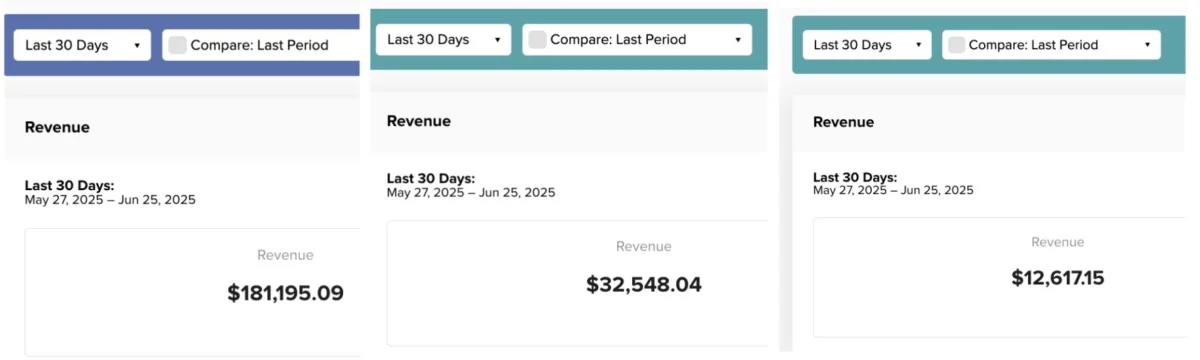
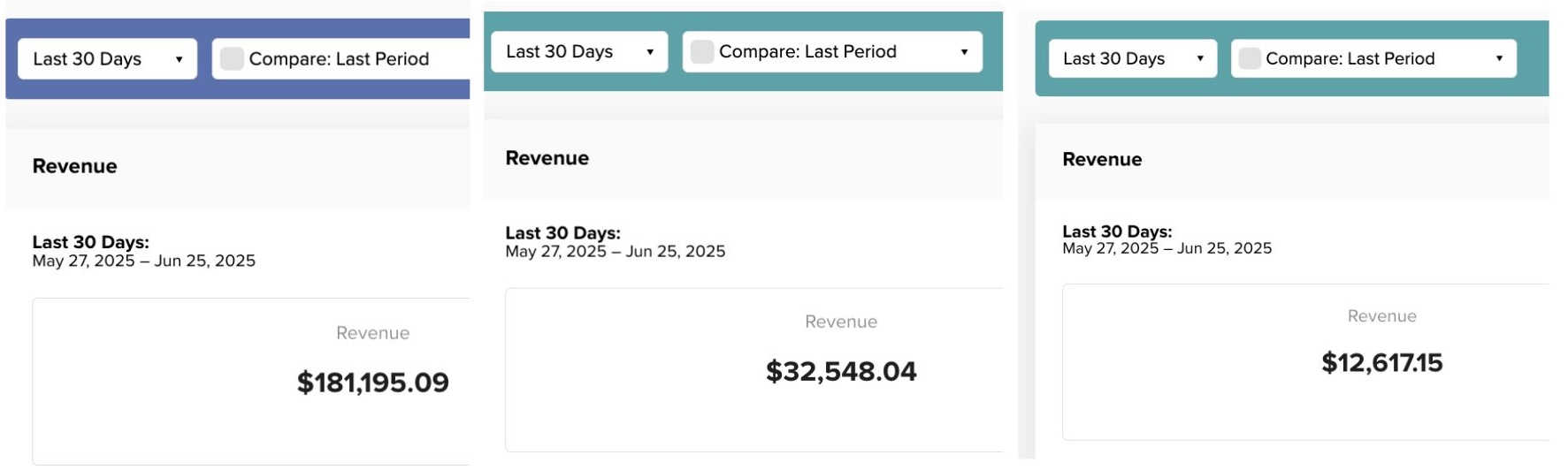
The modern digital publishing landscape has undergone a dramatic structural transformation over the past several years, forcing creators to look far beyond traditional search engine optimization (SEO) for sustainable revenue. For more than a decade, dominant search engines served as the primary gatekeepers of internet traffic, controlling the visibility and financial viability of independent content creators. However, frequent algorithm updates, shifting ranking factors, and the aggressive expansion of zero-click search features have severely compromised the reliability of organic search traffic. In response to this volatile environment, veteran niche site publisher Jon Dykstra has formulated and executed an alternative publishing blueprint. By bypassing conventional search visibility tactics entirely, Dykstra has successfully scaled a portfolio of independent domains to generate over $100,000 per month in net profit, proving that digital publishers can thrive independently of search engine algorithms.
The Genesis of the Diversified Publishing Strategy
The foundation of this revenue model emerged from nearly 18 months of rigorous testing, trial, and optimization. Historically, digital content creators relied on a linear model: research keywords, publish articles optimized for search engines, secure backlinks, and monetize the resulting traffic primarily through display advertising. When search traffic began to fluctuate unpredictably, publishers heavily dependent on a single acquisition channel experienced sudden, catastrophic drops in revenue.
Recognizing these systemic vulnerabilities, Dykstra began experimenting with a decoupled traffic and monetization ecosystem. Instead of treating a website as a static destination dependent on external referrals, the strategy treats a domain as the central hub of an integrated digital enterprise. The objective shifted from capturing fleeting search queries to building direct, owned communication channels with an audience. Over an 18-month development cycle, this iterative process culminated in a robust multi-domain portfolio. Today, three separate properties operate concurrently, each generating sufficient revenue to comfortably cover major recurring financial obligations, such as residential mortgages, while producing substantial capital reserves.
Phase One: Constructing High-Retention Content Hubs
At the core of the multi-domain framework is a rigorous commitment to high-value content creation. Rather than employing automated scaling tactics or producing high volumes of superficial blog posts designed solely to capture low-intent search traffic, the model prioritizes authoritative, deeply engaging material. The objective is to establish the domain as an indispensable resource within a specific niche.

In this ecosystem, the content creation stack is designed to maximize clarity, utility, and reader retention. Publishers utilize structured long-form guides, interactive data tools, and precise industry insights to encourage bookmarking and repeat visits. The guiding principle of this phase is qualitative dominance over quantitative output. When consumers encounter a complex problem within a designated niche, the publishing property must occupy the primary position in their consideration set. This establishes immediate brand equity, distinguishing the platform from generic content farms and setting the stage for long-term audience retention.
Phase Two: Establishing Owned Media Through Direct Audience Capture
A critical failure point for many independent digital publishers is the passive leakage of web traffic. Standard analytical models show that a vast majority of first-time visitors consume a single piece of content and depart without leaving any traceable identifier. Within the alternative publishing blueprint, capturing visitor attention is treated as an urgent operational priority.
To prevent visitor attrition, publishers deploy targeted email acquisition strategies immediately upon site entry. Utilizing robust email service providers such as Kit (formerly ConvertKit), platforms integrate strategic lead magnets, content upgrades, and contextually relevant subscription forms throughout every article. This structural shift transforms anonymous web traffic into an owned asset: an email subscriber base.
Industry analysts frequently emphasize the precarious nature of rented land—relying entirely on social media platforms or search engines that can alter visibility policies overnight. An owned email list, by contrast, provides a direct, uninterrupted channel of communication with the consumer base. This direct line serves as an operational insurance policy against algorithmic volatility, ensuring long-term business continuity regardless of external platform changes.
Phase Three: Multi-Channel Monetization and Revenue Diversification
Once an audience is successfully captured and retained, the monetization framework deploys a multi-layered revenue strategy designed to extract maximum value from every interaction. This approach moves far beyond traditional, single-stream advertising models to encompass passive display ads, high-yielding affiliate partnerships, and direct newsletter monetization.
For passive display revenue, premium ad management networks such as Mediavine are integrated once traffic thresholds are met. These networks optimize ad placements across high-traffic pages, generating consistent, passive income for every page view. However, display advertising functions merely as an initial baseline revenue stream.
The core financial engine relies heavily on strategic affiliate marketing. Rather than managing dozens of fragmented individual brand partnerships, publishers utilize centralized, sitewide affiliate platforms like Stay22. These platforms dynamically aggregate and optimize affiliate links across content, automatically routing consumer intent toward the highest possible commission structures. By integrating these systems seamlessly into high-value editorial content, publishers generate substantial affiliate commissions while simultaneously delivering genuine utility to the consumer.
Phase Four: Maximizing Yield Through Newsletter Optimization
Rather than treating email newsletters as simple notification tools for new content releases, sophisticated publishers treat their daily dispatches as standalone revenue-generating products. The integration of specialized monetization frameworks transforms the email channel into a compounding profit center.
Publishers frequently look to advanced educational models, such as specialized newsletter growth frameworks pioneered by industry experts like Scott DeLong, to optimize open rates, reader engagement, and direct sponsorship models. Furthermore, platforms like SparkLoop are integrated to allow subscribers to discover and subscribe to complementary newsletters, generating referral revenue for every new connection established within the network.
Within this operational loop, a subscriber reads a newsletter, clicks a link returning them to the primary website, views targeted display advertising, engages with optimized affiliate offers, and potentially discovers new subscription opportunities. This creates a self-sustaining financial ecosystem where every touchpoint reinforces the broader revenue structure.
Phase Five: Automated Multi-Platform Traffic Generation

While owned email lists and direct monetization provide stability, ongoing expansion requires a continuous influx of qualified new visitors. Rather than depending entirely on traditional search engine rankings, successful publishers diversify their traffic acquisition channels across high-intent visual search engines and social platforms.
Pinterest has emerged as a particularly powerful acquisition channel for commercial-intent traffic, extending far beyond traditional lifestyle or recipe niches. Utilizing advanced management tools such as PinClicks, publishers systematically optimize visual content to capture users actively searching for specific solutions, products, and ideas.
Concurrently, social media platforms are leveraged not merely for broad brand awareness, but as direct subscriber acquisition engines. By deploying automated messaging tools like Manychat across platforms such as Instagram, Facebook, and Threads, publishers can convert casual social media interactions into direct email subscribers on a massive scale. When a user interacts with a post or leaves a comment, automated conversational workflows provide immediate value and seamlessly capture contact information, functioning effectively as a 24/7 digital sales team.
The Compounding Flywheel Effect and Industry Implications
When analyzed as a unified framework, the intersection of multi-channel traffic acquisition, direct email capture, and diversified monetization creates a powerful flywheel effect. Traffic arrives from Pinterest and social platforms, encounters high-value content, generates display and affiliate revenue, converts into email subscribers, and is continuously re-engaged through daily newsletters and automated sequences. This continuous loop generates compounding returns over time, rendering the business model highly resilient against individual platform disruptions.
The implications of this publishing model for the broader digital media industry are profound. As search engine algorithms become increasingly complex and unpredictable, independent creators are recognizing that structural diversification is no longer optional. By decoupling revenue generation from organic search dependency and prioritizing owned audience assets, modern digital publishers can establish highly lucrative, predictable, and scalable enterprises. The verified success of multi-domain operators demonstrates that sustainable six-figure digital publishing is entirely achievable for creators willing to build resilient, audience-centric ecosystems.