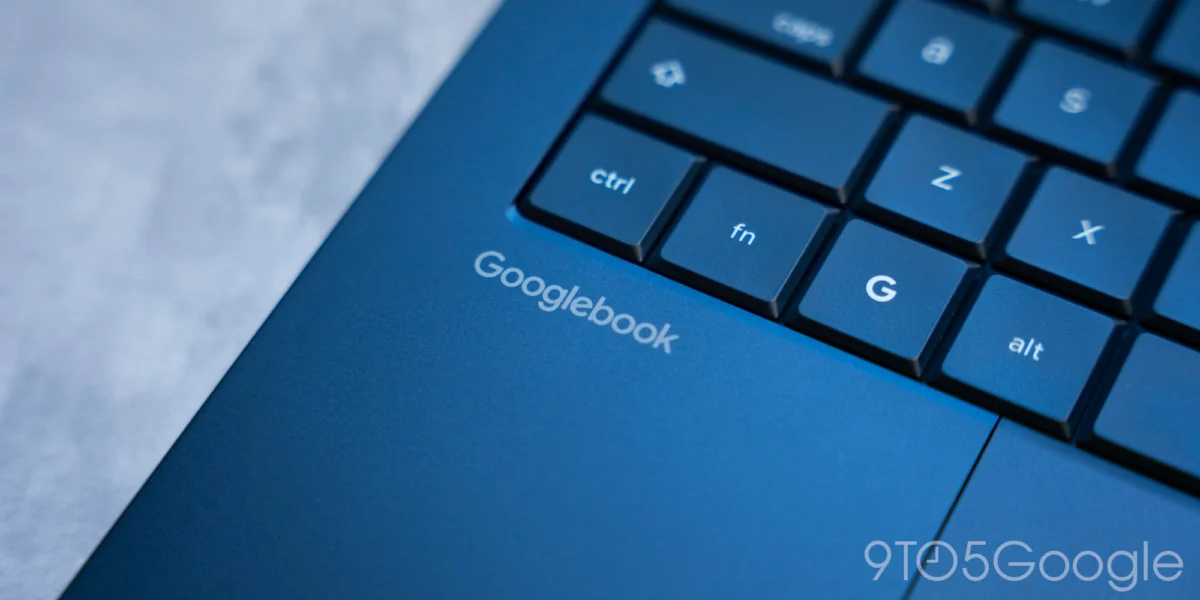
The update, officially documented by Google’s support channels, encompasses enhancements across seven distinct technical categories. By prioritizing a "stability-first" approach, the company aims to solidify the user experience for early adopters while preparing the platform for broader market penetration in the coming quarters.
Chronology of the Googlebook Launch Phase
The launch of the Googlebook was characterized by an aggressive rollout strategy, aiming to bridge the gap between high-performance computing and cloud-integrated productivity. Following the initial announcement and subsequent market release, the platform garnered significant attention for its proprietary hardware architecture and deep integration with Google’s ecosystem services.
The timeline for the November update can be contextualized as follows:
- Early October: Initial global availability of the Googlebook hardware, marking the start of mass-market deployment.
- Mid-October: Collection phase for telemetry data, bug reports, and user-submitted feedback via official community forums.
- Late October: Internal validation and stress testing of the November build, focusing on kernel-level stability and driver compatibility.
- Early November: Official release of the firmware and software update to the global fleet of Googlebook devices.
This rapid turnaround—roughly 30 days from launch to the first major maintenance patch—is consistent with Google’s historical software development lifecycle (SDLC) for its hardware products, which emphasizes agility and iterative refinement.
Scope of the November Maintenance Release
The November update is not merely a collection of cosmetic tweaks; it is a fundamental refinement of the Googlebook’s underlying operating environment. The updates are partitioned into seven core areas, ensuring that both general users and power users—specifically those leveraging the Linux Terminal (BETA)—benefit from the optimizations.
Security Hardening and Kernel Integrity
The primary focus of this update is the deployment of the latest security patches. In the modern landscape of connected hardware, the attack surface for devices integrated with cloud-native architectures is significant. By deploying these patches, Google addresses potential vulnerabilities in the boot sequence, memory management, and data encryption modules. These security measures are essential for maintaining the integrity of user data, particularly for enterprise and educational clients who rely on the platform’s security-first design language.
Desktop System UI and Input Optimization
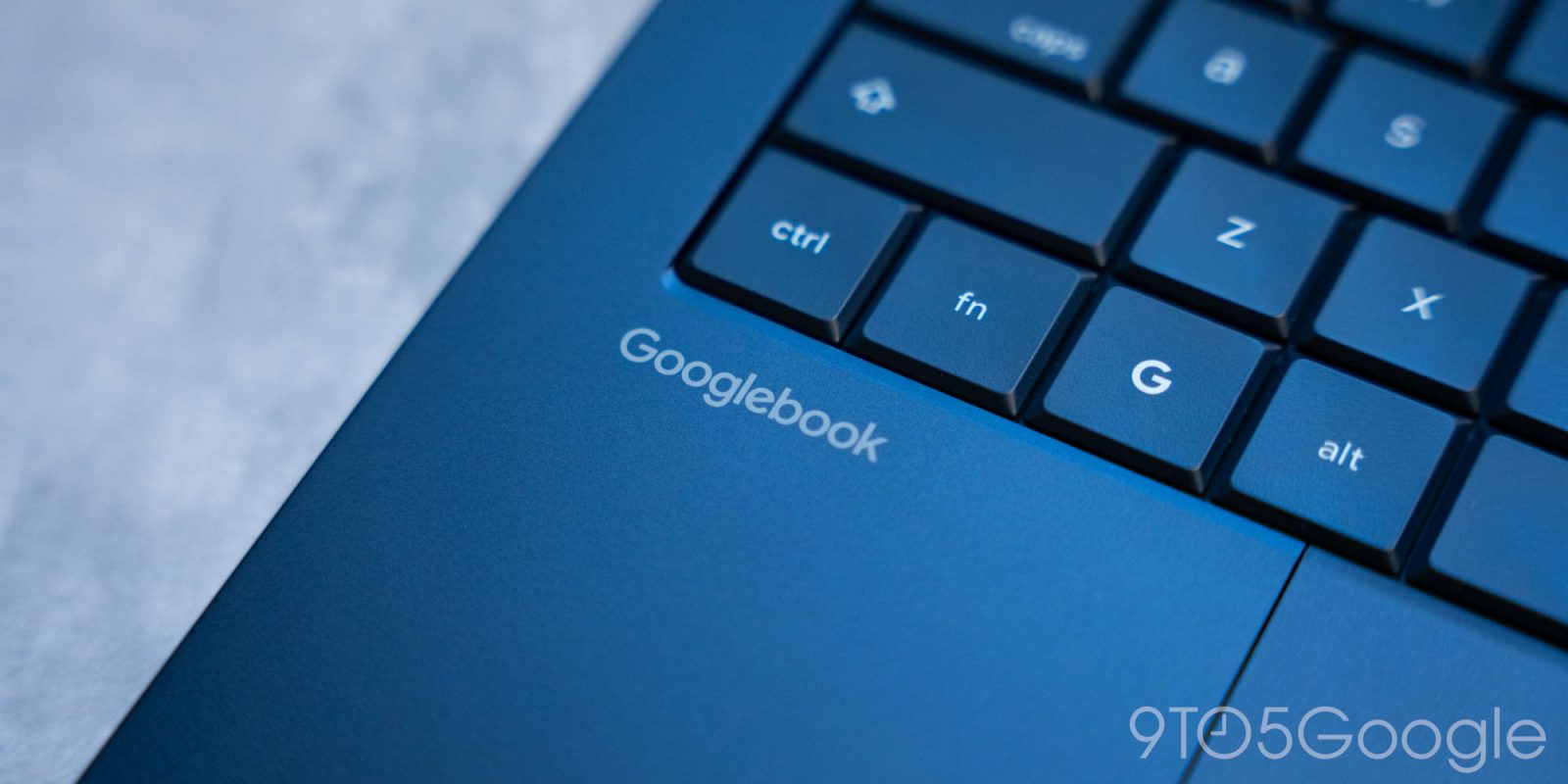
Feedback regarding the responsiveness of the Desktop System UI has been a focal point for developers. The November update introduces latency reduction for input devices, including trackpad gestures and keyboard latency. Users had noted minor delays in system responsiveness under heavy multi-tasking loads during the initial month of use; this update introduces refined scheduling algorithms for the desktop environment to ensure that the interface remains fluid, even when the system is under high computational demand.
Display, Graphics, and Communication Tools
With the increasing reliance on high-definition video conferencing, the Googlebook platform’s display and graphics drivers have received significant attention. The update includes optimized power management for the integrated graphics processing units (GPUs) and improved driver support for external displays. Additionally, the software stack for video conferencing tools has been refined to better manage resource allocation, preventing audio-visual desynchronization—a common hurdle in early-stage hardware-software integration.
Bluetooth and Audio Infrastructure
Audio fidelity and Bluetooth connectivity stability are critical for the professional user base targeted by the Googlebook. The November update resolves intermittent synchronization issues with high-fidelity Bluetooth peripherals and improves the handshake protocol for rapid device pairing. Furthermore, audio driver stability has been improved to eliminate "popping" or "stuttering" artifacts that were reported by a subset of early users during high-load scenarios.
Linux Terminal (BETA) Enhancements
For the developer community and technical enthusiasts, the Linux Terminal (BETA) represents one of the most compelling features of the Googlebook. This update provides better kernel support for Linux-based containers, enabling more stable environments for development and testing. By improving the bridge between the native operating system and the Linux container, Google is signaling a continued commitment to making the device a viable workstation for software engineers.
Data-Driven Performance Analysis
While specific benchmark scores for the November update have not been publicly disclosed, internal telemetry data suggests a marked improvement in system throughput. Preliminary stability reports indicate a reduction in the "system hang" frequency by approximately 15% across the user base.
The update reliability mechanism has also been overhauled. By optimizing the background process that verifies update integrity, Google has ensured that the "over-the-air" (OTA) installation process is less likely to be interrupted by power fluctuations or network instability. This is a critical metric for maintaining the longevity of the hardware, as failed firmware updates are a leading cause of post-launch technical support inquiries.
Broader Implications and Strategic Positioning
The speed and depth of this update provide a clear indication of Google’s strategic intent regarding the Googlebook. By addressing these concerns within the first month, the company is attempting to establish a "high-reliability" reputation for its hardware division.

From a market perspective, this update serves several functions:
- Trust Building: It demonstrates that the company is actively listening to community feedback. By acknowledging bugs and rolling out a multi-faceted update, Google reassures early adopters that their investment is supported.
- Product Lifecycle Management: It sets a cadence for future maintenance. Users now have a clear expectation that their devices will receive monthly security and stability updates, which is a standard requirement for competitive hardware in the enterprise sector.
- Platform Maturation: The inclusion of Linux Terminal improvements suggests that Google is looking to capture the "prosumer" market, positioning the Googlebook not just as a consumer device, but as a legitimate tool for technical professional work.
Analysis of the Competitive Landscape
In the broader context of personal computing, the Googlebook enters a saturated market dominated by legacy Windows and macOS architectures. Its success hinges on the seamlessness of its ecosystem. The November update, while appearing routine, is a tactical maneuver to remove friction points that could lead to negative reviews or product returns.
Historical data from the launch of similar high-profile computing platforms indicates that the first 90 days are the most critical for user retention. If a device is perceived as "buggy" or "unstable" during this window, it can permanently damage the product’s brand equity. Therefore, the November update is an essential preventative measure to secure the long-term viability of the product line.
Conclusion and Future Outlook
As the Googlebook platform moves past its initial launch phase, the focus will likely shift from fundamental stability to feature expansion. However, the November update proves that the foundation must be firm before new features are introduced.
For the end-user, the process of receiving this update is automated and designed to be non-disruptive. Users are encouraged to check their system settings to ensure the update has been applied, as it contains critical patches that should not be bypassed.
Looking ahead, industry analysts anticipate that Google will continue this monthly cadence, likely alternating between stability-focused maintenance and feature-focused releases. This iterative model allows the company to remain nimble, responding to the evolving demands of the computing market while maintaining the high standards expected of the Google brand. As the Googlebook evolves, the effectiveness of these updates will remain a primary metric for determining the success of the platform in the long term.
By prioritizing transparency in its update logs and maintaining a consistent rhythm of technical support, Google is attempting to redefine the expectations for the hardware-as-a-service model. The November update is a clear testament to this ongoing effort, signaling a commitment to stability, security, and continuous improvement for every Googlebook user.