As November begins, Smashing Magazine has released its latest monthly collection of desktop wallpapers, marking over 15 years of a tradition that bridges the gap between digital utility and artistic expression. This ongoing initiative, which features contributions from independent designers and studios across the globe, offers high-resolution digital imagery for a wide array of screen formats. The collection serves as a periodic barometer for contemporary design trends, reflecting a blend of seasonal motifs, cultural observations, and personal creative narratives.
The curation process for these collections typically begins weeks in advance, involving a rigorous selection process from a global pool of applicants. By providing these assets for free, the platform maintains a repository that has become a staple for design professionals and casual users alike. The release of the November 2026 edition highlights the continued relevance of desktop personalization in an era dominated by mobile-first interfaces, suggesting that the desktop environment remains a vital space for visual stimulation and focus.
The Evolution of a Digital Tradition
The practice of releasing monthly wallpapers traces its origins to the mid-2000s, a period when the desktop screen was the primary interface for professional creative work. Over the past decade and a half, the scope of these submissions has evolved significantly. Initially focused on simple graphic patterns and nature photography, the current collections often incorporate complex digital art, parametric modeling, and thematic storytelling.
Data from the design community indicates that desktop customization remains a significant factor in workspace ergonomics. Psychological studies on workplace environments suggest that personalized digital spaces can contribute to improved mental well-being and reduced stress during monotonous tasks. By rotating themes—from the somber tones of autumn to the anticipation of the winter season—these collections allow users to mark the passage of time, providing a sense of structure to the work calendar.
Thematic Analysis: From Spooky to Scruffy
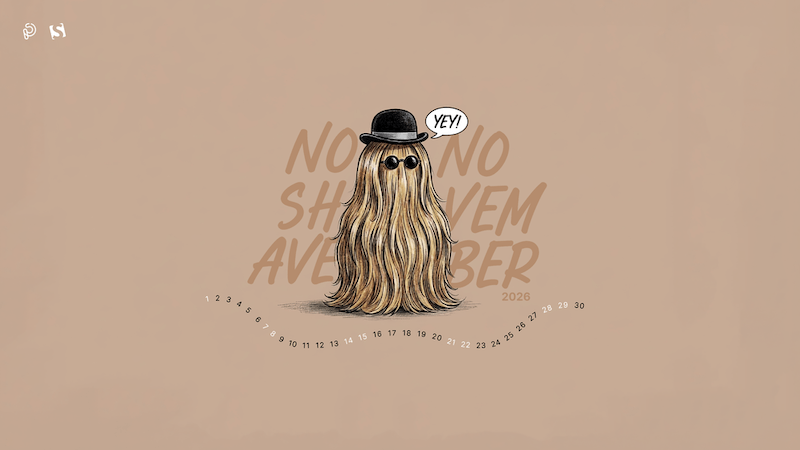
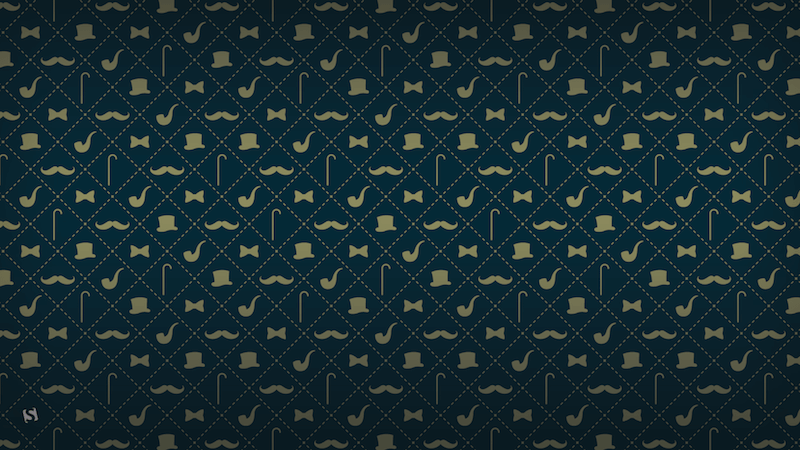
The November 2026 collection is characterized by a transition from post-Halloween motifs to themes of introspection and environmental awareness. For instance, the piece titled "From Spooky to Scruffy," designed by the Serbian-based PopArt Studio, utilizes the lighthearted trope of "No-Shave November" to frame the month as an extension of character-driven design. This transition—moving from the explicit horror imagery of October to the more grounded, textured aesthetic of late autumn—is a recurring trend in the visual arts as the Northern Hemisphere prepares for the winter solstice.
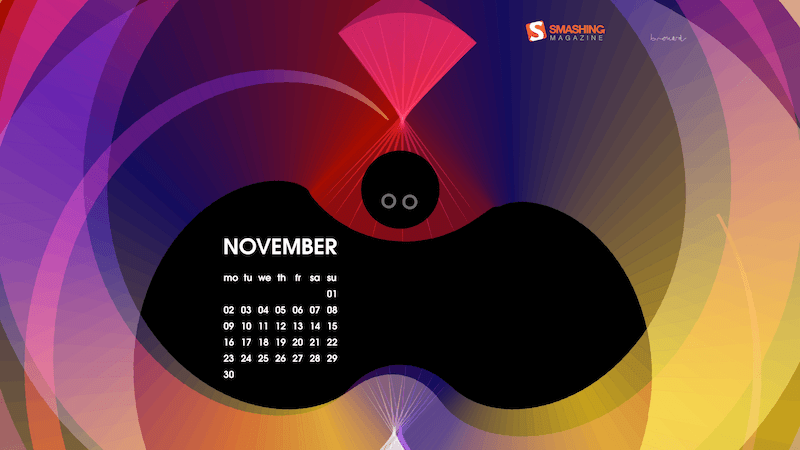
Other contributions delve into more abstract and technical territories. Philippe Brouard’s "One More Bat" highlights the intersection of mathematics and design. By employing parametric curves to generate shadow-like shapes, the artist demonstrates a growing trend in the design industry: the use of algorithmic generation to create organic-looking visuals. This shift toward generative art marks a departure from traditional raster-based design, signaling a broader adoption of computational tools by freelance artists.
Cultural Reflections and Seasonal Transitions
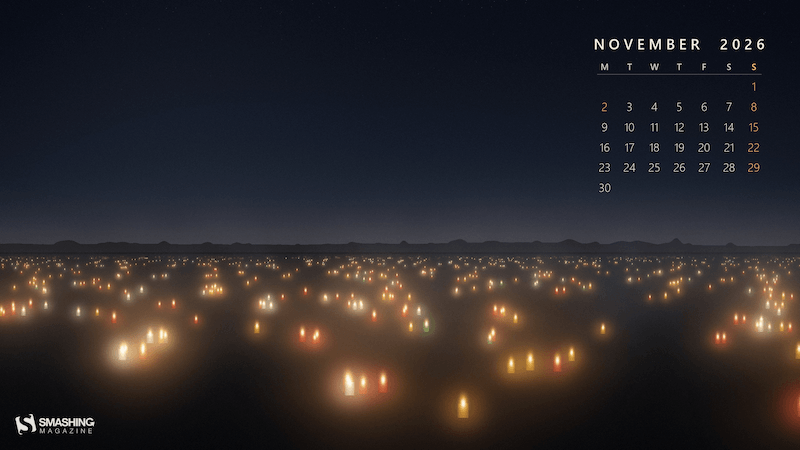
Several artists chose to anchor their designs in cultural observation and local traditions. The entry "Candlelight November" by Justas Arbatauskis from Lithuania offers a poignant look at Vėlinės, a day of remembrance in the Baltic region. The design, which emphasizes soft light and evening mist, highlights how global design platforms act as conduits for local cultural expression.
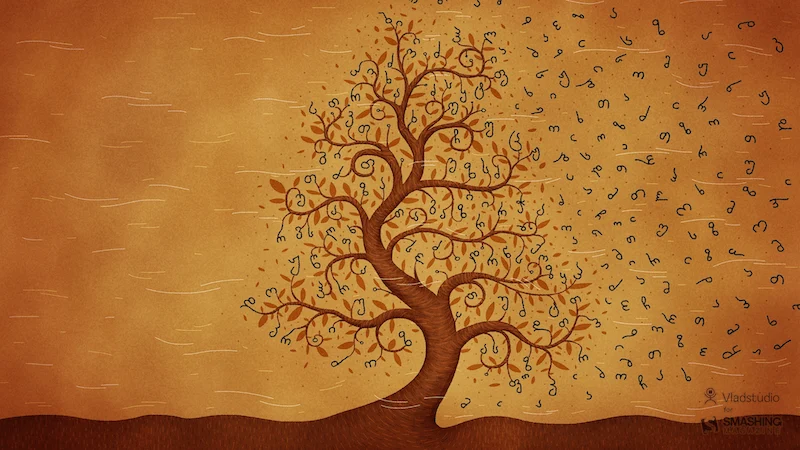
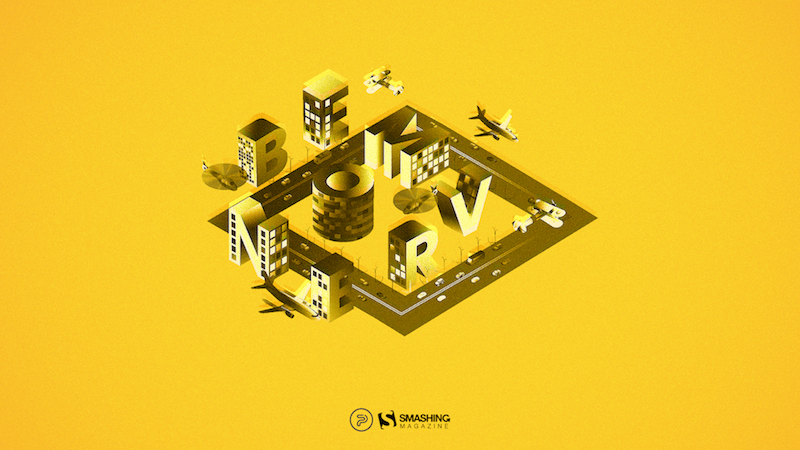
Similarly, the submission "Anbani" by Vlad Gerasimov showcases the Georgian alphabet, transforming linguistic history into a visual tree of knowledge. Such works underscore the importance of design as a pedagogical tool. When these pieces reach a global audience, they provide a brief but effective window into diverse cultural practices, fostering a sense of interconnectedness among the platform’s international user base.

The Integration of Artificial Intelligence
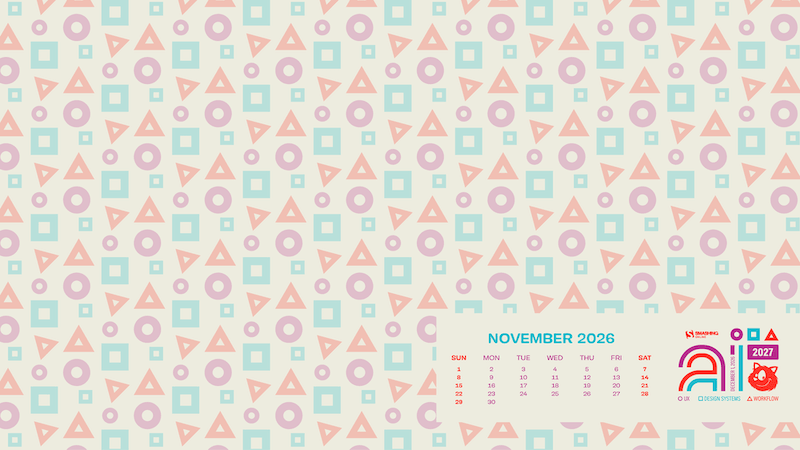
The collection also serves as a strategic marketing vehicle for broader industry developments. The "Smashing AI Conf" wallpaper serves as a functional advertisement for the upcoming December 1, 2026, AI 2027 Conference. This inclusion reflects the current industry pivot toward artificial intelligence in design systems, research, and ethics. By embedding conference information within a functional desktop item, the organizers leverage the high utility of the wallpaper to drive attendance for professional development events.

Industry analysts observe that such integration is a sign of the maturation of the digital design sector. Rather than viewing AI as a disruptive force alone, professional organizations are moving toward educational frameworks that emphasize "AI-ready design systems" and "designing for trust." This indicates a shift in the labor market toward professionals who can manage AI-human hybrid workflows.
Broader Impact and Implications for Independent Creators
The model pioneered by this 15-year tradition provides a unique opportunity for independent creators to gain exposure. For designers based in emerging markets, such as those in Serbia, Lithuania, India, and China, the platform offers a gateway to an international audience that would otherwise be difficult to access.
The logistical impact of these releases is significant. By providing various resolutions—ranging from standard monitors to ultra-wide displays and mobile devices—the platform forces contributors to consider responsive design principles. This technical requirement ensures that the submitted works are not merely aesthetic but also functionally compatible with the fragmented hardware ecosystem that characterizes modern computing.
Looking Toward December and Beyond
As the editorial team prepares for the next installment, the focus is already shifting to the December transition. The "Join In" program, which governs the submission of future work, remains open to all levels of expertise. The consistent volume of submissions—often exceeding the available slots in a monthly feature—attests to the high level of engagement among the creative community.

The continued success of this series suggests that, despite the proliferation of social media and cloud-based content delivery, the desktop remains a primary territory for personal expression. In a professional environment increasingly defined by ephemeral content and rapid-fire communication, the static desktop wallpaper offers a moment of deliberate visual curation.
Final Considerations
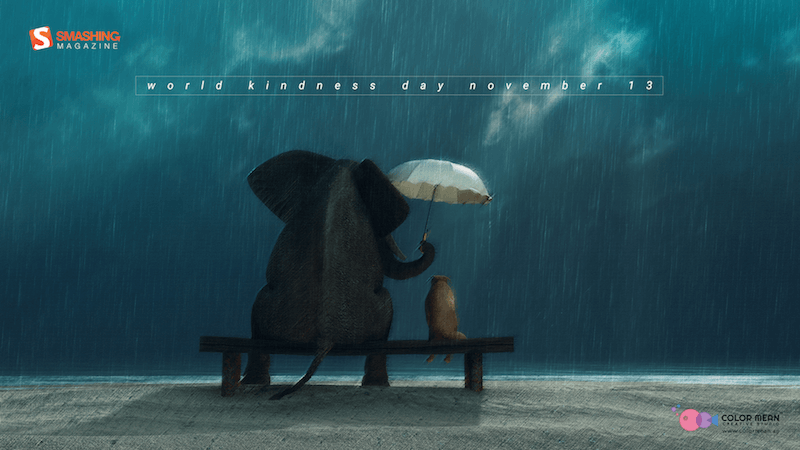
The November 2026 collection is more than a set of downloadable images; it is a collaborative project that documents the intersection of technology, culture, and individual artistry. Whether through the lens of a "gentleman’s November," the architectural beauty of the Georgian alphabet, or the melancholy of autumnal rain, these works contribute to a shared digital experience.
As organizations and individuals alike look toward the end of the year, the role of such creative projects will likely grow. They provide a low-barrier, high-impact method for maintaining creative visibility in a crowded digital marketplace. The transition from the "spooky" remnants of October to the "cozy" expectations of winter serves as a reminder that even in a globalized, highly technical world, the human need for seasonal markers and artistic beauty remains constant.
The platform has confirmed that the process for the December release will emphasize themes of year-end reflection and the transition into the new fiscal and calendar year. By maintaining this consistent, monthly cadence, the community continues to demonstrate that even small, digital interventions can have a lasting impact on the daily experience of the modern workforce. For those looking to participate, the submission guidelines remain accessible, emphasizing a commitment to inclusivity and the promotion of diverse design perspectives from across the globe.