For decades, the grocery store was viewed by marketers as little more than a static backdrop—a final, passive destination for goods that had already been "sold" through television commercials or digital advertisements. However, as the retail landscape undergoes a radical digital transformation, the physical store is being reclaimed as a high-impact, data-driven media channel. Sponsored by Grocery TV, this exploration into the evolution of in-store retail media reveals a fundamental shift in how brands engage with consumers at the most critical juncture of the path to purchase: the moment of decision.
The traditional divide between online performance marketing and offline shopper marketing is rapidly dissolving. While e-commerce and connected TV (CTV) have long benefited from precise tracking and closed-loop attribution, physical retail was historically sidelined due to its fragmented nature and lack of standardized metrics. That era is ending. With the rise of integrated retail media networks (RMNs), marketers can now deploy, optimize, and measure in-store campaigns with the same technical rigor once reserved for programmatic digital ads.
The scale of this transition is significant. eMarketer projects that U.S. in-store retail media spending is poised to cross the billion-dollar milestone, reaching $1.15 billion by 2029. This influx of capital reflects a growing recognition among CPG brands and non-endemic advertisers alike that the physical shelf is no longer just a place to stock products; it is a dynamic media environment where 95% of grocery shoppers make at least half of their purchase decisions.
A Chronology of the Shift: From Signage to Strategy
The history of in-store advertising was long dominated by static end-caps, shelf-talkers, and printed circulars. These tactics were effective but limited in their ability to adapt to real-time consumer behavior. The timeline of this evolution began in earnest during the early 2020s, as retailers sought to monetize their physical footprint to offset rising operational costs.
- The Infrastructure Phase (2020–2023): Retailers began installing digital display networks at scale, moving away from printed signage toward flexible, cloud-managed digital out-of-home (DOOH) screens.
- The Integration Phase (2024–2025): Early adopters began experimenting with programmatic buying, allowing digital media teams to purchase in-store inventory alongside their social and search campaigns.
- The Optimization Phase (2026–Present): The industry has reached a point where sophisticated measurement tools—such as matched-store studies and incrementality testing—have become the standard, allowing for precise attribution of sales lift to specific screen placements.
Understanding the Hybrid Media Model
In-store media occupies a unique, hybrid space in the modern media mix. It borrows the reach and physical presence of traditional out-of-home advertising, the storytelling potential of video, and the bottom-funnel conversion capabilities of retail media. However, as Marlow Nickell, co-founder and CEO of Grocery TV, points out, the key differentiator is proximity. Unlike a digital billboard viewed from a car, an in-store screen exists within the "decision zone."
"With digital out-of-home, it is often more on-the-go media," Nickell explains. "In-store retail media is much closer to the point of purchase, where shoppers are making decisions and considering different products. They are already in a buying mindset."
Chelsea Monaco, svp of commerce media at Digitas North America, notes that this creates a unique organizational challenge. "The intersection of digital and in-store blurs in the retail media space, and the investment sources are so unique," says Monaco. "I have typically seen it most categorized as shopper marketing, but the investment source and where it sits in the organization depict the true categorization."
The Psychology of Impulse and Discovery
Data from the 2026 In-Store Shopper Perception Report underscores that the grocery store is far from a utilitarian, list-driven environment. With 32% of shoppers entering the store without a list and 78% of consumers making at least one impulse purchase during their visit, the opportunity for discovery is immense.
The effectiveness of digital screens is reflected in the numbers: 62% of shoppers report purchasing a product directly after seeing it featured on an in-store display. Furthermore, consumer receptivity is rising. According to the same study, digital display formats saw a 10-percentage-point increase in positive experience ratings between 2023 and 2026, climbing from 41% to 51%. This shift suggests that when ads are contextually relevant, they are perceived as helpful additions to the shopping experience rather than interruptions.
Strategic Placement and Creative Contextualization
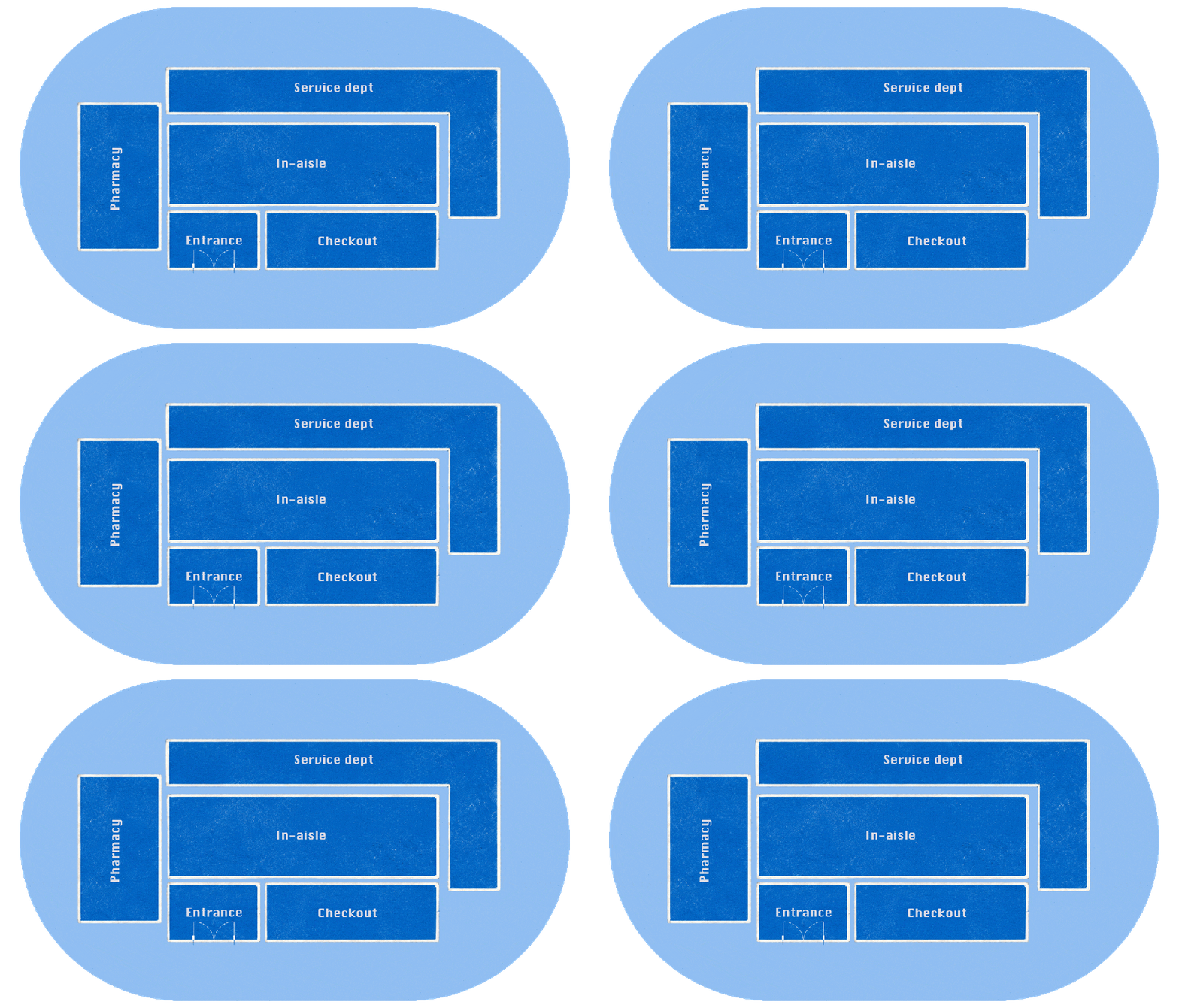
The placement of digital assets is crucial to maintaining this positive sentiment. Data indicates that high-dwell areas—such as pharmacies, delis, and checkout lanes—are the most effective zones for engagement. These areas allow shoppers time to process information while they wait, resulting in an 84% favorability rating for ads placed in these zones.
However, the creative must match the environment. A common pitfall for brands is treating in-store screens like a mobile device or a television set. Successful campaigns utilize high-contrast, easy-to-read text and visuals that are optimized for distance. Beyond aesthetics, the content must be contextually relevant. A snack brand running a "game-day" campaign during football season is likely to see higher engagement than a brand running unrelated, generic messaging.
According to research from Grocery TV, shoppers are 2.5 times more likely to consider a brand when the advertisement is contextually relevant to the environment. This principle extends to the broader omnichannel journey. Brands that align their in-store messaging with their digital campaigns—creating a cohesive brand experience across touchpoints—are seeing the highest returns on ad spend.
The Measurement Maturity Gap
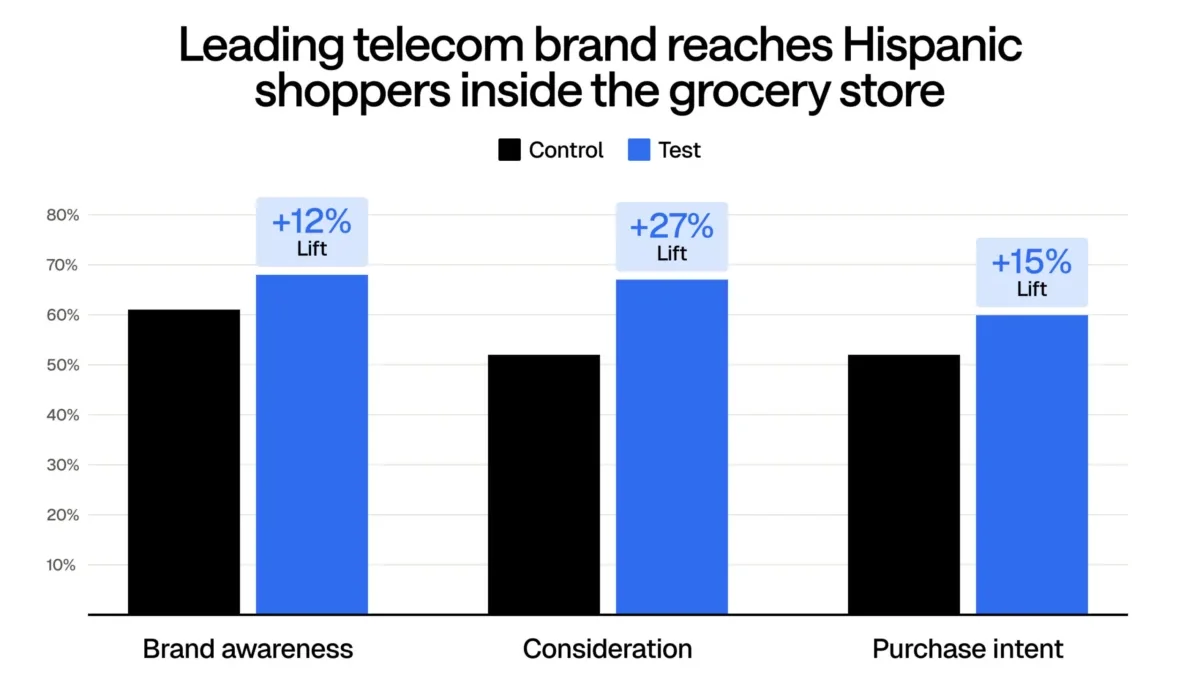
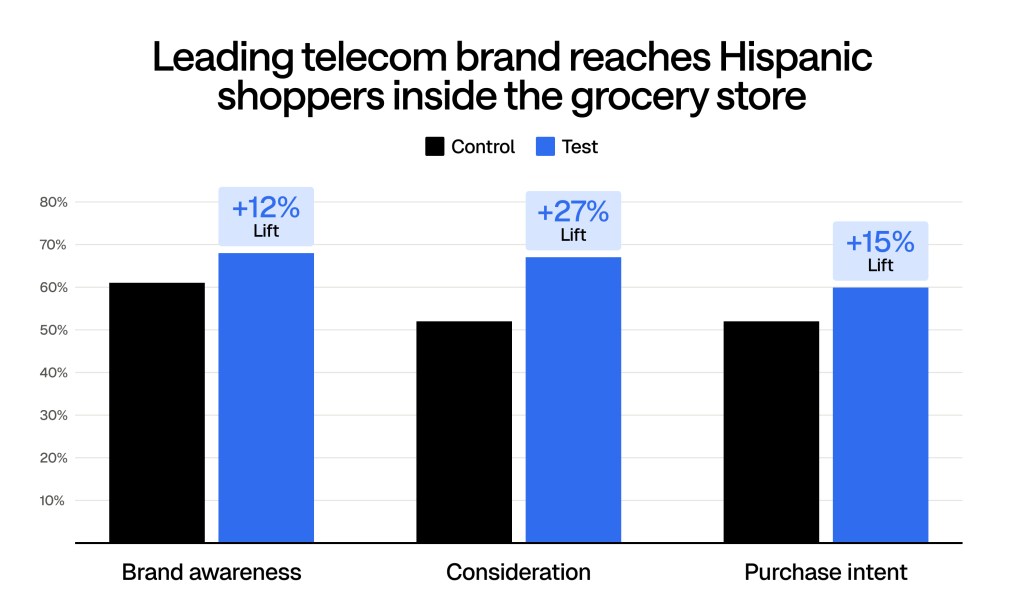
Despite the progress, the industry is grappling with a "measurement maturity gap." While 82% of marketers agree that in-store media can influence key outcomes like brand awareness and consideration, many still struggle to standardize their reporting. The IAB and Grocery TV study confirms that while the tools exist to measure everything from incremental sales to repeat purchase behavior, adoption remains inconsistent.
To bridge this gap, leaders in the space are moving toward objective-based measurement:
- Brand Lift Studies: Assessing shifts in brand perception and recommendation via control groups.
- Matched-Store Testing: Comparing stores with active campaigns against a control group of similar stores to determine true incrementality.
- Transaction-Based Analysis: Tracking not just the advertised product, but the halo effect on complementary items and overall brand loyalty.
For instance, a recent campaign for a national personal care brand demonstrated the power of this holistic approach. By measuring across the board, the brand identified a 15% sales lift in the advertised item, a 12% lift in complementary products, and an 8% lift across its entire portfolio—a level of granularity that was nearly impossible to achieve a decade ago.
Implications for the Future of Media Planning
The strategic inclusion of the grocery store in a national media plan offers more than just additional reach; it provides a vital counterweight to the digital "walled gardens." Research from Grocery TV and MFour shows that in-store media delivers an average of 49% incremental reach beyond existing media plans. By diversifying into the physical retail environment, marketers can mitigate the risk of digital overexposure and fill gaps in the consumer journey that online-only strategies miss.
As the industry matures, the barrier to entry is lowering. Modern platforms allow for sophisticated geographic targeting—down to the DMA or ZIP code—and behavioral targeting based on purchase patterns. This allows a brand to target a specific university-adjacent store with student-focused products or prioritize locations that over-index for specific demographic groups.
For the modern marketer, the message is clear: the physical store has evolved from a silent participant into an active, measurable, and highly effective media channel. The brands that begin testing these capabilities now—learning how to balance creative context with performance metrics—will be best positioned to capture the attention of the modern shopper, who is as likely to be influenced by a screen in the aisle as they are by an algorithm on their phone. The future of retail media is not just online; it is exactly where the shopper is: standing in the store, ready to make a choice.