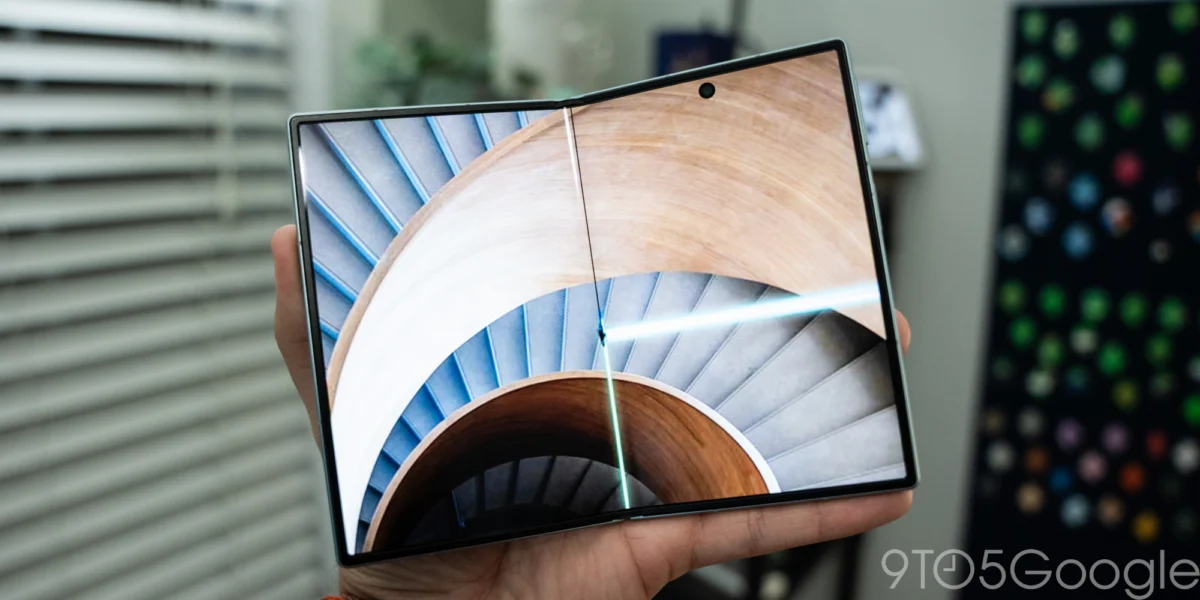
The debut of the Apple iPhone Duo, the company’s inaugural foray into the foldable smartphone market, has been met with significant technical scrutiny following widespread reports of display failures among early adopters. In a aggressive marketing pivot, Samsung Electronics has launched a multi-regional advertising campaign directly capitalizing on these hardware vulnerabilities. The campaign, which spans Instagram and other social media platforms, positions the Samsung Galaxy Z Fold 8—now in its eighth iteration—as the seasoned, reliable alternative to Apple’s nascent foldable technology.
The Emergence of "Crackgate"
Shortly after the commercial release of the iPhone Duo, a pattern of hardware defects began to surface across social media and consumer technology forums. Users reported that the inner display panel would develop a vertical fracture along the center crease, often leading to a total failure of the touch interface and display output. This phenomenon, colloquially dubbed "crackgate" by the tech community, has drawn parallels to the early growing pains experienced by the original Samsung Galaxy Fold in 2019.

The technical consensus among industry analysts suggests that the issue may stem from the hinge mechanism’s stress distribution or the protective layer’s inability to withstand repeated folding cycles under varying environmental conditions. While Apple has initiated a replacement program for affected units, the optics of the situation have provided a significant opening for competitors to highlight their own technological maturity in the foldable segment.
A Chronology of the Marketing Offensive
Samsung’s response has been both swift and coordinated, utilizing its various regional divisions to amplify the message. The campaign began in late October 2026, following the initial wave of user reports.
- Initial Launch (Canada): Samsung Canada led the charge with an Instagram advertisement explicitly stating that "folding is nothing new to us" and emphasizing that the company has "a thing or eight" years of experience in the sector. The imagery featured a clear depiction of the iPhone Duo’s display fracture.
- Regional Escalation (Malaysia): Samsung Malaysia expanded the narrative, using the hashtag #GalaxyFold8 to frame the competition’s struggles as a "FOMO" (fear of missing out) moment for users who prioritized brand novelty over proven durability.
- Tactical Engagement (Australia & Saudi Arabia): Samsung Australia released creative content focusing on the sensory experience of a reliable hinge, contrasting the silence of a durable device against the implied fragility of the competitor. Meanwhile, the Saudi Arabian division employed a more provocative tactic, creating an advertisement where the iPhone Duo’s screen crack is revealed to be merely a high-resolution wallpaper on a functioning Galaxy Z Fold 8, effectively turning the "crack" into a visual punchline.
Contextualizing the Foldable Landscape
To understand the weight of Samsung’s current marketing stance, one must look at the evolution of foldable display technology over the last decade. When Samsung introduced the Galaxy Fold in 2019, it faced similar, if not more severe, structural challenges, including debris entering the hinge and screen protectors being mistaken for removable films.

Samsung spent the subsequent seven years refining its "Flex Hinge" technology, improving screen materials, and optimizing the integration of software to hardware. By the time the Galaxy Z Fold 8 reached the market, it benefited from multiple generations of stress-testing and supply chain maturation. In contrast, Apple’s entry into the market, while highly anticipated, bypassed the initial "experimental" phase that other OEMs endured, arguably leaving them susceptible to the exact engineering hurdles that competitors faced years ago.
Analytical Perspective: The Cost of Innovation
Industry experts note that the "crackgate" controversy serves as a stark reminder of the complexities inherent in foldable hardware. The integration of a flexible OLED panel with a mechanical hinge requires a degree of precision that is arguably the most difficult hurdle in modern mobile engineering.
"When a company enters a product category that has been dominated by a single manufacturer for nearly a decade, the margin for error is non-existent," says industry analyst Marcus Thorne. "Samsung’s strategy here isn’t just about mocking a rival; it is a defensive maneuver to maintain its moat. They have spent billions to normalize the foldable form factor, and they are not about to let a newcomer’s quality control issues tarnish the reputation of the entire category."

Official Responses and Consumer Impact
Apple has maintained a relatively low profile regarding the specific engineering causes of the display fractures, focusing instead on customer service. The company’s standard operating procedure for the iPhone Duo involves offering free replacements for devices that meet the criteria for manufacturing defects. However, the company has not yet issued a public statement regarding a potential redesign of the hinge mechanism or an update to the screen composition.
Conversely, Samsung has leveraged its response to reinforce its "Galaxy" brand identity. By focusing on the eighth generation of its device, Samsung is effectively signaling to consumers that the "early adopter tax"—the risk of purchasing first-generation technology—is a variable that the Galaxy Z Fold 8 has already mitigated.
Broader Market Implications
The implications of this marketing skirmish extend beyond mere brand rivalry. The incident highlights a shifting power dynamic in the smartphone industry. Historically, Apple has been perceived as the standard-setter for build quality and reliability, often arriving later to a category to ensure a "perfected" user experience. The "crackgate" phenomenon challenges this perception, potentially making consumers more cautious toward future Apple hardware iterations.

Furthermore, the aggressive nature of Samsung’s advertising suggests that the company views the foldable market as its primary competitive advantage. As global smartphone sales have plateaued, the premium foldable segment represents one of the few areas of significant growth and higher profit margins. By framing the iPhone Duo as a risky, unrefined experiment, Samsung is attempting to secure the high-end market share that Apple has long commanded.
Conclusion: A Turning Point for Foldables
As the dust settles on the initial reports, the long-term impact on the iPhone Duo’s market performance remains to be seen. If Apple can rectify the hardware issues in subsequent production runs, the current controversy may be viewed as a temporary setback. However, for now, the incident has provided Samsung with an unprecedented opportunity to validate its own long-term strategy.
The battle for the foldable crown is no longer just about who can build the most innovative screen or the most powerful processor; it is now explicitly about who can provide the most reliable hardware. For the next several months, the industry will watch closely to see if the "crackgate" narrative forces a structural change in the way Apple approaches its hardware development, or if it accelerates the shift of premium consumers toward the established expertise of Samsung’s foldable ecosystem.

Ultimately, the marketing war serves as a reflection of the industry’s current state: the novelty of the foldable phone has worn off, and the era of proving its long-term viability has begun. Whether through engineering improvements or strategic marketing, the winner of this cycle will likely be the company that can convince the consumer that their device is the one that will last until the next upgrade cycle—and beyond.