The evolution of content management systems, particularly WordPress, has shifted the focus of blogging from text-heavy journalism to highly visual, immersive storytelling. As visual media becomes the primary driver of user engagement, the limitations of default CMS gallery functions have necessitated the rise of specialized third-party gallery plugins. These tools are no longer optional for professional bloggers; they are essential infrastructure for maintaining site performance while enhancing the aesthetic presentation of digital assets.

The Technical Evolution of WordPress Media Display
Historically, the default WordPress media handler offered rudimentary grid-based layouts that failed to address the complexities of responsive design. As global internet traffic transitioned toward mobile-first consumption—with mobile devices accounting for over 60% of all web traffic—the industry required solutions that could dynamically resize images, implement lazy loading, and optimize server requests.
The emergence of the "Gallery Plugin" sector began in the early 2010s, initially serving as simple lightboxes for photographers. By 2025, these tools have evolved into comprehensive media management suites. They now handle complex tasks such as automated CDN (Content Delivery Network) integration, metadata management, and secure eCommerce transactions, allowing bloggers to function as independent digital storefronts.

Market Leaders and Technical Performance
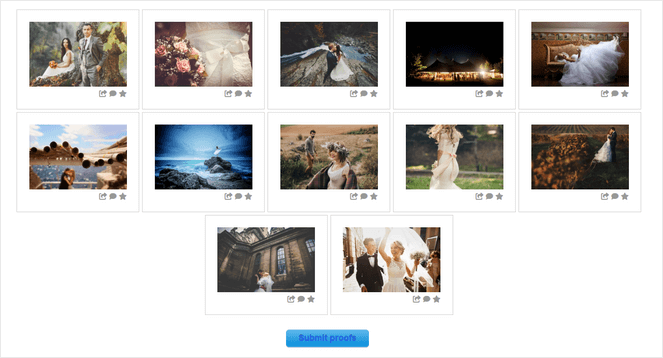
Industry standards for gallery plugins are currently defined by their ability to balance high-resolution media display with core web vital performance metrics. A detailed assessment of the current market highlights seven primary solutions that dominate the professional ecosystem:

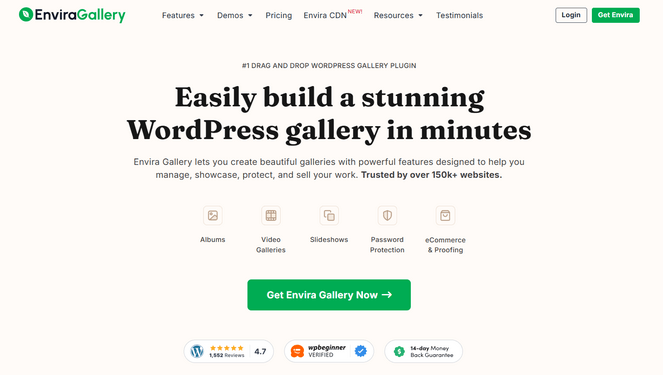
- Envira Gallery: Engineered for high performance, Envira utilizes a drag-and-drop interface that minimizes database overhead. Its architecture focuses on speed, using server-side processing to ensure that high-resolution imagery does not negatively impact PageSpeed Insights scores.
- NextGEN Gallery: As the longest-standing solution in the market, NextGEN has pivoted toward the enterprise-grade needs of professional photographers. Its integration with print-on-demand services and automated tax calculation modules makes it a financial tool as much as a display tool.
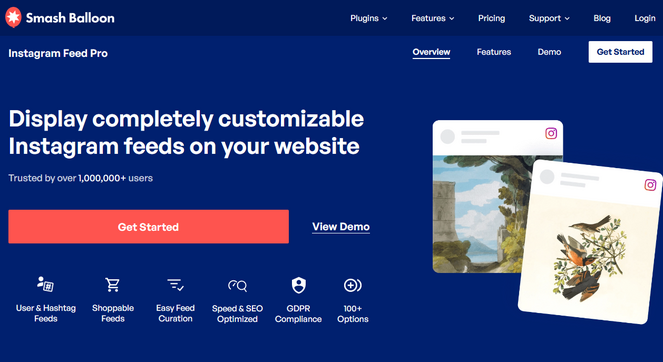
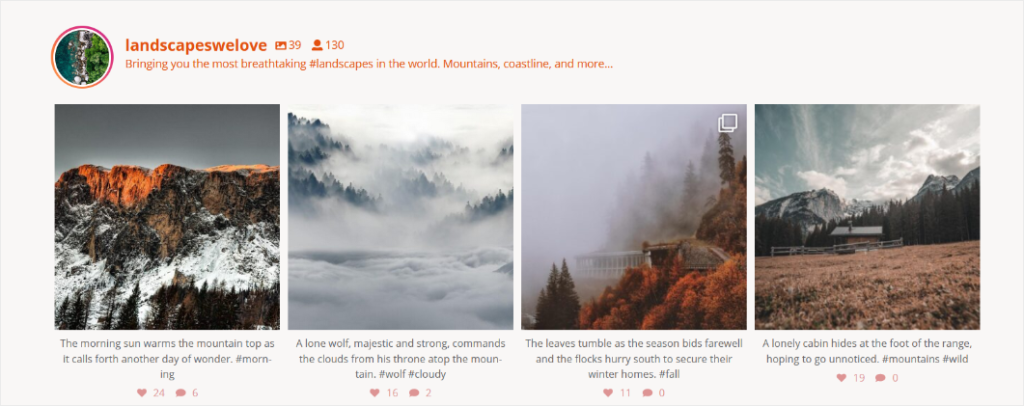
- Smash Balloon Instagram Feed Pro: This plugin represents the shift toward social-media-to-web synchronization. It utilizes API calls to fetch real-time data, ensuring that site content remains dynamic without manual updates.
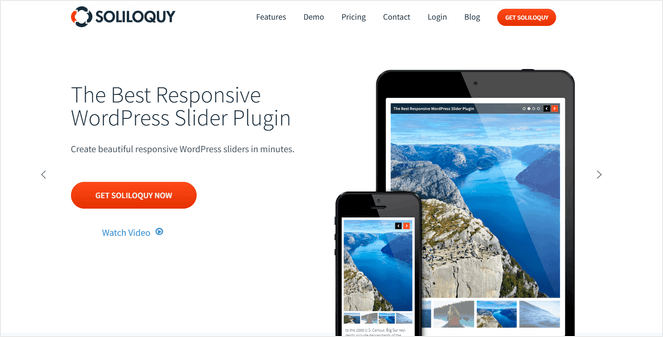
- Soliloquy: Specializing in slider technology, Soliloquy maintains a lightweight footprint by utilizing modern JavaScript libraries, avoiding the "bloat" common in early-generation animation plugins.
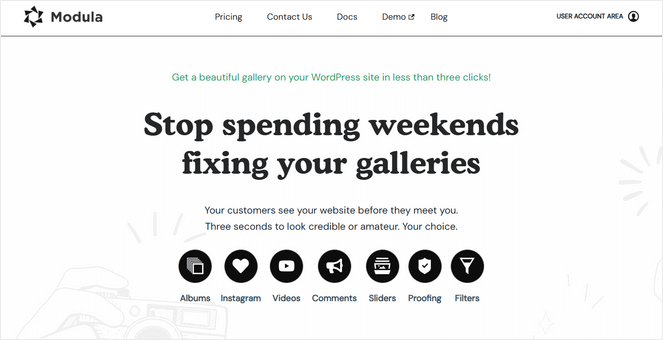
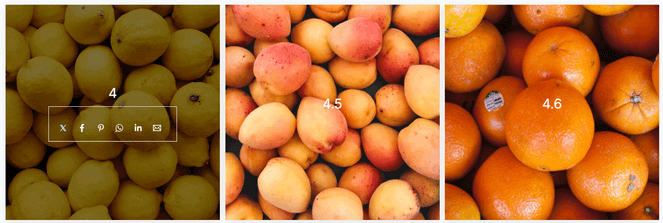
- Modula: This plugin caters to the demand for custom geometry, allowing for non-linear, masonry-style grids that move away from the rigid boxes of the past.
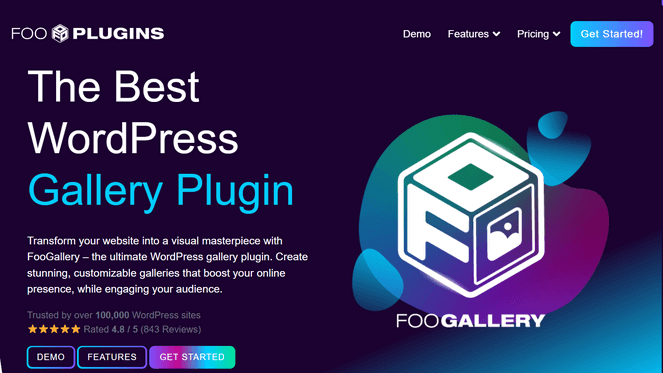
- FooGallery: Focused on the "live preview" experience, it provides a low-barrier entry point for creators who prioritize visual feedback during the development phase.
- Photo Gallery by 10Web: This represents the freemium model’s success, offering enterprise-level features like watermarking and advanced lightbox effects at no cost to the user.
Comparative Analysis and Performance Metrics
The choice of a gallery plugin has significant implications for a website’s SEO and user retention rates. Data indicates that pages with optimized visual galleries experience a 40% higher "time-on-page" metric compared to those with standard image blocks. However, this comes with the risk of increased bounce rates if the plugin is not properly configured for lazy loading.
| Plugin | Core Strength | Latency Impact | Integration Capacity |
|---|---|---|---|
| Envira | Speed/Efficiency | Minimal | High |
| NextGEN | eCommerce/Sales | Moderate | Very High |
| Smash Balloon | Social Sync | Low | High |
| Soliloquy | Motion/Sliders | Minimal | Moderate |
| Modula | Design/Layout | Low | Moderate |
| FooGallery | User Interface | Low | Moderate |
| 10Web | Cost/Value | Moderate | Moderate |
Industry Reactions and Expert Perspectives
Developers and digital marketers have long debated the necessity of plugins versus native code. Proponents of plugins, such as those at the WordPress community forums, argue that the complexity of modern image management—including WebP conversion, mobile-specific scaling, and EXIF data management—is too vast for a single user to manage via custom code.
"The modern blogger is competing with global media outlets," notes industry analyst Mark Henderson. "If your photography takes three seconds to load, the user is already gone. These plugins are no longer just ‘add-ons’; they are essential optimization layers that ensure your media pipeline is robust, secure, and fast."
The Economic Implications of Digital Assets
The transition toward "shoppable galleries" has fundamentally changed the economics of blogging. Tools like NextGEN and Smash Balloon have lowered the barrier to entry for content monetization. Photographers can now embed "buy" buttons directly into their image lightboxes, effectively bypassing the need for separate, expensive eCommerce platforms.
This democratization of retail has forced a change in how bloggers manage their content. Galleries are no longer just placeholders for images; they are high-conversion zones. The ability to track clicks on specific images within a gallery has provided creators with granular data on user preferences, which in turn informs future content strategies.

Future Outlook and Security Considerations
As WordPress continues to release major core updates, the compatibility of gallery plugins remains a focal point for webmasters. The industry is trending toward "Headless CMS" support, where images are served via APIs to decouple the gallery display from the primary site architecture. This is expected to further reduce page load times and improve site stability.
Security also remains a primary concern. Because gallery plugins interact directly with media libraries and, in some cases, payment gateways, developers are under increased pressure to conduct regular security audits. The plugins identified in this analysis have consistently received high marks for their adherence to WordPress coding standards, which mitigates the risk of vulnerabilities such as SQL injection or cross-site scripting (XSS).
Strategic Implementation for Modern Bloggers
For a blogger looking to upgrade their visual presentation, the decision-making process should be grounded in three factors: current traffic volume, the need for monetization, and the site’s existing load-time performance.
For high-traffic sites, performance-first plugins like Envira are recommended to maintain server stability. For photography-focused blogs where the goal is direct sales, the robust administrative tools of NextGEN offer the highest return on investment. Regardless of the choice, the integration of these tools marks a professional transition from a simple blogging platform to a fully realized digital media entity.

The landscape of web design is constantly shifting, but the requirement for high-quality, efficient, and interactive imagery remains a constant. By leveraging the right gallery technology, creators can ensure that their visual narratives are not only preserved but optimized for the modern digital reader.