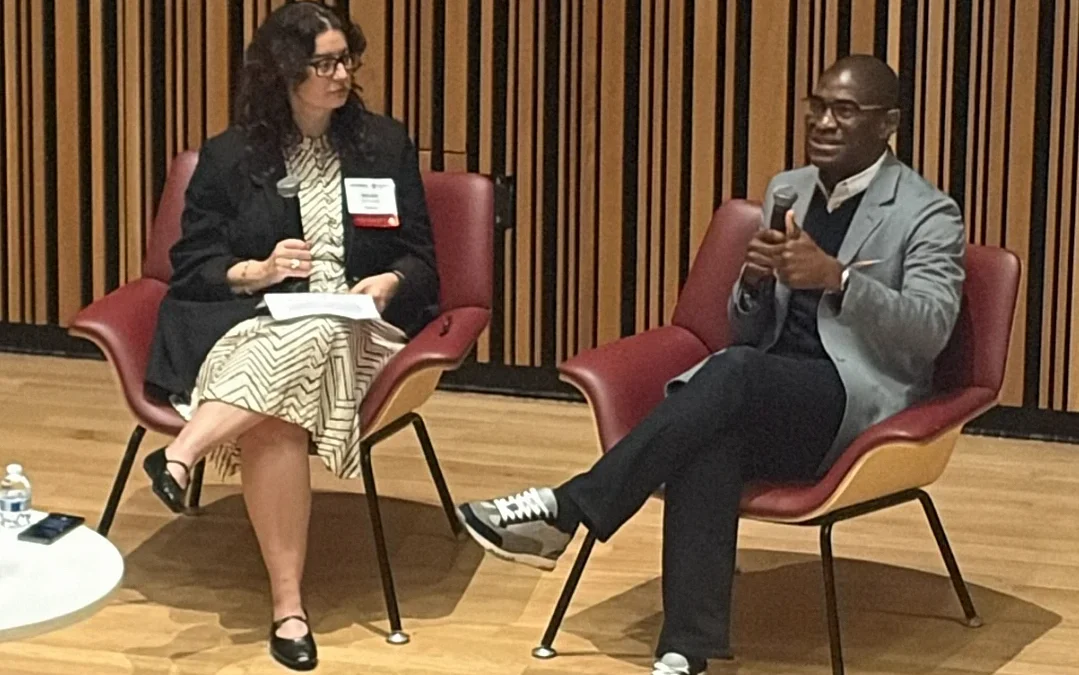
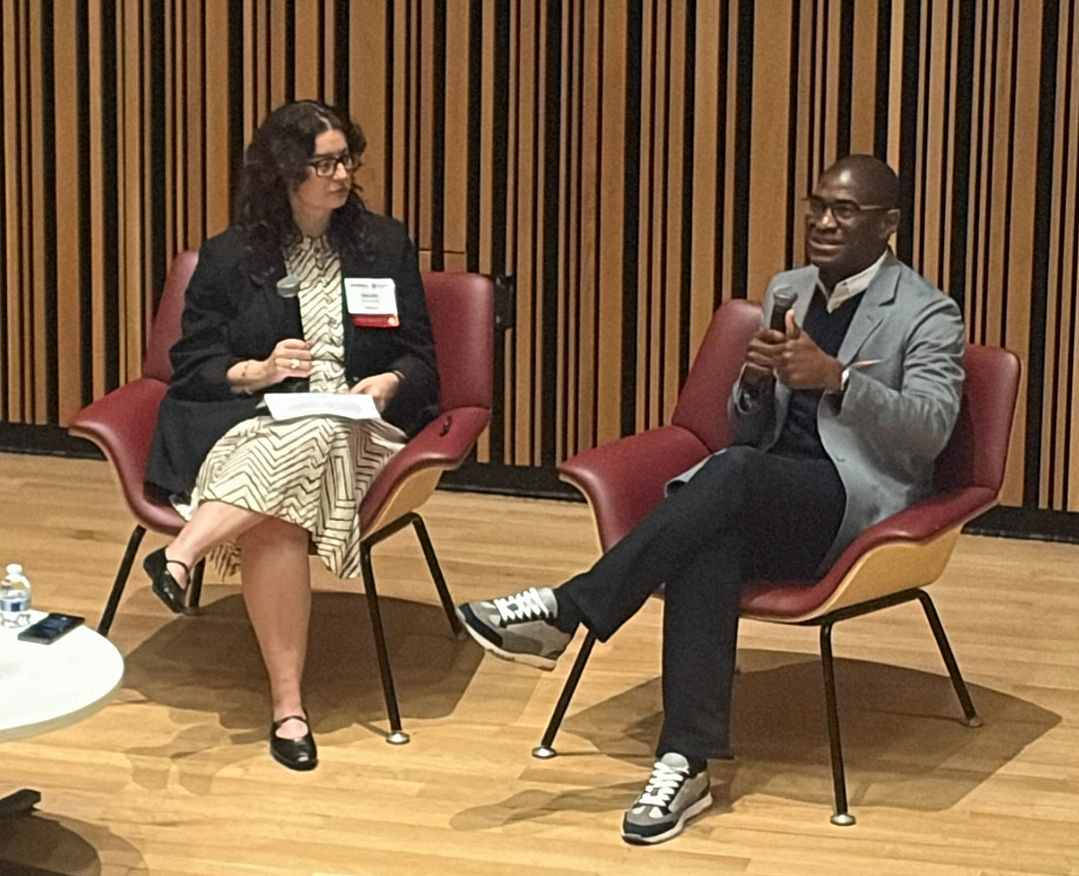
The evolution of modern corporate communications requires a deliberate shift from simply capturing audience attention to creating sustained emotional equity, a strategic reality brought into sharp focus at the Mid-Atlantic MarComm Summit. Held on October 14, 2026, the annual industry gathering brought together top-tier public relations and marketing leaders to analyze the shifting paradigms of consumer engagement, digital transformation, and brand storytelling. Among the keynote highlights was a high-profile fireside chat featuring AJ Jones II, Executive Vice President and Chief Strategic and Corporate Communications Officer at Monumental Sports & Entertainment (MSE). Interviewed by PRNEWS Managing Editor Nicole Schuman, Jones offered an inside look at how sports and entertainment enterprises leverage data, cultural artifacts, and advanced artificial intelligence to cultivate lifelong fanbases.
Monumental Sports & Entertainment stands as a dominant force in the North American sports and media landscape. Under its corporate umbrella, the organization stewards prominent professional franchises including the Washington Capitals (NHL), the Washington Wizards (NBA), the Washington Mystics (WNBA), and Team Liquid, alongside managing the operations of downtown Washington, D.C.’s premier venue, Capital One Arena. Transitioning to this high-stakes environment after leading global communications and corporate affairs at Starbucks, Jones brought a distinct philosophy regarding the attention economy. While fast-moving consumer goods brands must constantly disrupt daily consumer patterns to drive intermittent transactions, sports organizations operate firmly within the experience economy—a realm defined by education, entertainment, aesthetics, and escapism.
The Economics of Fandom and Cultural Artifacts
At the core of Jones’s strategic framework is a fundamental understanding of consumer loyalty in sports. Unlike traditional commercial products where brand switching is frequent and easily influenced by pricing or minor shifts in features, sports fandom is deeply ingrained in identity. As Jones noted during the MarComm Summit conversation, people are statistically more likely to change their religious affiliations over the course of a lifetime than the sports team they inherited from their families. The term fan itself is an abbreviation of fanatic, underscoring a level of psychological investment that transcends standard consumer behavior.
This profound loyalty elevates the importance of the two-and-a-half-hour live event window. When patrons purchase a ticket to a hockey game, a basketball matchup, or a live musical concert at Capital One Arena, they are investing in a curated moment. To maximize the value transmitted over time, MSE focuses heavily on personalization, customization, and aesthetic appeal.
Logos and visual identities function as critical cultural artifacts within this ecosystem. Referencing the iconic Milwaukee Brewers baseball cap logo—featuring an interlocking "M" and "B" that cleverly forms a traditional baseball mitt—Jones highlighted how powerful design transcends local athletic support. Similarly, the New York Yankees interlocking logo, originally designed by Tiffany & Co., has evolved into a global fashion and lifestyle statement worn by millions worldwide who may not actively follow baseball. By treating brand assets as wearable art and cultural expressions, sports organizations can extend their reach far beyond traditional game-day audiences, turning merchandise into a vital window for personal identity and memory retention.
The Explosive Growth and Commercialization of Women’s Sports
One of the most transformative shifts in the modern sports economy is the unprecedented rise of women’s professional and collegiate athletics. Recent market research from insights firm Gather indicates that Fortune 500 corporate involvement in women’s professional sports has more than doubled, surging from roughly 6% to approximately 13% of top-tier companies backing women’s leagues. Despite this impressive growth, the market remains wide open for brands seeking authentic connections with highly engaged demographics.
Jones boldly asserts that the future of sport is definitively female, pointing to remarkable quantitative milestones achieved across the industry. Since 2024 alone, 10 new women’s professional leagues have been launched globally. At the collegiate level, surging popularity has driven a 33% increase in television viewership. According to Nielsen media metrics, fans consumed 46 billion minutes of women’s sports content over the course of the previous year, a staggering metric that was already on pace to shatter records with 33 billion minutes watched midway through the following year.
Beyond traditional broadcast metrics, women’s sports have established a unique cultural footprint, most notably through the phenomenon of the pre-game "tunnel fit." Luxury fashion houses including Prada, Valentino, and Gucci have capitalized on the intersection of athletics and high fashion, frequently featuring elite women athletes on runways and in major global campaigns.
Despite this momentum, structural fragmentation remains a hurdle to accelerated commercialization. Jones identifies three critical pillars that must be stabilized to unlock the full economic potential of women’s sports: the youth-to-professional pipeline, the global expansion ecosystem, and the amplification of athlete influencers. While sports like the Professional Women’s Hockey League (PWHL)—which recently hosted record-breaking, sold-out games at Capital One Arena—enjoy rapid and durable adoption cycles, sustaining long-term growth requires strategic coordination across these foundational areas. Furthermore, the modern consumer frequently discovers sports through adjacent narrative content, such as Netflix docuseries like Drive to Survive or Quarterback. Because women disproportionately connect with athletics through character-driven storytelling, brands and communications teams must align their positioning accordingly to capture this expanding audience.
Navigating Global Fandom and Synthetic Audience Testing
Operating a major sports and entertainment conglomerate in the 21st century requires a truly global communications strategy. The modern sports ecosystem features international players, transnational viewing audiences, and digital streaming platforms that dismantle traditional geographic barriers.
This globalized reality presents fascinating cultural dynamics for communicators. Jones pointed to the Washington Capitals, where 22,000 fans pack Capital One Arena, with upwards of 84.6% wearing jerseys honoring Russian-born star players. This cross-cultural appreciation occurs against a backdrop of complex geopolitical tensions between the United States, Russia, and Ukraine. It underscores the unifying power of sport, forcing communications teams to carefully calibrate their messaging across local, national, and global tiers. With international outreach expanding rapidly—such as the National Basketball Association’s sold-out games in Mexico City drawing tens of thousands of fans, and ownership groups holding leadership positions across the NHL, NBA, and WNBA—international engagement is no longer optional.
To ensure messaging resonates across diverse cultural landscapes, MSE utilizes advanced artificial intelligence systems. By integrating a decade of historical messaging data into a synthetic audience platform, the organization can simulate global reactions and test how specific narratives will be received before launching public campaigns. This data-driven approach allows communications teams to dynamically adapt social media content for players, executives, and team channels, maximizing global connectivity and mitigating cross-market misunderstandings.
Navigating the Complexities of the Washington, D.C. Market
Executing public relations and marketing campaigns in the nation’s capital introduces unique challenges compared to other major metropolitan sports markets like Denver or Phoenix. D.C. functions as a high-stakes arena where corporate partnerships, civic policy, and federal governance frequently intersect. Leaders in this market must act as stewards of public ambitions, desires, and underlying anxieties, balancing diverse viewpoints to ensure every patron leaves a venue feeling enriched.
Rather than focusing exclusively on short-term messaging trends, MSE prioritizes long-term institutional reputation by evaluating how corporate decisions and partnerships will age over time. A prominent example occurred when U.S. Customs and Border Protection (CBP) sought to advertise on Monumental platforms during a period of intense public scrutiny regarding the agency’s operational authorities. While the partnership sparked internal discussions and stakeholder inquiries, leadership applied a steady, principle-based framework. Because CBP is a federally established entity employing thousands of public servants and participating in the broader economy, the decision was made to focus responsibly on connecting the advertiser to the appropriate audiences rather than engaging in partisan judgment calls.
This non-partisan, community-focused philosophy reflects the longevity of Monumental Sports & Entertainment, which has successfully navigated operations across seven distinct presidential administrations. Echoing a foundational philosophy articulated by team owner Ted Leonsis, the organization maintains that it is neither red nor blue, but red, white, and blue—remaining a civic resource dedicated to public service regardless of the political climate.
Measuring Human-to-Human ROI and Gourmet Fan Experiences
Evaluating the return on investment in the modern experience economy extends far beyond traditional marketing metrics like consumer lifetime value and brand advocacy ratios. While these quantitative indicators remain essential, MSE places a high premium on measuring human-to-human (H2H) interactions. Strategic content is purposefully designed to inspire individuals to connect in real life, recognizing that personal invitations from friends or colleagues are often the primary catalyst for driving attendance at live sports and entertainment events.
In addition to traditional athletic competition, the culinary landscape within sports venues has undergone a massive transformation. Consumer interest in gourmet food and culinary programming has skyrocketed, with streaming data indicating that food-related content viewership has successfully eclipsed traditional drama subscriptions. Capitalizing on this trend, MSE partnered with hospitality provider Aramark to introduce high-end culinary experiences tailored to modern food enthusiasts. Data analytics revealed a 41.3% demographic overlap between consumers maintaining multiple subscriptions to food networks and subscribers consuming Monumental’s digital streaming content, validating the cross-promotional strategy.
Leveraging Artificial Intelligence for a Frictionless Fan Journey
Artificial intelligence has played an integral role in professional sports for nearly two decades, initially revolutionizing athletic training, biomechanical analysis, injury prevention, and tactical game strategy. However, the application of AI has expanded outward from the locker room to directly enhance the fan experience.
At Capital One Arena, artificial intelligence powers a seamless "street-to-seat" transition for visitors. By analyzing historical customer data—including past concession orders, preferred seating zones, and optimal restroom locations—the venue can deliver a hyper-personalized, frictionless environment. Augmented reality signage assists patrons with navigation upon entry, while automated backend systems anticipate food and beverage preferences before fans even reach their seats. This reduction in logistical friction allows attendees to fully immerse themselves in the escapism and aesthetic of the live event, reinforcing loyalty and encouraging repeat visits.
Broader Implications for the Communications Industry
The evolution of sports marketing under leaders like AJ Jones II offers a vital blueprint for public relations professionals across all corporate sectors. By prioritizing emotional equity over transactional disruption, embracing the explosive growth of women’s athletics, deploying synthetic intelligence for global messaging accuracy, and grounding brand integrity in long-term perspective, communicators can successfully navigate an increasingly complex consumer landscape. As consumer expectations shift further toward personalization and immersive storytelling, the principles refined within the sports playbook will continue to shape the future of global brand strategy.