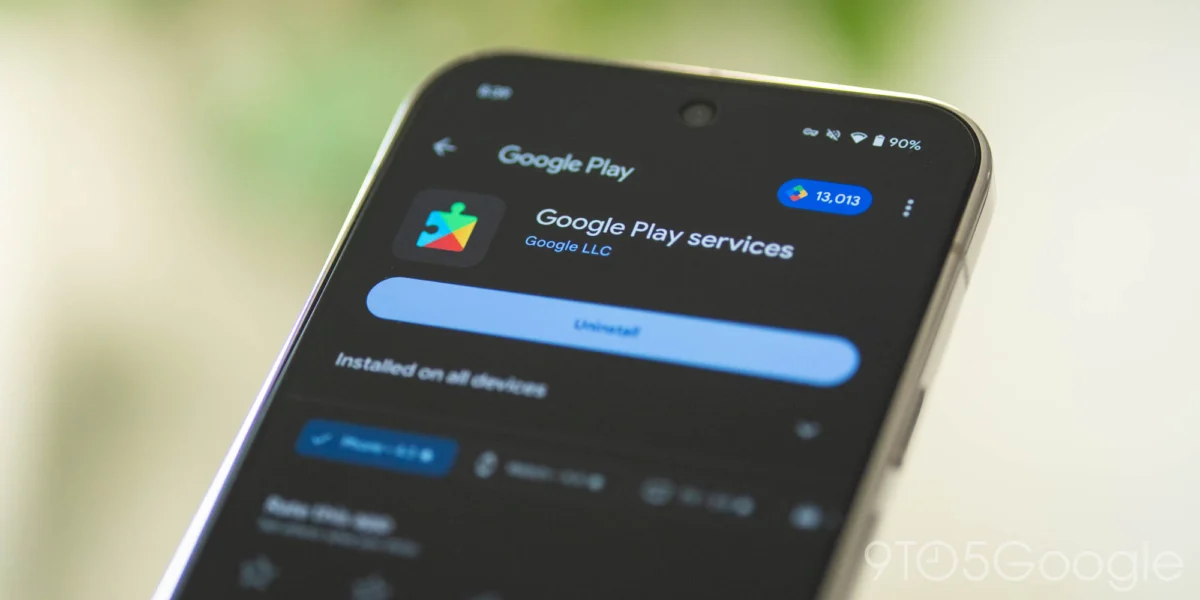
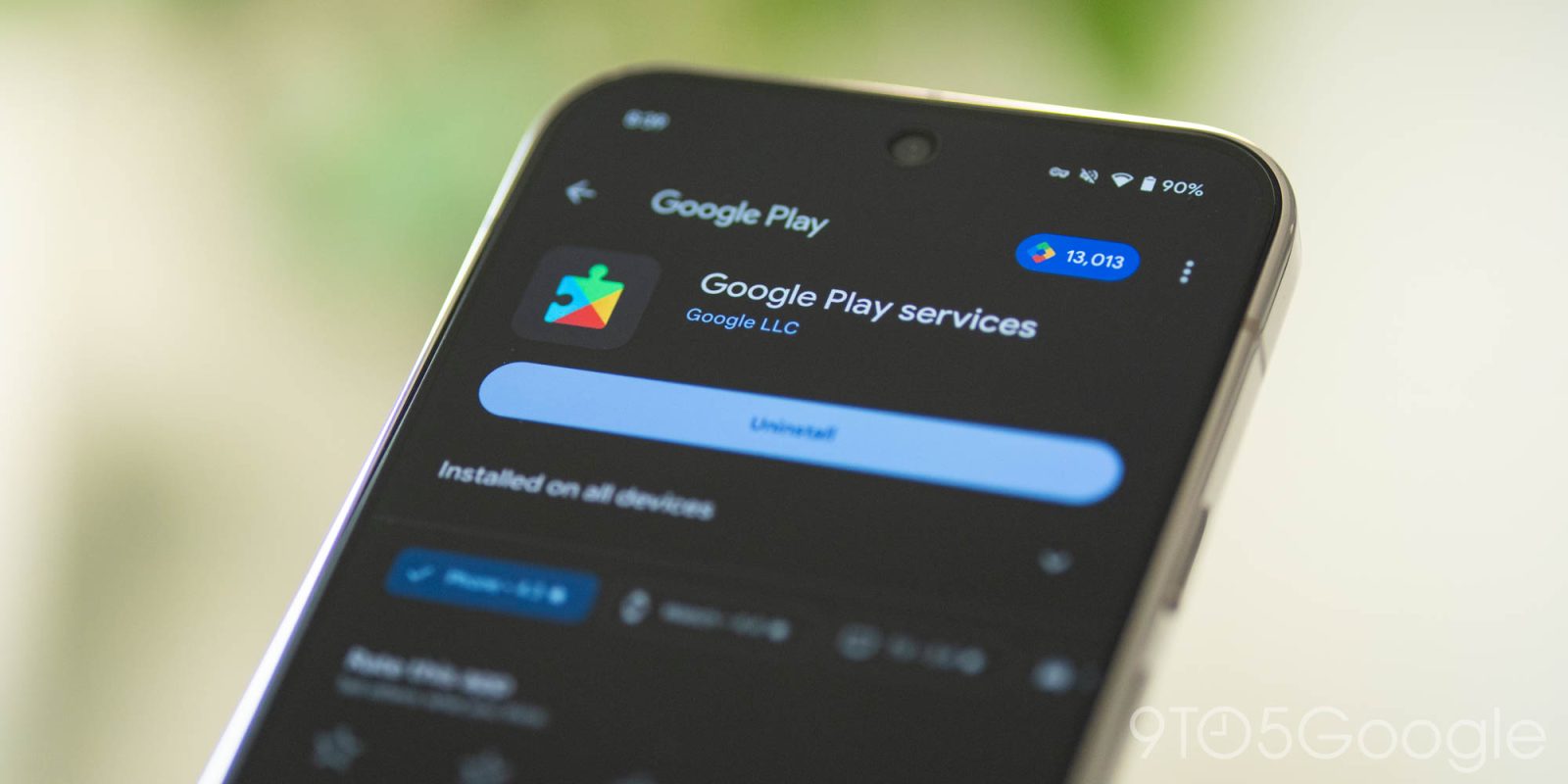
The monthly Google System Release Notes serve as the primary documentation for the continuous evolution of the Android ecosystem, encompassing Play Services, the Google Play Store, and a variety of underlying system components. These updates, which affect billions of devices—ranging from smartphones and tablets to Wear OS smartwatches, Android TV units, automotive infotainment systems, and even PC-based Android environments—are essential for maintaining device security, functionality, and developer compatibility. As Google continues its strategy of decoupling core system features from major Android OS version releases, these modular updates have become the primary vehicle for delivering new capabilities to users globally.
Understanding the Architecture of Google System Updates
To grasp the significance of these October 2026 updates, it is necessary to understand the "Google System" framework. Unlike traditional operating system updates that require a full firmware image, Google System updates are delivered via the Play Store infrastructure. This allows the company to bypass carrier-specific bottlenecks, ensuring that security patches, API improvements, and privacy enhancements reach users in a streamlined fashion.
The components affected by these updates are diverse. Google Play Services acts as the backbone, providing essential APIs for location services, account authentication, and device synchronization. The Google Play Store manages the distribution of applications and, increasingly, system-level components. Android WebView ensures that web content is rendered securely across thousands of different applications. Finally, specialized components like Private Compute Services and Android System Intelligence handle on-device machine learning tasks, ensuring that user data remains local while enabling advanced features like real-time captioning, smart suggestions, and predictive text.
Chronology of October 2026 Releases
The month of October 2026 saw a high cadence of updates, reflecting Google’s commitment to rapid iteration. The following chronology outlines the deployment schedule for these critical software packages:
- October 1, 2026: Android System Intelligence was updated to version B.29 / C.7, focusing on optimizing local AI processing capabilities to enhance battery efficiency during intensive background tasks.
- October 5, 2026: A broad suite of updates was released, including Google Play Services v26.39 and Google Play Store v53.5. These updates primarily targeted developer services and security refinements for the Android Wallet framework.
- October 12, 2026: The ecosystem saw the arrival of Google Play Services v26.40 and Play Store v53.6. These versions introduced expanded device connectivity protocols and refinements to the internal system management framework.
- October 19, 2026: Updates v26.41 and v53.7 were pushed to the public, focusing heavily on user-facing privacy controls and further hardening of the Wallet infrastructure.
- October 22, 2026: Android WebView reached version 157, a critical update addressing vulnerabilities in the Chromium-based engine that powers in-app browsing.
- October 26, 2026: The month concluded with a major set of releases, including Google Play Services v26.42, Play Store v53.8, and an update to Private Compute Services (B.31 / C.9).
Technical Deep Dive: Key Areas of Improvement
The October updates focused on three primary pillars: security, connectivity, and performance optimization.
Security and Privacy Enhancements
The updates to Private Compute Services and the recurring security patches within Play Services underscore Google’s ongoing effort to isolate sensitive data processing. By keeping machine learning inferences on the device, Google aims to mitigate privacy risks associated with cloud-based processing. The release of Android WebView v157 is particularly noteworthy; as the most common entry point for web-based attacks on Android devices, keeping this component up-to-date is a non-negotiable security requirement.
Device Connectivity and Ecosystem Integration
With the increasing number of smart devices in a typical household, the "Device Connectivity" updates released throughout the month were aimed at reducing handshake failures between Android devices and IoT peripherals. By refining the underlying Bluetooth and Wi-Fi communication stacks within Play Services, Google has aimed to create a more seamless "Fast Pair" experience, reducing the time required for devices to recognize and authenticate with one another.
System Management and Efficiency
The updates to the Google Play Store (v53.5 through v53.8) have concentrated on background optimization. By changing how the store handles incremental updates, Google has reduced the overhead required for app installations. This is particularly beneficial for users in emerging markets with limited data bandwidth or on older hardware with constrained storage capacity.
The Role of Developer Services
A significant portion of the "Google System" is dedicated to the developer ecosystem. By updating Developer Services within Play Services, Google allows third-party app creators to leverage new APIs without waiting for a platform-wide OS update. This includes advancements in location accuracy, ad-ID management (in compliance with privacy regulations), and integration with Google’s evolving cloud services. For developers, these monthly notes serve as a roadmap for feature implementation, ensuring that their applications remain compatible with the latest privacy and security standards mandated by Google.
User Guidance: How to Verify and Update
Given the fragmented nature of the Android market, ensuring that a device is running the latest Google System components is a standard practice for security-conscious users. To verify the current status and manually trigger updates, users should navigate to the device Settings. On Google Pixel devices, this is located under Settings > Google > All services > Privacy & security > System services.
It is important to note that a feature appearing in the monthly changelog does not guarantee immediate availability on every device. Google frequently employs "staged rollouts," where features are enabled for a small percentage of the user base before a wider release. This strategy allows for the identification of bugs in a controlled environment, preventing widespread system instability.

Broader Implications for the Android Ecosystem
The shift toward modular, Play-delivered updates has fundamentally changed the power dynamic between Google and hardware manufacturers (OEMs). Previously, a critical security flaw in a core service would require a lengthy approval process involving Google, the chipset manufacturer, and the phone carrier. Today, Google can push a patch directly to the end user, significantly reducing the "window of exposure" for vulnerabilities.
This evolution has also contributed to the longevity of Android devices. By decoupling features from the OS version, older hardware can continue to support modern applications and security protocols long after the manufacturer has ceased providing major OS updates. This has significant implications for electronic waste reduction and consumer retention.
Analysis of Future Trends
As we look toward the remainder of the year and into 2027, the focus of Google System updates is likely to shift further toward generative AI integration. The updates to Android System Intelligence seen in October 2026 are just the beginning; we expect to see more system-level hooks for large language models (LLMs) that can run locally on mobile hardware. This will require further refinements to the "System Management" components to balance the extreme power demands of AI inference with the necessity of maintaining all-day battery life.
Furthermore, as global regulations regarding digital wallets and payment security tighten, the frequent updates to the Google Wallet framework suggest that Google is positioning its system services to be the primary point of compliance for financial transactions on Android. The continuous, iterative updates ensure that as new regulatory requirements emerge, the system can adapt in near real-time, maintaining its status as a trusted platform for digital finance.
Conclusion
The October 2026 Google System Release Notes highlight a mature, highly responsive software ecosystem. By prioritizing granular, modular updates, Google has successfully insulated the Android user experience from the traditional delays associated with mobile software distribution. For the average user, these updates occur silently in the background, yet they represent a massive, coordinated effort to ensure that devices remain secure, efficient, and capable of supporting the latest technological advancements. As the ecosystem grows in complexity, the importance of these monthly release notes as a definitive record of progress cannot be overstated.