The landscape of social media measurement has undergone a profound shift, forcing digital marketers, creators, and enterprise brands to reevaluate how they track performance on the platform formerly known as Twitter, now operating as X. As the platform transitions deeper into a subscription-oriented model under its current ownership, data accessibility has become a central point of discussion within the digital marketing community. Understanding how to extract, interpret, and leverage performance metrics is no longer just a tactical advantage; it is a fundamental requirement for maintaining visibility in an increasingly competitive digital ecosystem.

The evolution of X analytics reflects a broader industry trend toward monetization and gated features. Historically, the platform offered a comprehensive, native analytics dashboard to all registered users free of charge. However, strategic realignments have placed the full-suite account analytics dashboard firmly behind a paywall. As of early 2026, comprehensive native reporting features are predominantly restricted to X Premium subscribers—a user base numbering approximately 4.4 million paid accounts globally—and desktop-verified accounts. Free-tier users retain limited access to post-level data via mobile devices, but the absence of macro-level reporting tools has catalyzed a surge in demand for third-party social media management platforms.
Understanding the Mechanics of Free Versus Paid Access
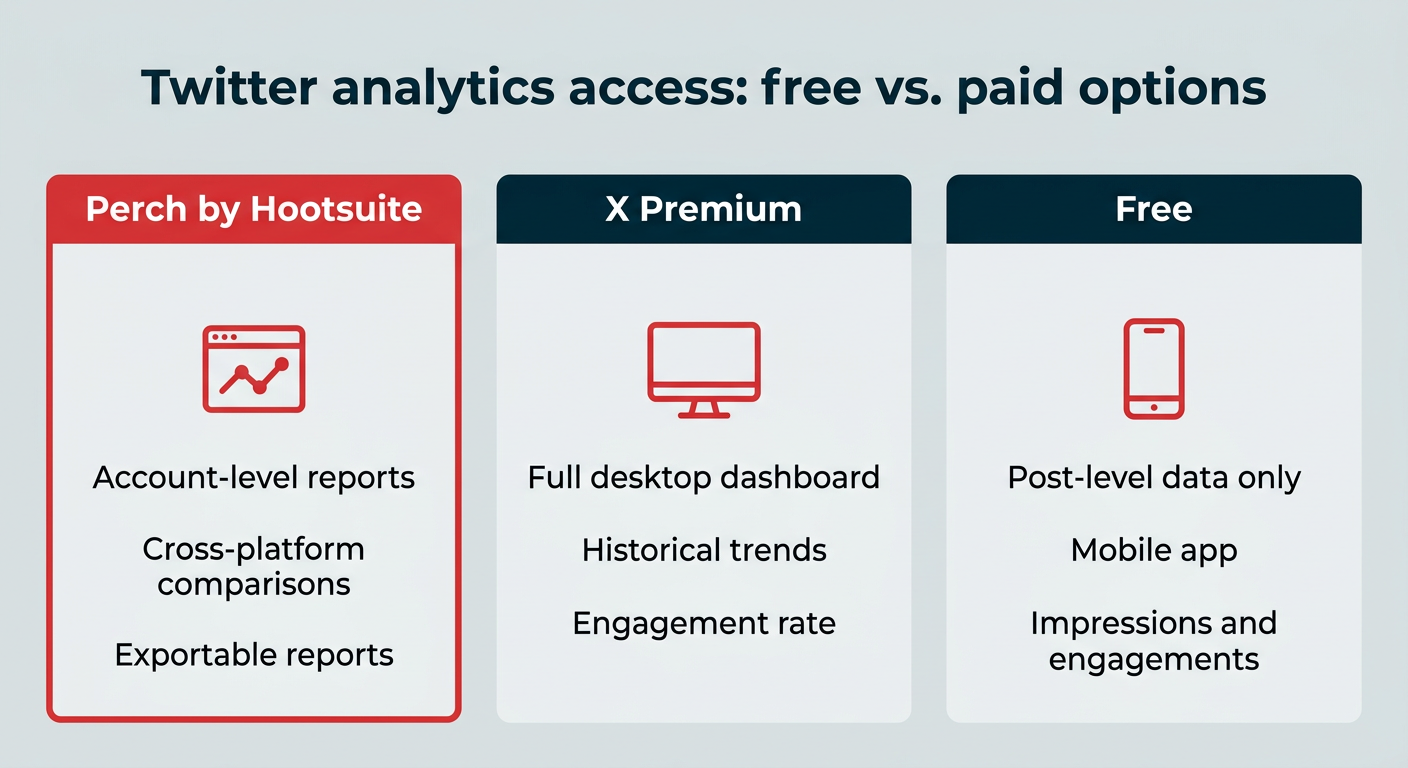
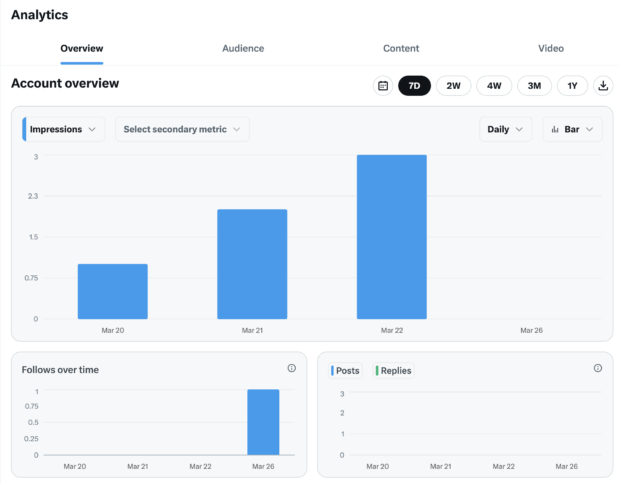
The current architecture of X analytics creates a distinct dichotomy between casual users and professional marketers. Free accounts can still assess individual post metrics by navigating through the mobile application, tapping the options menu on a specific post, and selecting view analytics. This method provides immediate feedback on basic parameters such as post engagements, profile clicks, and impressions for a singular piece of content.
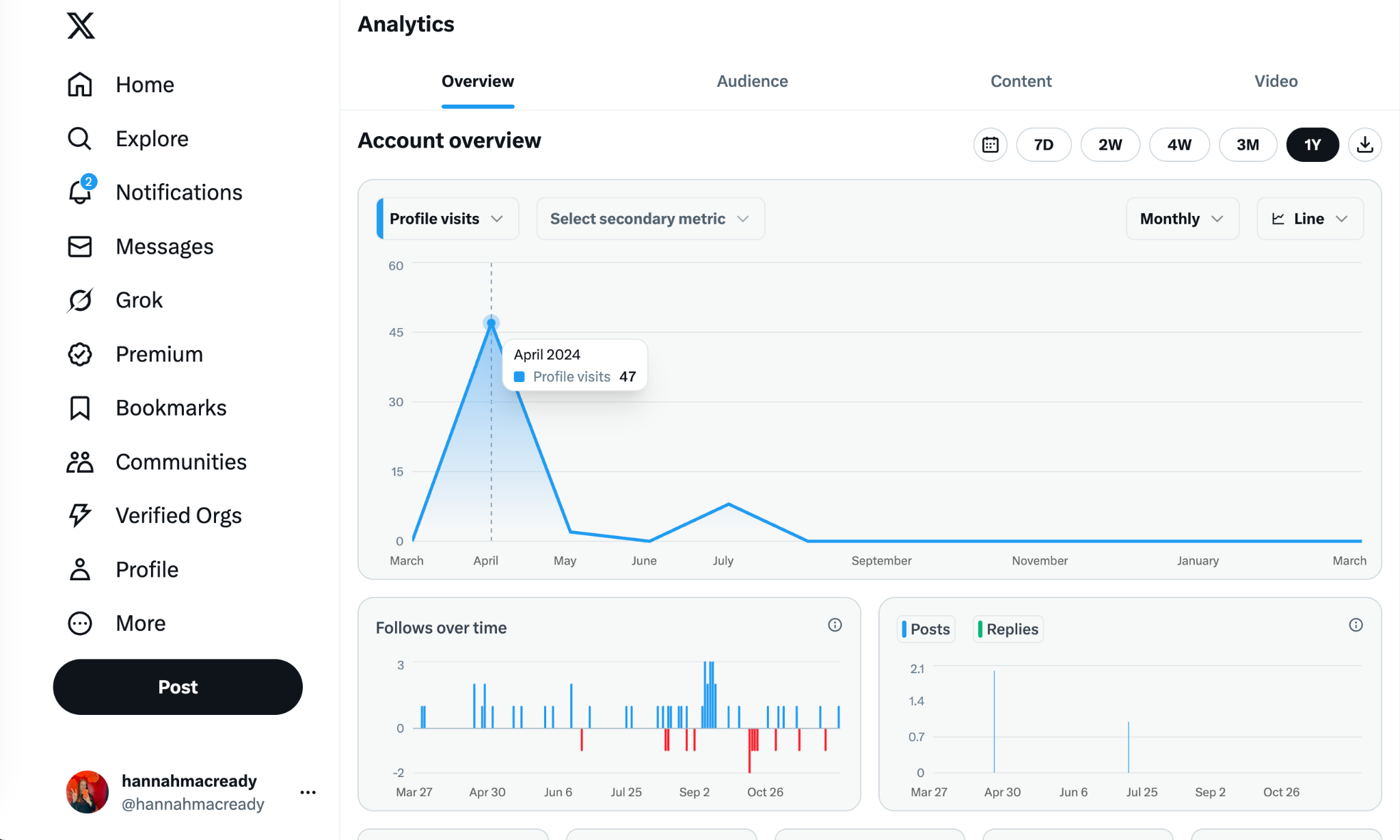
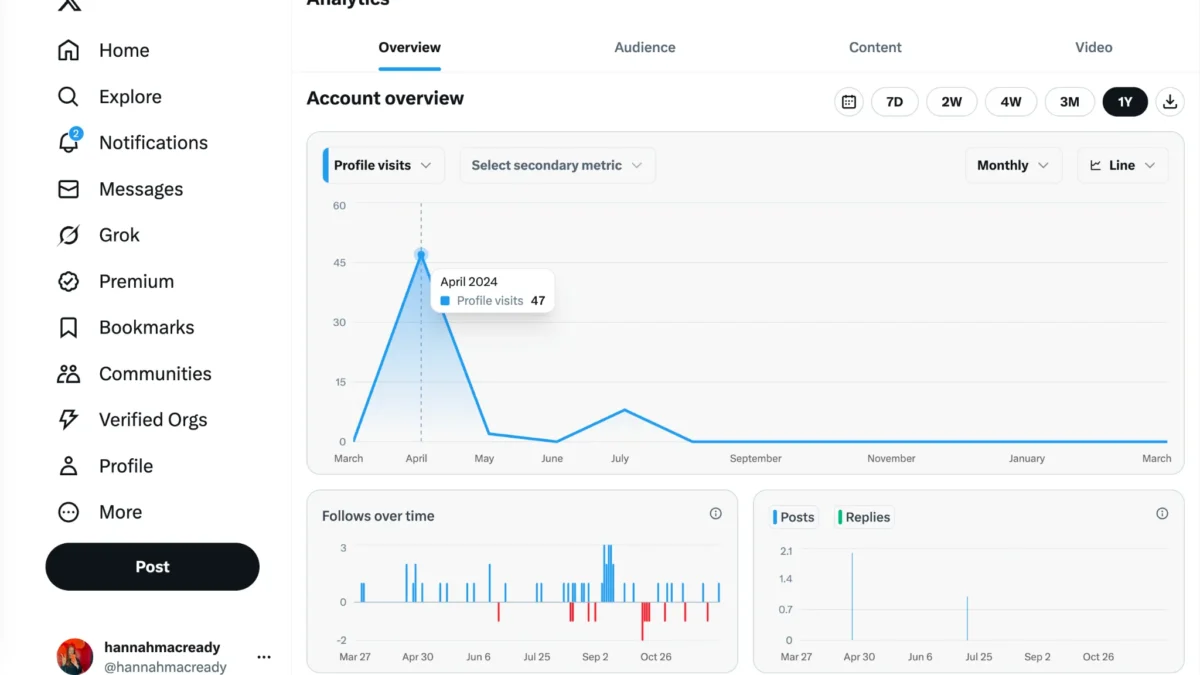
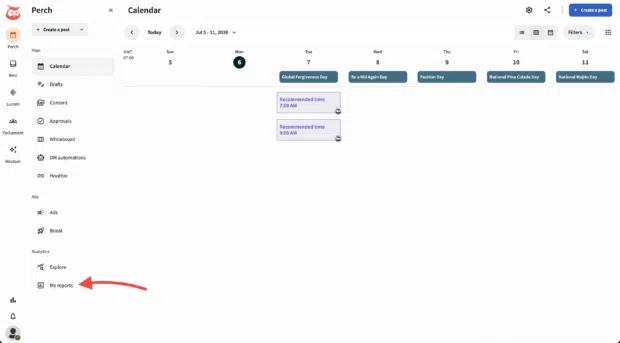
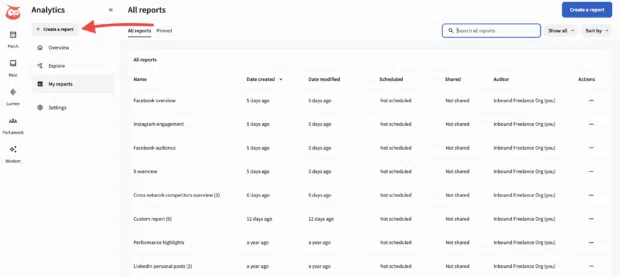
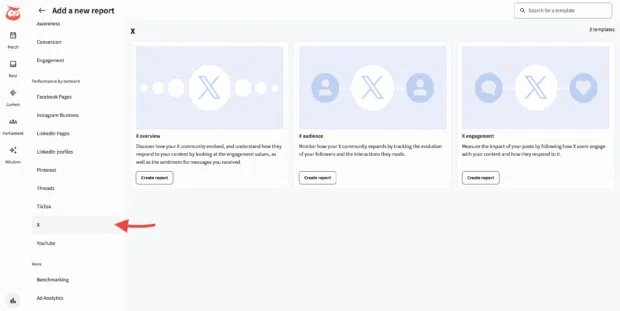
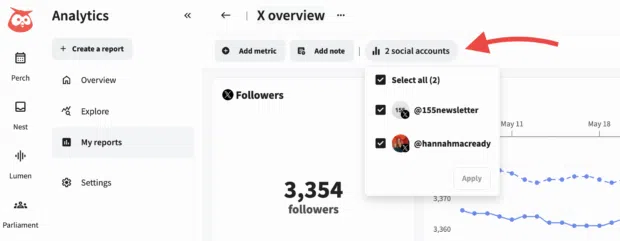
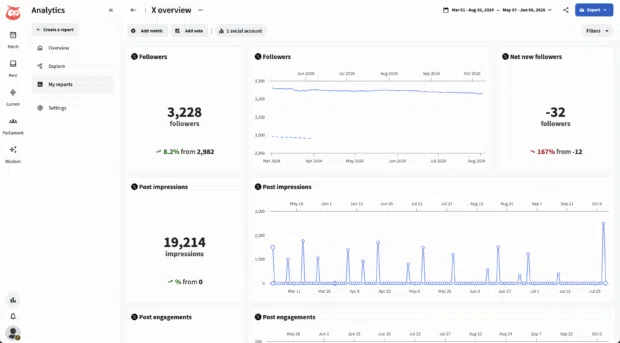
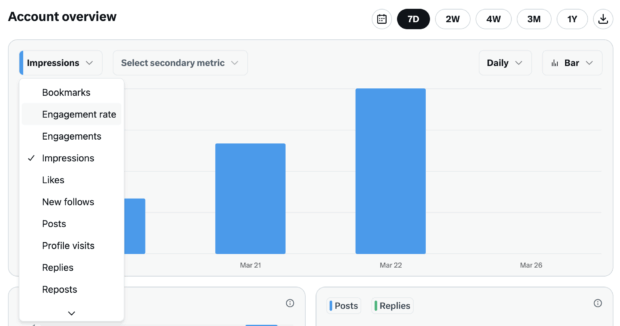
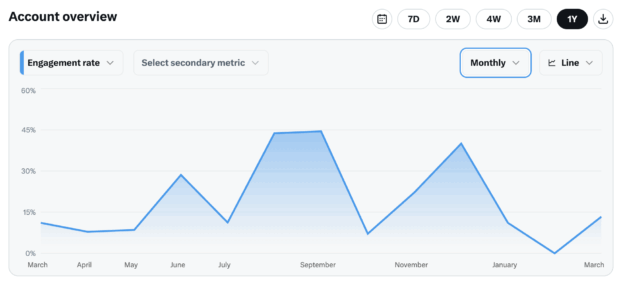
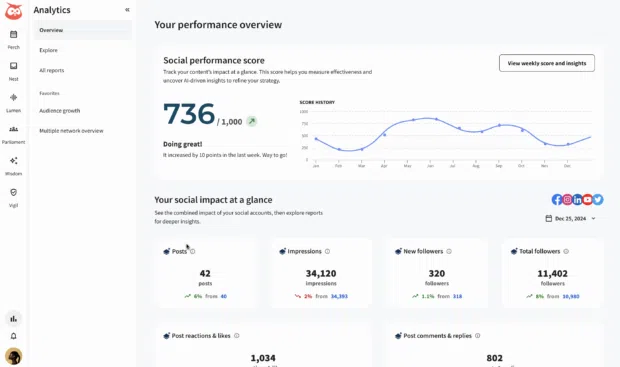
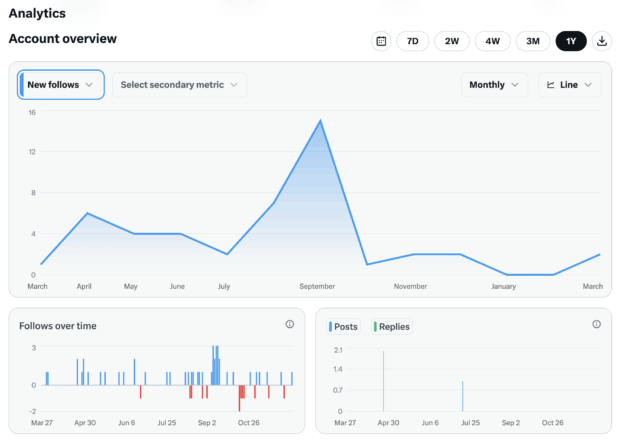
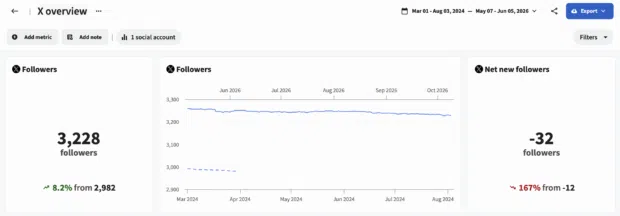
Conversely, the full desktop dashboard—accessible via standard web browsers for premium subscribers—aggregates extensive longitudinal data. This environment allows users to visualize trends across customizable timeframes, toggle between line and bar graphs, and analyze aggregate metrics like follower growth, overall engagement rates, and content tab breakdowns. For organizations managing multiple channels without a dedicated X Premium budget, this limitation has driven reliance on integrated management suites like Hootsuite’s Perch, which bypasses native platform restrictions to deliver unified account-level reporting.
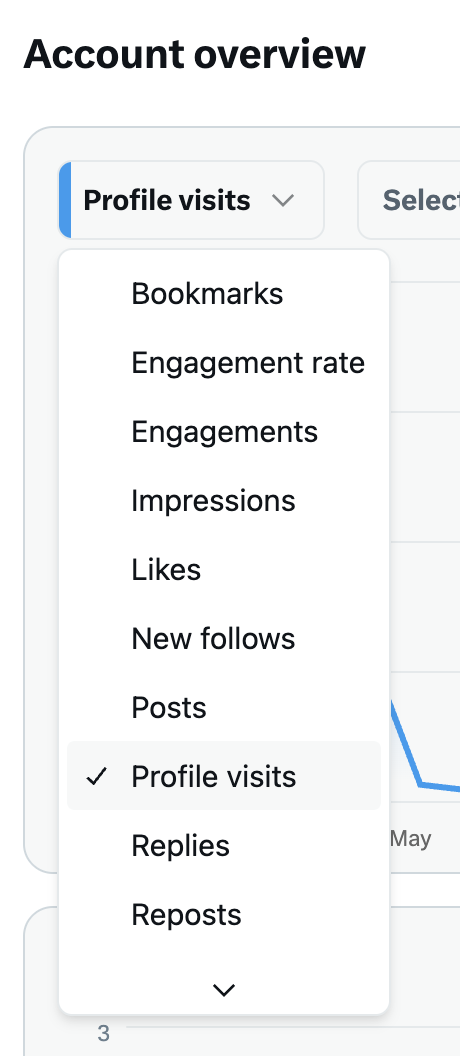
Key Performance Indicators That Drive Modern Strategies

Successfully navigating X analytics requires a disciplined focus on key performance indicators (KPIs) that directly align with overarching organizational goals. Marketers must resist the temptation to monitor every available data point, choosing instead to anchor their analytical frameworks to specific objectives such as brand awareness, community building, or direct website traffic generation.

Engagement rate remains one of the most critical barometers of content resonance. Calculated by dividing total engagements—including likes, replies, reposts, and link clicks—by total impressions and multiplying by 100, this metric reveals how effectively a piece of content compels an audience to transition from passive scrolling to active participation. Industry benchmarks suggest that maintaining a consistent baseline is vital, as algorithms preferentially distribute content that generates early, high-velocity interaction.
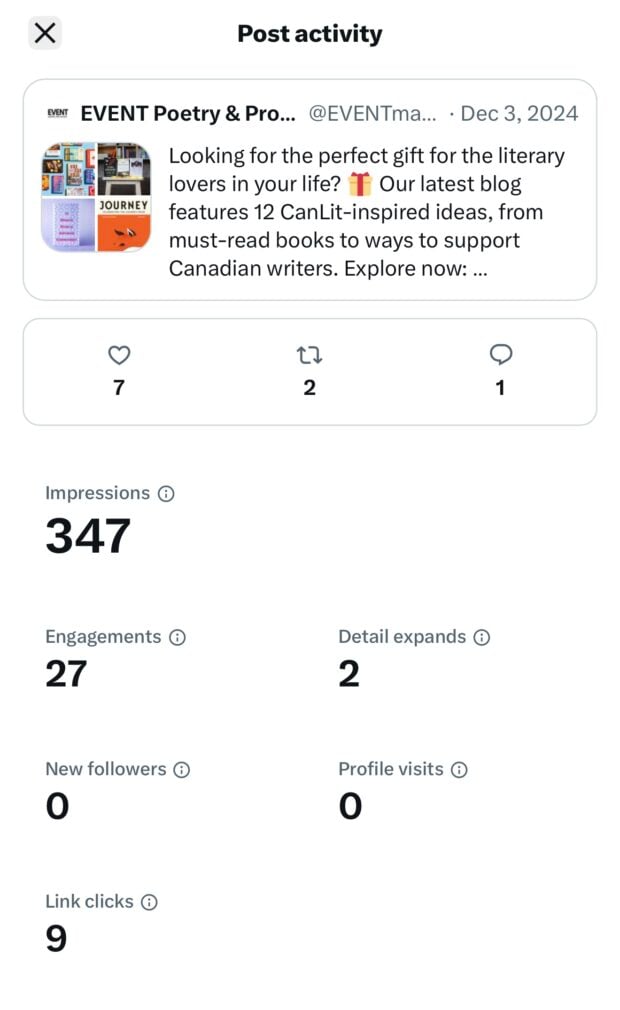
Impressions and reach offer complementary insights into content distribution. While impressions quantify the total number of times a post appears on a screen—accounting for multiple views by the same user—reach measures the unique accounts that encountered the content. Tracking these metrics alongside year-over-year performance data is essential, particularly given broader industry shifts that have impacted average impression volumes across the platform.
Conversion-focused strategies place heavy emphasis on link clicks and profile visits. Link clicks evaluate the efficacy of calls to action, messaging clarity, and link preview formatting, serving as a direct bridge between social media engagement and downstream web traffic. Meanwhile, an uptick in profile visits typically signifies an audience member moving from casual observer to a state of active consideration, often preceding a follow or a conversion event.
Strategic Implementation and Industry Perspectives
Maximizing the utility of X analytics demands a dual-lens approach that evaluates micro-level post performance while monitoring macro-level trends over weeks, quarters, and years. According to industry practitioners, treating underperforming posts as experimental learning opportunities is vital for long-term growth. Adjusting variables such as visual assets, post length, and formatting—such as transitioning a standalone thought into a threaded narrative—allows content creators to systematically refine their approach.
Furthermore, competitive intelligence plays an indispensable role in modern social media strategy. Because direct access to competitor analytics is inherently restricted, marketers increasingly rely on private monitoring lists and social listening tools to observe peer performance and audience reactions. By identifying which content formats and conversational topics yield high engagement for competitors, brands can safely test parallel concepts within their own editorial calendars.
Sharing insights beyond the immediate social media team also amplifies the organizational value of X analytics. Insights gleaned from customer sentiment, recurring replies, and trending topics provide actionable intelligence for product development, sales enablement, and creative direction, turning social metrics into a company-wide asset.
Evaluating Third-Party Analytics Solutions
As native reporting options remain constrained by platform subscription models, third-party analytics tools have emerged as essential infrastructure for enterprise marketing teams. Solutions such as Perch by Hootsuite provide advanced cross-platform comparisons, automated benchmark tracking, and customizable reporting dashboards. While premium third-party tools require significant financial investment, they offer unmatched efficiency for organizations seeking to aggregate data across multiple social networks without navigating disparate native interfaces.
For solo marketers and small teams with leaner budgets, alternatives like Buffer and Later offer streamlined access to core post metrics, scheduling capabilities, and basic best-time-to-post recommendations, though they may lack the deep social listening and enterprise-grade reporting features required by larger corporations.
The Future of Platform Measurement
As digital marketing continues to mature, the integration of advanced analytics, social listening, and sentiment analysis will define the most successful brand strategies on X. By focusing on metrics that map directly to business objectives, establishing robust internal benchmarks, and leveraging sophisticated reporting tools, organizations can cut through administrative data noise and demonstrate clear return on investment from their social media operations.