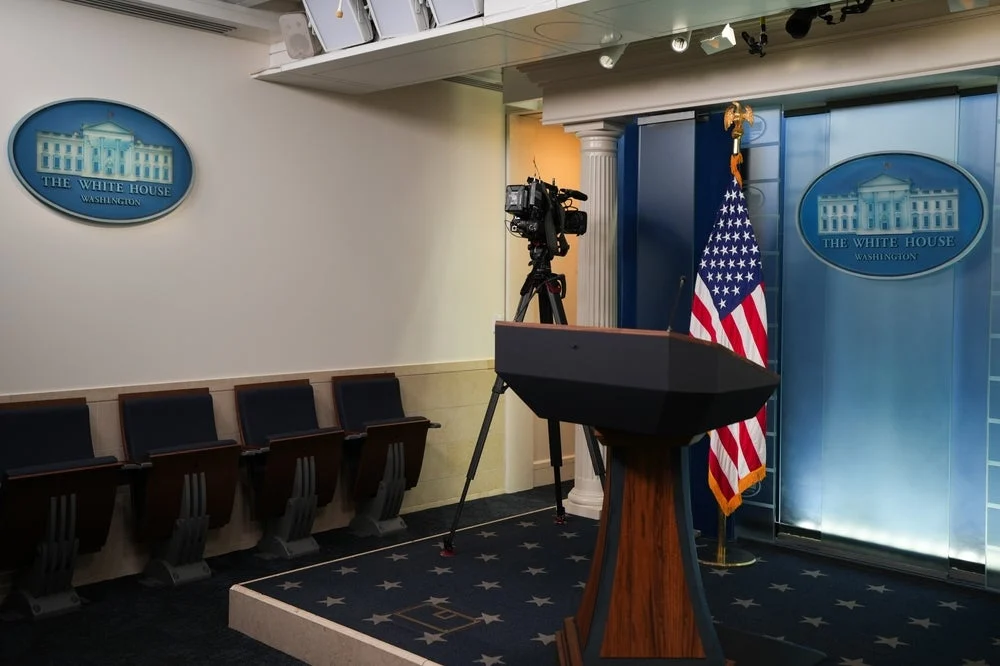
The recent legal showdown in Washington, which saw reporters from CNN, MS NOW, and Politico barred from the White House briefing room for nearly a week before being reinstated by a federal judge, has reignited a fundamental debate over constitutional press freedoms. Yet beneath the immediate controversy of government transparency and media exclusion lies a profound structural evolution that goes to the heart of modern communications. As traditional gatekeepers fight for physical and digital access to the corridors of power, a larger, more disruptive question confronts public relations professionals, news executives, and policymakers alike: Who actually constitutes the media in 2026?
For decades, the architecture of media relations was built upon a rigid, predictable hierarchy. Communications strategists categorized outlets into distinct tiers: top-tier national newspapers and broadcast networks formed the apex, mid-tier trade publications and specialized journals occupied the middle, and everything else fell into a catch-all category. Public relations teams spent their careers cultivating relationships with a known roster of credentialed journalists, structuring embargoes, press briefings, and news releases around these established institutional conduits.
Today, that predictable landscape has dissolved. According to the Reuters Institute’s Digital News Report, modern audiences increasingly bypass traditional news broadcasts and broadsheets in favor of independent digital creators, newsletter writers, and social-first influencers. When the consumer’s journey to information changes, the identity of those who shape public understanding must inevitably evolve with it. The journalist breaking down a complex policy proposal today is just as likely to be an independent analyst publishing via Substack, a podcast host recording from a home studio, or a subject-matter expert building a dedicated following on YouTube, Instagram, or TikTok.
The White House Press Room Controversy: A Timeline of Exclusion
The tension between institutional press credentials and modern digital media reached a boiling point in September 2026, when access for several prominent news organizations was abruptly revoked. The chronology of the dispute highlights the friction between traditional administrative gatekeeping and the dynamic nature of contemporary journalism:
- Day One: Reporters from CNN, MS NOW, and Politico are informed that their daily press credentials have been suspended following a contentious exchange regarding administrative policy leaks.
- Day Three: Major press associations, including the White House Correspondents’ Association (WHCA), issue statements condemning the exclusion, warning that restricting designated outlets threatens the constitutional foundation of a free press.
- Day Five: Legal teams representing the affected media organizations file an emergency motion in the U.S. District Court for the District of Columbia, arguing that viewpoint-based or arbitrary exclusion from a public forum violates the First Amendment.
- Day Seven: U.S. District Judge Timothy Kelly issues an emergency preliminary injunction ordering the White House to immediately restore press credentials to the barred outlets while the broader lawsuit proceeds through the judicial system.
- Present Day: While the physical press room remains populated by traditional correspondents, the legal battle has permanently shifted the spotlight onto how governments—and corporate entities—define and manage press access in an era of decentralized communication.
The Modern Media Ecosystem: A Collaborative Reality
For communications professionals navigating this fractured landscape, the mandate is no longer about choosing between traditional reporters and digital creators. Rather, it requires discerning who is executing rigorous, credible work, reaching an engaged and relevant audience, and contributing constructively to public discourse.
The term creator has unfortunately become a blunt instrument, frequently conflating individuals producing sponsored lifestyle content with independent journalists reporting on complex geopolitical developments or legislative updates. While both groups share digital real estate on platforms like TikTok or Instagram, they operate under entirely different ethical and operational frameworks. Communications teams must recognize that creators are merely one component of a sprawling, multi-tiered media ecosystem that encompasses legacy newsrooms, independent investigative journalists, niche newsletter writers, and verified subject-matter experts.
Crucially, traditional journalism remains the bedrock of this ecosystem. The rigorous reporting, meticulous verification practices, and institutional accountability championed by established newsrooms are more vital than ever, particularly in an era of information saturation. Many of the most influential digital commentators and explainers do not operate in a vacuum; they build their commentary directly upon the primary reporting generated by legacy media outlets.
Consequently, the debate should not be framed as a zero-sum contest where either legacy media or digital creators emerge victorious. Both models are mutually dependent. When traditional press access is curtailed—as demonstrated vividly in the recent White House standoff—the entire information pipeline suffers, diminishing the quality of public debate for citizens across all platforms.
Moving Beyond Platform-Based Credibility
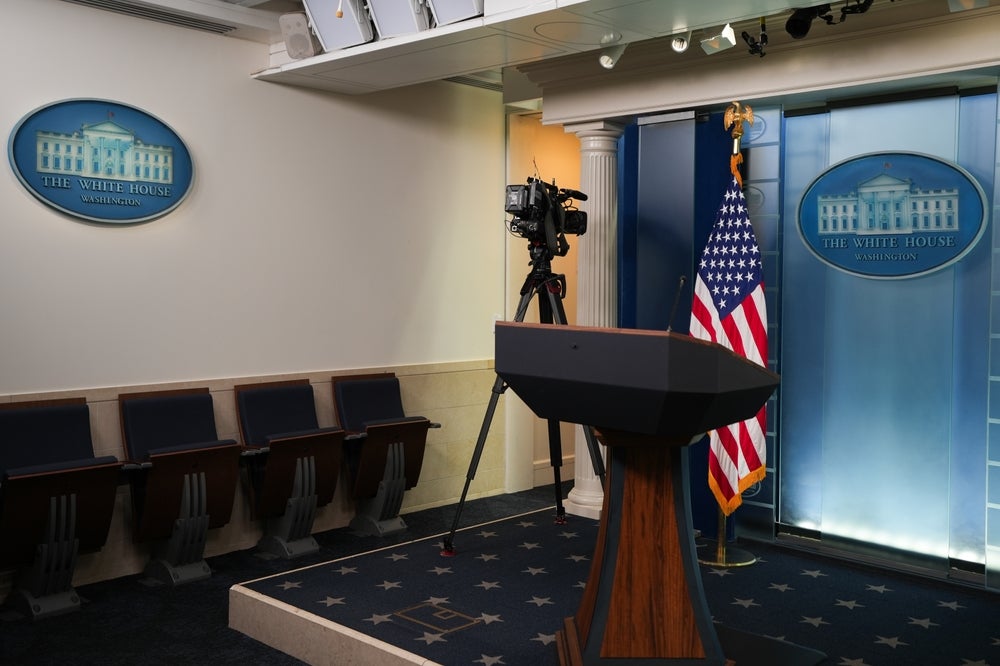
In the past, employment by a recognized, traditional publication served as a shorthand proxy for journalistic integrity. However, the digital age has shattered that assumption. Working for an established brand does not automatically guarantee rigorous reporting, just as publishing independently on a social media platform does not inherently render a communicator untrustworthy.
This distinction is growing increasingly urgent as technological advancements lower the barriers to entry for mass misinformation. The rise of generative artificial intelligence has introduced sophisticated threats to the integrity of digital information. Earlier this month, regulatory and platform scrutiny intensified after YouTube dismantled a vast network of channels that utilized paid actors to read aloud sophisticated, AI-generated political scripts designed to mimic authentic grassroots commentary.
In light of such vulnerabilities, public relations practitioners and media analysts must abandon lazy heuristics—such as evaluating credibility based solely on a platform name, an email domain, or a traditional press badge. Instead, modern communications teams must implement stringent evaluation criteria focused on transparency, sourcing methodology, correction policies, and audience engagement history.
Rethinking Press Access and Resource Allocation
If the media landscape has fundamentally decentralized, the criteria governing who receives institutional access, embargoed data, and expert interviews must adapt accordingly. Independent journalists and credible digital creators require the same fundamental tools as legacy reporters to produce accurate, contextualized coverage: early access to official documents, transparent data sets, direct lines to subject-matter experts, and adequate time to formulate nuanced questions.
This does not imply that every individual with a substantial social media following should be added to a daily press distribution list. Rather, it requires the development of sophisticated vetting protocols to identify credible, responsible voices who cover consequential topics with intellectual honesty.
Forward-thinking traditional news organizations are already pioneering bridges to this new segment of the press. For instance, initiatives like The Recount’s Creators Voter Guide provide digital commentators with verified, primary-source records of candidate statements, ensuring that creators have direct access to unvarnished facts rather than partisan spin. The objective is not to convert independent creators into traditional beat reporters, but to equip all individuals informing the public with the rigorous resources necessary to maintain factual accuracy.
Strategic Implications for Communications Professionals
For corporate communications and public relations strategists, the most critical operational takeaway is that the traditional media list is no longer a static document; it is a dynamic, expanding ecosystem.
Building effective relationships in this new era requires the same long-term investment that professionals historically dedicated to newspaper and television beats. Comms teams must proactively identify emerging, credible voices across various digital platforms, analyze their reporting focus, and build trust long before a client crisis or product launch requires external outreach.
Simply adding a new tab labeled creators to an existing customer relationship management database is entirely insufficient. True adaptation demands a continuous re-evaluation of institutional strategy driven by a foundational question: Who is genuinely shaping the target audience’s understanding of our industry, and does our media relations framework reflect that reality?
The philosophical debate over whether digital creators deserve parity with traditional journalists will undoubtedly persist across newsrooms and legal briefs. Yet for communications practitioners, focusing exclusively on that semantic argument misses the broader transformation. The architecture of the press corps will continue to evolve, entirely independent of judicial rulings or administrative policies. The PR teams and organizations that successfully navigate this new era will be those that abandon rigid definitions tied to titles and platforms, choosing instead to anchor their strategies in the timeless pillars of rigor, relevance, and trust—wherever those values reside.