The modern digital publishing landscape has undergone a seismic shift over the past several years. For over a decade, search engine optimization (SEO) served as the undisputed lifeblood for independent content creators, niche bloggers, and digital entrepreneurs. Securing the top spot on major search engine results pages was universally viewed as the ultimate benchmark for commercial viability. However, continuous algorithmic updates, shifting corporate search priorities, and heightened competition have made organic search traffic increasingly volatile. In response to these headwinds, forward-thinking digital publishers are rethinking their acquisition funnels, pioneering resilient business models that reduce or entirely eliminate reliance on traditional search engines.
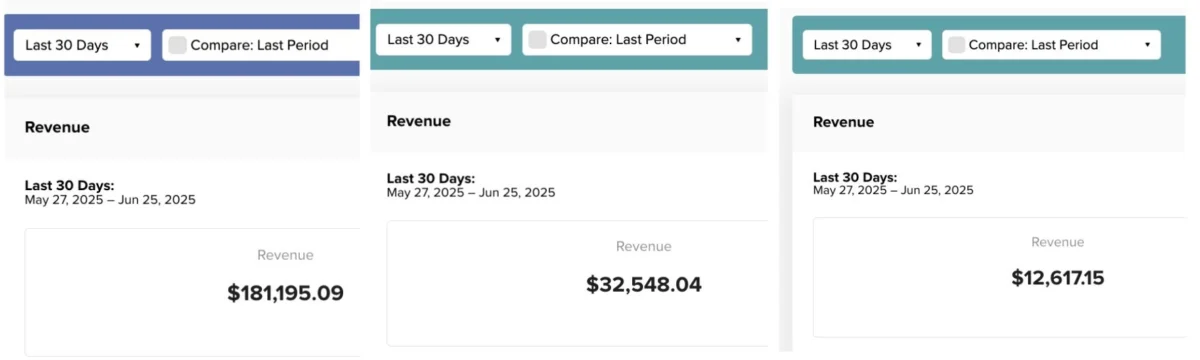
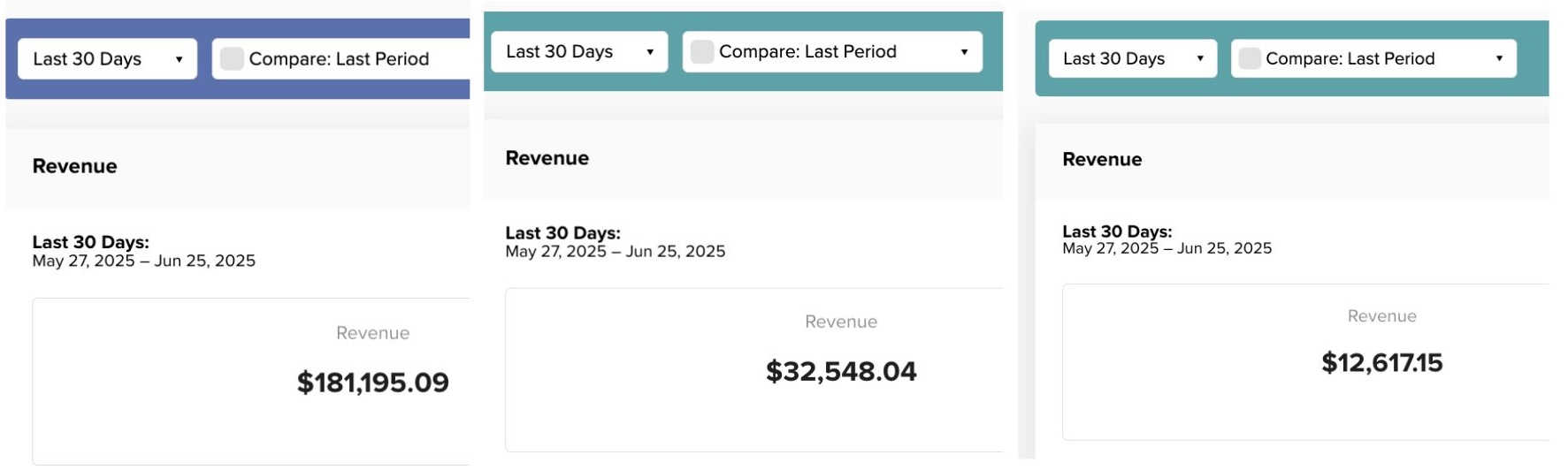
One notable example within the digital publishing sector is veteran content creator Jon Dykstra, who has documented an alternative blueprint centered around diversified traffic acquisition, email marketing ecosystems, and automated social funneling. Operating multiple digital domains, Dykstra’s publishing network has reportedly scaled to generate upwards of $100,000 in monthly net profit—a milestone achieved largely independently of organic search engine traffic. This case study highlights a broader industry trend: the transition from passive search dependence to active, multi-channel audience ownership.
The Genesis of the Diversified Publishing Strategy
The origins of this publishing model trace back over eighteen months of iterative testing, pivoting, and platform experimentation. Historically, digital publishers relied heavily on attracting users through keyword-targeted articles optimized for search engines. When search algorithms shifted, many independent sites experienced precipitous drops in traffic and corresponding ad revenue. Recognizing this vulnerability, Dykstra and other industry operators began exploring alternative traffic sources that offered higher predictability and stronger user intent.
The foundational thesis of the modern alternative publishing model rests on a simple premise: content creation should serve as the top of a self-sustaining commercial funnel rather than the final destination. Instead of waiting for search engine crawlers to index and rank pages, publishers are utilizing targeted social platforms, community engagement tools, and strategic paid acquisition to drive initial interest. Once users arrive at the digital property, the objective shifts immediately from passive ad consumption to active audience capture and monetization.
Phase One: Developing High-Value Content Assets
Despite the shift away from SEO, the baseline requirement for digital publishing remains unchanged: high-quality, engaging content is non-negotiable. In an era saturated with generic, AI-generated text, successful publishers differentiate themselves by offering deep domain expertise, actionable guides, and resources that foster repeat visits.

Industry analysts note that successful content assets in non-SEO frameworks typically focus on specific consumer pain points, transactional intent, or specialized hobbies. Rather than casting a wide net to capture low-intent searchers, publishers design content explicitly tailored for readers who arrive via targeted social channels, referral links, or curated newsletters. This targeted approach ensures that incoming visitors possess higher engagement rates, translating to better performance metrics across ad networks and affiliate platforms.
Phase Two: Transitioning From Visitors to Owned Audiences
A critical vulnerability of traditional web publishing is the transient nature of traffic. When a user visits a website, consumes an article, and departs without leaving identifying information, that attention is permanently lost. Modern publishing frameworks treat traffic acquisition as an incomplete transaction unless it results in audience retention.
To combat visitor attrition, successful publishers prioritize the rapid deployment of email capture mechanisms. By offering specialized lead magnets, content upgrades, or structured newsletters, publishers convert anonymous browsers into subscribers. Industry standards suggest that an owned email list functions as an insurance policy against algorithmic volatility on social media and search engines. Platforms such as Kit (formerly ConvertKit) have become standard infrastructure for managing subscriber databases, providing robust segmentation and automation capabilities that integrate smoothly with advanced monetization tools.
Phase Three: Multi-Tiered Monetization Architecture
Relying on a single revenue stream—such as traditional banner advertising—is increasingly viewed as a high-risk strategy for digital publishers. Modern high-earning domains utilize a multi-layered monetization architecture designed to maximize the economic value of every single site visitor.
Display Advertising as a Baseline
For programmatic advertising, publishers frequently partner with premium ad management networks like Mediavine. Once a site clears specific traffic thresholds, these networks optimize ad placements to deliver competitive earnings per thousand impressions (RPMs). While display ads provide a steady, passive baseline income, they represent only the initial tier of the revenue model.
Affiliate Marketing and Strategic Partnerships
The second tier involves strategic affiliate marketing. Rather than managing dozens of fragmented, low-yielding affiliate relationships, publishers increasingly utilize comprehensive aggregation platforms like Stay22. These sitewide affiliate tools automatically route user intent to the most lucrative merchant offers, streamlining backend management while optimizing commission payouts.
Newsletter Monetization and Sponsorships
The third tier leverages the email newsletter itself as an independent revenue channel. Through curated sponsorships, native advertising, and subscriber-acquisition platforms like SparkLoop, publishers transform their daily or weekly dispatches into profit centers. Educational resources and advanced training programs—such as those developed by newsletter strategists like Scott DeLong—have gained traction among publishers looking to systematically monetize email subscriber bases.
Phase Four: Advanced Traffic Generation and Social Funnels
Without a steady influx of new users, any publishing model will eventually plateau. Rather than relying on search engine optimization, successful operators utilize a combination of platform-specific search engines and automated social acquisition funnels.
Pinterest as a Commercial Search Engine
Platforms like Pinterest are frequently integrated into modern publishing strategies. Far from being restricted to lifestyle and recipe content, Pinterest functions effectively as a visual search engine characterized by high commercial buyer intent. Specialized tracking and scheduling tools, such as PinClicks, allow publishers to analyze trending topics and optimize their content distribution for maximum reach.
Automated Social Media Funnels
Perhaps the most significant evolution in traffic and subscriber acquisition is the utilization of automated messaging tools across platforms like Instagram, Threads, and Facebook. Utilizing software integrations such as Manychat, publishers can automate direct message conversations based on user comments and interactions.
For example, when a user comments on an educational social media post, the automation initiates a direct dialogue, delivers requested resources, and seamlessly captures email subscriber information. Industry experts note that this automated approach acts as a round-the-clock acquisition engine, feeding qualified leads directly into the publisher’s core ecosystem.
The Flywheel Effect and Business Implications
When executed cohesively, these disparate components combine to create a self-reinforcing business flywheel. Traffic enters the digital property from social networks or targeted campaigns; visitors view display ads and click optimized affiliate links; a significant percentage of those visitors subscribe to the email newsletter; the newsletter delivers daily value while generating separate sponsorship revenue; and automated social tools continuously inject new subscribers into the top of the funnel.

Financial analysts examining the digital publishing sector point out that this decentralized approach offers superior risk management compared to legacy models. By distributing traffic sources across Pinterest, Instagram, direct email, and social automation, publishers insulate their businesses from the catastrophic revenue drops historically associated with sudden search engine algorithm updates.
Furthermore, the scalability of these networks has attracted attention from investors and independent entrepreneurs alike. Domains that successfully implement multi-channel monetization often command impressive valuations on digital brokerage marketplaces, as buyers increasingly value diversified traffic streams over search-dependent assets.
Industry Outlook and Future Considerations
The success of multi-channel, non-SEO publishing models signals a broader maturation of the digital content industry. As artificial intelligence lowers the barrier to entry for basic content creation, differentiation will increasingly rely on audience ownership, brand loyalty, and sophisticated funnel architecture.
While the framework requires initial technical setup, content planning, and cross-platform integration, its proponents argue that the resulting financial stability far outweighs the complexity. For independent creators willing to move beyond traditional search optimization, the modern digital publishing landscape offers unprecedented opportunities for revenue diversification and long-term business resilience.