The modern digital publishing landscape has undergone a profound structural shift over the last several years. For over a decade, search engine optimization (SEO) served as the primary mechanism through which independent content creators, niche bloggers, and digital entrepreneurs acquired audience attention and generated revenue. However, repeated algorithmic updates from major search engines, characterized by increased volatility and a preference for massive aggregator platforms, have left many traditional web publishers searching for alternative acquisition strategies.
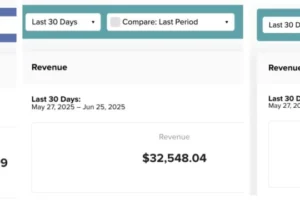
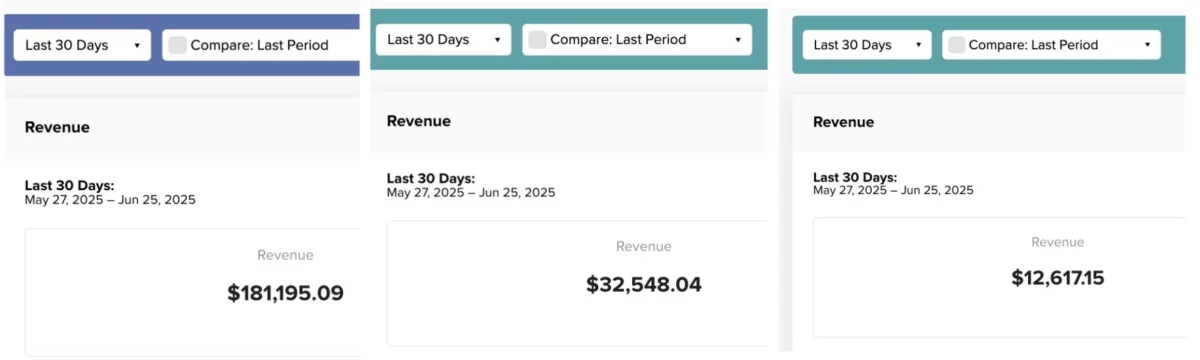
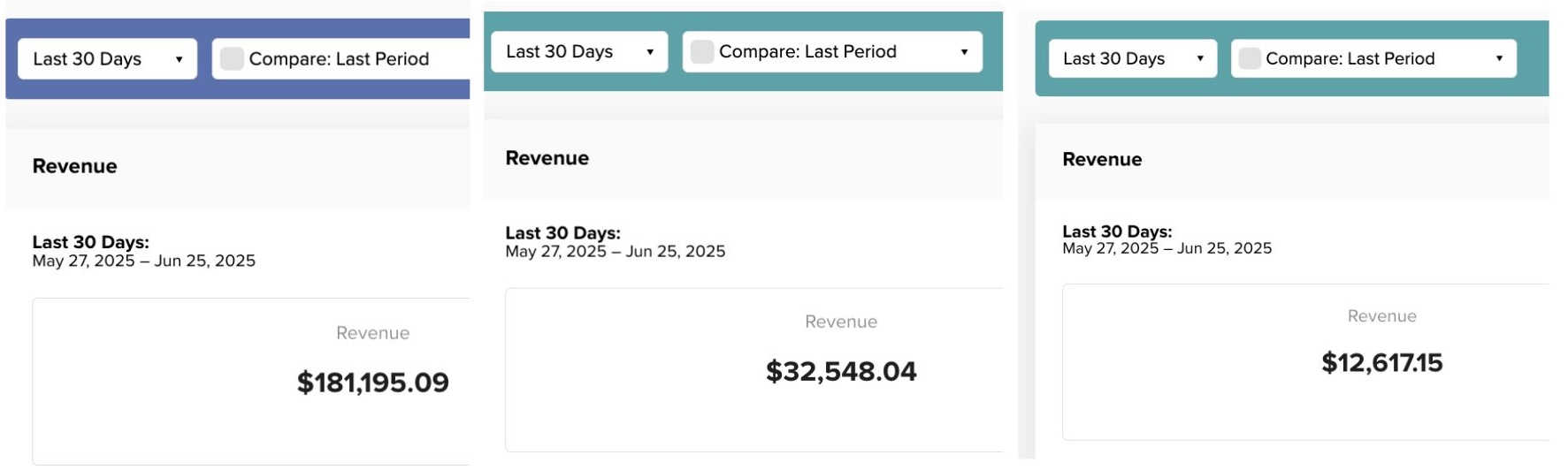
Against this backdrop of industry-wide disruption, veteran digital publisher Jon Dykstra has documented a profitable transition away from traditional search engine reliance. Over an eighteen-month testing and implementation period, Dykstra developed an operational framework that now generates in excess of $100,000 per month across multiple digital properties. Rather than depending on organic search rankings to sustain monthly overhead—such as mortgage payments and operational expenses—this system relies on a self-reinforcing flywheel model that integrates direct audience capture, automated social media acquisition, high-yield display advertising, and diversified affiliate marketing.
The Evolution of Independent Digital Publishing
Historically, the playbook for niche website owners was straightforward: conduct keyword research, publish keyword-optimized articles, build backlinks, and capture traffic directly from search engine result pages. Monetization typically followed a standard path, utilizing display ad networks like Mediavine or Raptive alongside Amazon Associates affiliate links.
However, as search engine algorithms increasingly favor user-generated content forums, major media conglomerates, and government or institutional domains, small- and medium-sized independent publishers have experienced precipitous traffic declines. The vulnerability of depending on a single traffic source prompted forward-thinking creators to explore decentralized distribution channels.
Dykstra’s multi-domain strategy represents a departure from traditional SEO dependency. Operating three distinct content properties, the publisher engineered a system designed to insulate revenue streams from search algorithm updates while scaling financial performance to six figures monthly. This approach shifts the publisher’s primary objective from renting space on search engines to owning direct communication channels with the audience.
The Core Blueprint: A Six-Step Operational Framework
Achieving consistent high-level revenue without search engine traffic requires a disciplined, multi-layered architecture. The operational blueprint utilized in this model is divided into distinct, sequential phases that work in tandem to maximize visitor value and lifetime customer revenue.

Step 1: Establishing Authority Through Quality Content Creation
The foundation of any sustainable digital publishing business remains the underlying content. In an era dominated by automated artificial intelligence generation and low-effort article spinning, differentiation is achieved through genuine utility and depth. The operational methodology prioritizes exhaustive, user-focused resource creation designed to solve specific consumer problems.
Rather than chasing high-volume, low-intent keywords intended merely to capture casual browsers, modern content creation focuses on establishing immediate domain authority and brand recognition. When users encounter a resource that effectively addresses their specific needs, the probability of return visits and brand loyalty increases substantially.
Step 2: Prioritizing Direct Audience Capture via Email Infrastructure
A critical vulnerability in traditional digital publishing is the failure to capture visitor data. When a website relies entirely on transient traffic, approximately 95 percent of visitors depart without leaving a trace, never to return.
To counteract this attrition, successful publishers treat email acquisition as a top operational priority. Utilizing robust email service providers such as Kit (formerly ConvertKit), publishers implement strategic lead magnets, content upgrades, and subscription prompts across all content touchpoints.
The rationale behind this emphasis is structural longevity. Social media platforms can alter their distribution algorithms overnight, and search engines can adjust indexing parameters without warning. An owned email subscriber list, however, represents a direct, censorship-resistant line of communication that remains immune to third-party algorithmic shifts. Furthermore, modern newsletter infrastructure allows for cross-promotion and monetization platforms like SparkLoop, turning a basic subscriber list into an active revenue center.
Step 3: Maximizing Yield Through Diversified Monetization
Monetizing digital traffic effectively requires moving beyond basic banner advertising. While passive display networks—such as Mediavine—provide a reliable baseline of income by generating revenue on every page view, they represent only the initial tier of a sophisticated monetization funnel.
Affiliate marketing integration forms the next crucial layer. Rather than managing dozens of individual, fragmented merchant relationships, advanced publishers utilize sitewide affiliate aggregation platforms like Stay22. These platforms dynamically optimize outbound links to route traffic toward the highest-paying retail partners automatically, streamlining administrative overhead while maximizing conversion payouts.
Step 4: Transforming Newsletters Into Profit Centers
The digital newsletter has evolved from a passive broadcasting tool into a primary profit driver. Rather than viewing email updates as an administrative chore, successful publishers construct daily dispatches designed to deliver continuous value while embedding natural monetization opportunities.
By implementing systematic email marketing courses—such as frameworks popularized by industry veterans like Scott DeLong—publishers learn to balance educational content with promotional offers, sponsored placements, and affiliate recommendations. Every email sent acts as a catalyst, driving engaged subscribers back to the core website to trigger additional ad impressions, affiliate clicks, and cross-platform newsletter subscriptions.
Step 5: Multi-Channel Traffic Generation and Intent-Driven Discovery
Because organic search is intentionally deemphasized, traffic must be acquired through alternative ecosystems characterized by high commercial intent.
Pinterest has emerged as a powerhouse for visual and practical discovery, functioning less like a traditional social network and more like a visual search engine. Tools such as PinClicks allow publishers to identify high-intent search terms within the Pinterest ecosystem, capturing users who are actively looking to make purchasing decisions.
Concurrently, platforms like Facebook continue to drive substantial referral traffic when integrated with strategic community engagement and direct email funnels. Diversifying traffic acquisition ensures that a disruption in any single platform’s referral stream does not destabilize the broader business model.
Step 6: Automated Subscriber Acquisition via Social Media
Perhaps the most innovative component of modern scaling involves leveraging social media automation tools, specifically on platforms like Instagram, Threads, and Facebook.
Using conversational automation software such as Manychat, publishers can transform social media profiles into passive subscriber acquisition engines. When users comment on a specific post or engage with content, automated workflows initiate direct, personalized conversations that seamlessly capture email addresses. This process operates around the clock, functioning as an automated sales and acquisition team without requiring manual intervention for every lead.

The Mechanics of the Digital Flywheel Effect
When these individual components are synchronized, they create a self-reinforcing flywheel effect.
The sequence begins when a user arrives via social media, Pinterest, or direct channels. The visitor consumes high-value content, generating ad impressions and passive display revenue. As they navigate the site, they click optimized affiliate links, producing commission revenue. Crucially, before leaving, the visitor converts into an email subscriber via strategically placed opt-in forms.
Once inside the email ecosystem, the subscriber receives regular newsletters containing further monetization opportunities and links back to the core property. Each return visit restarts the revenue cycle, while integrated platforms like SparkLoop encourage subscribers to join complementary newsletters, generating additional acquisition revenue. Meanwhile, automated social media workflows continuously feed new leads into the top of the funnel.
Industry Implications and Future Outlook
The documented success of multi-domain, search-independent publishing models signals a broader maturation of the digital publishing industry. As dependency on major search engine algorithms proves increasingly hazardous to business continuity, publishers are adopting hybrid models that prioritize brand ownership, direct audience communication, and multi-channel acquisition.
Financial results spanning over a year of rigorous testing demonstrate that robust six-figure monthly revenues are attainable outside the traditional SEO paradigm. For independent creators willing to master the complexities of email marketing automation, multi-platform traffic acquisition, and diversified monetization, the digital publishing landscape offers unprecedented scalability.
Ultimately, the transition from search-dependent blogging to owned media ecosystems represents a fundamental shift in how digital businesses achieve financial resilience. By building self-sustaining traffic and revenue flywheels, modern publishers can secure long-term independence, transforming unpredictable side projects into stable, high-yield digital enterprises.