Finding the perfect gift for colleagues, acquaintances, or participants in structured gift exchanges often presents a unique challenge: balancing affordability with originality. In an era dominated by mass-produced consumer electronics, the market for "miniaturized" technology has seen a significant surge. These devices, which often blend nostalgia with modern functionality, serve as both functional tools and conversation starters. Data from retail analytics firms suggest that novelty tech and desk-oriented gadgets have seen a consistent year-over-year growth in popularity, particularly during the fourth-quarter holiday season, as consumers seek items that fit within the standard $20–$100 gift exchange price brackets.
The following curation of 14 gadgets emphasizes form factor, historical design, and practical utility, grounded in user-verified ratings and market availability.
The Resurgence of Retro-Tech Miniaturization
The trend toward shrinking legacy technology—from 1980s boomboxes to classic arcade cabinets—is driven by a demographic shift where Generation X and Millennial consumers seek to recapture the aesthetic of their formative years. According to consumer psychologists, this "nostalgia loop" provides a sense of comfort and identity, turning simple hardware into decorative keepsakes.
The M90 Micro Blaster, a 1:6-scale recreation of the iconic 1980s boombox, exemplifies this. Despite its diminutive stature, it functions as a legitimate Bluetooth speaker with dual 6-watt drivers. Its larger sibling, the M90 Mini Blaster, offers an expanded feature set for users requiring higher fidelity. Similarly, the Divoom MiniToo Retro PC-Style Speaker bridges the gap between retro aesthetic and modern app integration, allowing users to customize a pixel-art display on a screen that mimics early DOS-era monitors.
Arcade Classics and the Portable Gaming Evolution
The democratization of LCD and micro-chip technology has allowed manufacturers like Basic Fun to flood the market with miniaturized arcade experiences. These devices are not merely aesthetic; they provide playable, albeit simplified, versions of titles such as "Pac-Man," "Mortal Kombat," and "Tetris." The industry shift toward "micro-gaming" has been bolstered by the success of film tie-ins, such as the "Fix-It Felix" unit from the "Wreck-It Ralph" franchise, which turned a fictional game into a tangible, collectible reality.
Further pushing the boundaries of portable play, the Tiny Arcade Atari 2600 console offers a self-contained gaming experience. With a 3.5-inch screen and a controller measuring roughly one square inch, these devices represent the pinnacle of miniaturization, condensing the console hardware that defined the 1970s home gaming era into a device small enough to fit in a coat pocket.
Desktop Distractions: Engineering and Physics
The workplace environment has seen an influx of "desk toys" that utilize fundamental physics and engineering principles to provide relief from routine tasks. The Pathfinders Leonardo da Vinci Catapult and Trebuchet kits serve as STEM-focused educational tools that, while marketed to younger audiences, have become staples in office environments. These kits require assembly, offering a tactile experience that culminates in a functioning, albeit miniature, piece of siege equipment.
For those interested in the visual representation of physical forces, magnetic levitation has become a popular design motif. The Moqodi Levitating Globe utilizes electromagnetic suspension to rotate a sphere in mid-air, effectively demonstrating magnetic flux. This technology has expanded into commercial branding, with levitating Bluetooth speakers shaped like the Death Star from the "Star Wars" franchise, catering to both science enthusiasts and pop-culture collectors.
Optical and Digital Innovation on a Micro Scale
Miniaturization has also benefited scientific inquiry and digital consumption. The 1000X Handheld Digital Microscope provides an accessible entry point for macro photography and educational exploration. By utilizing a 2-inch IPS screen and 2MP resolution, it allows users to capture high-resolution images of textures and biological samples, digitizing a process that once required professional laboratory equipment.
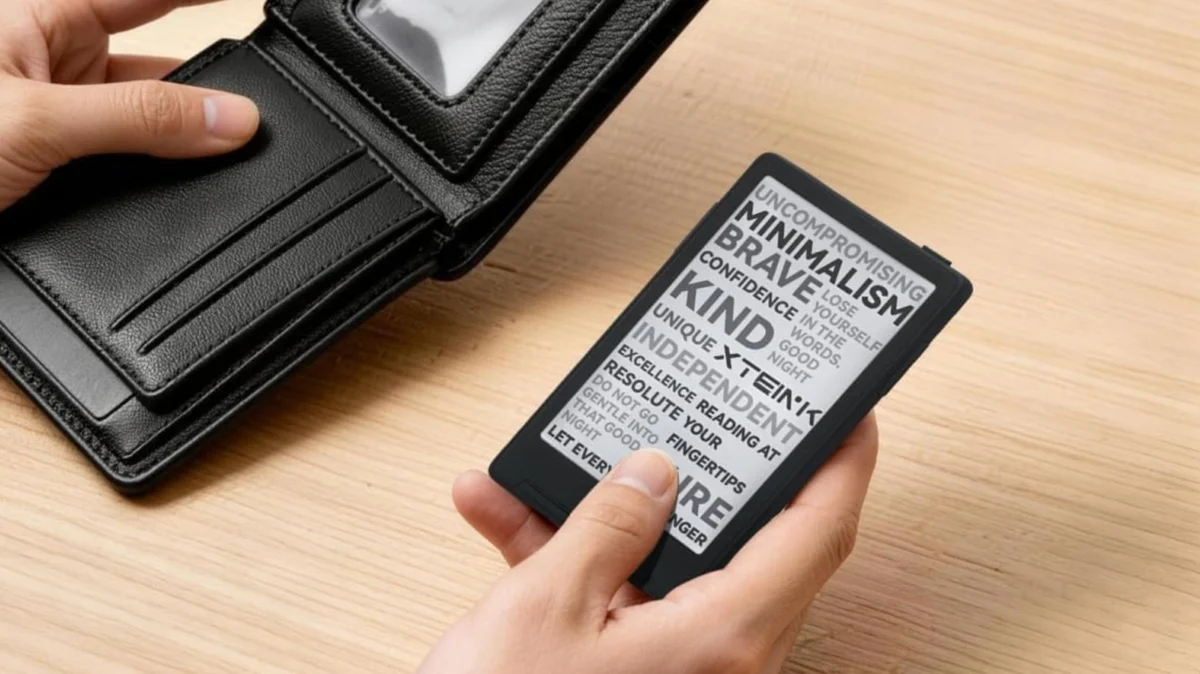
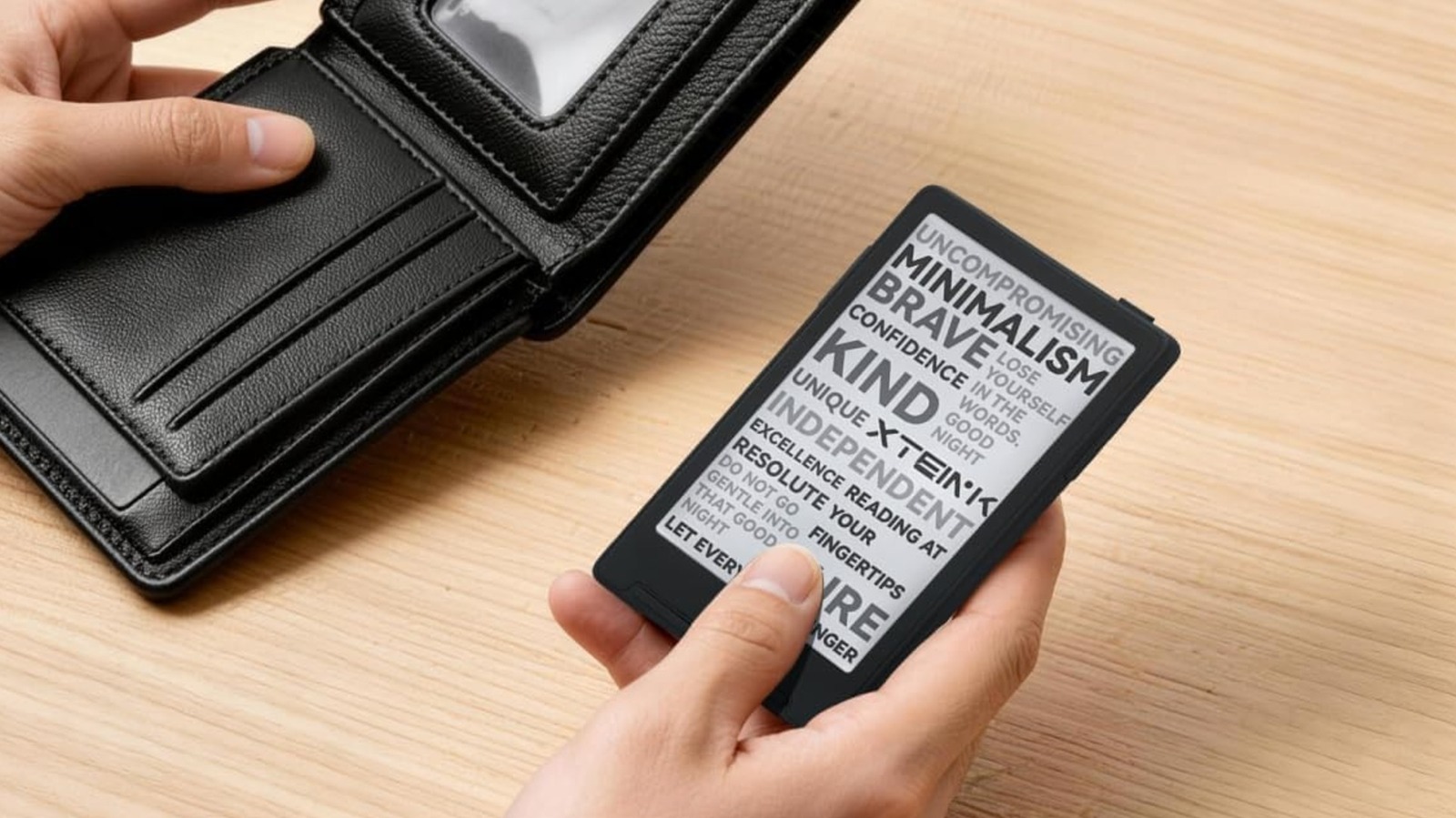
Simultaneously, the reading experience has been transformed by the Xteink X3 3.7-inch E-Ink eBook Reader. In a market dominated by large-format tablets, the X3 addresses the need for extreme portability. By utilizing E-ink technology, which requires power only during page turns, the device achieves significant battery longevity, making it an efficient tool for commuters and light travelers.
Niche Novelties: From Cryptexes to Inflatable Tubes
The gift market also thrives on items that lean into the "quirky" end of the spectrum. The Cryptex, popularized by Dan Brown’s "The Da Vinci Code," has transitioned from a plot device into a functional gift box. These mechanical puzzles, which require a five-digit code to open, provide a secure, albeit theatrical, method for gifting small items or messages.
On the lighter side of novelty, the Poen Mini Inflatable Tube Man with Blower replicates the kinetic energy of roadside advertising. Standing 16.54 inches tall, it operates on a USB-powered blower, providing an immediate, high-energy visual that has become a staple for office desks and home gaming setups.
Methodology and Selection Criteria
The selection of these 14 gadgets was based on a rigorous vetting process involving three primary metrics:
- Consumer Sentiment: Each product maintains a minimum rating of four stars across major online retail platforms, based on a minimum of several hundred user reviews. This ensures that the physical build quality and functional claims of the devices have been vetted by the public.
- Market Accessibility: The products were chosen for their availability and price consistency. Most items listed reside within the $20 to $60 range, ensuring they remain viable options for casual gifting, with a few premium items peaking near $200.
- Utility and Design: A core requirement was that the product must be "quirky" yet functional. Items that were purely aesthetic were excluded in favor of devices that performed a task, whether that task was playing music, displaying time, measuring microscopic objects, or providing interactive entertainment.
Broader Implications of the Mini-Gadget Trend
The rise of these devices suggests a shift in how consumers interact with technology. As hardware becomes more efficient, the focus has moved from "bigger and more powerful" to "smaller and more expressive." This trend reflects a broader cultural movement toward personalized spaces.
From an economic perspective, the mass production of these items has been made possible by the stabilization of global supply chains for small-scale microprocessors and low-power motors. Furthermore, the ability to source high-quality components for these niche items has lowered the barrier to entry for manufacturers, resulting in a more diverse marketplace than was present in the early 2000s.
As we look toward the future of consumer electronics, it is likely that this trend of "miniaturized nostalgia" will continue. The integration of AI-driven customization—such as the app-controlled pixel screens found in the Divoom series—suggests that these gadgets will become increasingly interactive. While they may not replace primary computing devices, their role as cultural artifacts and functional tools continues to secure their place in the modern gift-giving landscape. Whether for a STEM enthusiast, a retro gamer, or a coworker needing a desktop distraction, these small-scale wonders offer a unique intersection of history, science, and play.