In today’s hyper-competitive commercial environment, traditional siloed marketing strategies are rapidly giving way to a more comprehensive framework known as holistic marketing. As global markets evolve and digital touchpoints multiply, businesses can no longer afford to manage public relations, advertising, customer service, and affiliate programs as isolated units. Instead, modern enterprises are turning to holistic marketing to align every facet of their operations—from internal corporate culture to external societal responsibilities—delivering a unified brand message that secures sustainable growth, optimizes the buyer journey, and supercharges affiliate marketing programs.
The Evolution and Core Dimensions of Holistic Marketing
The conceptual framework of holistic marketing emerged as a direct response to the fragmentation caused by digital expansion. Historically, advertising agencies handled print and broadcast, digital teams managed social media channels, and separate departments oversaw customer retention or sales. This compartmentalization frequently led to conflicting brand messaging, creating confusion among consumers and eroding trust. Holistic marketing directly combats this by operating on the premise that every single point of contact contributes to a consumer’s overall perception of an enterprise.
To achieve this seamless integration, the holistic approach relies on three foundational dimensions: internal marketing, relationship marketing, and societal marketing.
Internal marketing operates as the bedrock of the entire strategy. It dictates that a company’s employees, contractors, and service providers must be deeply engaged with, and thoroughly believe in, the corporate vision, values, and offerings before attempting to promote them to the public. If internal stakeholders—whether in human resources, website copywriting, customer care, or affiliate management—do not understand or trust the brand, that disconnect inevitably manifests in subpar customer experiences.
Relationship marketing extends this philosophy outward, focusing on cultivating long-term, mutually beneficial bonds not just with end-consumers, but with business partners, suppliers, wholesalers, and affiliates. By transforming one-off buyers into loyal brand advocates and keeping affiliate partners consistently informed and valued, enterprises significantly increase customer lifetime value and program profitability.

Societal marketing integrates corporate social responsibility (CSR) and ethical practices into the commercial engine. Modern consumers, business partners, and affiliates increasingly gravitate toward brands that demonstrate a genuine commitment to environmental sustainability, ethical labor practices, and community welfare. By embedding social causes into daily operations, companies enhance their brand equity, generate positive public relations organically, and foster deeper emotional connections with their target demographics.
Key Operational Components and Data-Driven Integration
Implementing a holistic marketing strategy requires the synchronization of several interconnected components. At the center of this framework is a robust customer-centric approach. Enterprises must systematically analyze consumer behavior, preferences, and feedback to ensure that every product development milestone, marketing campaign, and support interaction adds tangible value to the buyer’s journey.
This customer-centricity directly influences affiliate marketing success. Premium affiliates—those capable of generating high-volume, high-converting traffic—routinely audit a brand before agreeing to a partnership. They evaluate the landing page experience, checkout friction, and customer service responsiveness. If a brand fails to deliver a coherent and satisfying experience, elite affiliates will decline to promote it. Conversely, when all marketing channels utilize an integrated marketing mix—sharing identical core values, visual assets, brand fonts, and messaging—affiliates are fully equipped to deploy consistent, high-converting campaigns.
Furthermore, data-driven decision-making serves as the operational compass for holistic frameworks. By leveraging advanced analytics, businesses can continuously monitor campaign performance across disparate channels, optimize resource allocation, and refine targeting parameters. This empirical approach eliminates wasteful spending and ensures that internal teams and external partners are moving in lockstep toward clearly defined key performance indicators (KPIs).
Case Study: Holistic Execution at Apple Inc.
A prominent example of holistic marketing execution on a global scale is technology giant Apple Inc. Apple’s operational model is widely studied for its meticulous synchronization across product design, advertising, internal culture, and partner ecosystems. The company’s core corporate values—encompassing accessibility, education, environmental protection, inclusion and diversity, privacy, and supplier responsibility—are consistently reinforced across both its consumer-facing campaigns and its internal recruitment portals.
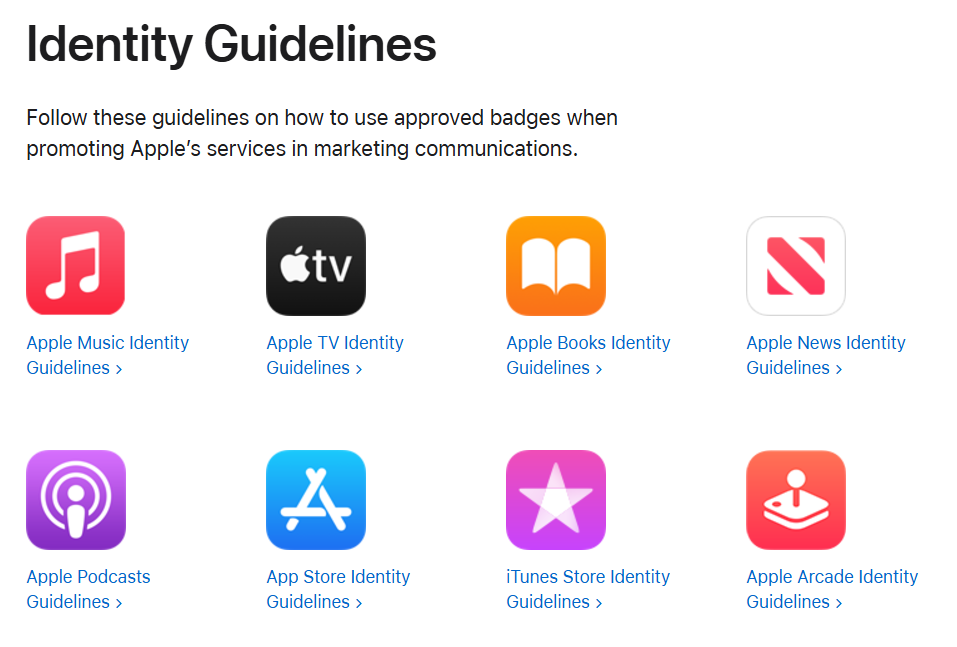
Apple’s internal marketing ensures that its retail and corporate employees are deeply integrated into the brand’s ethos, translating directly into the renowned in-store customer service experience. Furthermore, this holistic ethos extends to the Apple Services Performance Partners Program, which provides rigorous yet clear guidelines for affiliates. By equipping partners with standardized creatives, transparent brand guidelines, and precise audience insights, Apple ensures that its global message remains uncompromised, whether delivered directly via a keynote presentation or indirectly through an affiliate publisher’s blog.
On the societal marketing front, Apple routinely integrates sustainability initiatives and charitable contributions directly into its primary consumer touchpoints, such as its homepage donation mechanisms. This seamless blending of ethical responsibility with commercial architecture fortifies consumer trust and cements the brand’s position as an industry leader.
Future Implications and Strategic Recommendations
As the global marketplace continues to incorporate emerging technologies such as artificial intelligence, machine learning, and immersive digital environments, the demand for holistic marketing will only intensify. AI-driven personalization tools will allow enterprises to tailor interactions with unprecedented precision, but without a centralized, holistic framework, these hyper-personalized efforts risk devolving into disjointed and confusing touchpoints.
Industry analysts emphasize that future-proofing a business requires treating internal departments not as isolated business units, but as interdependent organs of a single living entity. Analogous to treating multiple medical conditions under a unified physician-led plan rather than seeking isolated remedies from disconnected specialists, modern enterprises must ensure all channels—from public relations and social media to programmatic advertising and affiliate networks—communicate transparently and function harmoniously.
For organizations looking to transition toward a holistic model, industry experts recommend a phased implementation plan:
- Define crystal-clear, SMART (Specific, Measurable, Attainable, Relevant, Time-bound) organizational goals that align internal operations with external marketing targets.
- Conduct comprehensive market research to understand target demographics, sharing these insights transparently with affiliate partners to improve traffic quality.
- Establish cross-departmental communication channels, ensuring that sales, customer service, marketing, and partner management teams collaborate on ongoing initiatives.
- Leverage robust analytics platforms to continuously evaluate performance metrics, optimize customer journeys, and eliminate redundancies across all promotional channels.
By embracing holistic marketing as an overarching corporate philosophy rather than a temporary campaign tactic, modern businesses can navigate market volatility, elevate brand equity, and build resilient ecosystems that ensure long-term survival and profitability.