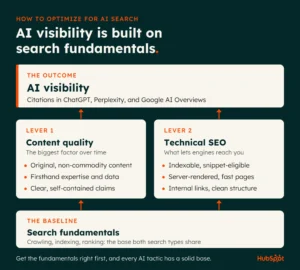
The digital landscape of WordPress management has long been defined by the competition between two dominant search engine optimization (SEO) plugins: Yoast SEO and All in One SEO (AIOSEO). As website owners and digital marketers strive to improve their search engine rankings, the choice between these two tools has become a critical strategic decision. While both plugins function to optimize on-page content, technical infrastructure, and metadata, they offer distinct approaches to user experience, feature sets, and pricing models. This analysis examines the technical capabilities, historical context, and functional differences that define the modern SEO toolkit for WordPress.

Historical Context and Evolution of WordPress SEO
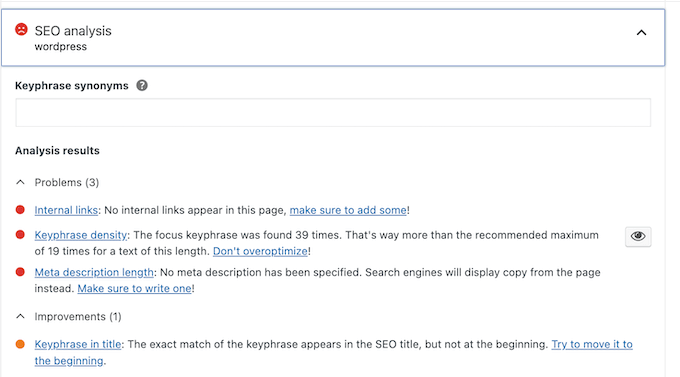
The evolution of SEO plugins mirrors the growth of the WordPress ecosystem. Yoast SEO, founded by Joost de Valk in 2010, quickly established itself as the industry standard, popularizing the "traffic light" system—a red, orange, and green visual indicator for content readability and keyword density. This system democratized SEO for non-technical users, allowing bloggers to assess their content without requiring deep knowledge of search engine algorithms.
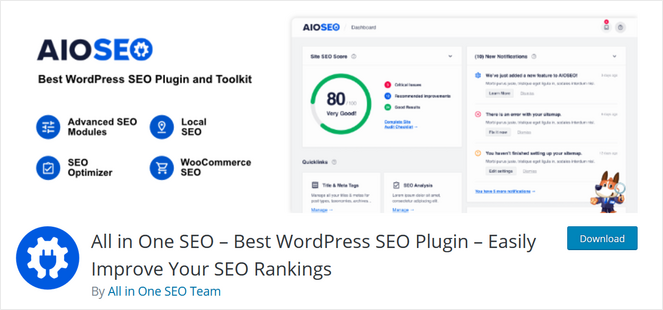
Conversely, All in One SEO (AIOSEO) holds the title of the original SEO plugin for WordPress, launched in 2007 by Michael Torbert. Historically, it was favored for its lightweight code and straightforward configuration. However, following its acquisition by Awesome Motive in 2020, AIOSEO underwent a significant transformation. The plugin pivoted toward a modern, modular interface, integrating advanced automation features and AI-driven tools that signaled a departure from its minimalist roots to compete directly with Yoast’s premium offerings.
Technical Comparison: Architecture and Feature Sets
Both plugins are designed to solve the same primary problems: XML sitemap generation, meta tag management, and schema markup implementation. However, the implementation of these features differs significantly.
Yoast SEO focuses on a "one-size-fits-all" pedagogical approach. It emphasizes content education, providing users with insights into transition words, sentence length, and paragraph structure. Its strengths lie in its consistency and the long-standing reputation of its SEO academy.
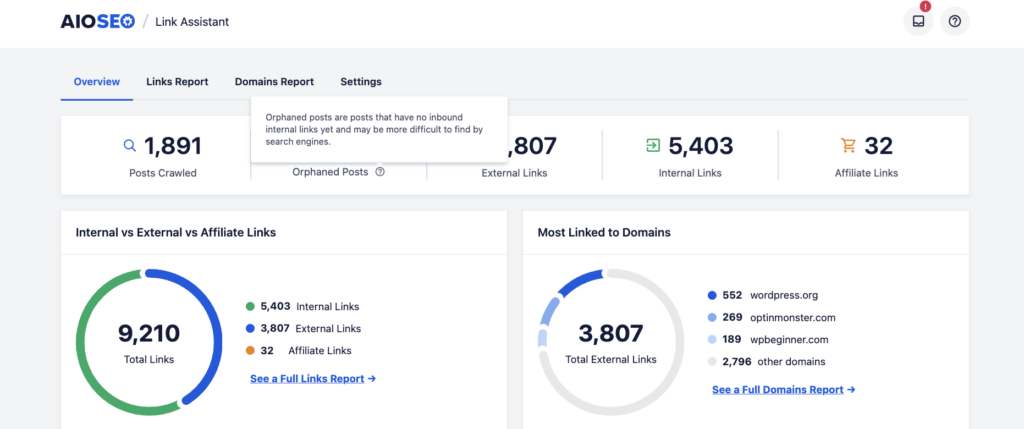
AIOSEO has adopted a more feature-rich approach, particularly regarding automation. Its "TruSEO" analysis score provides a granular look at a page’s performance out of 100, which many data-driven marketers find more actionable than a simple traffic light. Furthermore, AIOSEO includes a built-in Link Assistant, a tool that identifies internal linking opportunities by scanning site architecture—a feature that typically requires separate, third-party plugins in the Yoast ecosystem.
Data-Driven Feature Breakdown
To understand the functional divide, one must look at the specific capabilities offered in both the free and premium tiers of these plugins.
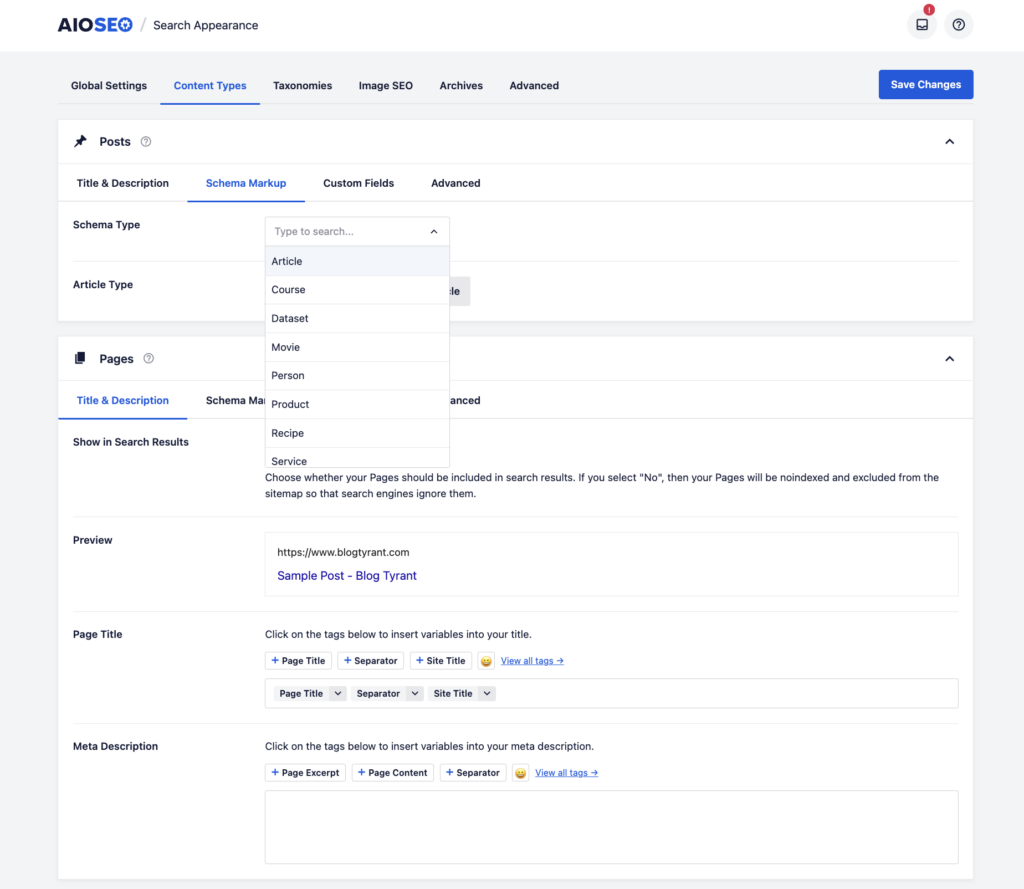
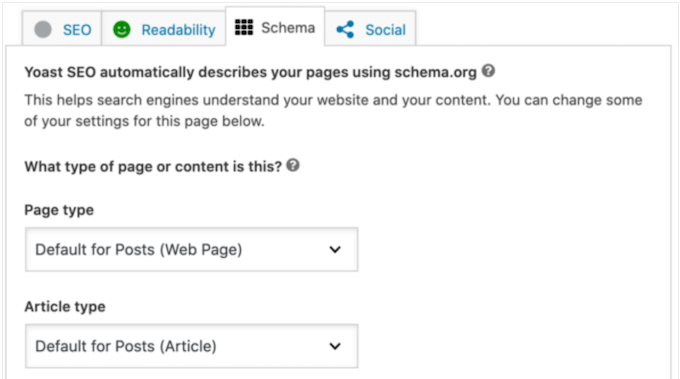
- Schema Markup: AIOSEO provides an extensive library of schema types (Article, Product, Recipe, Local Business) that are deeply customizable. While Yoast offers robust schema support, it is often more rigid, prioritizing ease of use over deep technical customization.
- eCommerce Integration: AIOSEO includes dedicated WooCommerce support in its standard premium plans. Yoast requires a separate, additional purchase for its WooCommerce-specific SEO plugin, which can increase the total cost of ownership for online store operators.
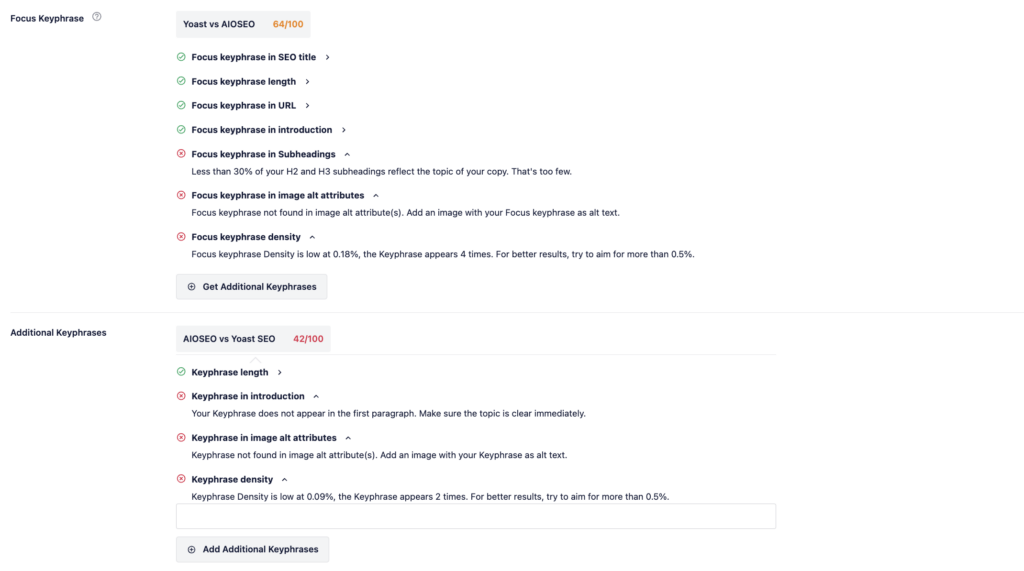
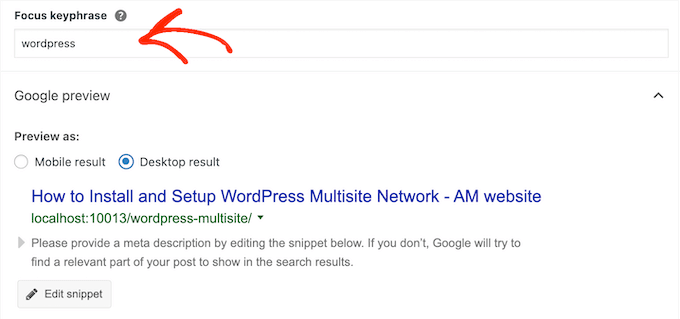
- Keyword Optimization: AIOSEO permits the targeting of multiple keywords within a single post, whereas the free version of Yoast is strictly limited to one focus keyphrase. This makes AIOSEO a more attractive option for content strategists targeting long-tail keyword clusters.
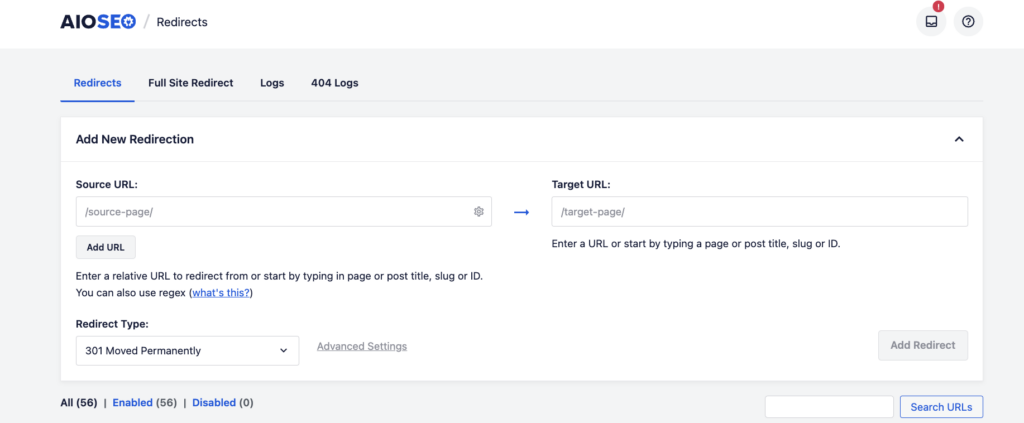
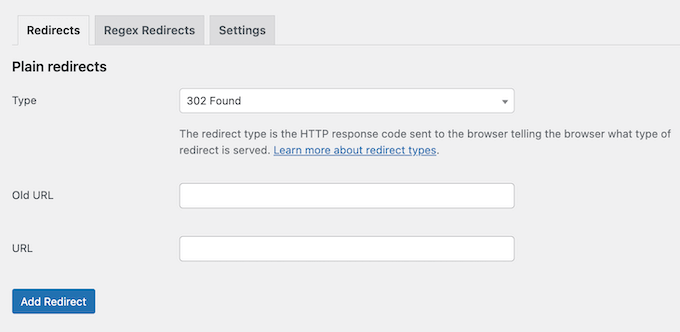
- Redirect Management: Both platforms offer redirect managers in their paid versions to handle 404 errors and permanent URL changes. AIOSEO’s interface for these redirects is widely regarded as more intuitive, allowing for bulk edits and automated monitoring of broken links.
The Financial Implications of SEO Tooling
For organizations, the cost-benefit analysis of SEO plugins is dictated by site volume and the need for scalability.
Yoast SEO operates on a per-site license model, priced at approximately $99 per year. This model is straightforward but can become prohibitively expensive for agencies or developers managing dozens of websites.
AIOSEO employs a tiered pricing structure that typically covers multiple sites (often up to 10) for a single annual fee. This structure provides a significant competitive advantage for small businesses or freelancers who manage a portfolio of sites. By bundling advanced features like Image SEO, Local SEO, and WooCommerce support into their higher-tier packages, AIOSEO effectively reduces the need for the "plugin bloat" that occurs when a site owner has to purchase five or six separate add-ons to achieve a comprehensive SEO setup.
The Role of Artificial Intelligence in Modern SEO
The most recent shift in this rivalry involves the integration of Generative AI. Both companies have moved rapidly to integrate ChatGPT-like capabilities directly into the WordPress editor. These tools can now automatically generate meta titles, descriptions, and even content outlines based on the target keyword.
AIOSEO has integrated AI features to assist with automated content titles and descriptions, aimed at reducing the time required for manual data entry. Yoast has responded with its own AI assistant, focusing on readability and tone-of-voice checks. The impact of these tools is significant: they shift the role of the SEO plugin from a "check-list" monitor to a "content creation" partner.
Strategic Considerations for Website Owners
When deciding between these two tools, site owners must consider their technical proficiency and long-term goals.
- For the Beginner: If a user is new to WordPress and wants a gentle introduction to SEO, Yoast’s educational resources and established interface provide a stable foundation. The traffic light system acts as a guardrail against common mistakes.
- For the Power User and Small Business: Those who prioritize data, site speed, and advanced technical configurations (such as custom schema and internal link building) generally find AIOSEO to be more efficient. The ability to manage multiple keywords and gain a granular 0–100 score allows for more precise optimization.
- For Agencies: The licensing model of AIOSEO is clearly superior for those managing multiple clients. The inclusion of Local SEO and Image SEO modules within the base premium package removes the friction of managing disparate licenses for different websites.
Potential Conflicts and Implementation Warnings
A critical, often overlooked aspect of using these plugins is the risk of conflict. Under no circumstances should a website run both Yoast SEO and AIOSEO simultaneously. Because both plugins attempt to generate identical XML sitemaps, canonical tags, and meta descriptions, running them concurrently will cause "metadata duplication." This results in search engines receiving conflicting signals, which can lead to a sudden, sharp decline in search rankings.
When switching from one to the other, both plugins offer import/export tools. A best practice is to perform a full database backup before initiating a migration. Most users find that once the migration is complete, the transition is seamless, as the underlying WordPress architecture is compatible with both systems.
Broader Implications for the WordPress Ecosystem
The competition between Yoast and AIOSEO is indicative of a broader trend within the WordPress ecosystem: the transition toward "all-in-one" platforms. As WordPress matures, users are increasingly moving away from "micro-plugins"—small tools that perform one specific task—and toward robust, modular platforms that offer a cohesive suite of services.
This shift has implications for site performance. Modern SEO plugins are now massive pieces of software. Website administrators must balance the utility of these tools against the potential for page load speed degradation. Both companies are currently engaged in a race to optimize their codebases to ensure that their extensive features do not come at the cost of "Core Web Vitals," a critical set of performance metrics used by Google to rank websites.
Final Assessment
The choice between Yoast SEO and AIOSEO is no longer about which plugin "works"—both are highly effective, industry-vetted tools that have helped millions of websites reach the first page of Google. Rather, the choice is about the specific workflow and economic needs of the site owner.
If the requirement is a simple, pedagogical tool that holds the user’s hand through the basics of on-page optimization, Yoast remains a formidable contender. However, for users seeking a feature-rich, high-value solution that scales across multiple sites and offers advanced technical capabilities like internal link automation and comprehensive schema management, AIOSEO presents a more compelling, modern, and cost-effective alternative.
As search engine algorithms continue to prioritize user intent, structured data, and content quality, the plugin that enables the user to act on this data most efficiently will continue to dominate the market. Currently, the trajectory of feature development and pricing flexibility suggests that AIOSEO is aggressively positioning itself to capture the majority of the market share from its long-standing rival.