The final quarter of 2022 marked a pivotal turning point for Meta Platforms Inc., as the tech giant rapidly expanded its suite of automation tools, revolutionized content scheduling, and rolled out sweeping updates across Facebook and Instagram. Throughout the year, digital marketers, advertisers, and content creators navigated a turbulent landscape defined by shifting consumer behavior, macroeconomic pressures, and the continued fallout from Apple’s AppTracking Transparency (ATT) framework. As the industry prepared to transition into 2023, Meta introduced a series of critical platform updates designed to streamline operations, enhance brand safety, and shift the paradigm toward machine learning-driven campaigns.
The Evolution of Advertising: Meta Advantage and Performance Metrics
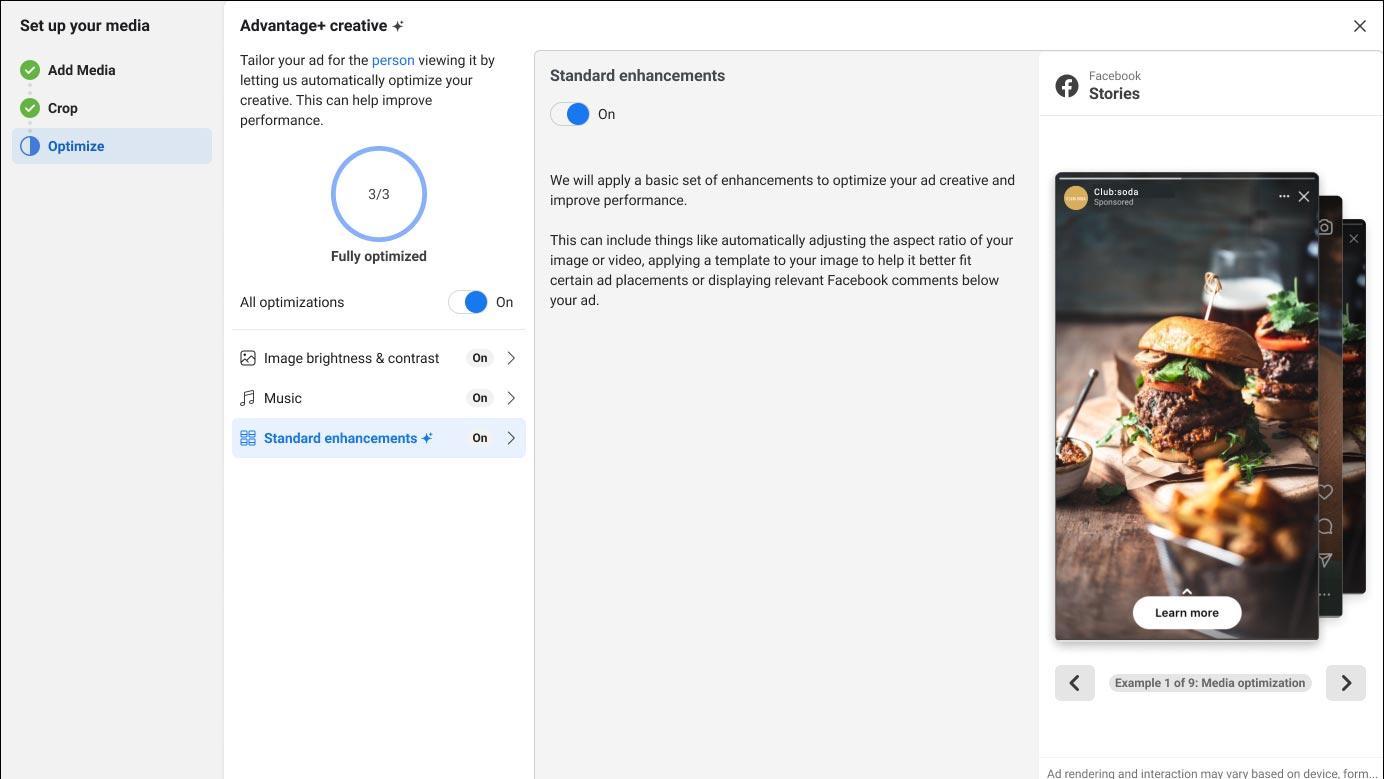
Navigating Facebook and Instagram advertising often felt like chasing a moving target as Meta continuously redefined best practices based on internal data. To counteract the friction felt by media buyers, the company consolidated its automated advertising suite under the "Meta Advantage" umbrella, separating tools into automated and campaign-level optimization categories.
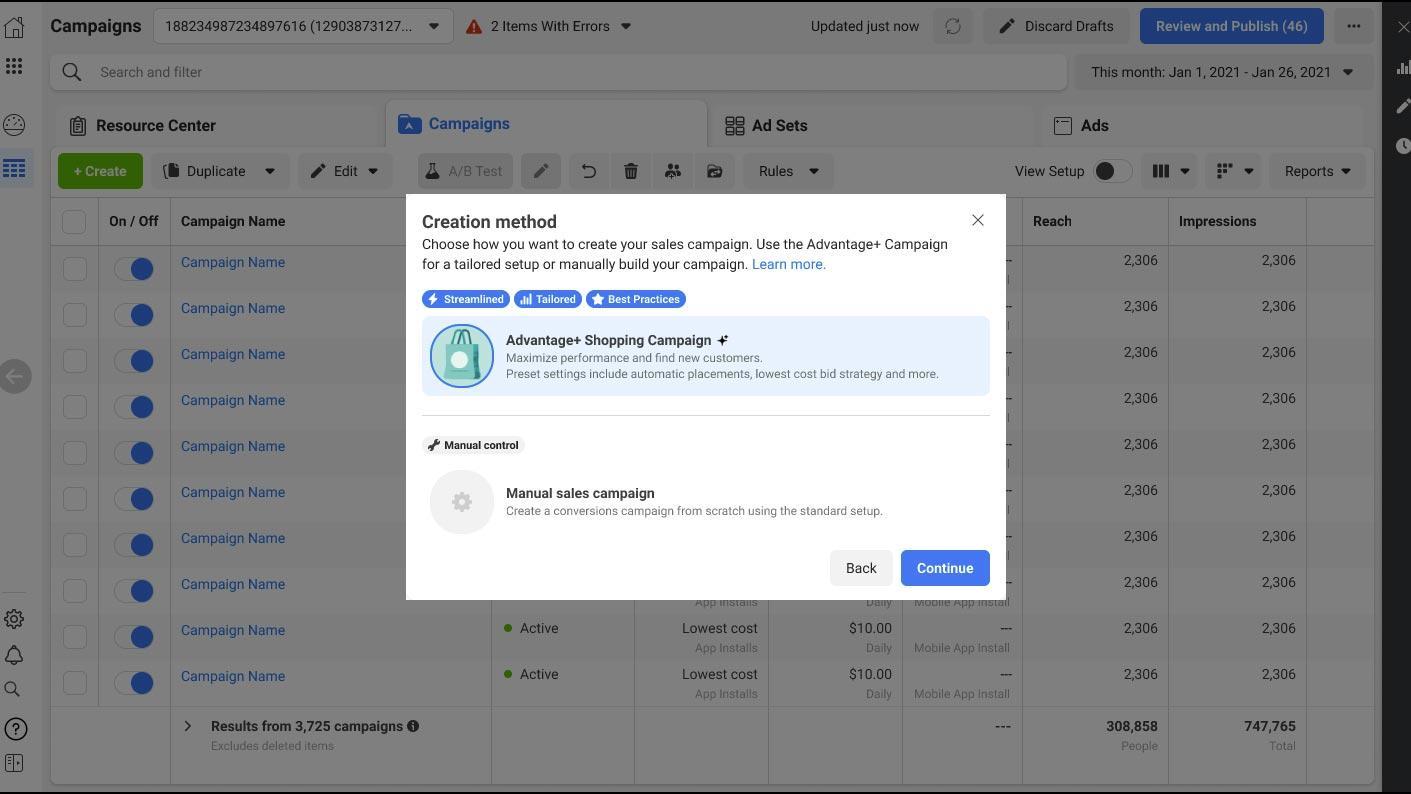
At the center of this strategy was the aggressive push for Advantage+ Shopping campaigns. Launched globally in August 2022, these automated campaigns leveraged machine learning to eliminate the manual ad creation process. According to internal Meta data shared during A/B testing phases, Advantage+ Shopping campaigns delivered a 12% lower cost-per-purchase conversion compared to standard ad setups. By automatically testing up to 150 creative variations simultaneously, the algorithm efficiently directed ad spend toward the highest-performing assets.
Concurrently, Meta addressed longstanding industry frustrations regarding transparency and accuracy by updating its pre-campaign audience reach estimates. Instead of displaying a single, rigid numerical estimate—such as 100,000 users—the ad manager transitioned to providing estimated audience size ranges. This modification served as a vital reminder to digital marketers that audience sizing on digital platforms inherently relies on statistical estimations rather than absolute figures. Furthermore, Meta restructured how it counts user accounts; profiles across Facebook and Instagram that were not explicitly linked through the Accounts Center were henceforth counted as two separate individuals for ad planning and measurement, impacting estimated reach and reporting metrics across cross-platform strategies.
Instagram Empowers Creators with Native Scheduling and In-Feed Music
For years, social media managers and independent creators relied on third-party tools to schedule content on Instagram. That paradigm shifted dramatically when Instagram introduced native post scheduling directly within its mobile application for Business and Creator accounts.
The feature granted eligible accounts the ability to schedule Reels, photos, and carousel posts up to 75 days in advance without needing desktop access or third-party applications. Users could access the tool via "Advanced settings" during the final publishing screen. However, this native integration launched with notable limitations: features such as product tagging, cross-posting to Facebook, and direct ad boosting remained unavailable for scheduled content, requiring manual implementation upon publication.
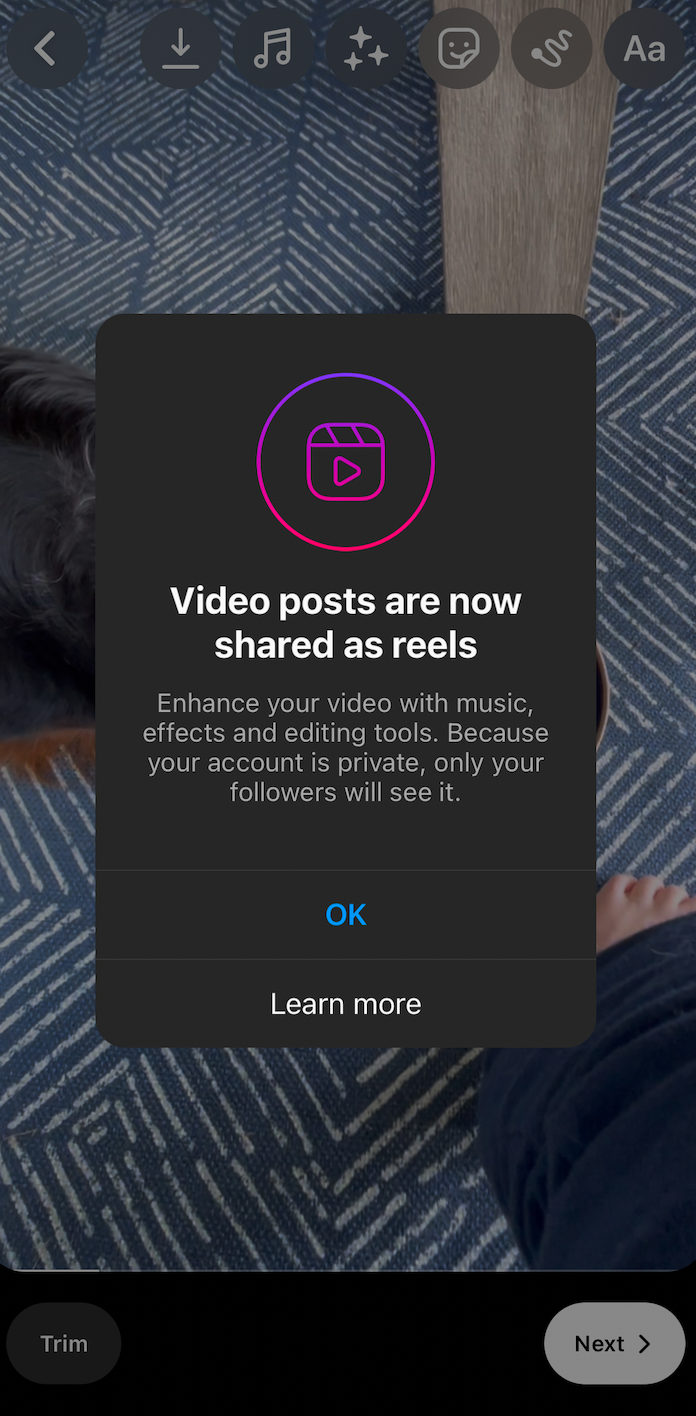
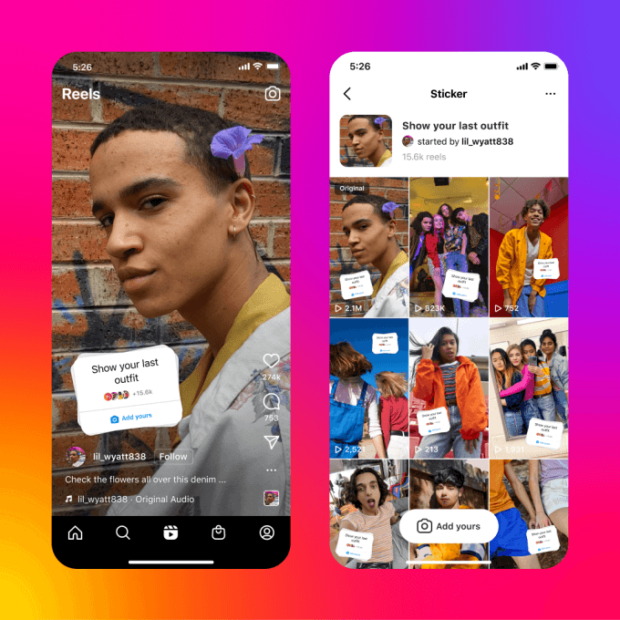
In tandem with scheduling tools, Instagram expanded its creative capabilities by allowing users to attach up to 90 seconds of commercial music to standard in-feed photo posts. Previously reserved for Reels and Stories, this integration offered static post creators a dynamic method to capture audience attention and leverage trending audio tracks. Additionally, the platform increased the maximum duration of Instagram Reels from 60 seconds to 90 seconds, providing deeper storytelling and educational potential for brands.

Content Moderation, Brand Safety, and Intellectual Property Protections
As digital ad fraud, misinformation, and brand safety concerns remained paramount, Meta secured a major validation milestone. In late 2022, the company achieved independent accreditation from the Media Rating Council (MRC) for content-level brand safety on Facebook. Vetted by third-party auditors, the accreditation covered Meta’s Partner Monetization Policies, Content Monetization Policies, and content-level suitability controls applied to Instant Articles and In-Stream video across desktop, mobile web, and mobile app environments.
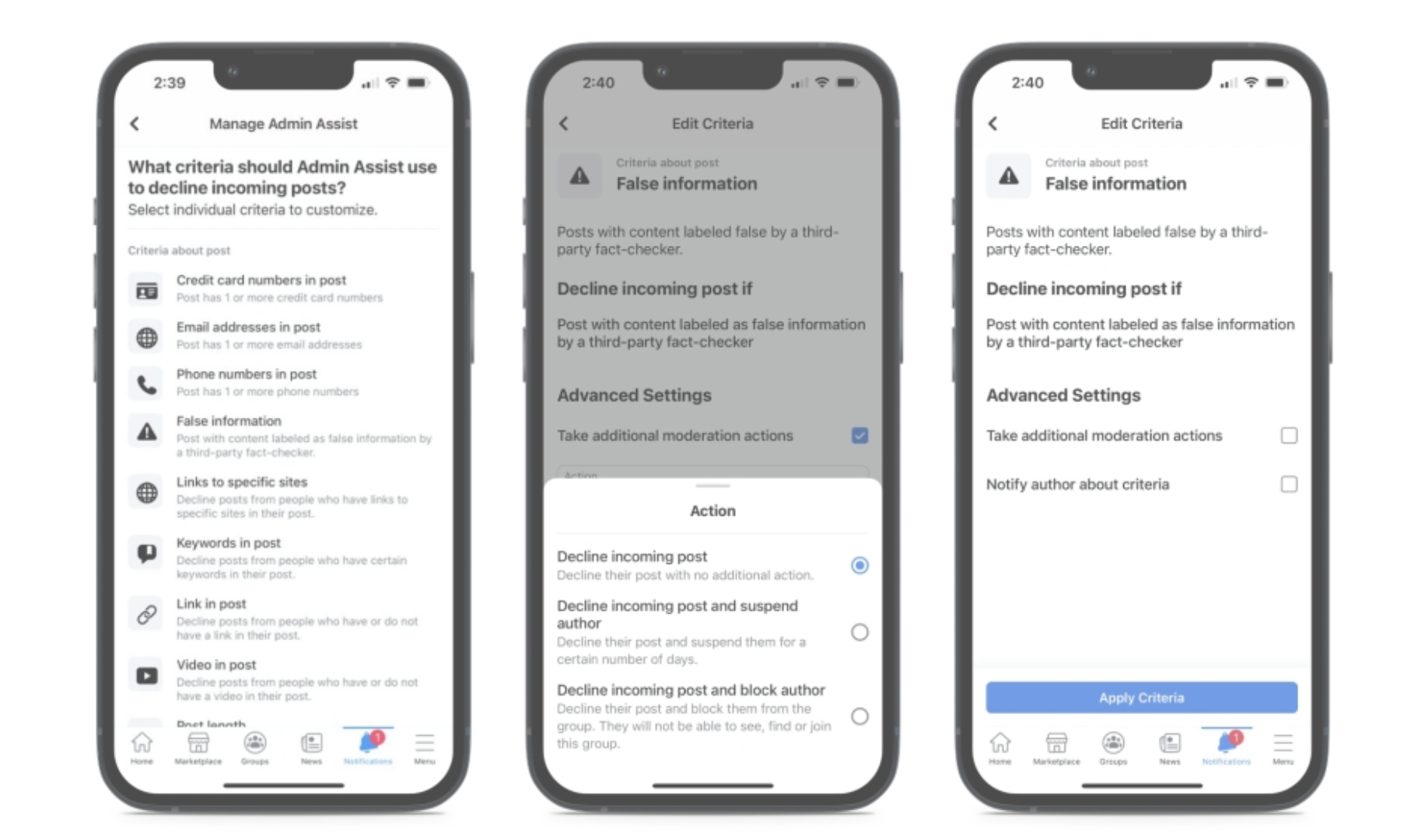
To complement this milestone, Meta introduced new content-based inventory filters for Facebook and Instagram feeds, granting advertisers granular control over the context in which their ads appeared. These controls allowed brands to exclude placements adjacent to sensitive topics, aligning digital expenditures with corporate suitability guidelines.

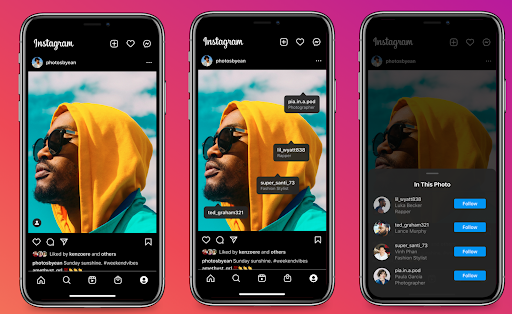
Intellectual property enforcement also received a significant technological upgrade through the launch of a new IP Reporting API and enhancements to Brand Rights Protection tools within Business Manager. The API integrated directly with the Graph API, enabling copyright holders to programmatically identify and report counterfeit merchandise, trademark violations, and unauthorized content distribution across both Facebook and Instagram.
Monetization, Social Commerce, and the Creator Economy
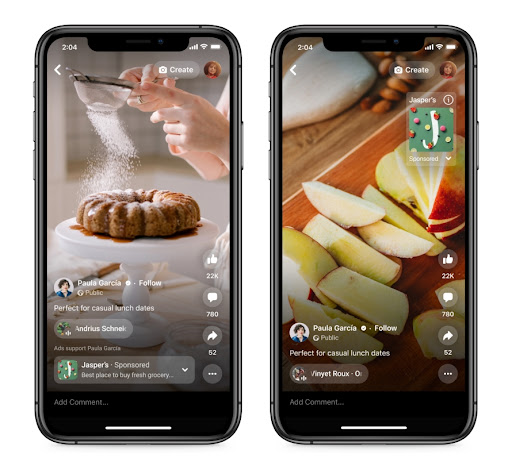
Meta’s financial commitment to the creator economy remained steadfast throughout 2022, underscored by CEO Mark Zuckerberg’s announcement that revenue-sharing across features like Badges, Subscriptions, and paid online events would be waived through at least 2024. This policy allowed creators to retain 100% of their earnings during a crucial economic growth period.
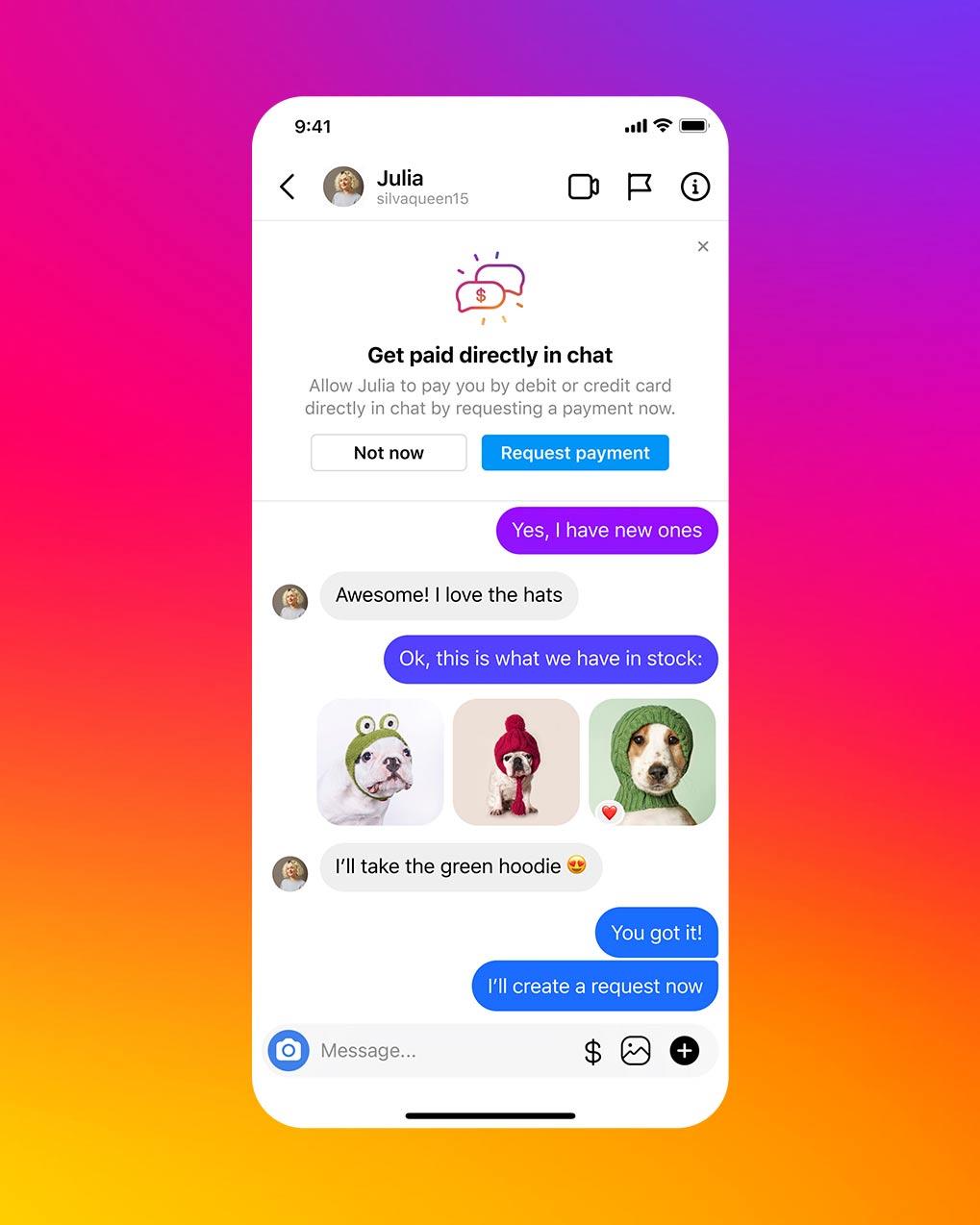
However, the rapid evolution of social commerce also necessitated strategic contractions. Meta officially sunsetted Facebook Live Shopping on October 1, 2022, pivoting its commerce strategy heavily toward Reels and short-form video discovery. Despite the closure of live-stream checkout features, the company expanded chat-based monetization by rolling out Instagram Payments in DMs. This tool enabled eligible sellers to accept payments, issue invoices, and complete transactions directly within chat threads using Meta Pay, credit cards, or PayPal, eliminating friction in the consumer purchase journey.
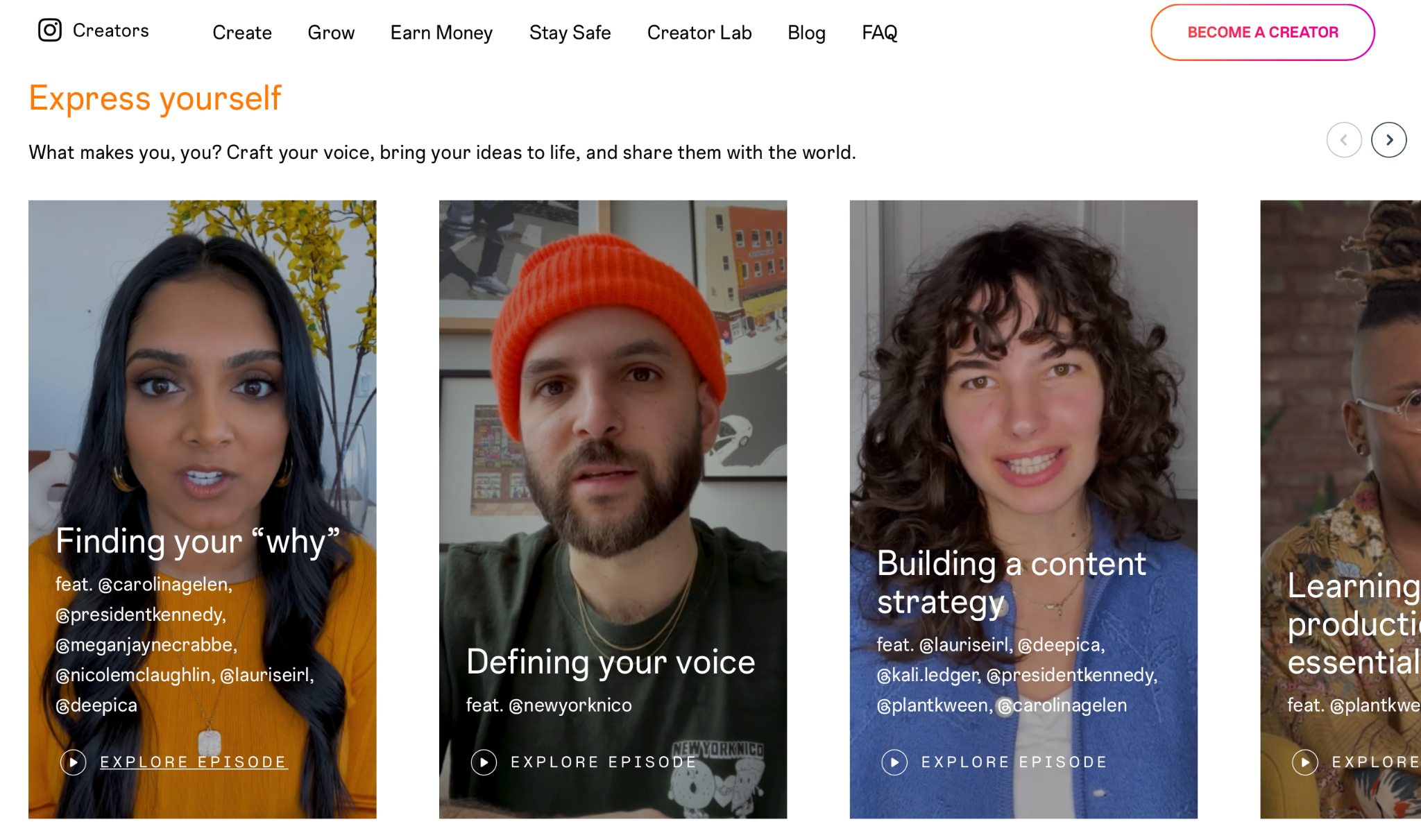
Furthermore, the invite-only testing phase of the Instagram Creator Marketplace moved toward wider availability in the United States. The digital hub allowed brands to discover, vet, and communicate directly with influencers by filtering creator profiles and audience demographics based on gender, age, location, and specific consumer interests.
Strategic Implications and the Road to 2023
Analyzing Meta’s sweeping operational changes throughout late 2022 reveals a clear corporate trajectory: a total reliance on machine learning automation, an absolute prioritization of short-form vertical video via Reels, and a reinforced commitment to enterprise-grade brand safety.
For digital marketers and brand strategists, the implications of these shifts are profound. The deprecation of manual targeting levers—accelerated by Apple’s ATT framework and Meta’s transition to automated suites like Advantage+—demands a creative-first approach to media buying. Success on Meta’s ecosystem no longer relies on hyper-specific audience parameters, but rather on high-performing creative assets capable of teaching the algorithm who to target. As Meta continues to channel resources into the metaverse, artificial intelligence, and streamlined on-platform commerce, businesses must adapt their digital frameworks to embrace algorithmic execution while maintaining rigorous standards for brand suitability and customer engagement.